Top

Japan’s Mt.Gox to commence creditor repayments shortly

Web3 & Enterprise·November 24, 2023, 1:05 AM

Creditors of Mt. Gox, the Japanese Bitcoin exchange that suffered a devastating hack in 2014, have received a glimmer of hope with an announcement from the administrators of the Mt.Gox estate that repayments are imminent.

The recent announcement from Nobuaki Kobayashi, the trustee overseeing Mt. Gox’s estate was made on Tuesday when Kobayashi initiated the distribution of emails to rehabilitation creditors, hinting at the commencement of repayments. Social media reports have fueled optimism, suggesting that creditors may start receiving repayments in cash in 2023.

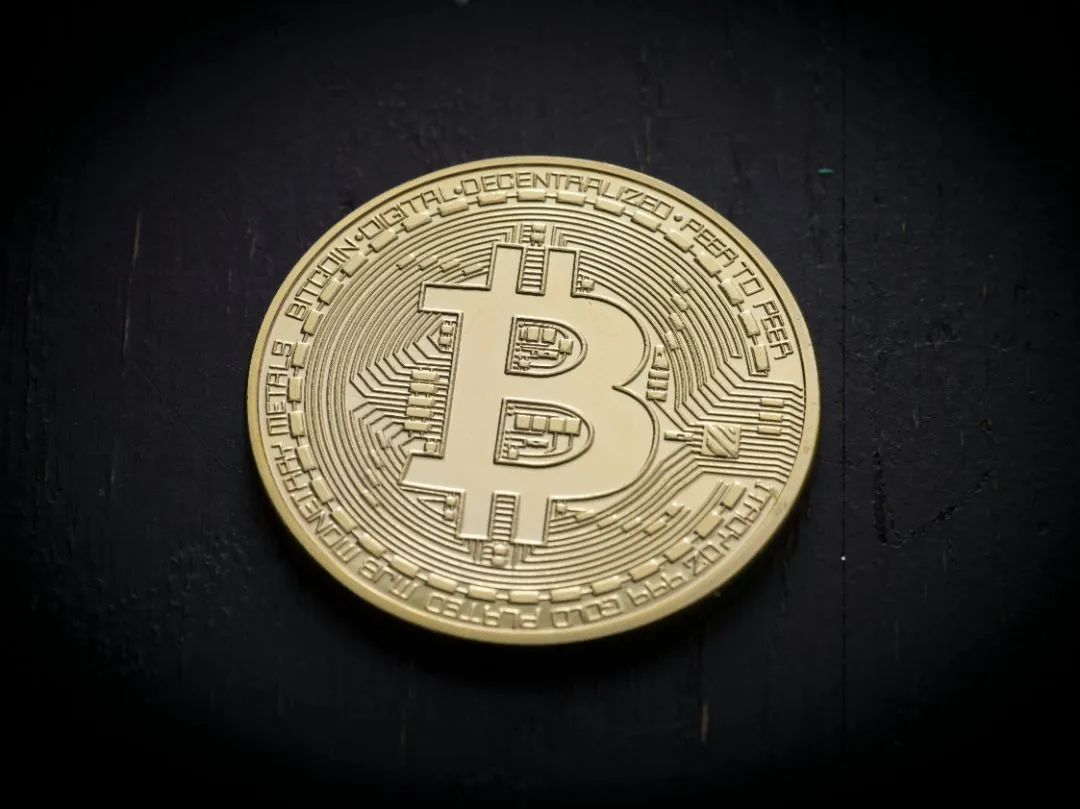
Photo by Manuel Cosentino on Unsplash


First round repayments in 2023

The email, sent in both Japanese and English, outlined Kobayashi’s plan to initiate the first round of repayments in 2023, with the process extending into 2024. The email highlighted the complexity of the task, citing the large number of rehabilitation creditors, diverse types of repayments and varied processing times required. Despite the lack of specific timelines for individual creditors, the email conveyed a cautiously optimistic tone about progress.


Cash vs. bitcoin

Reaction within the Mt. Gox community has been mixed. Some commentators view Kobayashi’s email as “cautiously promising,” interpreting it as a positive sign that repayments are finally on the horizon. Long-suffering creditors had been informed of a one-year extension to the repayment deadline in September. Additionally, some observers have raised concerns, noting that the email specifically references cash payments, whereas many victims of the Mt. Gox hack anticipate the return of large amounts of bitcoin.

The Mt. Gox trustee currently holds 135,890 BTC across known addresses, valued at nearly $5 billion. An additional 3,795 BTC (worth $130 million) are held on unknown addresses.

While the email signals progress, questions remain about the nature and extent of the repayments, with the community keenly observing developments. The email stated:

“The specific timing of repayment to individual rehabilitation creditors is undetermined, and therefore, it will not be possible to provide advance notice to each rehabilitation creditor regarding the specific timing of their repayment.”

Deadlines were also pushed back on other occasions, including March of this year when creditors were sent a “change of deadline“ notification.


Redemption of trust assets

This news coincided with the Mt. Gox trustee’s announcement on Wednesday regarding the redemption of trust assets. A substantial sum of 7 billion Japanese yen (equivalent to $47 million) was redeemed, intended for funding the repayment of claims. Following the redemption, the remaining trust assets stood at 8.8 billion yen, or approximately $59 million. The trustee, as per the official statement, is actively preparing for the base repayment, early lump-sum repayment and intermediate repayment.

The recent events surrounding Mt. Gox have sparked discussions within the broader crypto community about the potential for a bitcoin sell-off. It’s long been speculated that the sudden release of bitcoin to creditors could lead to the market being flooded with sellers. However, as it appears that cash is being distributed as well as bitcoin, this should soften any potential bitcoin sell-off.

Despite the optimism in some quarters, skepticism lingers due to the history of delays in Mt. Gox repayments. Creditors remain cautiously hopeful for the most part, awaiting further updates and tangible progress in the rehabilitation process.

More to Read
View All
Policy & Regulation·

May 11, 2023

A Korean Lawmaker’s Crypto Holdings Worth $4.5M Spark Controversy

A Korean Lawmaker’s Crypto Holdings Worth $4.5M Spark ControversySouth Korean lawmaker Kim Nam-kuk, a member of the opposition party Democratic Party of Korea (DPK), has recently come under scrutiny due to his reported possession of 800,000 WEMIX tokens from January to February last year, as reported by the Maeil Business Newspaper. These tokens were worth approximately 6 billion KRW or $4.5 million at the time. While Korean lawmakers are obligated to disclose their wealth, virtual assets are an exception. The disclosure of Kim’s ownership of these tokens has ignited controversy, as it unveiled a wealth magnitude significantly greater than previously understood.Photo by Karolina Grabowska on PexelsTravel Rule regulationA central issue in the unfolding dispute is the source of Kim’s investment in the WEMIX tokens. It has been reported that he purchased a significant amount of these tokens between January and February last year and withdrew the entire sum between February and March before the crypto exchange implemented measures to comply with the Travel Rule regulation. This rule requires that financial authorities be informed of transactions over 10 million KRW ($7,500). After the crypto exchange reported the transactions to the Financial Intelligence Unit of the Financial Services Commission, the government agency requested a warrant to search Kim’s account due to the transactions’ abnormality. However, the court dismissed the request.Jeonse deposit to LG Display sharesIn response to the controversy, Kim took to a YouTube channel on Tuesday to explain his WEMIX token investments. He stated that he had retrieved 600 million KRW ($450,000) after his jeonse contract expired and used the money to purchase LG Display shares. Jeonse a housing rental system in Korea where tenants put up a lump-sum refundable deposit on a rental space for a two-year stay. Kim claims that these LG Display shares later rose in value to 985.7 million KRW ($744,000) in January 2021 and that he used this sum to purchase the tokens.Account balance and WEMIX tokensDespite his explanation, there are still questions surrounding Kim’s sudden increase in his bank account balance. His account balance reportedly increased from 100 million KRW ($76,000) at the end of 2020 to 1.12 billion KRW ($850,000) by the end of 2021, which raised suspicions. If Kim had directed all the money withdrawn from the LG Display shares to WEMIX tokens, it is unclear where the additional $774,000 in his account came from. Kim has reportedly explained to his party’s leadership that he retrieved the principal amount of his investment due to the increase in the WEMIX token price. However, this explanation has not satisfied some critics.Insufficient explanationIn an attempt to address these concerns, Kim shared part of his bank transaction records on Monday. However, this disclosure has fallen short of addressing all the questions that have been raised, such as the precise amount invested in the tokens and their purchase prices. There is still significant public scrutiny and skepticism surrounding Kim’s explanation for his crypto holdings, and it remains to be seen if further disclosures will be made.Kim apologized to the Korean public via Facebook for any disappointment caused, especially amid challenging economic conditions. However, he denied accusations of using undisclosed information or unlawfully acquiring wealth. Kim maintained that all transactions were transparently made using only his own wallets through his real-name bank accounts.Potential insider trading and conflict of interestNevertheless, the public’s acceptance of his explanation is yet to be seen, as questions about his $4.5 million virtual assets persist, particularly given his reported total wealth of around $1.1 million. There are concerns surrounding the possibility of insider trading. Furthermore, Kim’s participation in proposing a bill to defer tax implementation on digital assets has triggered suspicions of a potential conflict of interest.Call for an impartial third partyRecent updates indicate that the prosecution is considering requesting a warrant against Kim in relation to the controversy surrounding his crypto holdings. The Anti-Corruption and Civil Rights Commission is also examining if his participation in proposing the bill constitutes a conflict of interest. It is evident that an impartial third party will need to investigate and analyze all relevant information to resolve this dispute. Until a thorough and unbiased investigation takes place, the public’s concerns and questions are likely to continue.

news
Web3 & Enterprise·

Oct 19, 2023

Bybit Overhauls Institutional Trading Platform Bybit Institutional

Bybit Overhauls Institutional Trading Platform Bybit InstitutionalDubai-headquartered crypto exchange Bybit has announced the launch of its newly revamped institutional trading platform, Bybit Institutional.Bybit outlined details of the refreshed product offering which the company hopes will provide institutional clients with an elevated trading experience, via a blog post published to its website on Wednesday.The revamped Bybit Institutional platform claims to have introduced a host of new features that it hopes will distinguish it from competitor offerings:Photo by Gerd Altmann on PixabayLiquidityThe platform claims to be one of the largest in terms of open interest for crypto derivatives trading. This position allows for high trading volumes, creating frequent opportunities for clients to enter and exit positions. This heightened trading activity allows clients to execute orders without causing significant market price fluctuations.Asset safetyFollowing the spectacular failure of a number of crypto platforms in 2022, a lot of emphasis is being placed on client asset safety in 2023. Proof of reserve audits has been adopted by some platforms as a direct response to these failures. Bybit Institutional is offering that fail-safe in an effort to demonstrate that it maintains cryptocurrency reserves to cover all client holdings.Between routine audits, the use of robust security frameworks, multi-factor authentication, encryption, and other measures, the platform feels that it is prioritizing the security of client assets. Moreover, clients are also offered the option to utilize third-party custodial services for off-exchange settlement of trades and long-term asset storage.Fee structure optimizationThe platform is offering a fee structure that it claims to have tailored to maximize cost-efficiency for institutional traders. A customized fee schedule has been incorporated, based on trading volumes and strategies, and aimed at supporting institutions’ objectives of reducing trading costs while optimizing their returns.Eugene Cheung, Vice President and Head of Bybit Institutional, expressed his enthusiasm for the platform’s refreshed product offering, stating:“We are thrilled to introduce the new Bybit Institutional page, designed to cater specifically to the needs of our institutional clients. With our deep liquidity, commitment to asset safety, and cost-efficient fee structure, we aim to provide a seamless trading experience for institutions of all sizes.”Bybit Institutional has partnered with significant players within the industry in bringing its offering to market, such as Fireblocks, Copper, and Circle.Blockchain LifeThe United Arab Emirates-based exchange is also a participant in next week’s Blockchain Life 2023 event in Dubai, the 11th international forum on cryptocurrencies, blockchain, and mining. Cheung will participate as one of the panelists at the event on October 24. Titled “Crypto Market Outlook: Insights and Forecasts From Top Crypto Exchanges,” the panel of industry experts will delve into the current crypto landscape, emerging trends, and future forecasts.Bybit’s launch of the enhanced Bybit Institutional trading platform is indicative of the interest that exists between a range of market participants in cornering institutional business. UK bank Standard Chartered, through its Singapore-based subsidiary Standard Chartered Ventures and portfolio companies Zodia Custody and Zodia Markets, is also making a concerted effort to muscle in on this market segment.

news
Markets·

Apr 21, 2023

True Potential of Asian Crypto ETFs Yet to Be Realized

True Potential of Asian Crypto ETFs Yet to Be RealizedA recently published report by Hong Kong Exchanges and Clearing Ltd. (HKEX), the Hong Kong stock exchange, has found that crypto exchange traded funds (ETFs) have the potential to play a significant part in unlocking the next phase of digital asset expansion in Asia.©Pexels/Burak The WeekenderThe report, titled “Crypto ETF: Key to unlocking the next phase of digital asset growth in Asia,” highlights how crypto ETFs could attract more institutional investors and lead to increased liquidity in the digital asset market. Furthermore, HKEX claims that the ETF investment mechanism can play its part in offering a more regulated and safe manner through which investors can gain exposure to digital assets.Regulatory progressWhile the report cites an Asian regulatory environment that is becoming increasingly more supportive of digital assets of late, it still identifies a need for further progress to be made to improve the level of regulatory clarity and to provide a truly standardized approach to digital assets. That, it says, will result in crypto ETFs becoming more accessible, offering a diversified way in which the investor can access and gain exposure to digital assets in Asia.Nonetheless, HKEX applauds the work done thus far by regulatory authorities in Hong Kong and Singapore, where regulatory frameworks relative to crypto ETFs have been implemented. Those are measures that the Hong Kong stock exchange believes will increase investor confidence, and in turn, bring about further adoption of digital assets.Modest daily trading volumeBetween December 16 and February 7 the two Bitcoin ETFs and one Ether ETF listed on the Hong Kong stock exchange achieved a daily trading volume of $1.19 million. That’s rather underwhelming when compared with the $3 billion in daily volume being achieved by the Chicago Mercantile Exchange (CME) relative to its Bitcoin and Ether futures ETF in the United States. On the New York stock exchange ProShares Bitcoin Strategy ETF achieves a daily average trading volume of $196 million.These findings are a bit counter-intuitive given the contrasting regulatory approaches in the two territories. In the US, regulators have failed to approve a physically settled Bitcoin ETF. Furthermore, the Securities and Exchange Commission (SEC) has denied the attempts of Grayscale Bitcoin Investment Trust (GBTC) to convert the Bitcoin fund into an ETF. Meanwhile, Hong Kong has much more regulatory clarity but yet trading volume in crypto-related ETFs remains minuscule by comparison with the United States.Despite that, the report remains upbeat with regard to what can be achieved in the market with crypto-related ETFs. It makes a case for crypto ETFs as a means for traditional financial institutions to enter the digital assets market with relative ease. Similarly, it sees a role for global stock exchanges in facilitating future growth of crypto-related ETFs and in developing new ETF products that could unlock access to specific digital assets or bespoke investment strategies.

news
Loading