Top

South Korea’s top asset manager halts trading for bitcoin ETFs

Policy & Regulation·January 12, 2024, 7:24 AM

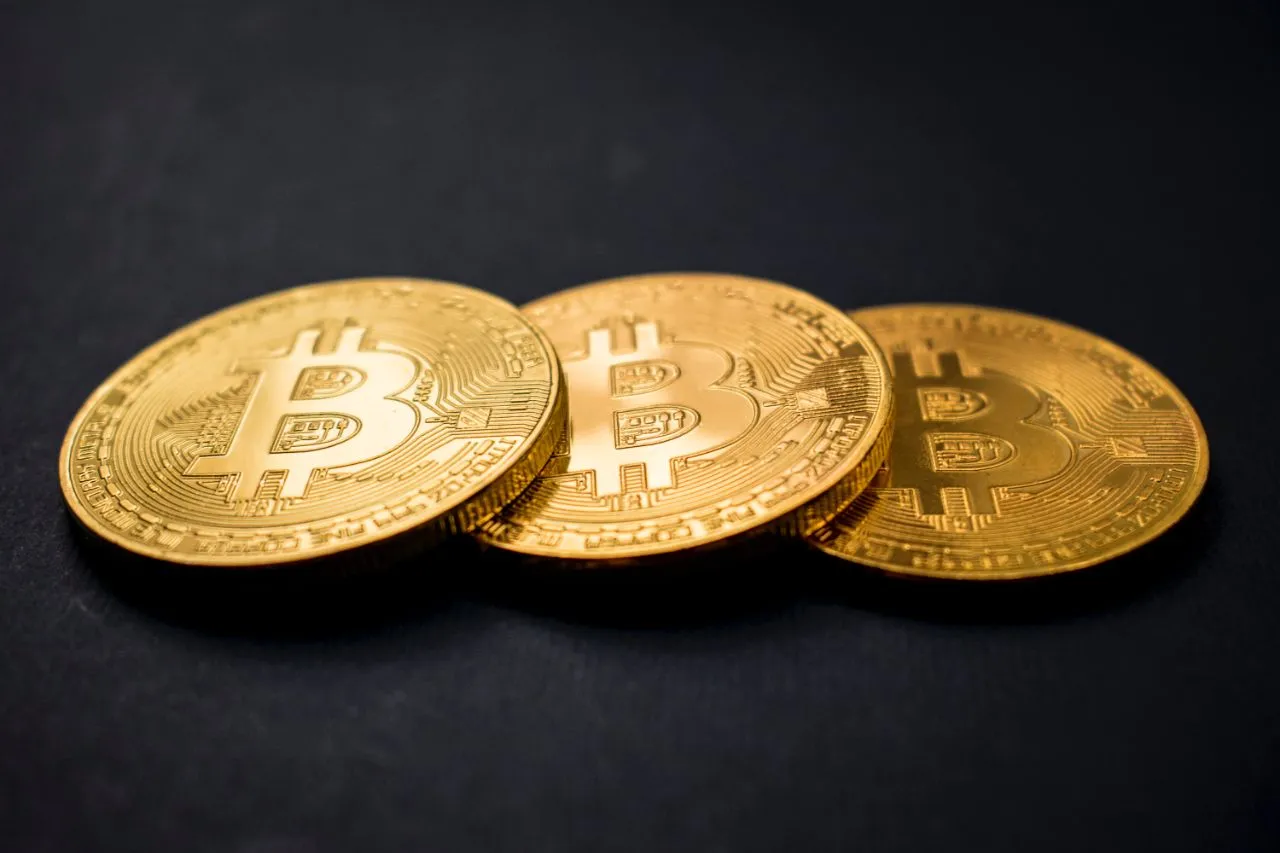
Mirae Asset Securities, South Korea’s largest asset management firm, has begun suspending trading for bitcoin ETFs, according to industry sources on Friday. This comes after an announcement made by the Financial Services Commission (FSC) stating that brokering spot bitcoin ETFs may be considered a violation of the government’s stance on virtual assets and the Financial Investment Services and Capital Markets Act.

https://asset.coinness.com/en/news/2bfc0e3e832d14e083f6d827227e0bdd.webp
Photo by Dmytro Demidko on Unsplash

Taking preemptive measures

The asset manager has blocked new purchases of spot bitcoin ETFs listed in Canada and Germany starting yesterday and is considering suspending trading of bitcoin futures ETFs that have been listed in overseas markets since 2021. This includes the Proshares Bitcoin Strategy ETF, Valkyrie Bitcoin Strategy ETF, Invesco Galaxy Bitcoin Strategy ETF and VanEck Bitcoin Strategy ETF.


As Korean financial authorities are putting the brakes on domestic investments in the recently approved spot bitcoin ETF by the U.S. Securities Exchange Commission (SEC), it is believed that Mirae Asset Securities is putting a preemptive halt to trading in other bitcoin ETFs.


Spot vs futures

Spot bitcoin ETFs differ from futures ETFs in that they track the price of Bitcoin by actually holding the cryptocurrency, while the latter tracks its price through futures contracts. South Korean securities firms have been brokering futures ETFs listed in overseas market for a while now.

More to Read
View All
Web3 & Enterprise·

Aug 14, 2023

RaonSecure to Develop Digital Identity Strategy for the Indonesian Government

RaonSecure to Develop Digital Identity Strategy for the Indonesian GovernmentRaonSecure, a South Korea-based decentralized identity (DID) service provider utilizing blockchain technology, has secured a contract with the Korea-Indonesia e-Government Cooperation Center. The contract involves providing consultation services aimed at devising a strategy for the implementation of a digital identity system in Indonesia. The selection of RaonSecure as the contract winner was orchestrated by Korea’s National Information Society Agency (NIA), and this strategic venture is being executed through the bilateral center.Photo by Ben Sweet on UnsplashBilateral center fostering tech exchangeEstablished in Jakarta in 2016, the bilateral center aims to facilitate the exchange of technological expertise between the Korean government and its Indonesian counterpart. This organization also serves to accelerate the entry of Korean enterprises into the Southeast Asian market.Indonesia’s national service portalAs the Indonesian government looks forward to establishing a national service portal, the need for a robust national digital identity system has been growing. This system is envisaged to support functionalities such as user authentication, e-signatures, and privacy protection.Blockchain-based DID implementationIn light of these needs, RaonSecure has emerged as a suitable company for the project, showcasing its technological prowess and stability. The Korean tech firm’s expertise has been evident in the successful deployment of its blockchain-powered DID platform, OmniOne, across diverse organizational settings. Noteworthy deployments include providing OmniOne for the issuance of identification cards to government employees, licensed drivers, and military veterans. Furthermore, RaonSecure has recently partnered with the Korea Federation of Savings Banks (KFSB) to develop a solution that verifies bank customers’ identities using mobile ID cards.The Indonesian venture is encouraging development for RaonSecure as it will serve as a gateway to not only fostering its presence within Southeast Asia but also propelling its reach far beyond, and the company’s blockchain DID technology will play a key role in spearheading this expansion into new horizons.

news
Web3 & Enterprise·

Oct 12, 2023

Shinhan Bank to Issue NFTs at 2023 Global Blockchain Incheon Conference

Shinhan Bank to Issue NFTs at 2023 Global Blockchain Incheon ConferenceShinhan Bank is set to participate in the 2023 Global Blockchain Incheon Conference (GBIC) from October 30 to 31 at Incheon Songdo Convensia, where it plans to operate a promotional booth to present its blockchain initiatives and issue commemorative non-fungible tokens (NFTs).Photo by CHUTTERSNAP on UnsplashUnveiling the prospects of next-generation technologiesGBIC is an international conference hosted by the city of Incheon and organized by Incheon Technopark. It will focus on exploring the present and future landscape of blockchain and Web3 technology while providing a platform for networking among experts from around the world. The event aims to stimulate the business ecosystem within the field and promote cultural exchange.Exclusive perksTo mark the occasion, Shinhan Bank and the city of Incheon are working together to issue NFTs for visitors, which include records of information like confirmation of event entry and participation, coupon usage, and more. The NFTs will also be given away to the first 1,000 customers who arrive at the event site, offering three benefits — free coffee vouchers as well as entry passes to artificial and virtual reality experiences and other on-site events. Recipients will also have the option to hand over the functions and benefits of the NFTs to others.Those who wish to attend GBIC can pre-register on the official conference website.

news
Markets·

May 20, 2025

South Korea’s crypto market hits $968.5B in H2 2024 as Bitcoin rally lifts activity

South Korea’s cryptocurrency market experienced notable growth in the second half of 2024, as total trading volume climbed to 1.35 quadrillion won ($968.5 billion). This marks a 24% increase compared to the 1.09 quadrillion won ($782.7 billion) recorded in the first half of the year. The data was released on May 20 by the Financial Intelligence Unit (FIU), which operates under the Financial Supervisory Service (FSS).Photo by Daniel Bernard on UnsplashTrading volume and market cap surgeThe average daily trading volume rose by 22%, reaching 7.3 trillion won ($5.26 billion), with a significant surge observed after October. According to the financial authority’s report, this sustained momentum was driven by a broader bullish trend in the global crypto market, led by Bitcoin hitting all-time highs. Growing institutional interest following the launch of multiple spot Bitcoin ETFs in the U.S. and increasingly favorable crypto-related policies have further fueled the rise in asset prices. To evaluate the state of the domestic crypto market, the FIU conducted a survey of 25 virtual asset service providers (VASPs) during the second half of 2024. The survey covered 17 exchanges as well as eight entities providing either custodial or wallet services. By the end of 2024, South Korea’s total crypto market cap had surged to 107.7 trillion won ($77.55 billion), representing a 91% increase from 56.5 trillion won ($40.68 billion) in June. In contrast, the global crypto market grew by 60% over the same period, reaching a total of $3.59 trillion. However, the Korean market experienced a sharp decline in assets held by custodial and wallet service providers, which fell by 89% to 1.5 trillion won ($1.08 billion). This drop was largely attributed to a rise in business closures. Additionally, the number of users on these platforms plummeted by 99%, falling to just 1,300 customers who had completed Know Your Customer (KYC) verification. Performance and token preferencesDespite these setbacks, the 25 VASPs reported combined revenues of 1.22 trillion won ($878.5 million), marking a 15% increase. Operating profit also rose by 27% to 744.6 billion won ($536.2 million). However, capital adequacy weakened, with the capital-to-asset ratio falling by 12 percentage points to 36.5%. Meanwhile, Korean won deposits—cash held on platforms for trading—more than doubled, surging 114% to 10.7 trillion won ($7.7 billion). The number of employees at crypto exchanges increased by 18%, reaching 1,862, while staff dedicated to anti-money laundering (AML) efforts rose by 46% to 207 individuals. On average, fiat-to-crypto exchanges offered trading in 224 different tokens, an increase of 28 compared to the previous half-year. Among the top 10 cryptocurrencies by market cap in Korea, six—Bitcoin (BTC), Ethereum (ETH), Ripple (XRP), Solana (SOL), Dogecoin (DOGE) and Cardano (ADA)—also appeared in the global top 10. Collectively, these accounted for 71% of Korea’s total crypto market cap. However, the remaining four differed: Korean investors favored Ethereum Classic (ETC), Shiba Inu (SHIB), Stellar (XLM) and Bitcoin Cash (BCH), whereas global investors leaned toward Tether (USDT), Binance Coin (BNB), USD Coin (USDC) and TRON (TRX). User base growth and demographic trendsThe number of KYC-verified users eligible to trade reached 9.7 million in the second half of 2024, representing a 25% increase from the previous period. Individual users accounted for the vast majority, while corporate users made up less than 0.01% of the total. By age group, users in their 30s accounted for the largest share at 29%, followed by those in their 40s (27%), 20s and younger (19%), 50s (18%) and 60s and older (7%). The majority of users—66%, or roughly 6.37 million people—held less than 500,000 won ($360) in digital assets. In contrast, 12% of users held over 10 million won ($7,180), while 2.3% had portfolios exceeding 100 million won ($71,820). 

news
Loading