Top

RBI Governor: No place for ‘crypto mania’ in India despite U.S. ETF approval

Policy & Regulation·January 13, 2024, 10:54 AM

At the 16th Mint Annual BFSI Summit and Awards in Mumbai, Reserve Bank of India (RBI) governor Shaktikanta Das reiterated the central bank's cautious stance on cryptocurrencies, regardless of recent global developments.


During the event, which was held on Thursday, Das took to the stage. He was asked if the approval of spot bitcoin exchange-traded funds (ETFs) in the United States gives legitimacy to cryptocurrency.
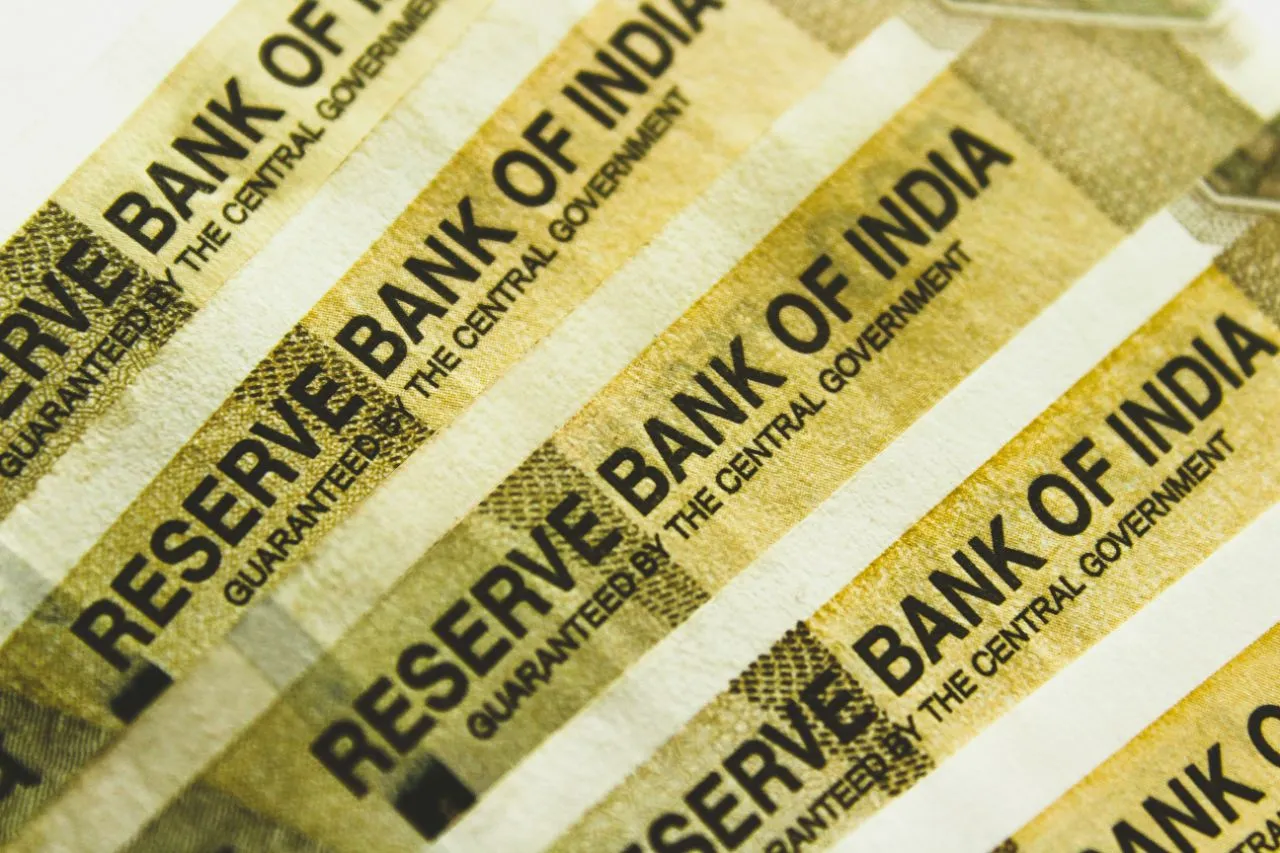
https://asset.coinness.com/en/news/8f406444c88214126a5f00df6058da92.webp
Photo by rupixen.com on Unsplash

Unwavering response

Das was unwavering in his response, maintaining that the RBI remains steadfast in its approach and opposition to cryptocurrencies. He stated:


"The way we look at crypto remains unchanged, irrespective of who does what." 


He emphasized that the RBI does not intend to emulate regulatory decisions made by other countries. Despite this global development, Das maintained the RBI's reservations, expressing concerns about the potential risks associated with venturing further into the cryptocurrency space.


Favoring a crypto ban

Last month, officials from the Indian central bank told the Hindustan Times that the RBI believes that the Indian government should impose an outright ban on cryptocurrencies in India. One unnamed official stated:

"The government cannot sidestep the RBI’s concerns while deciding on cryptocurrencies, as it is responsible for monetary stability in India and maintains price stability."


Das acknowledged the potential of blockchain technology, the foundation of cryptocurrencies, highlighting its versatility for various applications. Both the central bank and the Indian government have encouraged the development of blockchain rather than crypto. Last year, an RBI-led initiative, the National Payments Corporation of India (NPCI), recruited blockchain expertise to further develop that project.


However, he made it clear that the RBI's focus remains on strengthening governance and assurance in regulated entities, with an emphasis on early identification, close monitoring and effective management of risks.


Citing ‘Tulipmania’

Das cautioned against a “crypto mania,” drawing parallels to the historical tulipmania of the 17th century. He underscored the RBI's position that embracing cryptocurrencies could pose significant risks, echoing his previous warnings about the macroeconomic and financial stability risks associated with these digital assets.


The governor emphasized the importance of instilling an appropriate risk culture within organizations, with active involvement from the board and senior management. Das stated that the RBI expects top officials and board members to play a more proactive role in risk management.


India’s crypto community responded critically to the RBI governor’s comments. Ajeet Khurana, a Web3 growth investor, responded on social media, stating:

”Dear RBI governor, I respect you a lot, and I don’t mind that you don’t like Crypto. Diverse points of view are healthy. Yet, using words like 'tulip mania' only gives the impression that you are out of touch with what is happening in Web3. My request, Sir, is that you update yourself.”


Vivek Sen, the founder of Bitgrow Lab, wrote:

”Dear RBI, First, don't club Bitcoin with ‘Crypto’. Secondly, Tulips did not experience an 80% drop on four occasions, and they recovered each time.”

Despite opposition to cryptocurrencies in official circles in India, a report last year produced by Chainalysis found that India is leading the way in Asia in terms of grassroots adoption of cryptocurrencies.


 

More to Read
View All
Policy & Regulation·

Jun 12, 2023

China Sees Further Metaverse Development Through Nanjing City Initiative

China Sees Further Metaverse Development Through Nanjing City InitiativeNanjing City’s Jiangning district recently unveiled its ambitious plans for metaverse development as competition in China’s metaverse sector intensifies.Photo by 李 亨 on PexelsThree-year planThe district aims to lay the groundwork for blockchain-based applications by attracting 200 metaverse companies and generating an industry with an annual revenue of 20 billion yuan ($2.80 billion) by the end of 2025. That’s according to a three-year plan to accelerate metaverse development published by Jiangning district’s management committee on Saturday.To support this vision, Jiangning plans to foster collaboration between local enterprises and academic institutions, with the goal of training 10,000 metaverse professionals over the next three years.Metaverse roadmapThe district’s comprehensive roadmap includes the identification of key metaverse technologies, such as blockchain, artificial intelligence (AI), and virtual reality. Additionally, the plan outlines the establishment of 50 research centers and laboratories dedicated to these areas of expertise.These initiatives were unveiled during a joint summit on metaverse and artificial intelligence-generated content (AIGC) held at the Jiangning High-tech Development Zone, a specialized industrial park known for its focus on life sciences, software development, and equipment manufacturing.At the summit, 16 metaverse-related projects were introduced, representing a total investment of 8.1 billion yuan ($1.13 billion). These projects encompass diverse fields, including A.I., cloud computing, big data, and healthcare. Jiangning’s commitment to the metaverse extends beyond the recently announced plan, as the district has been offering financial incentives to metaverse companies since May 2022.Moreover, an investment of 800 million yuan ($112 million) has been allocated to construct a dedicated “metaverse industrial building” that will provide office spaces for metaverse enterprises.Jiangning’s efforts contribute to Nanjing City’s broader aspiration of becoming a prominent metaverse hub in China. In February of this year, Nanjing unveiled its metaverse strategy and set the ambitious target of establishing an industry generating over 135 billion yuan ($19.13 billion) in annual revenues by the end of 2025. Additionally, Nanjing launched “the Blockchain Technology and Application Innovation Platform of China” in May, aimed at promoting and advancing metaverse research nationwide.Broader Chinese metaverse strategyWhile Nanjing is moving towards metaverse development, other Chinese metropolises, including Beijing, Shanghai, and Hangzhou, are also vying for dominance. Cities such as Zhengzhou and Suzhou are also endeavoring to participate in the trending technology.Last month, Zhengzhou announced a set of policy proposals aimed at supporting metaverse-centric enterprises locally. Earlier in May, the administrative body that governs Henan Province established a 150 million yuan ($21.7 million) private equity investment fund relative to the financing of metaverse-themed projects.As cities and regions in China compete to seize the opportunities presented by the metaverse, the country is witnessing significant investments and initiatives to establish a strong foothold in this transformative technology. Nanjing’s Jiangning district’s comprehensive plan and strategic partnerships signify the region’s dedication to becoming a flourishing metaverse ecosystem, while executing on a mandate from the central government to further develop metaverse technologies within China.

news
Policy & Regulation·

Apr 17, 2024

South Korea's prestigious university to launch philosophy major dedicated to Bitcoin

Hanyang University, one of South Korea’s most prestigious educational institutions, has embarked on launching a new major dedicated to Bitcoin and cryptocurrencies, named "Bitcoin Philosophy" at its graduate school. Yoon Seong-ho, the vice dean of the College of Humanities, will spearhead organizing the new major and overseeing its courses, according to local media ETNews.  The Bitcoin Philosophy major merges two different academic fields – philosophy and emerging blockchain studies. This unprecedented combination has drawn the attention of many local crypto investors and industry insiders. Typically, crypto or blockchain experts in Korea have educational backgrounds in computer science, software engineering, information security studies or cryptology. Photo by Karolina Grabowska on PexelsHumanistic approach to cryptocurrency The school stated that the planned major will be taking a humanistic approach to Bitcoin and cryptocurrencies, focusing less on their technological aspects. The specifics of the courses, however, are yet to be disclosed.  Hanyang University is no stranger when it comes to blockchain and cryptocurrencies. The institution has already established the Department of Blockchain Computing and Cryptoeconomics back in 2018, which started enrolling students the following year. Currently, around 20 experts from across various fields including engineering, business management, law and medicine, serve as faculty members.  Furthermore, the school is considering a proposal to establish a "Bitcoin Philosophy Research Center" on campus and dedicated courses for the Advanced Management Program (AMP). If approved, admissions for the new crypto major could open as early as next year.  

news
Policy & Regulation·

Oct 27, 2023

CoinFLEX’s Creditors Sue CEO and OPNX in Legal Dispute

CoinFLEX’s Creditors Sue CEO and OPNX in Legal DisputeCreditors of Seychelles-incorporated crypto platform CoinFLEX have taken legal action against its CEO, Mark Lamb, alleging that his involvement in launching the claims trading platform OPNX violated his fiduciary duties to CoinFLEX.Photo by Sasun Bughdaryan on UnsplashDissatisfied CoinFLEX creditorsAccording to the civil action, which was filed in a Hong Kong court earlier this month, they view OPNX as a competing business to CoinFLEX. The lawsuit also implicates CoinFLEX investor Roger Ver.Lamb joined forces with Su Zhu and Kyle Davies, the founders of the now-defunct Singaporean crypto hedge fund Three Arrows Capital (3AC), to introduce a platform for trading bankruptcy claims, initially named GTX (later rebranded as OPNX). CoinFLEX co-founder Sudhu Arumugam also backed the project, with Leslie Lamb, Mark Lamb’s wife, installed as CEO.Lamb and CoinFLEX defended the project, claiming it would enhance transparency in financial markets and benefit CoinFLEX creditors. However, creditors argue that Lamb’s actions indicate a strategic move to distance himself and his associates from CoinFLEX. With that, they’re seeking to prevent him from representing CoinFLEX in the future.Complaint detailsThe creditors of CoinFLEX assert that OPNX was not authorized by CoinFLEX’s board or creditors and that Mark Lamb independently appropriated CoinFLEX’s intellectual property, technology, customer base, and employees to create the claims exchange.They accuse Lamb of entering into a harmful licensing and purchase agreement with OPNX’s parent companies, Open Technologies Holding LTD and Open Technology Markets LTD. Through their lawsuit, the creditors are aiming to nullify these agreements and place OPNX’s assets and profits into a trust.OPNX’s strugglesOPNX has faced difficulties from the point at which it was launched. While Zhu and Davies were once leading figures in the digital assets space, their reputations have been severely tarnished due to the manner of the 3AC collapse and its profound impact on the broader crypto market.In April the platform confirmed backing from various venture capital (VC) entities only for many of the VCs to turn around and deny any such involvement with the project. Having issued an investor and marketplace alert in relation to the firm in April, a short time later the Virtual Asset Regulatory Authority (VARA) in Dubai issued a formal reprimand to the business' founders.VARA followed up in August, applying a $2.7 million fine. OPNX had entered a bid for troubled Singaporean crypto lender Hodlnaut as part of that business restructuring process. The offer was turned down on the basis that the deal involved OPNX’s native OX token, which was deemed to be far too illiquid. A short time later, the OX unit price plummeted.Zhu was arrested in Singapore last month in connection with non-compliance related to 3AC’s bankruptcy, while Davies’ whereabouts remain undisclosed.CoinFLEX’s creditors also accuse Lamb of reaching a settlement agreement with Roger Ver, known as “Bitcoin Jesus.” Ver was one of CoinFLEX’s initial investors but later became entangled in a dispute over an $84 million debt he allegedly incurred on the platform due to market volatility. The lawsuit seeks to recover any benefits Ver received from the settlement.On X, a user called @CoinFLEXReal suggested that it has uncovered evidence that Lamb, Zhu, and Davies “used creditor assets as their personal piggy bank.”

news
Loading