Top

Spot bitcoin ETF approval triggers surge and shift in Korean crypto exchange performances

Markets·January 15, 2024, 5:46 AM

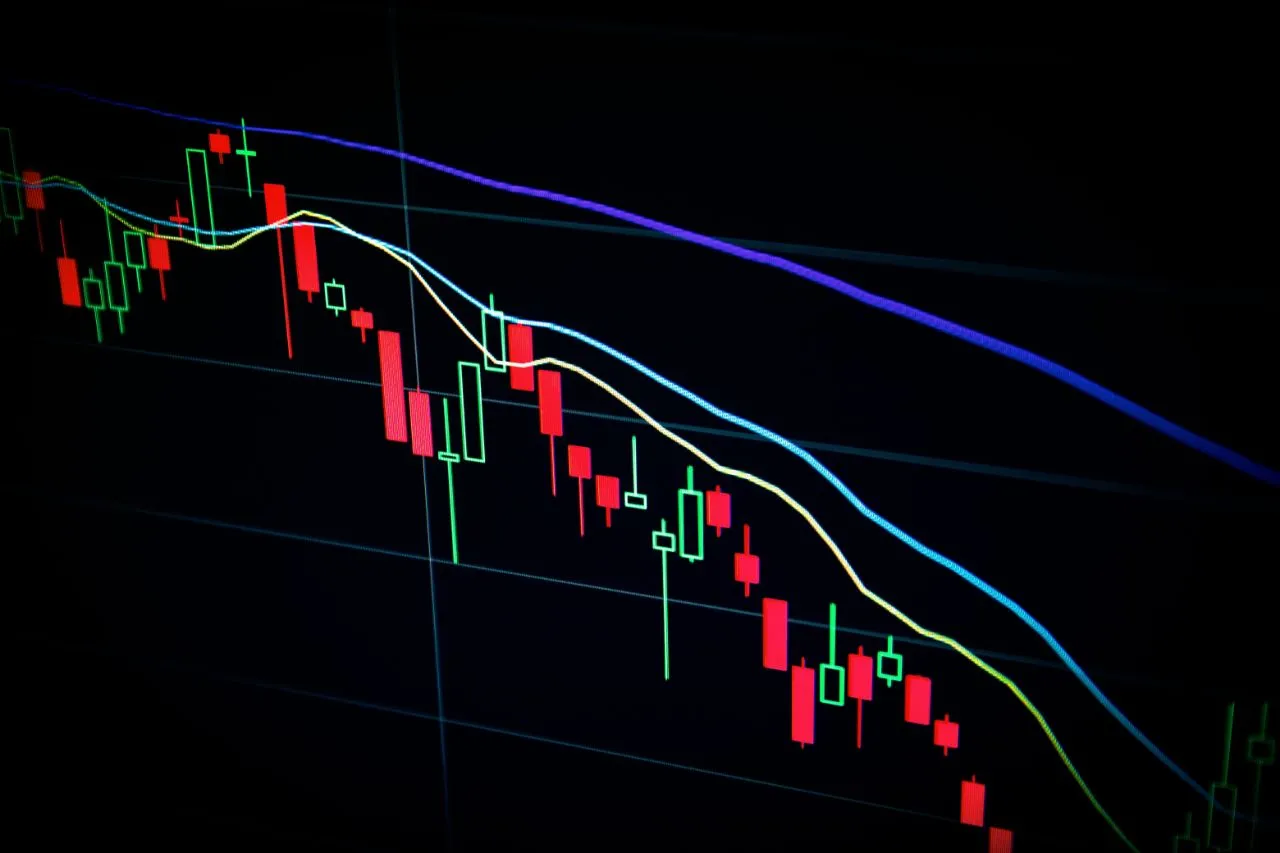
The U.S. Securities and Exchange Commission (SEC) approved the spot bitcoin exchange-traded fund (ETF) last Tuesday, prompting South Korean investors to flock to cryptocurrency exchanges to make transactions. However, the revenues recorded by these exchanges showed a mixed performance in response to this development due to their differing transaction fee policies, according to local news outlet DealSite on Monday.
https://asset.coinness.com/en/news/cf013a7eead4f3becf960b0a353a47e9.webp
Photo by Maxim Hopman on Unsplash

Trading volumes surge and retreat

According to crypto analytics platform CoinGecko, as of 9 a.m. on Jan. 12 (KST), Upbit's trading volume on Dec. 11 and 12 was approximately $5.1 billion and $6.1 billion, respectively, for a total of about $11 billion. During the same period, Bithumb recorded $2.6 billion and $2.4 billion, respectively, totaling nearly $5 billion. However, as of this writing at 11 a.m. on Jan. 15, Upbit’s 24-hour trading volume has dropped back down to $2.1 billion and Bithumb to $874 million.


"After the SEC's approval, crypto exchanges were simultaneously flooded with transactions," an anonymous industry employee commented. "Bitcoin and Ethereum were mainly traded."


Fee divergence

Although the ETF approval caused a general uptick in trading volumes, the amount of revenue that the exchanges earned from transaction fees varied. Upbit charges a fee of 0.05% for both buying and selling crypto, meaning the exchange made an estimated KRW 14.8 billion in revenue from the fees from Dec. 11 to 12.


Bithumb, on the other hand, hasn't earned any revenue from trading fees since its zero-fee policy was implemented in October last year. 


Bithumb had previously charged 0.25% for transactions and 0.04% with coupons. By implementing the former, the exchange lost about KRW 15.8 billion ($12 million) in revenue, and with the latter, it lost about KRW 2.5 billion. For crypto investors, Bithumb's zero-fee policy has made investing more accessible, but the exchange is unlikely to reap its own rewards.


Significant investor interest

Moreover, with trading for the spot bitcoin ETF beginning on the 11th, the influx of funds is expected to boost trading. "All told there were 700,000 individual trades today in and out of the 11 spot ETFs," Bloomberg ETF analyst Eric Balchunas told X (formerly Twitter). "For context, that is double the number of trades for $QQQ." $QQQ refers to the Invesco QQQ ETF.


According to an image that accompanied Balchunas’ post, the total trading volume across all 11 spot ETFs was reportedly $4.3 billion. Grayscale's GBTC had the highest volume at $2.1 billion, followed by BlackRock’s IBIT at $1 billion and Fidelity’s FBTC at $673 million.


More to Read
View All
Web3 & Enterprise·

Aug 01, 2023

Blockchain Solutions Provider Block Odyssey Launches NFT Ticket Service, “MakeDrop”

Blockchain Solutions Provider Block Odyssey Launches NFT Ticket Service, “MakeDrop”Korean blockchain solutions startup Block Odyssey said Monday it is launching an NFT-based ticket issuance service dubbed “MakeDrop” in an effort to revolutionize ticketing and event services in the era of Web3.Photo by Andrey Metelev on UnsplashLimitations of traditional digital ticketsUntil now, major ticket reservation platforms have made it challenging for event organizers to streamline the ticketing process for events such as corporate or campus gatherings, concerts, festivals, and more.Event organizers have thus had to manually send notifications via text messages and emails, print paper tickets, and directly manage overall ticket sales and distributions. The absence of tools to identify ticket holders from attendees also makes it difficult to accurately determine participation and contribution ratios.Blockchain meets ticketingBut with the rapid advancement of digitized ticket issuance, NFT tickets have been gaining traction as a transparent and secure solution to such challenges. These tickets are verified and stored on a blockchain, setting them apart from traditional forms of digital tickets such as barcodes.About MakeDropBlock Odyssey’s MakeDrop is an open service that allows anyone to easily create, issue, and manage one-of-a-kind NFT tickets with individual ownership rights and transaction history. If secondary ticket transactions occur, all ownership changes can be verified on the blockchain, making it possible to block attempts at fraudulent or repetitive secondary trading.The service is particularly convenient for users, as they can automatically generate a wallet address for storing their NFTs by logging in to social media accounts without having to install a separate cryptocurrency wallet.As for event organizers, they can swiftly issue mobile tickets without using third-party ticket reservation platforms. Ticket invitations are sent to recipients via KakaoTalk, South Korea’s most popular messaging app, making the service more accessible as well. Those who have not received an invitation can still apply for participation if the event is public. Upon acceptance by the organizer, they will receive an approval notification through KakaoTalk, Block Odyssey explained.Participants can then present the NFT ticket’s QR code on the day of an event, and organizers can conduct real-time validation using the QR check feature provided by MakeDrop.Notably, while traditional ticket reservation platforms often do not share ticket holder information with event organizers, MakeDrop allows independent information management for all events. This allows organizers to identify low-engagement or idle members and offer more benefits to loyal participants.As part of its website launch promotion, MakeDrop is currently holding an event to distribute 100,000 free NFT tickets. The company also plans to release a mobile app in the future after incorporating user feedback and enhancing functionalities.

news
Web3 & Enterprise·

Jun 12, 2023

Japan’s Mitsui Introduces Security Token Service to Sony Bank Customers

Japan’s Mitsui Introduces Security Token Service to Sony Bank CustomersAccording to a press release, Mitsui & Co. Digital Asset Management (MDM), a blockchain-based asset management company in Japan, forged a partnership with Sony Bank, a member of Sony Financial Group, to introduce its security token service, Alterna, to the Tokyo-based online bank’s clientele, beginning June 9.Photo by Aleksandar Pasaric on PexelsBank customersMDM aims to establish security token funds and offer them to Sony Bank customers via Alterna, aiming to facilitate stable asset accumulation. This partnership will allow Sony Bank to provide a broader range of financial services.Under the agreement, MDM has entrusted Sony Bank to handle the process of gathering customers interested in purchasing security tokens offered by Alterna. Sony Bank, as MDM’s first online banking partner, will introduce the security token service platform to its customers. MDM is responsible for designing and selling security tokens through Alterna, which will benefit Sony Bank customers.Alterna enables users to transfer funds to securities accounts on its platform without any charges, 24/7. Through the partnership, users can move funds from their Japanese yen deposit accounts at Sony Bank to the accounts available on the Alterna platform. This interlinking of securities and bank deposit accounts will furnish customers with a variety of options for asset accumulation through the use of security tokens.Savings to investmentsBoth MDM and Sony Bank plan to encourage a shift from savings to investments, exploring the development of security tokens and related initiatives.Alterna made its official debut last month, garnering more than 10,000 pre-registrants before its launch. Alterna enables individuals to invest in real-world assets, such as large-scale real estate properties, that generate stable rental income. With security tokens, the platform opens doors to previously inaccessible opportunities, requiring a minimum investment of 100,000 yen.

news
Policy & Regulation·

Sep 13, 2023

Compliance and Cooperation — A Necessary Formula for Combatting Crypto Crimes

Compliance and Cooperation — A Necessary Formula for Combatting Crypto CrimesFrom common scams like voice phishing to threats of violence, the involvement of cryptocurrencies in crimes against the general public is steadily on the rise both in South Korea and abroad.Photo by Bermix Studio on UnsplashAccording to blockchain data analysis firm Chainalysis, the scale of cryptocurrency-related crimes and hacking on a global scale has decreased by 45.2% and 23.5%, respectively, compared to last year. However, financial losses resulting from smaller ransomware attacks, including phishing scams, are showing an upward trend.Authorities and industry figures alike are increasingly emphasizing the need for close cooperation to combat this growing issue, as existing regulations and legal frameworks remain insufficient to do so.Chainalysis and crypto exchange Binance co-hosted a policy summit in Seoul on Tuesday called “Securing the Future of Crypto,” where experts gathered at the Courtyard Marriott hotel to discuss compliance and cooperation between the public and private sectors in fighting crypto crimes.Challenges and complexities in crypto investigations“The Korean National Police Agency receives dozens of reports of financial losses and urgent requests for account freezes every day, with 80% of them pertaining to Binance,” said Kim Min-jae, an investigator at the National Police Agency’s International Cyber Cooperation Division.Citing a recent case of a voice phishing scam targeting a woman in her 60s, Kim said that authorities were able to proceed with the investigation within 30 minutes after receiving information from the exchange. However, addressing crimes beyond large cryptocurrency exchanges like Binance, such as those involving decentralized finance (DeFi) systems or foreign exchanges, poses a more difficult challenge due to the lack of proper measures to deal with them.Lee Soo-pyeong, a cybercrime investigator at the Korean National Police Agency’s Cyber Investigation Division, also noted that although domestic cases are relatively easier to investigate, there have been many cases — such as the appalling Nth Room case that caused an uproar throughout Korea in 2020 — that involved overseas accounts and exchanges.Steps for effective crime controlWhat measures, then, should authorities and corporations take in order to deal with such issues? Lee stressed the importance of cooperation among international judicial bodies and adherence from businesses to enhance the response to increasingly sophisticated crypto crimes.Know Your Customer (KYC) standards — the guidelines used in investment and financial services to verify customers’ identities and assess their risk and financial profiles — play an important role in this regard. However, “There are no platforms yet, including major exchanges like Binance, that provide us with personal information through KYC measures when funds are laundered,” Kim explained. He expressed hopes for a system jointly established by relevant entities, including local exchanges, that will enable swift criminal investigation.Lee also highlighted the importance of compliance from foreign companies, stating, “While it’s possible to request mutual legal assistance in criminal matters from the International Criminal Police Organization (Interpol), active cooperation from foreign companies is essential.”From an international point of view, Jarek Jakubcek, Head of Intelligence and Investigations APAC at Binance, pointed out that upholding international standards and standardized processes is important, given the fact that crypto crimes transcend borders. While some countries excel in compliance and enforcing anti-money laundering (AML) policies, others fall short, leading criminals to exploit these disparities.Recently, there have been criminals who move their funds through blockchain networks. The development of bridge technology, which facilitates cross-chain asset transfers, has led to laundering techniques becoming more and more sophisticated. However, he assured that tracing funds is still possible, although doing so has become harder than before.The amalgamation of these circumstances has thereby ushered in the era of Know Your Transaction (KYT). While exchanges have traditionally been obligated to perform Know Your Customer (KYC) procedures to prevent money laundering, they must now go beyond verifying user information and analyze customer transaction data in order to understand where money is coming from and how it flows, Jakubcek said. To achieve this, he argued, they must request information from users and work with on-chain data analysis solution companies like Chainalysis to secure real transaction data. Alec Zebrick, Manager of Investigations in the Asia-Pacific region at Chainalysis, added that leveraging on-chain data allows the verification of most transactions.In the rapidly evolving crypto landscape where crimes are still a force to deal with, experts agree that reinforcing compliance and cooperation between exchanges and authorities is imperative.

news
Loading