Top

Night Crows MMORPG set for global launch next month with P2E features

Web3 & Enterprise·February 14, 2024, 6:17 AM

Night Crows, a massive multiplayer online role-playing game (MMORPG) set in 13th-century Europe with play-to-earn (P2E) features, is set to launch next month. This global release will be available in nine languages across 170 countries, except for South Korea and China, according to a recent press release by its South Korean operator, the blockchain game company Wemade.


European history with fiction

Developed by MADNGINE, Night Crows harnesses the power of Unreal Engine 5 to deliver highly realistic battles. The game merges elements of European history with fiction, creating a unique universe for players to explore. Within this universe, players can select from four classes and eight subclasses for their characters. Thanks to its inter-server technology, Night Crows enables over 1,000 players from three servers to combat against each other in the "Battlefront," as well as collaborate and trade at the "World Exchange."
https://asset.coinness.com/en/news/b367bee85b6f8e2adc8cd2c083913e63.webp
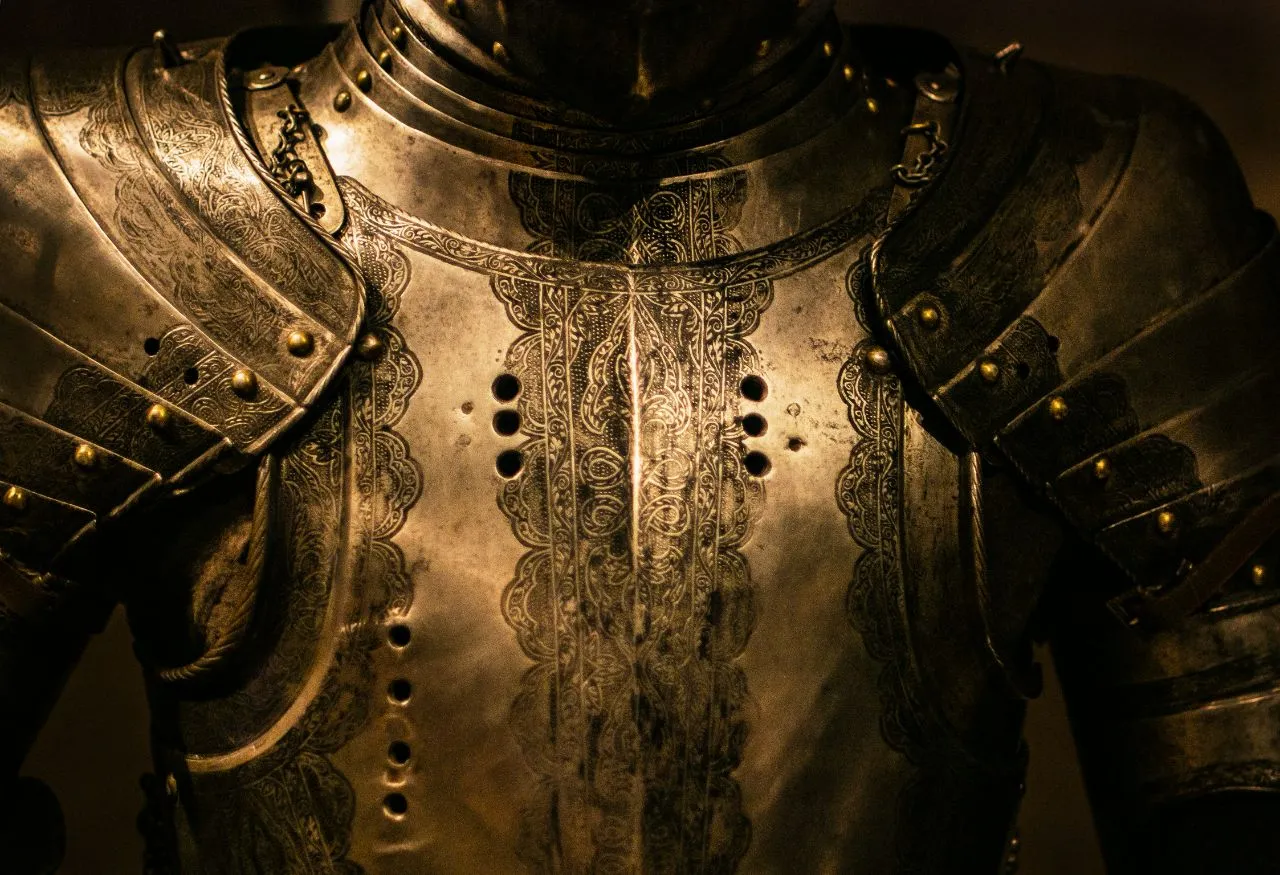
Photo by Nik Shuliahin 💛💙 on Unsplash

Blockchain-based economy

The March 12 worldwide launch of Night Crows incorporates the Multi Utility Token Economy (MUTE) within Wemade’s WEMIX 3.0 blockchain network. In this economy, users can complete requests to earn DIA, an in-game resource that can be used to mint Crow. The Crow token will serve as the base token for the game and will be supported on WEMIX Play’s GameFi platform.


Last month, Night Crows kicked off its pre-registration campaign to attract gamers from around the globe. The game will be available for pre-download on March 11 via Google Play, the Apple App Store and the web.


P2E games banned in Korea

Night Crows first made its debut in South Korea last April, where it quickly captured the interest of Korean gamers. However, the version released in Korea differs from the one planned for the global launch, as it lacks a blockchain-based economy. This absence is in line with the Game Industry Promotion Act in Korea, which prohibits the conversion of in-game resources, whether tangible or intangible, into money.


More to Read
View All
Web3 & Enterprise·

Sep 30, 2023

BIS Collaborates with Singapore’s MAS, Bringing CBDC Pilot to a Close

BIS Collaborates with Singapore’s MAS, Bringing CBDC Pilot to a CloseThe Bank for International Settlements (BIS) has recently signified the culmination of Project Mariana, a pilot initiative centered on exploring the cross-border trading and settlement of wholesale central bank digital currencies (CBDCs).Photo by Pixabay on PexelsUpdating financial market infrastructureThe bank of central banks published the findings of the project on Thursday. Conceived in partnership with the Monetary Authority of Singapore (MAS) alongside the central banks of France and Switzerland, the endeavor could have profound implications for the future landscape of financial market infrastructure.Project Mariana, conducted under the patronage of the BIS, harnessed principles gathered from the emerging world of DeFi to probe the viability of employing automated market makers (AMMs) for CBDC trading and settlement.The project involved three key facets:DeFi Ingenuity: Project Mariana took inspiration and cues from the DeFi universe, particularly AAMs, to streamline foreign exchange trading and settlement. This approach was designed to bolster market efficiency while curtailing settlement risks.Cross-Border CBDC Transactions: Hypothetical wholesale versions of the Swiss franc, euro, and Singapore dollar in CBDC form were tested for cross-border trading and settlement. The central banks of France, Singapore, and Switzerland orchestrated simulated transactions via AAMs to gauge feasibility.Interoperability and Token Standards: The project showcased the practical application of a standardized technical token format offered by a public blockchain, enabling seamless interoperability across various currencies. This interoperability element played a pivotal role in facilitating cross-border CBDC transactions.While the project represents a significant move forward for the BIS in its consideration of decentralized technology, the organization is still mindful that these decentralized tools are in their infancy and in need of further scrutiny and experimentation.With that, the BIS Innovation Hub has outlined its intent to further explore the prospective advantages and obstacles associated with DeFi-infused solutions within pertinent use cases going forward.Proof of conceptWhile the BIS and participating central banks were happy with the outcome of the project, the exercise was still a proof of concept and doesn’t mean there will be any immediate adoption of CBDCs by the participating nations.Rather, it spotlights the potentials of CBDCs and DeFi in streamlining financial transactions and enhancing efficiency. Central banks can oversee wholesale CBDCs without necessarily exerting control over the underlying infrastructure, thereby furnishing commercial banks with a potent tool for instantaneous FX trading and settlement while simultaneously mitigating credit and settlement risks.The project also shone a spotlight on certain challenges, including the logistical intricacies arising from the 24/7 availability of wholesale CBDCs. Nevertheless, the manifold advantages of instant foreign exchange trading and settlement appear to outweigh these hurdles.Central bankers are likely to want a different outcome from the use of this technology by comparison with those who are currently knee-deep in building out DeFi. One commentator on X had a cynical take on the project, stating: “Intermediaries attempting to justify their existence in an age with bitcoin.”Notwithstanding that, FX is the largest financial market in the world, where $7.5 trillion in value is traded every day. To utilize DeFi technology in that context would likely be profound, regardless of the nature of the application of the technology.

news
Policy & Regulation·

Sep 27, 2023

Upcoming Regulatory Framework in Taiwan Sees Crypto Exchanges Unite

Upcoming Regulatory Framework in Taiwan Sees Crypto Exchanges UniteIn preparation for the impending arrival of a regulatory framework for cryptocurrencies in Taiwan, nine prominent cryptocurrency firms have announced their collective efforts to establish an industry association.The nine exchange businesses announced the development via a press release which was published on Tuesday. The move comes in anticipation of Taiwan’s Financial Supervisory Commission (FSC) releasing comprehensive guidelines on cryptocurrency trading and payments by the end of September.Photo by Timo Volz on UnsplashDeveloping regulatory environmentThe industry body will include participation from native exchanges such as MaiCoin, BitoGroup, and ACE. While Taiwan has been behind the regulatory curve until now where crypto is concerned, the one measure that the FSC had already taken steps to mandate was that virtual asset services providers (VASPs) in Taiwan must adhere to the country’s anti-money laundering (AML) regulations. However, numerous other intricacies unique to the cryptocurrency industry still require careful consideration and regulation.Authorities in Taiwan have also put forward ten guiding principles for VASPs, designed to protect Taiwanese consumers.The forthcoming guidelines aim to address these concerns by introducing a comprehensive set of rules inspired by the VASP licensing framework in Hong Kong. One of the primary focuses of these proposed guidelines is consumer protection. They advocate for specific hot and cold wallet ratios for customer deposits with cryptocurrency exchanges, a measure designed to safeguard customer funds. Additionally, the guidelines suggest mandatory insurance against user losses to further enhance consumer confidence.Moreover, the FSC’s guidelines intend to prevent offshore cryptocurrency exchanges from operating onshore in Taiwan without proper compliance registration. This step aims to ensure that all participants in Taiwan’s cryptocurrency market adhere to uniform standards.In a bid to stabilize the Taiwanese financial system and prevent deceptive advertising practices, the guidelines also propose a ban on stablecoins linked to the Taiwanese dollar and impose restrictions on foreign exchange advertising within the country.Enabling self-regulationRegulators have also proposed the classification of crypto regulations within their own novel business category. As part of that initiative, officials expressed an interest in fostering self-regulation. The formation of this industry group could be deemed to be an encouraging sign relative to that aspiration.The nine cryptocurrency firms forming the industry association have established a working group led by Winston Hsiao, Co-Founder of XREX. This group aims to expedite the development of self-regulatory rules based on the forthcoming FSC guidelines.Wayne Huang, another Co-Founder of XREX, expressed his hope that the new FSC guidelines will provide the cryptocurrency industry with legitimacy, oversight, a clear growth trajectory, and an accelerated path to earn public trust.The formation of this industry association, coupled with the impending release of the FSC’s comprehensive regulatory guidelines, marks a significant milestone for Taiwan’s cryptocurrency sector. As the industry evolves, these proactive measures seek to ensure its stability, security, and compliance with international standards.

news
Web3 & Enterprise·

Dec 20, 2023

Alchemy Pay plugs into Worldpay’s payment rails

Singaporean fintech Alchemy Pay, specializing in crypto payments, has inked a partnership with Worldpay, a well-known payment processor based in the United Kingdom.Photo by Markus Winkler on Unsplash More seamless crypto transactionsThe collaboration, announced on Tuesday, enables Alchemy Pay users to leverage Worldpay’s extensive Visa and Mastercard payment rails, facilitating more seamless cryptocurrency transactions via credit and debit cards. In addition, the parties have agreed that at some stage in the future, Worldpay’s payment channels will add support for Alchemy Pay’s NFT Checkout.Robert McCracken, the Ecosystem Lead at Alchemy, expressed the strategic advantage of the partnership, stating:“Alchemy Pay is now better positioned to assist our business partners and users in seamless cryptocurrency transactions worldwide.”This move aligns with Alchemy Pay’s broader mission of promoting global adoption of digital assets by connecting fiat to the Web3 economy.Nabil Manji, Head of Crypto and Web3 at Worldpay, emphasized the alignment of goals between the two entities. He stated: “Alchemy Pay’s mission to promote global adoption of digital assets by connecting fiat to the Web3 economy is aligned with Worldpay’s role in bridging the gap between traditional and digital finance.”Founded in 2018, Alchemy has established itself as a fiat-to-crypto onboard processor, supporting over 50 fiat currencies through platforms like Google Pay, Apple Pay and various mobile wallets. Licensing driveThe announcement follows Alchemy’s recent acquisition of a money service license in the U.S. state of Iowa on Nov. 23, building on its approval for a similar license in Arkansas in September. The firm has indicated that not only does it have other state licensing applications in the works but that it expects to be in a position to announce further approvals over the coming weeks.The Singaporean company has also been paying attention to licensing requirements elsewhere. In February Alchemy, alongside fintech firm PT Berkah Digital, jointly obtained licensing from the Central Bank of Indonesia. Pursuing collaborationsAlchemy Pay has had a steady stream of announcements relating to industry partnerships in 2023. In July it inked a deal with Checkout.com, allowing the firm to integrate Checkout.com’s Visa and Mastercard channels into its on and off-ramps.In recent weeks, the company introduced new payment options, linking in with Single Euro Payments Area (SEPA) Instant in Europe and the Faster Payments platform in the United Kingdom. Alchemy Pay also struck up a deal with self-custody crypto wallet Trust Wallet. It meant that Trust Wallet’s 70 million users could execute crypto transactions directly with fiat payments.Back in May, the payments gateway announced the provision of a rupee-denominated on-ramp via India’s UPI real-time payments system. Worldpay integrationsWorldpay, owned by Fidelity National Information Services (FIS), has been actively integrating with Web3 technologies. In July 2021, the firm partnered with OKCoin to provide infrastructure for the exchange’s fiat-to-crypto onboarding.Additionally, in October 2022, the digital asset custody platform Fireblocks launched a new payment engine for merchants, with Worldpay serving as one of the pilot partners alongside Checkout.com.

news
Loading