Top

Korean tax agency’s move hints at approving corporate crypto accounts

Policy & Regulation·March 18, 2024, 3:52 AM

The South Korean National Tax Service (NTS) is reportedly in the process of setting up virtual asset accounts for its district offices. This initiative is aimed at confiscating and liquidating the digital assets of individuals who fail to pay their taxes. This move comes after the creation of similar accounts by public prosecutors' offices, leading to speculation in the crypto industry that virtual asset accounts will soon be allowed for corporate entities as well.
https://asset.coinness.com/en/news/9eb900737759003ae81c94d4bb17ec46.webp
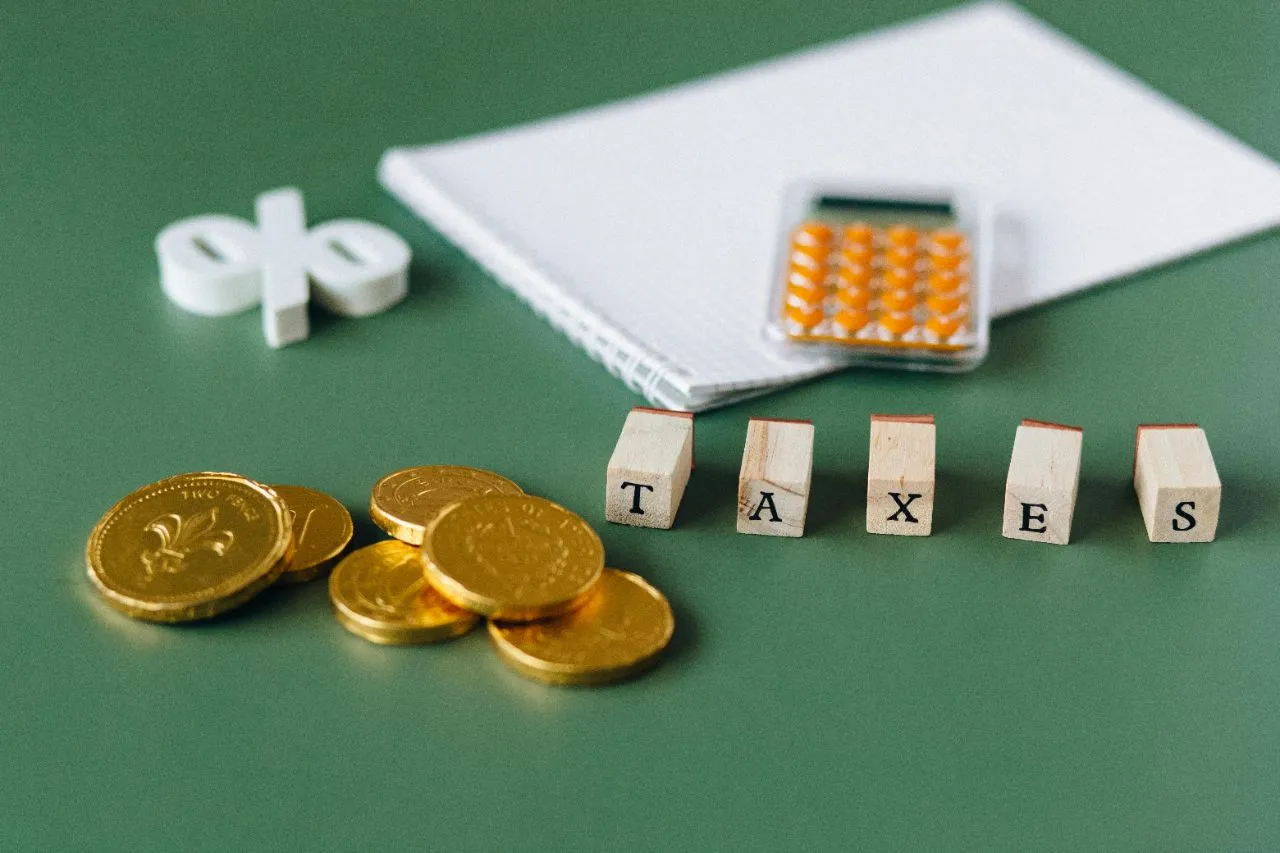
Photo by Nataliya Vaitkevich on Pexels

Direct confiscation of virtual assets

A report by the local news outlet Etoday today has revealed that each district office of the NTS is working towards establishing a virtual asset account. This development will empower the tax agency to directly sell virtual assets confiscated from tax delinquents. Previously, the NTS would freeze the accounts of overdue taxpayers at Korean cryptocurrency exchanges, compelling them to convert their assets into Korean won. These funds were then confiscated by the NTS. The new initiative is set to streamline the process, enabling the tax authority to directly confiscate virtual assets without the intermediary step of conversion to Korean won.


Speaking about this development, an NTS officer said that as each district office director holds the authority to collect taxes from taxpayers with overdue payments, it's necessary for each office to have its own account. 


Prosecutors’ Offices’ Upbit and Bithumb accounts

The crypto industry views this development as a potential step towards allowing the creation of virtual asset accounts for corporate entities, starting with government agencies. In December, the prosecutors' offices established their entity accounts at major cryptocurrency exchanges Upbit and Bithumb. Since then, the prosecution has utilized these accounts to sell confiscated virtual assets, aiming to recover funds that had not been collected. 


An official from a cryptocurrency exchange indicated that the South Korean government is currently focusing on allowing entities that serve the public good to own virtual asset accounts. This approach is seen as the starting point, with expectations that the trend will gain momentum in the future. The official added that it's rare for the government to provide blanket permissions from the outset, suggesting a gradual and cautious approach to the integration of virtual asset accounts.


Money laundering concerns

Meanwhile, the Financial Intelligence Unit (FIU) of the Financial Services Commission (FSC), along with other financial regulators, has remained silent on the matter of virtual asset accounts for corporate entities. This reticence stems from concerns with the financial authority that the introduction of corporate crypto accounts could potentially lead to money laundering and the creation of slush funds. An official from the National Assembly’s National Policy Committee said that they have not received any comments from the financial authority in response to inquiries about plans to allow such accounts for corporate entities.


The current law doesn’t prohibit corporate entities from trading virtual assets. However, under the auspices of the financial authority, banks have refrained from offering real-name accounts to corporate entities. This policy has been a point of contention within the crypto industry. Advocates argue that allowing corporate accounts could mitigate issues of market manipulation and challenge the dominance of Upbit in the Korean cryptocurrency market. 


The official from the cryptocurrency exchange pointed out that the financial authority does not have a clear legal basis for prohibiting the creation of corporate crypto accounts. They suggested that the regulator should develop clearer guidelines and enforce these rules for corporate entities. 


More serious discussions in April

More serious discussions about the introduction of corporate crypto accounts are anticipated to take place in April, following the conclusion of the general election. Last month, the main opposition party, the Democratic Party of Korea, made election promises to open the crypto market to institutional investors. Meanwhile, the ruling People Power Party has been quietly deliberating on virtual asset policy. Despite these political movements, earlier reports indicate a disconnect between the political parties' efforts to relax crypto regulations and the financial regulator's stance.


Meanwhile, Hwang Seok-jin, a professor at Dongguk University’s Graduate School of International Affairs and Information Security, expects to see a conclusion on the permission of corporate crypto trading by the end of this year. He said that there has been ongoing discussion about the approval of spot Bitcoin exchange-traded funds (ETFs) and that allowing the trading of such funds requires the ownership of virtual assets by institutions. 



More to Read
View All
Policy & Regulation·

Nov 01, 2023

Terraform Labs seeks summary judgment to dismiss SEC allegations

Terraform Labs seeks summary judgment to dismiss SEC allegationsLawyers representing bankrupt Singaporean crypto firm Terraform Labs and its co-founder, Do Kwon, have requested a summary judgment from a New York judge in their legal battle against the United States’ Securities and Exchange Commission (SEC).If granted, such a dismissal could potentially spare them from a full-blown trial. In their motion, the legal team argued vehemently that they are innocent of the SEC’s allegations, maintaining that the regulator has failed to provide any compelling evidence of wrongdoing.Photo by Bermix Studio on UnsplashDefining a securityThe motion, which was filed last Friday in the U.S. District Court for the Southern District of New York, asserts that the implicated cryptocurrencies of Terra Classic (LUNC), TerraClassicUSD (USTC) and Mirror Protocol (MIR), together with its Mirrored assets (mAssets), are not securities as claimed by the SEC in its complaint.The heart of the matter revolves around the SEC’s assertion that Terraform Labs offered or sold securities, a claim vehemently denied by the defendants. The SEC initially brought the case in February, referencing algorithmic stablecoin TerraUSD, which famously collapsed in May 2022.Lawyers claim case is unsubstantiatedBoth Kwon and Terraform Labs’ attorneys argued that despite over two years of investigation, more than 20 depositions, and the exchange of a staggering two million pages of documents, the SEC’s case remains unsubstantiated.The SEC’s original complaint in February accused Kwon and Terraform of raising substantial sums from investors by offering and selling an inter-connected suite of crypto asset securities, many of which were unregistered transactions. SEC Chair Gary Gensler added that Terraform and Kwon had failed to provide investors with full disclosures, notably concerning LUNA and TerraUSD.A key element of the dispute centers on the SEC’s allegation that Kwon and Terraform moved millions of dollars into Swiss bank accounts for personal gain. According to the agency’s complaint, the company and Kwon transferred 10,000 bitcoins to a financial institution based in Switzerland. The legal team representing Kwon and Terraform vehemently denies this allegation, characterizing it as baseless and unfounded.Flawed stablecoin designAlgorithmic stablecoins, such as TerraUSD, operate using market incentives via algorithms to maintain a stable price. Terra was tied to Luna, a governance token, in an attempt to stabilize prices. Unfortunately, the collapse of TerraUSD in 2022 destroyed in excess of $40 billion in value held by investors. It also had a domino effect, leading to a series of other crypto platform collapses later in 2022.Judge Jed Rakoff, presiding over the case in the Southern District of New York, had previously denied an attempt by Terraform Labs and Kwon to have the case dismissed. This new motion for summary judgment represents their latest effort to put an end to the legal proceedings.In a separate but related action, lawyers representing Terraform Labs Co-Founder Daniel Shin asserted that Shin played no role in the collapse of TerraUSD. In a Seoul district court, they emphasized that Shin had nothing to do with the collapse despite being indicted in South Korea in April on various charges, including fraud.

news
Policy & Regulation·

Oct 31, 2023

Indonesia Sees Further Crypto Investor Growth

Indonesia Sees Further Crypto Investor GrowthRecent data released by the Commodity Futures Trading Supervisory Agency (Bappebti) underscores the robust growth of the crypto investment landscape in Indonesia.Photo by Nick Agus Arya on Unsplash10.1% year-on-year increaseAccording to reports published in recent days in local media, as of September 2023, the country boasts 17.91 million crypto investors, marking a noteworthy 0.67% uptick compared to the previous month of August, which registered 17.79 million individuals.Over the span of a year, from September 2022 to September 2023, the Southeast Asian nation witnessed an influx of approximately 1.64 million new crypto investors, showcasing a remarkable 10.1% increase from the 16.27 million reported in September 2022.Emerging from a slowdownWhile this growth signals a positive trend, a noteworthy observation pertains to the deceleration in crypto investor growth from October 2022 to August 2023. The data reveals that during this period, the increase in the number of crypto investors in Indonesia never exceeded 1%. This slowdown can be attributed to the global crypto market’s trend characterized by uncertainty and a downward trajectory.Tirta Karma Senjaya, Head of the Bappebti Commodity Futures Trading Development and Development Bureau, comments on this phenomenon, stating, “Growth in the number of crypto investors in Indonesia continues to increase, but investors are still looking for the right time to buy crypto.”Furthermore, Bappebti highlights a reduction in the value of crypto transactions in Indonesia for September 2023, amounting to IDR 7.96 trillion ($502 million). This marks a decrease of 25.2% when compared to the preceding month, which recorded a total of IDR 10.64 trillion. In contrast to the previous year, this decline reflects a substantial 54.7% contraction from the September 2022 figure of IDR 17.57 trillion.Yudhono Rawis, CEO of Tokocrypto, an Indonesian crypto exchange platform, suggests that global conditions, including economic and regulatory uncertainties, have significantly impacted the crypto market’s evolution, both within Indonesia and worldwide. Despite the recent slowdown in growth, Indonesia’s crypto market continues to exhibit considerable potential.Bitcoin resurgenceYudhono remains optimistic, anticipating that the growth and trading volumes of crypto assets in October will surpass previous records. This optimism stems from the surge in Bitcoin prices, which soared in excess of $35,000 (approximately IDR 556.5 million) towards the end of October. This milestone marks Bitcoin’s highest point in nearly 18 months and signifies a mounting interest in the crypto market on a global scale.In a statement to Voice of Indonesia, Yudhono stated:“We are confident that the growth of investors and transactions will continue to increase. The increase in Bitcoin prices and increasingly strong interest in the crypto market in general are indications that these digital assets are increasingly accepted by society. We hope that this trend will continue and bring benefits to the entire ecosystem crypto.”The crypto investment sector in Indonesia continues to experience steady growth, albeit amid global market fluctuations. With Bitcoin’s resurgence and a growing appetite for digital assets, the outlook for Indonesia’s crypto market is positive.

news
Web3 & Enterprise·

Mar 09, 2024

Nissan delves into metaverse on a heritage and safety theme

On March 7, Nissan Motor Co. introduced an innovative metaverse experience titled the "Heritage Cars & Safe Drive Studio," blending elements of automotive history with interactive safety education.Photo by Matthijs Waanders on UnsplashMarking 90 years in businessThe studio, launched to commemorate Nissan's 90th anniversary, features three iconic models from the company's past, recreated in virtual environments to reflect their respective eras. Among the showcased vehicles is the Silvia Q’s S13, renowned globally for its role in drifting culture. Users can explore this historic car from the 1980s while learning about the influence of pedestrian clothing colors on driver visibility. In another exhibit, users engage in a mini-game designed to educate on driver field-of-view and the impact of multitasking on safety. Alongside, the Skyline 2000GTX-E, famous for its presence in popular media like the Gran Turismo video game series and Fast and Furious movies, adds a touch of nostalgia and excitement, transporting users to the 1970s era. In a 1950s and 60s American diner and drive-in theater setting, the final exhibit offers a hands-on steering wheel spin exercise. These experiences aim to merge Nissan's heritage with vital safety knowledge, such as understanding the significance of pedestrian attire and the dangers of distracted driving. Developed in collaboration with Japanese university researchers, these immersive experiences are accessible through Meta Quest headsets, marking Nissan's continued exploration of virtual and augmented reality for customer engagement and education. Previous forays into the metaverseThis initiative aligns with Nissan's ongoing efforts to enhance its presence in the metaverse. It’s not the carmaker's first rodeo where the metaverse is concerned. It introduced its first virtual test drive and a virtual unveiling of its Sakura model in 2022. That same year, the company suggested it was interested in providing more in the way of virtual events, even going as far as to suggest the development of virtual customer support offices for clients. It followed that up in December 2023 with a revamp of four existing metaverse worlds, a project that also formed part of its 90th-anniversary celebrations. Nissan's latest foray into the metaverse coincides with advancements in augmented reality (AR) and virtual reality (VR) hardware. The recent launch of Apple's inaugural mixed-reality headset in February 2024 signals intensified competition among tech giants like Meta and Microsoft, who have been gradually expanding into consumer and enterprise AR/VR markets over the past decade. Broader auto industry interestNissan isn’t alone in the auto industry in taking initial steps into the metaverse. Rival Toyota has taken a different approach, pursuing an interest in creating remote workspaces for staff so that meetings can be held in the metaverse. Hyundai experimented with entering the metaverse as early as 2021. Through a partnership with Naver Z, the company offered virtual test drives of its Sonata model. Meanwhile Renault Korea has tipped its toes in the metaverse by offering consumers the ability to custom-build virtual cars on a metaverse platform. Through these metaverse updates, Nissan aims to stay at the forefront of automotive innovation, utilizing immersive experiences to engage customers and promote safety awareness in an increasingly digital world. 

news
Loading