Top

Coinbase Wallet and TransFi partnership expands crypto accessibility in Asia

Web3 & Enterprise·May 13, 2024, 3:14 AM

TransFi, renowned for its global payment solutions, is collaborating with Coinbase Wallet to streamline the process of purchasing cryptocurrencies, with a particular focus on enhancing user experience in Asia.

https://asset.coinness.com/en/news/4c73b012741997d2f315548f65c968dc.webp
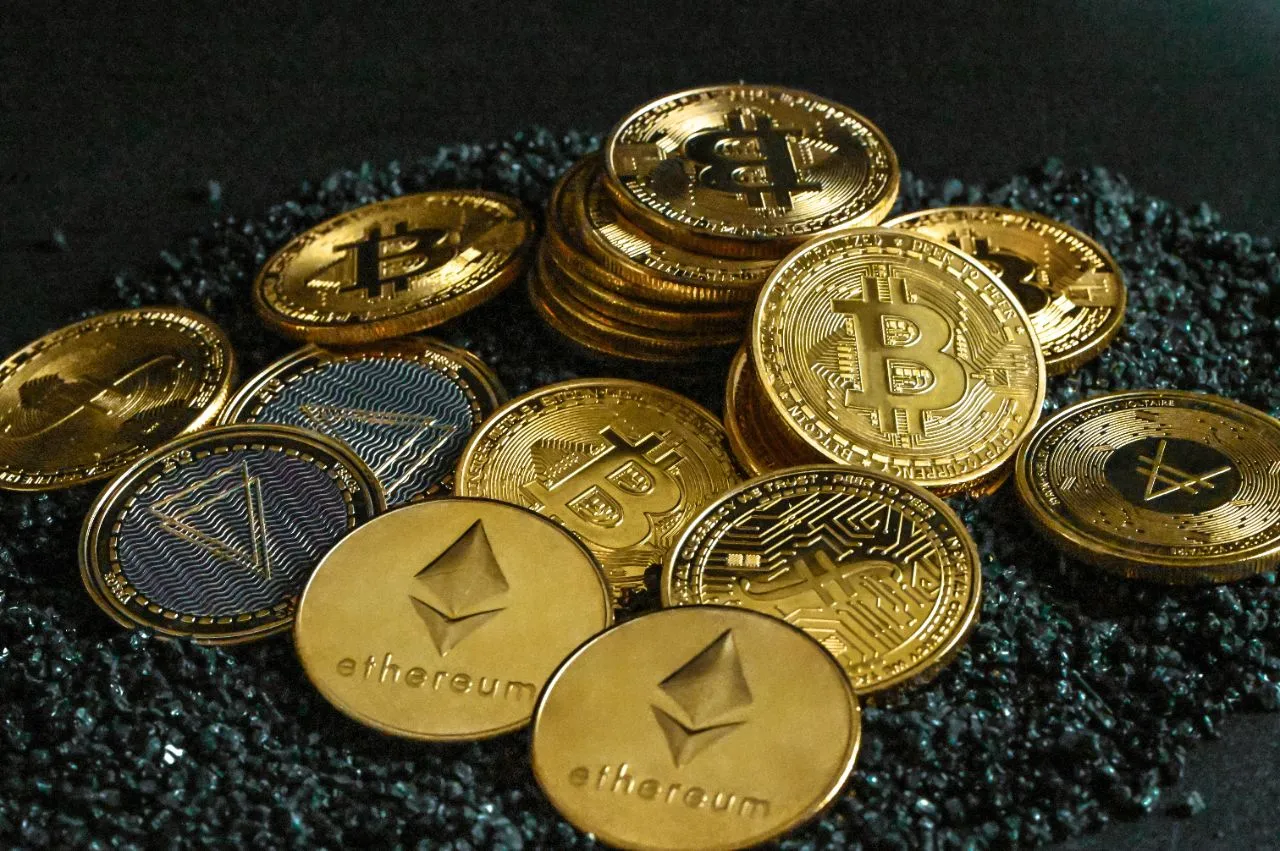
Photo by Traxer on Unsplash

Facilitating seamless onboarding

By integrating with Coinbase Wallet, TransFi aims to simplify the onboarding process for businesses and individuals, ultimately fostering greater adoption of cryptocurrencies in the region. This strategic integration is designed to eliminate barriers to entry and make cryptocurrency transactions more efficient and accessible.


Enhanced payment options across Asia

In a significant move, users in the Philippines, Vietnam and Indonesia now have access to expanded payment options through Coinbase Wallet. In the Philippines, GCash and PayMaya, popular digital payment platforms, have been integrated, while Vietnam sees the addition of Viet QR, Momo and Viettel Pay. Indonesian users can utilize OVO and Dana, leading payment apps in the country. These partnerships leverage existing, widely-used payment infrastructures to provide users with more convenient avenues for purchasing cryptocurrencies.


The expansion into the Asian market reflects the growing demand for cryptocurrencies in the region and highlights Coinbase's commitment to broadening its reach by collaborating with local payment services. This trend underscores the increasing integration between crypto platforms and local payment solutions, signaling a positive trajectory for cryptocurrency adoption across Asia.


More to Read
View All
Web3 & Enterprise·

Jul 10, 2023

DeSpread and Crypto Times Team Up to Bridge Blockchain Information Gap in Korea and Japan

DeSpread and Crypto Times Team Up to Bridge Blockchain Information Gap in Korea and JapanDeSpread, a Web3 consulting company based in South Korea, has announced a partnership with Crypto Times, a blockchain media outlet owned by Japanese digital media company Rokubunnoni. The goal of this collaboration is to tackle information asymmetry in the blockchain industries of both countries and expand their global blockchain services.Photo by Ketut Subiyanto on PexelsLeveraging respective expertiseDeSpread intends to leverage its knowledge of the Korean and global markets to assist international Web3 projects in entering the Japanese market, with the ultimate aim of integrating the global Web3 industry into Japan. Recognizing Crypto Times’ thorough understanding of the Japanese market and its culture, DeSpread has chosen to collaborate with them.Sharing market analysesAs part of their partnership, both companies will localize their research reports on a regular basis to share market analyses of the two countries. To start off, Crypto Times will distribute a paper related to the latest trends of zkSync for free. Subsequent papers will be published on DeSpread’s Scribe channel on the digital content monetization platform Access Protocol.The collaboration also aims to provide a comprehensive consulting and marketing solution for Web3 projects seeking to expand into Korea, Japan, and other markets.Creating synergiesRokubunnoni Co-founder Shingo Arai expressed his belief that the cooperation between DeSpread and Crypto Times will create synergies within the Korean and Japanese blockchain industries. Arai expects that the combined expertise of the two firms will offer valuable insights into the Web3 market, delivering new perspectives. He also highlighted that Crypto Times’ research platform, CT Analysis, will improve its services and provide a greater variety of content to its readers, further contributing to the Japanese crypto market.Echoing similar sentiments, Earl Cho, the head of the Japanese business division at DeSpread, emphasized that the collaboration will facilitate the entry of more Web3 companies from Korea and abroad into the Japanese market. Cho expressed hope that this opportunity would unite the efforts of both countries, enabling the East Asian market to better connect with the global market in the Web3 sphere and positioning East Asia as a leader in the crypto industry.

news
Policy & Regulation·

Sep 19, 2023

Rising Cryptocurrency Arbitrage Transactions Raise Concerns in South Korea

Rising Cryptocurrency Arbitrage Transactions Raise Concerns in South KoreaThe number of arbitrage transactions between South Korean and foreign cryptocurrency exchanges has been experiencing a notable uptick, according to a report by local media outlet Maeil Business Newspaper.In recent developments, foreign actors engaging in price manipulation have been transferring substantial amounts of cryptocurrency assets to Korean exchanges, driving up prices. Subsequently, they transfer these tokens from Korean exchanges back to overseas platforms, capitalizing on the price discrepancies to generate profits.Photo by Maxim Hopman on UnsplashBithumb’s case in H1According to documents submitted to Kim Hee-gon, a member of the ruling political party People Power Party, on Monday, KRW 3.4 trillion ($2.6 billion) worth of tokens were moved from Bithumb, a leading Korean cryptocurrency exchange, to foreign trading platforms during the first half of this year. Although this figure marks a 40% decrease compared to H1 2022’s KRW 5.7 trillion, primarily due to the significant decline in token prices across the cryptocurrency market, it’s noteworthy that the number of transactions has seen a significant increase.Other exchangesGopax, another major exchange in the nation, recorded token outflows totaling KRW 12.3 billion. On the other hand, Upbit, Coinone, and Korbit, which are also prominent exchanges, declined to provide data due to reasons like confidentiality concerns. However, given that Upbit holds an 82.0% share of the Korean crypto market, nearly four times larger than Bithumb’s share (14.2%), it is suspected that the volume of tokens transferred from Upbit to foreign platforms would likely have followed a similar proportion.While the value of tokens sent from Bithumb to overseas operators saw a year-over-year decrease, the number of transactions surged to 231,302, nearly doubling the figure of H1 2022’s 124,048 transactions. The average transaction size was KRW 14.7 million.Even though the overall enthusiasm for cryptocurrencies might have cooled off since last year, the spike in the number of transactions suggests that there’s been a surge in arbitrage trading between Korea and foreign markets.Kimchi premiumEarlier this month, a significant transaction caught the eye of cryptocurrency market observers in South Korea. On September 1, crypto data analytics firm Arkham identified that 170,000 CyberConnect (CYBER) tokens were transferred to Bithumb from a crypto wallet thought to be owned by DWF Labs, a firm specializing in cryptocurrency trading and investment. The timing of the transaction coincides with a period during which the Kimchi premium for CYBER exceeded 100%. The Kimchi premium refers to the crypto price gap between Korean exchanges and their foreign counterparts.The complicating factor here is that DWF Labs is a foreign entity that is managed by a foreign team.The use of corporate accounts is virtually prohibited in the Korean crypto market. The Travel Rule mandates that any transfers of tokens between Korean and international exchanges must go through accounts that have been verified under Know Your Customer (KYC) guidelines. Given these regulations, there are growing suspicions within the crypto community that foreign venture capitalists may have used accounts in borrowed names to conduct sales on Korean exchanges, which are restricted to Korean citizens. However, it’s worth noting that there is currently no legal basis for taking punitive action even if borrowed-name accounts were indeed used.Lawmaker Kim commented on the limitations of current financial regulations aimed at preventing money laundering in the cryptocurrency market. Despite efforts by financial authorities, including the introduction of the Travel Rule, Kim stated that these measures have not been very effective. He emphasized the urgency of enhancing the regulatory framework to curb potential illicit activities involving cryptocurrencies, such as those exploiting market arbitrage opportunities.

news
Web3 & Enterprise·

Sep 15, 2023

Swing Launches Blockchain-Based Service to Offer Financial Incentives for Scooter Riders

Swing Launches Blockchain-Based Service to Offer Financial Incentives for Scooter RidersSwing, a South Korean personal mobility startup, announced today the launch of “Swing by Boats,” a blockchain-based asset tracking system, in collaboration with blockchain company Block Odyssey. Developed by Block Odyssey, Boats completed a proof-of-concept (PoC) test with a commercial bank to validate the feasibility of the technology.Photo by Sergey Lapunin on UnsplashFinancial incentives for scooter investmentsSubscribers of Boats now have the option to invest in electric scooters operated by Swing. For those who choose to purchase these scooters, Swing offers a financial incentive: an average return rate of 7.5% on the purchase price, paid out over a period of 30 months. In addition, buyers will receive a complimentary one-hour ride on Swing mobility devices. Each scooter available for purchase through Boats is priced at KRW 750,000 (approximately $564). At the end of the 30-month period, Swing commits to buying back the scooter from the purchaser.Simulation program to earn pointsBoats subscribers now have access to a scooter simulation program known as Swing Miles. Within this program, subscribers can assign one of the scooters operating on the Swing platform as their own. They can then monitor various performance metrics such as mileage, routes taken, and payment rates for their designated scooter. Whenever other riders use that specific scooter, the subscriber earns 10% of the payment made by those riders, awarded as Swing Points. These points can be redeemed like cash for services or devices within the Swing app. Before launching Boats, the company conducted a two-month beta test to enhance the service’s quality and accuracy.Jung Sung-ha, an official at Swing, explained that although the newly launched program does offer an average return rate for users, it is primarily aimed at scooter riders rather than professional investors. Jung noted that riders can directly invest in scooters and enjoy the service as if it were a game. According to Jun, the company plans to use the point system as a way to boost customer engagement.

news
Loading