Top

KuCoin Halts Bitcoin and Litecoin Mining Pools Amidst Strategic Shift

Web3 & Enterprise·August 03, 2023, 12:16 AM

In an announcement on Tuesday, Seychelles-based cryptocurrency exchange KuCoin revealed its decision to temporarily suspend its Bitcoin and Litecoin mining pools, effective from 16:00:00 on August 15, 2023 (UTC).
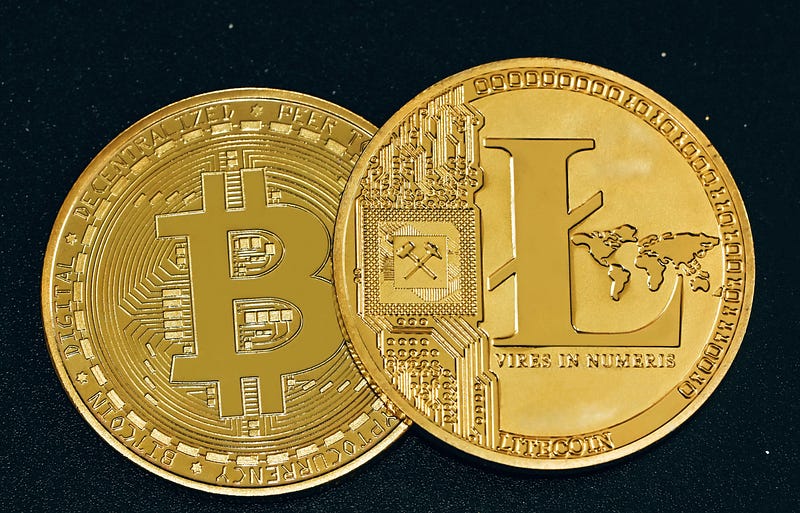
Photo by Traxer on Unsplash


Changing business strategy

This move is attributed to KuCoin’s evolving business strategy, although specific details remain undisclosed. The exchange expressed its regret for any inconvenience caused and extended gratitude for users’ continued support.

It appears that the company wants to focus on core business activities and for that reason, it’s terminating its mining pool activity. That said, the discontinuation was described in its statement as being “temporary” although that has been left open-ended with no indication of if or when it would bring the service back into operation.

The company is open to the idea of revisiting the facilitation of mining pools in the future. “We will see if it is needed to restart based on the market and users’ demand in the future,” a spokesperson for the company told The Block.

To ensure miners’ uninterrupted earnings during the suspension, KuCoin advised users engaged in cryptocurrency mining to transition their Bitcoin (BTC) and Litecoin (LTC) miners to alternative mining pools before the specified suspension date. Additionally, the exchange emphasized the importance of backing up and preserving mining records and related data, recommending users complete these actions before August 27.

Presently, the KuCoin Bitcoin mining pool maintains a hash rate of 9.08 exahash per second (EH/s), while the Litecoin pool operates at 3.90 terrahash per second (TH/s). These figures contribute to the broader hash rate landscape, where the entire Bitcoin network boasts a hash rate of 349.19 EH/s, compared to the Litecoin network’s 792.16 TH/s.


Workforce reduction

It is clear that the company is in the process of adjusting to current market conditions. Last week, rumors surfaced of a plan to effect a workforce reduction. That prompted KuCoin’s CEO Johnny Lyu to respond, clarifying that the exchange’s operations are running smoothly. Dismissing layoff speculation, Lyu highlighted the exchange’s steady expansion and strong growth as demonstrated by the H1 2023 report. The report showcased an increase in users and new listings, underscoring the platform’s vitality and development.


Mandatory KYC

In recent months, KuCoin has also implemented mandatory Know Your Customer (KYC) requirements, obligating users to undergo verification processes. Existing customers who fail to complete KYC procedures will be unable to make deposits. With over 20 million registered accounts, the exchange felt that it needed to improve on its level of regulatory compliance and security measures.

It’s highly likely that an action taken by authorities in New York in the United States in March prompted KuCoin’s decision to tighten up on KYC. At that time, the New York Attorney General said that action was being taken against KuCoin due to its failure to register as a securities and commodities broker-dealer.

As KuCoin undergoes these changes, the suspension of its mining pools raises questions about the broader implications for its business strategy and the potential impact on miners within its ecosystem. That said, the firm is not alone in making changes, with most crypto exchanges having had to adjust to a business and regulatory environment that has changed considerably since the 2021 crypto bull run.

More to Read
View All
Policy & Regulation·

Sep 22, 2023

Hong Kong Authorities Block Access to JPEX Amid Ongoing Investigation

Hong Kong Authorities Block Access to JPEX Amid Ongoing InvestigationDubai-headquartered crypto exchange JPEX has been under intense scrutiny in Hong Kong over the course of the past week due to issues experienced by Hong Kong users in withdrawing funds from the platform. In the most recent twist to the saga, authorities in the Chinese autonomous territory have now blocked access to the JPEX website and mobile application.Photo by Tao Yuan on UnsplashCutting off service accessThe firm published a statement on Wednesday, outlining this latest sanction, while protesting that the move had been unreasonable. It appears that the authorities requested local telecommunications providers to block access to the company’s online platform.The measure follows ongoing enforcement actions initiated by local law enforcement agencies, which have led to the detention of at least 11 individuals and the seizure of assets related to the case. The scandal has also had implications for the crypto sector as a whole, as local regulators are now looking once more at regulation and determining if there’s a need to tighten regulatory measures as a consequence of JPEX’s failings in Hong Kong.VPN recommendationIn its statement, JPEX stated:“Since September 13, 2023, the SFC [Securities and Futures Commission] has suddenly made a series of accusations against our platform’s operating model and promotional methods, which we vehemently resent as they were made without investigation or review.”In response to the blocking of their platform, JPEX has encouraged users to utilize virtual private network (VPN) services to access their services. The exchange sought to reassure its user base, stating: “Here, we strongly reiterate that, even in the face of such oppression and unfair treatment, our platform will continue to operate as usual. Users can log into our mobile application or operate on our web version using VPN applications like Surfshark.”The investigation into JPEX was initiated following warnings from the SFC regarding false or misleading statements made on social media by crypto influencers and the trading platform relative to a trading license application.On Sunday, JPEX announced that it had suspended certain operations and increased withdrawal fees due to an ongoing liquidity crisis, triggering an influx of complaints from users. As of Monday night, the police had received a total of 1,641 complaints, with claims amounting to approximately HK$1.19 billion ($152 million) in assets involved, as revealed during a police briefing on Tuesday.DAO Stakeholders Dividend PlanIn response to these developments, JPEX unveiled plans for a “DAO Stakeholders Dividend Plan.” Under this initiative, JPEX users will have the opportunity to convert their assets on the platform into DAO stakeholder dividends at a 1:1 ratio.The exchange intends to distribute 49% of the DAO Stakeholder dividends, with an estimated total value of approximately 400,000,000 USDT available for subscription and conversion. Additionally, JPEX plans to offer repurchase options one year and two years after the program’s launch.New users who subscribe to the DAO stakeholder dividends will enjoy double payouts, and they will not be required to bear all the operational responsibilities of the platform. This move is seen as an attempt by JPEX to address the concerns of its user base and navigate the challenges it currently faces.The situation surrounding JPEX remains fluid, with ongoing investigations and regulatory actions continuing to unfold.

news
Web3 & Enterprise·

Oct 02, 2023

Coinbase Acquires License to Enhance Crypto Operations in Singapore

Coinbase Acquires License to Enhance Crypto Operations in SingaporeUS crypto exchange business Coinbase has reached a significant milestone in its Singapore operations by obtaining a Major Payment Institution (MPI) license from the Monetary Authority of Singapore (MAS).The achievement, announced by the firm via a blog post published on Sunday, represents a pivotal moment for Coinbase as it expands its digital payment token services in Singapore to serve both individuals and institutions. The issuance of the full MPI license comes approximately one year after Coinbase initially received in-principle approval from MAS.Photo by Duy Nguyen on UnsplashEnabling broader service offeringThe importance of this development lies in Coinbase’s ability to provide advanced services, not only to individual traders but also to institutional investors. Hassan Ahmed, the country director of Coinbase Singapore, stressed the significance of this full license, stating that it will play a crucial role in strengthening relationships with stakeholders, especially regulated entities like banks. The regulatory milestone is anticipated to further cement Coinbase’s presence in the institutional finance sector in the region.Coinbase’s commitment to the Singaporean market has been evident in its continuous expansion initiatives. The company established a technology hub in Singapore last year, actively recruiting and training product managers and engineers specializing in Web3 technologies.In May the firm extended its product offering to Singaporean customers, introducing fee-less purchases of the USDC stablecoin and introducing digital asset staking. Meanwhile Coinbase Ventures, the firm’s investment arm, has also demonstrated confidence in the region by investing in more than 15 Web3 startups within Singapore over the past three years.Singapore earmarked for growthSingapore has emerged as the focal point for Coinbase’s Asia-Pacific institutional business, owing to its progressive stance on cryptocurrencies and a robust Web3 ecosystem boasting over 700 Web3 companies. According to Coinbase’s surveys, 25% of Singaporeans perceive cryptocurrencies as the future of finance, and 32% have had some form of crypto asset ownership. These statistics underscore Singapore’s growing importance in the global cryptocurrency landscape.Coinbase’s interest in meeting the demands of the local market is evident with the introduction of funding options like PayNow and the banks’ Fast And Secure Transfers (FAST) service, in addition to the integration of the Singpass onboarding system earlier this year.Despite facing regulatory challenges, including a lawsuit from the US Securities and Exchange Commission (SEC) accusing Coinbase of operating illegally, the exchange continues to explore avenues to grow and expand the business further. In August, Coinbase reported a significant improvement in its financials, with a narrower net loss and higher-than-expected revenue. This performance is reflected in its appreciating stock prices, which have more than doubled in 2023.This move places Coinbase among a select group of just over a dozen firms licensed to offer digital payment token services in Singapore. Last month, institutional investor-focused AsiaNext was officially designated as a Recognized Market Operator (RMO) by MAS. The firm was building on previous success in Singapore, having acquired a Capital Markets Services (CMS) license from MAS in June.That same month USDC stablecoin issuer Circle was awarded a full trading license. Other crypto firms to achieve licensing success in the city-state include Crypto.com and Blockchain.com.

news
Web3 & Enterprise·

Nov 17, 2023

BSN Foundation launches in Singapore with five global members

BSN Foundation launches in Singapore with five global membersThe BSN Foundation, a Singapore-based organization dedicated to building global blockchain infrastructure, on Thursday officially announced its five founding members from different regions and sectors.Photo by Julien de Salaberry on UnsplashBroad representationThe founding members of the BSN Foundation include Blockdaemon, a leading institutional digital asset wallet provider; Zeeve, a Los Angeles-based blockchain infrastructure automation platform; TOKO, a Hong Kong-headquartered digital asset creation platform; GFT Technologies, a German tech firm specializing in financial services and Red Date Technology, a tech firm behind the BSN Spartan Network located in Hong Kong.Representatives from these entities gathered at the Pan Pacific Singapore on Thursday for a launch event. The BSN Foundation will act as the governing body of the BSN Spartan Network, a public infrastructure network based on open-source virtual data centers. The launch of the foundation marks a major milestone in the BSN’s global expansion and its vision to establish a decentralized public layer of the internet.In discussion with Cointelegraph, Tim Bailey, the Vice President of Global Business at Red Date Technology, stated:“The BSN Foundation launch is a vital step in our global expansion, demonstrating the international recognition and support for the BSN Spartan Network’s concept and goals.” He added:“These organizations bring expertise in areas like blockchain-as-a-service, asset tokenization, financial services, and consulting, highlighting the wide applicability and potential of the BSN Spartan Network.”Bailey emphasized that the BSN Spartan Network is designed to change the application and governance of public chain technology. “By focusing on non-cryptocurrency public chains and a decentralized governance model, we’re not just innovating in technology but also in how global collaborations can shape the future of IT infrastructure,” Bailey stated. BSN’s strategy is focused on creating a “more stable and accessible network” for businesses around the world, distancing itself from the volatility related to traditional cryptocurrencies like Bitcoin.Chinese originsThe BSN Spartan Network, launched in September 2022, features a non-tradable token (NTT) issued on its default chain. Each of the network’s data centers is equipped with a single registered NTT wallet for managing and holding these tokens. NTTs can be acquired using fiat currency, selected stablecoins or through various incentive programs.The BSN Spartan Network, which originated in China as the “Blockchain-based Service Network” in early 2020, was developed with the backing of the Chinese government.“BSN was indeed originally initiated in China. However, the BSN Spartan Network, governed by the Singapore-based BSN Foundation, is distinct from the BSN Networks in mainland China,” Bailey stated. He highlighted that the BSN Spartan Network is constructed following global standards, is entirely open source and maintains independent operations from the BSN Networks present in mainland China.UDPN proof of conceptBSN, driven by Red Date Technology as its lead developer, had outlined plans to develop a universal digital payments network (UDPN) as early as 2021. That project continues to progress. Last month, it emerged that SC Ventures, the Singapore-based fintech investment subsidiary of British banking conglomerate Standard Chartered, had partnered with Deutsche Bank in a first proof of concept (POC) of the UDPN. That POC resulted in real-time transfers and swaps of synthetic USDC and EURS stablecoins between the two banks.

news
Loading