Top

Putin approves inclusion of digital ruble within Russian tax code

Policy & Regulation·December 22, 2023, 2:17 AM

Russian President Vladimir Putin has given his approval to a new law that incorporates the digital ruble into Russia’s tax code, marking a significant step in the country’s push towards digital currency adoption.

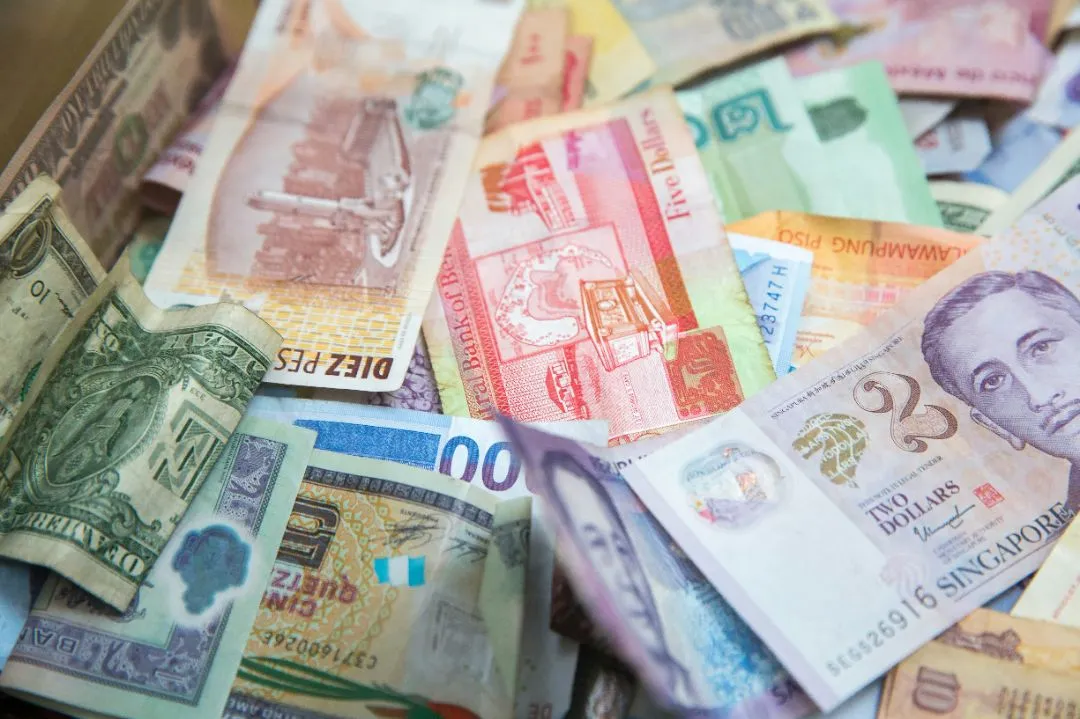
Photo by Egor Filin on Unsplash


Authority to recover funds

The development was reported by Russian news outlet Telesputnik on Tuesday. The legislation introduces terms such as “digital ruble” and “digital ruble wallet” into the tax code. It outlines the legal framework for these digital assets. Notably, the law grants bailiffs and court-appointed individuals the authority to recover central bank digital currency (CBDC) funds from wallets in cases where taxpayers lack sufficient fiat in their bank accounts.

Moreover, the law empowers tax authorities to suspend transactions on digital ruble wallets and request documentation from platform operators to confirm fund withdrawals from a taxpayer’s account. In a move aimed at streamlining the process, confiscated digital coins can be transferred directly to the Russian Treasury.

This legislation, the second major CBDC-related law passed in 2023, signals Russia’s interest in fast-tracking the implementation of its digital ruble. Despite conflicting statements, the Ministry of Finance anticipates that all Russians will have the opportunity to use digital ruble wallets for payments by 2024. However, the Central Bank has indicated a potentially delayed national roll-out, stating it may not occur before 2025.

Key provisions outlined in the new law include defining the Central Bank’s role as the “operator of the digital ruble platform” and establishing liability procedures if the bank fails to fulfill these obligations. Additionally, the law addresses the taxation of transactions involving digital rubles, with exemptions for Value Added Tax (VAT) on account opening and holding.


Working around sanctions

As Russia edges closer to the digital ruble roll-out, the nation faces economic challenges due to ongoing U.S. and EU sanctions. Moscow views the CBDC as a strategic tool in international trade, aiming to leverage it to navigate economic restrictions. Government officials believe the digital ruble will play a crucial role in reducing costs and risks for domestic firms engaged in foreign trade.

The Eurasian Economic Union (EAEU), a five-member economic bloc including Russia, Belarus, Kazakhstan, Armenia and Kyrgyzstan, is exploring the potential for cross-border CBDC functions. Belarus and Kazakhstan are also expediting their CBDC projects, with a focus on cross-border trading capabilities.

Earlier this month, a Russian politician could begin to use their respective CBDCs for bilateral trade deals as early as next year. Even before sanctions hit, both Russia and China had been working towards de-dollarization for some time.


Ongoing pilot program

The Central Bank is actively piloting the digital ruble in 11 Russian cities alongside 13 partner commercial banks. Earlier this month, the bank stated that “the pilot will continue at least until the end of 2024 and, if necessary, will be extended.” The Central Bank added that “only after the completion of the pilot will the digital ruble be introduced into mass circulation.”

A group of 16 banks is set to join the trial in the coming year. The finance ministry aims to utilize the digital ruble for government subsidies and welfare payments, with plans for implementation in 2024.

More to Read
View All
Web3 & Enterprise·

Dec 14, 2023

RaonSecure showcases blockchain-based SaaS to student ID card association

RaonSecure showcases blockchain-based SaaS to student ID card associationRaonSecure, a South Korean tech security company, recently showcased their blockchain-based Software as a Service (SaaS) solution, OmniOne Digital ID, to executives from the International Student Identity Card (ISIC) Association during their visit to RaonSecure’s headquarters in Seoul, as per a report by news outlet Digital Today. The tech firm also proposed a mobile ID project catered to ISIC.Photo by Matese Fields on Unsplash2.5 million student ID cards per yearThe ISIC Association, a non-profit organization registered in Denmark, is renowned for issuing approximately 2.5 million student identity cards each year. These cards are recognized and accepted in 108 countries globally.Various discount programsISIC card holders have access to an extensive range of discount programs at ISIC’s partner merchants. These discounts span a wide variety of industries, offering savings in areas such as accommodation, cultural attractions and travel. This feature of the ISIC card makes it a beneficial resource for students worldwide who are looking to save money while accessing various services and experiences.In October, RaonSecure signed a business partnership with two organizations to develop digital ID-based ISIC on mobile platforms. One of them is KISES Corporation, the Korean branch of ISIC, and the other is smart card service provider Future & More.

news
Web3 & Enterprise·

Oct 27, 2023

Fair Square Lab to Develop Blockchain-Based Shareholder Meeting Platform

Fair Square Lab to Develop Blockchain-Based Shareholder Meeting PlatformSouth Korean Web3 technology company Fair Square Lab announced on Friday that it is in the process of developing a blockchain-based platform for holding electronic shareholder general meetings. The firm said that it has applied for two patents for technologies related to blockchain-based electronic shareholder meetings. One is related to their operation methods and systems, and the other is associated with the utilization of voting rights tokens.Photo by Benjamin Child on UnsplashEmpowering shareholdersIn shareholder general meetings, many minority shareholders are often unable to attend in person, thereby finding it difficult to effectively exercise their opinions or rights during the decision-making process of a company. Fair Square Lab’s pending patents aim to address this issue by enabling more shareholders to easily participate in shareholder meetings through an electronic medium. Utilizing blockchain technology would also ensure the integrity and security of voting processes.Fair Square Lab’s growing portfolioWith this latest development, Fair Square Lab is now poised to possess a total of eight blockchain-related patents. Its other patents encompass areas like managing wallets in the blockchain network, generating wallet addresses for security token platforms, and preventing erroneous transfers of security tokens on a blockchain network. The company said that it is continuously working to secure intellectual property rights for its blockchain business, including design patents and its own trademark.“We have been consistently striving to secure intellectual property rights by linking research and development with the core blockchain technologies that we have accumulated over the years. We plan to obtain a total of 12 core technology patents by the end of this year,” said Jake Kim, CEO of Fair Square Lab.

news
Web3 & Enterprise·

Nov 13, 2023

Over 3,700 participants flock to Upbit D Conference to explore insights in blockchain

Over 3,700 participants flock to Upbit D Conference to explore insights in blockchainThe sixth annual Upbit D Conference (UDC), a major blockchain event in South Korea hosted by the country’s biggest cryptocurrency exchange Upbit, commenced on Monday (local time) at the Grand Walkerhill Seoul Hotel. Touting the theme “All That Blockchain,” the conference gathered some 3,700 participants — including 39 blockchain experts from 29 countries — both online and offline.Aimed at contributing to the blockchain ecosystem, UDC has gained acclaim as a non-profit event featuring in-depth lectures by experts from around the globe. While it initially focused on industry and technology alone, the conference has since expanded its scope to cover areas such as policy, finance, business, culture and trends.Photo by Gerd Altmann on PixabayLively guest discussionsHighlights of the event included a session led by Roger Ver, the founder of Bitcoin.com, who discussed the trajectory of the blockchain industry and the current status of Bitcoin. Korean telecommunications giant SK Telecom’s Executive Vice President, Oh Se-hyeon, also shared insights into the prospects of Web3 and blockchain services in Korea.Other speakers included Emily Parker, Executive Director of CoinDesk; Howard Fischer, former Senior Trial Counsel at the US Securities and Exchange Commission (SEC); Nizam Ismail, former Founding Chairman of the Regulatory and Compliance Sub-Commitee at Blockchain Association Singapore; and Kim Kab-lae, Senior Research Fellow at the Korea Capital Market Institute. Together, the four experts discussed country-specific perspectives and current issues regarding the rapidly changing regulatory landscape of the global virtual asset industry.“As blockchain’s influence expands across the economy, culture and society, UDC has evolved into a comprehensive conference capable of encompassing all aspects of blockchain. We hope it serves as a place that sparks positive inspiration and valuable connections,” said Song Chi-hyung, Chairman of Dunamu, the operator of Upbit.Growing recognitionOver the past five years, UDC has seen participation from over 1,190 companies and nearly 19,100 individual attendees. As of this month, the cumulative number of views on the conference’s official YouTube videos has reached 1.12 million. Videos of all of this year’s sessions can be viewed on the UDC YouTube channel and website.

news
Loading