Top

Filipino exchange Coins.ph adds BRC-20 support

Web3 & Enterprise·December 29, 2023, 2:16 AM

Coins.ph, the leading crypto exchange in the Philippines, has announced its support for BRC-20 tokens. As part of that move, the exchange has successfully integrated the ORDI token, thereby becoming the inaugural platform in the country to embrace the BRC-20 standard.


The platform clarified its support for BRC-20 in a recent blog post, which it published to its website. Coins.ph revealed its intention to expand its services further by adding support for additional BRC-20 tokens, showcasing a forward-looking approach to cater to the evolving needs of its user base.


BRC-20 is a standard facilitating the creation of fungible tokens on the Bitcoin blockchain. The inclusion of this technical standard allows for the minting of tokens with unique features, introducing a new dimension to the capabilities of the world's flagship cryptocurrency.
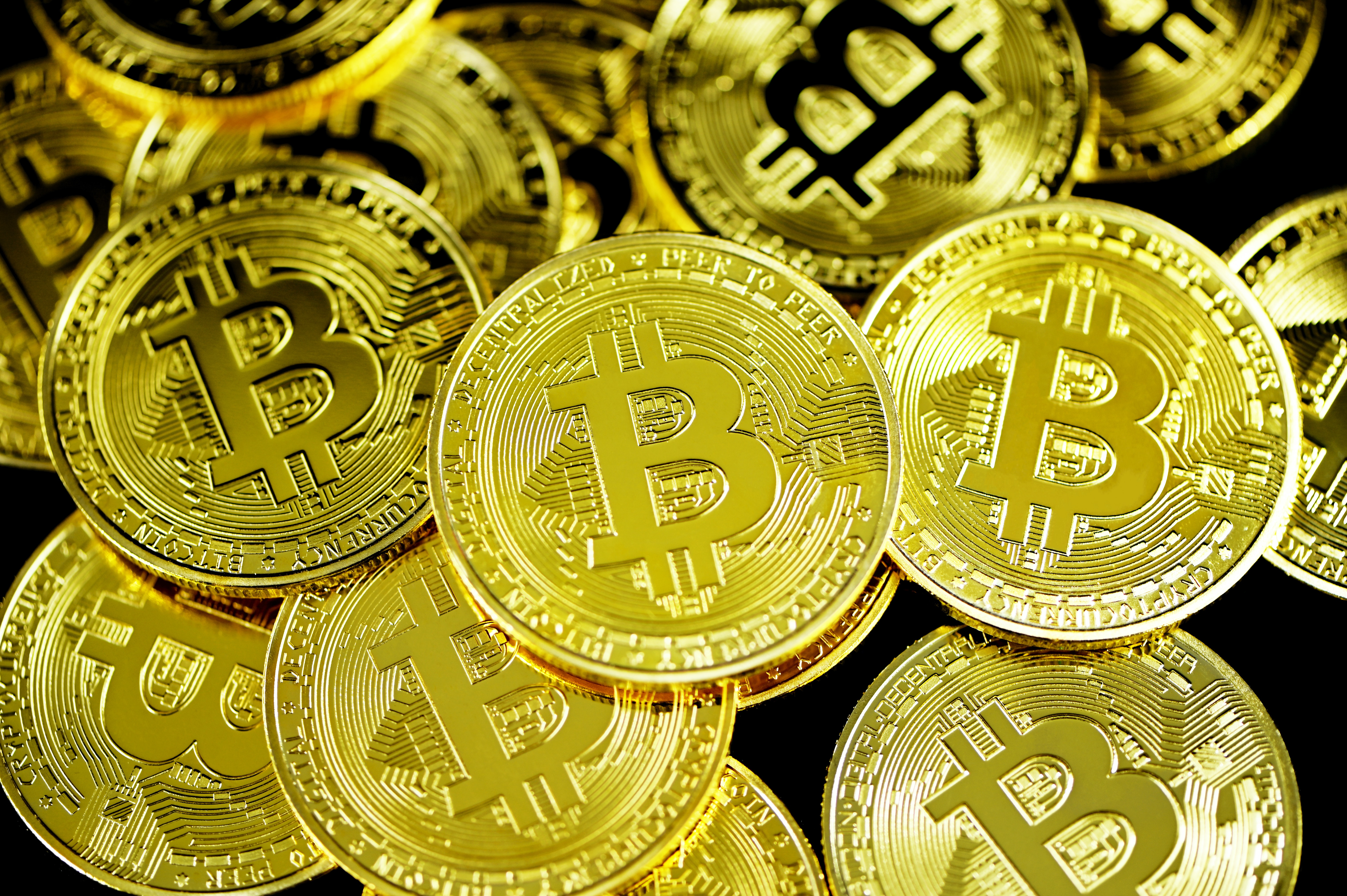
https://asset.coinness.com/en/news/ee88328e8da9852a9301fb89e8081b95.jpg
Photo by Kanchanara on Unsplash

ORDI memecoin addition

ORDI stands out as one of the most popular BRC-20 tokens, gaining traction and reaching an all-time high above $81 earlier this week. This surge in value followed the addition of trading support by crypto exchange Binance in early November, underscoring the influence of strategic partnerships and market dynamics on token performance.


Wei Zhou, CEO of Coins.ph, expressed the company's commitment to staying at the forefront of digital asset innovation through this strategic move. Highlighting the remarkable growth in BRC-20 activity since its launch earlier in the year, Zhou emphasized the importance of enabling users to participate in these opportunities. He mentioned the recent listing of $ORDI and hinted at future product offerings enabled by the BRC-20 standard.


Industry trend

While coins.ph may have been the first exchange in the Philippines to introduce BRC-20 support, it's not the first mover in the broader Asian region. Back in May, leading crypto exchange OKX decided to support the BRC-20 standard through its OKX Wallet product. The company’s support of the standard was validated more recently when it emerged that BRC-20 support played a large role in OKX NFT Marketplace taking top rank as the NFT marketplace with the greatest trading volume earlier this month.


Seychelles-based crypto derivatives platform Bitget has also identified the associated growth potential. Earlier this week, the platform unveiled a plan to support development within the Bitcoin ecosystem, inclusive of BRC-20.


The fusion of ordinals and BRC-20 enables users to embed images, texts or audio, among other data, into satoshis—the smallest units of BTC.


Bitcoin community controversy

Amidst these developments, concerns have been raised by Bitcoin core developer Luke Dashjr. On Dec. 6, Dashjr disclosed that developers are working to remove Bitcoin inscriptions before the v27 update scheduled for the next year. This would imply the elimination of ordinals and BRC-20 from the Bitcoin landscape.


Dashjr clarified that Bitcoin Core has allowed users to set limits on extra data size in transactions since 2013 through the "datacarriersize" setting. Despite this, inscriptions have found a way to bypass the limit by obfuscating their data as program code. He reassured the community that a recent bug in Bitcoin Knots v25.1 has been fixed, addressing concerns about vulnerability.
More to Read
View All
Policy & Regulation·

Apr 20, 2023

Do Kwon Loses Fight to Conceal Singapore Records

Do Kwon Loses Fight to Conceal Singapore RecordsDo Kwon, the founder of Terraform Labs has failed in his attempt to deny the United States’ Securities and Exchange Commission (SEC) from accessing company records in Singapore.©Pexels/George BeckerIn February, the SEC filed a complaint against Terraform Labs and its founder in a US court. The move followed an investigation that the agency had carried out into the collapse of a number of digital assets established by the company. The lawsuit claims that both the company and Do Kwon had engaged in fraud, together with the sale of unregistered securities to US citizens.Jurisdictional challengeLawyers for Do Kwon had claimed that in trying to access documents related to the Singapore-domiciled company, the SEC was acting far beyond its jurisdiction. According to court filings, his defense team argued that Do Kwon is a Singapore resident while Terraform Labs is a Singapore-based company that operates on a global basis and not specifically in the United States.The filing pointed to the fact that the Terraform Labs CEO had “limited contact with the US.” “Most of the company’s business is essentially global, and it’s not specifically aimed at the United States,” it stated.His lawyers had filed a request for the SEC to withdraw its documentation request. In a recent hearing, US District Judge Jed Rokoff turned down Terraform’s request. The documents are understood to be held by the Monetary Authority of Singapore (MAS) although the specific nature of the documentation sought remains unclear.The SEC claims that in founding the Terra US dollar stablecoin (TUSD) and associated cryptocurrency LUNA, Terraform Labs and Do Kwon were responsible for wiping out more than $40 billion dollars in value following their collapse. The Luna Foundation Guard (LFG), which was established to provide funds to keep the TUSD stablecoin at a $1 value, is another entity that the SEC intends to access documents from with the court’s permission. Singaporean police had stated last month that they had launched an investigation into the collapse of the TUSD stablecoin.Meanwhile, both the South Korean and US authorities are seeking the extradition of Do Kwon to face related charges. He was arrested last month in the southeastern European country of Montenegro where he was charged with having used forged documentation to enter the country. Although he had denied it on social media, in effect Do Kwon had been on the run from the reach of South Korean authorities over the course of a number of months, spending a portion of that time in Montenegro.Asset huntAn investigation by authorities in South Korea in recent weeks revealed that they were unable to find any assets held in the country owned by the Terraform Labs founder. The trail in chasing down any such assets has led to the United States. It is understood that Do Kwon bought real estate in the United States under his mother’s name. This is a common tactic for those who attempt to evade future confiscation of assets.Earlier this week, South Korean prosecutors confirmed that they are investigating a transfer of funds by Do Kwon to a leading law firm based in Seoul.

news
Markets·

Jun 13, 2024

Turkish lira becomes third largest fiat currency in crypto trading

The Turkish Lira (TRY) has become the third largest fiat currency by volume in the cryptocurrency market, according to a report by Kaiko. This milestone was reached as TRY's share of the crypto market hit an all-time high of 19% in early June. The increase in volume is attributed to the country's economic challenges, notably its high inflation rate, which has surpassed 70%, making the lira one of the most volatile fiat currencies globally.Photo by Afdhallul Ziqri on UnsplashFactors influencing the increaseThe shift in the Turkish lira's position in the crypto market is partly due to increased foreign exchange volatility and currency devaluation, common catalysts for cryptocurrency adoption in developing economies. Additionally, geopolitical factors such as a record number of elections and diverging monetary policies have intensified market fluctuations. This environment has favored cryptocurrencies like Bitcoin, which reached new highs against the lira in recent months. For instance, Bitcoin escalated to 2.3 million TRY in March from 979,000 TRY in October 2023. The recent adjustments in cryptocurrency trading platforms, particularly Binance's delisting of certain fiat trading pairs due to banking issues, have also increased the dominance of TRY in crypto transactions. This series of events underscores the growing interconnection between traditional and digital finance markets, highlighting the increasing role of cryptocurrencies in regions facing economic instability. 

news
Web3 & Enterprise·

Sep 07, 2023

Socket Protocol Raises $5M in Strategic Partnership

Socket Protocol Raises $5M in Strategic PartnershipSocket Protocol, an interoperability protocol founded by Indian duo Rishabh Khurana and Vaibhav Chellani, has raised $5 million with the strategic investment coming from Coinbase Ventures and Framework Ventures.Despite the ongoing bear market, cross-chain protocols like Socket have continued to attract substantial investment, underlining the growing belief in a future where different blockchains seamlessly connect.Photo by Towfiqu barbhuiya on UnsplashMore than just fundingSocket Protocol, designed to enhance communication between various blockchains, secured this funding to further its collaboration with Coinbase. The firm articulated the nature of the funding and that collaboration on X (formerly Twitter) on Wednesday.The partnership aims to create bridging opportunities for developers and users of Coinbase Wallet and Base, Coinbase’s recently launched layer-2 network built on Ethereum. Socket explained that there is already evidence of that collaboration, borne out by a bridging feature that has already been built into Coinbase Wallet, and powered by Socket Protocol.In relation to the newly launched Base network, the project stated: “We are also helping developers and apps expand to Base with a seamless onboarding experience. Rainbow Wallet, Layer3, Bungee, Zapper & more apps leverage Socket to get their users onboarded to Base already!”As the cryptocurrency ecosystem witnesses the emergence of new layer-2 networks or “rollups” and the continuous expansion of layer-1 blockchains, Socket Protocol positions itself as a critical player in connecting these fragmented ecosystems.Seamless cross-network communicationThe protocol’s primary goal is to facilitate communication between different blockchains, allowing them to interact seamlessly. By offering a bridge for assets, Socket Protocol simplifies cross-network transactions, effectively making the experience akin to operating on a single unified blockchain.Socket boasts that since the launch of the project, it has facilitated over 2.5 million cross-channel transactions, accounting for $3.5 billion in value transfer, while claiming that this is just the starting point, with the project aspiring to grow past that milestone going forward.The recent fundraising highlights the increasing interest in interoperability solutions like LayerZero, as investors recognize the significance of bridging for the future of blockchain technology. Notably, inter-bank messaging system Swift revealed experiments involving the transfer of tokenized value across various private and public blockchains, with Chainlink’s Cross-Chain Interoperability Protocol playing a pivotal role in these experiments.Socket Co-Founder Chellani emphasized the importance of scalable solutions for the future. He noted that “rollup-to-rollup communication is really important” for achieving scalability, aligning the scaling future with the concept of a multi-chain or cross-chain future. “I think the scaling future, and the multi- or cross-chain future are the same thing,” he added.This investment in Socket Protocol, coming at a time of market uncertainty within the crypto space, reflects the growing confidence in the potential of blockchain interoperability to unlock new possibilities and create a more interconnected blockchain landscape.

news
Loading