Top

Thailand makes crypto trading VAT-free to boost digital economy

Policy & Regulation·February 08, 2024, 7:46 AM

In a significant move to propel Thailand towards becoming a digital asset hub, the Finance Ministry has announced the exemption of value-added tax (VAT) on digital asset trading.


VAT exemption

According to the Bangkok Post, the decision became effective on Jan. 1. It aims to foster the growth of the digital asset industry and support the country's growing digital economy.


Paopoom Rojanasakul, secretary to the finance minister, underscored the ministry's commitment to promoting digital assets as a viable fundraising tool. By suspending the requirement to pay 7% VAT on income derived from cryptocurrency and digital token trading, authorities seek to encourage investment in the digital asset market.


This VAT exemption extends beyond authorized digital asset exchanges to include brokers and dealers under the supervision of the Securities and Exchange Commission (SEC). The move aligns with Thailand's ambition to position itself as the region's premier digital asset hub.


Moreover, the Finance Ministry and SEC are actively amending the 2019 Securities and Exchange Act to enhance regulations concerning digital investment tokens, bringing them more in line with securities.
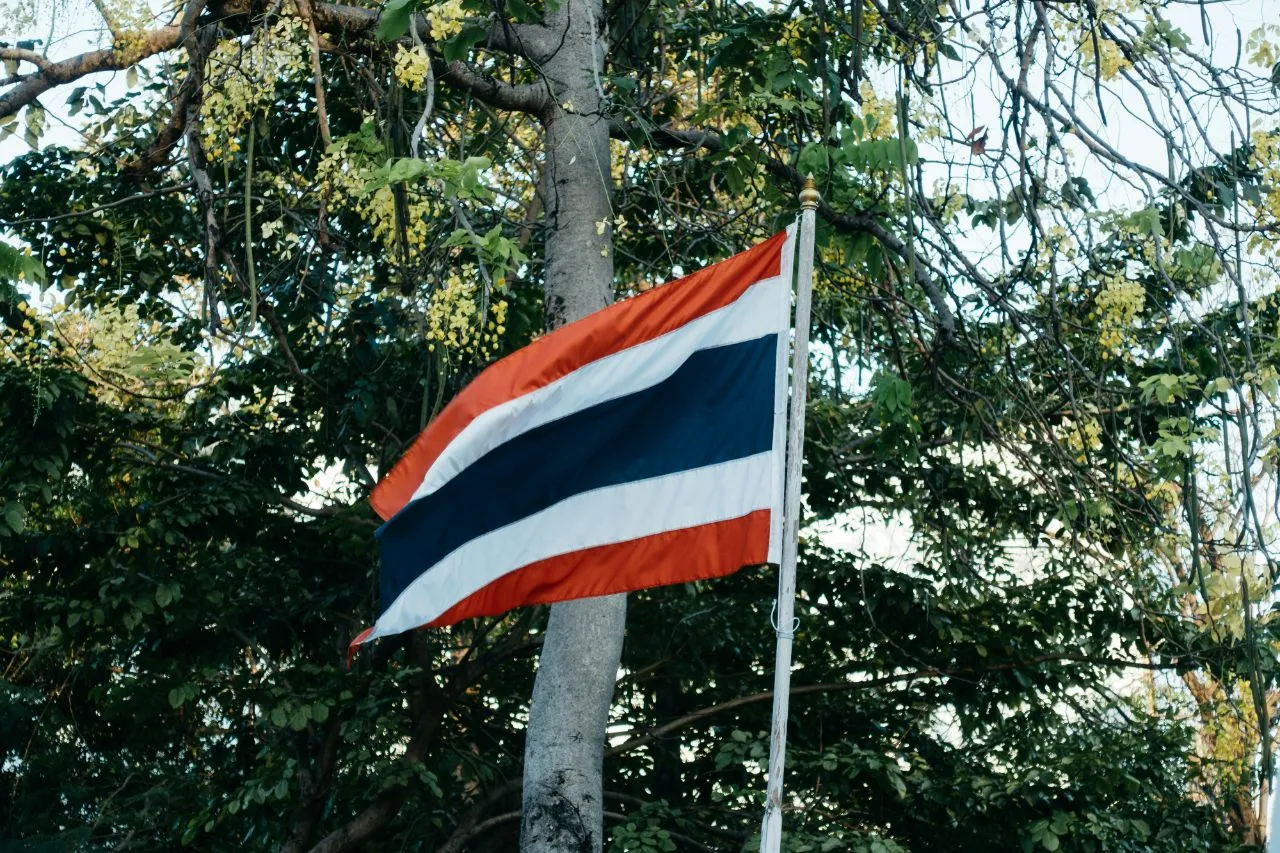
https://asset.coinness.com/en/news/07e10e9104dc2bd531bf23bcffe33640.webp
Photo by Markus Winkler on Unsplash

Attracting offshore digital asset sector investment

Thailand's attractiveness to offshore digital asset investors has grown substantially in recent years. The new tax policies are poised to further bolster the country's position in the global digital asset market.


Last month, the Thai SEC adjusted the rules governing digital token investments, raising the investment ceiling that had been imposed on retail investors where initial coin offerings (ICOs) relative to infrastructure and real estate are concerned.


Furthermore, the Commission has updated criteria for custodial wallet provider businesses, enabling them to extend their services to digital asset business operators, thereby facilitating smoother operations within the digital asset ecosystem.


However, Mr. Paopoom emphasized the importance of balancing development with financial stability. While fostering innovation in the digital asset sector, the government remains mindful of safeguarding the integrity of the financial system.


Despite these advancements, the SEC has made it clear that it will not permit the trading of spot bitcoin exchange-traded funds (ETFs) in Thailand. This decision contrasts with the recent approval of bitcoin ETFs in the United States and moves towards approving crypto ETFs in Hong Kong, reflecting Thailand's cautious approach to cryptocurrency-related financial products.


Nevertheless, Thailand continues to attract global crypto exchanges, with industry giants such as Binance establishing a presence in the country. Last month, Binance announced the launch of crypto exchange services to the general public in Thailand through Gulf Binance, a joint venture with Thailand’s Gulf Innova.


The VAT exemption on digital asset trading represents a pivotal step in Thailand's journey towards embracing the digital economy. With supportive regulatory measures and a dynamic market environment, Thailand aims to take its place as a leading player in digital assets.



More to Read
View All
Markets·

May 23, 2023

STX Token Debuts on Korean Exchange Bithumb

STX Token Debuts on Korean Exchange BithumbSTX, the native token of the Stacks network, made its debut on the KRW market of Bithumb, a renowned Korean cryptocurrency exchange, at noon (Korea Standard Time) on Tuesday. The listing price is 828.5 KRW per unit.Photo by Jonathan Borba on UnsplashBitcoin scalability solutionStacks is a Bitcoin scalability solution that addresses the challenge of transaction latency through the use of microblocks. It utilizes the programming language Clarity and benefits from the security of Bitcoin by employing its unique consensus algorithm called Proof of Transfer (PoX). This mechanism enables Stacks to settle transactions on the Bitcoin network.Stacks is one of the most anticipated projects associated with Bitcoin, and its token was approved by the U.S. Securities and Exchange Commission in 2019.STX token usageThe STX token serves multiple purposes within the Stacks blockchain ecosystem. Users can utilize it for stacking, participating in governance activities, and paying transaction fees.

news
Policy & Regulation·

Mar 13, 2024

Hong Kong regulator unveils stablecoin sandbox

Following December's release of proposed fiat-referenced stablecoin regulations, the Hong Kong Monetary Authority (HKMA) has progressed further with the introduction of a stablecoin sandbox.Photo by Nextvoyage on PexelsFormulating a regulatory regimeThe regulatory sandbox, announced through a press release published to the regulator’s website on March 12, encompasses stablecoin currencies beyond the Hong Kong dollar, although the HKMA refrained from specifying particular currencies. Eddie Yue, CEO of the HKMA, emphasized the sandbox's role as a platform for constructive dialogue between the regulatory authority and the industry. Yue stated:"The sandbox arrangement serves as an effective channel for the HKMA and the industry to exchange views on the proposed regulatory regime.”Yue further noted that such engagement is pivotal for formulating regulatory requirements conducive to the sustainable and responsible growth of the stablecoin issuance business. The stablecoin sandbox finds its digital footprint within the International Financial Centre on the HKMA's website. The documentation accompanying the sandbox outlines several key requirements for potential participants. These include demonstrating genuine interest and a feasible plan for issuing fiat-referenced stablecoins in Hong Kong, as well as a concrete strategy for engagement within the sandbox. Additionally, applicants must exhibit a reasonable prospect of compliance with the proposed regulatory framework. Minimum capital requirementsOne notable regulation proposed stipulates that issuers must be Hong Kong-based entities with a minimum capital requirement of HK$25 million ($3.2 million) or 2% of the stablecoin issuance, whichever is higher. The HKMA remains vigilant regarding public announcements by sandbox participants, ensuring that such declarations do not misconstrue endorsement or accreditation from the regulatory authority. In late January, reports suggested discussions between Harvest Global Investment, RD Technologies, Venture Smart Financial Holdings and the HKMA regarding their potential entry into the sandbox. Harvest Global Investment, boasting over $200 billion in assets under management, signifies a significant player in this evolving digital assets space.RD Technologies took to the X social media platform to publicize its approval of the HKMA’s stablecoin sandbox. It also availed of the opportunity to outline that it’s in the process of launching a Hong Kong dollar (HKD)-based stablecoin, which will be known by the short-code HKDR.Hong Kong-based fintech firm AnchorX also chimed in, stating that the sandbox is “a pivotal step forward for the industry, enabling informed dialogue and collaboration between regulators and fintech innovators.” Like RD Technologies, AnchorX is also looking to get involved in the stablecoin business, having developed the AxHKD Hong Kong dollar-based stablecoin, which it is currently beta testing, in collaboration with Conflux Network. Juan Leon, crypto analyst with Bitwise Asset Management, suggested that the move is a great initiative, while calling on the U.S. Federal Reserve Chair Jerome Powell to follow Hong Kong’s example. On the tokenization front, Hong Kong made headlines in 2023 with the issuance of the world's largest native digital bond — a green bond exceeding $750 million. Late last year, it also proposed regulations relative to tokenization of real-world assets.Guidance provided to banks on tokenization, coupled with plans for forthcoming legislation, further solidifies Hong Kong's position as a trailblazer in the realm of digital finance.  

news
Web3 & Enterprise·

Nov 15, 2023

Bitget withdraws from Hong Kong crypto market

Bitget withdraws from Hong Kong crypto marketSeychelles-incorporated cryptocurrency derivatives platform Bitget has made a decision to permanently exit the Hong Kong market, discontinuing its efforts to obtain a virtual asset trading platform (VATP) license.Photo by SHUJA OFFICIAL on UnsplashBitgetX platform shutdownThe decision comes only months after it had introduced its BitgetX platform to comply with local regulations. The company, which bases its operations out of Singapore, is a well-known entity in the crypto space, renowned as the operator of the 12th-largest cryptocurrency exchange globally in terms of 24-hour trading volume. It made this revelation on Monday, citing what it referred to as “business and market-related considerations.”In a published statement, the company said:”With a heavy heart, we regret to inform you that due to business and market related considerations, we have decided not to pursue a Virtual Asset Trading Platform (VATP) license in Hong Kong. As a result of this decision, the BitgetX website (www.BitgetX.hk) will cease its operations effective December 13, 2023. At the same time, Bitgetx.hk will permanently exit the Hong Kong market.”While outlining that BitgetX will close its doors, the firm urged users to withdraw their assets beforehand. Bitget is among a handful of exchanges that had publicly expressed their intent to secure a license following Hong Kong’s proactive push over the course of the past year to embrace the virtual asset sector.Broader challengesThe decision to abandon the pursuit of a VATP license echoes the broader challenges faced by the cryptocurrency industry in Hong Kong. Despite the city’s recent enthusiastic regulatory embrace of the virtual asset sector, a number of stumbling blocks remain.High compliance costs and the lingering aftermath of the JPEX financial scandal have hindered Hong Kong’s aspirations to establish itself as a leading crypto hub. A report back in June identified the major cost implications of acquiring a license in Hong Kong. At the time, it was estimated that the required spend to obtain a VATP license could range from $2.55 million to $25.5 million.Banking crypto companies has also become a major bottleneck. In June, the Hong Kong Monetary Authority (HKMA) urged banks such as HSBC, Standard Chartered and the Bank of China to bank the crypto sector, having identified a reluctance amongst them to do so.Limited interestThe forthcoming closure of BitgetX adds to a growing trend of limited interest in Hong Kong’s new licensing scheme. Only five companies, all local, have submitted applications for virtual asset licenses to the Securities and Futures Commission (SFC). This list began publication in response to the JPEX scandal, which significantly damaged public trust in virtual assets.The challenges faced by the industry go beyond regulatory hurdles. The damaged public trust, coupled with the high-profile exit of JPEX, has contributed to the hesitancy of international crypto platforms in pursuing licenses in Hong Kong. The abrupt withdrawal of Bitget raises questions about the viability of Hong Kong as a central player in the cryptocurrency industry and underscores the complexities faced by exchanges navigating the evolving landscape of the digital asset sector.

news
Loading