Live Feed
Today, March 12, 2026
22:30
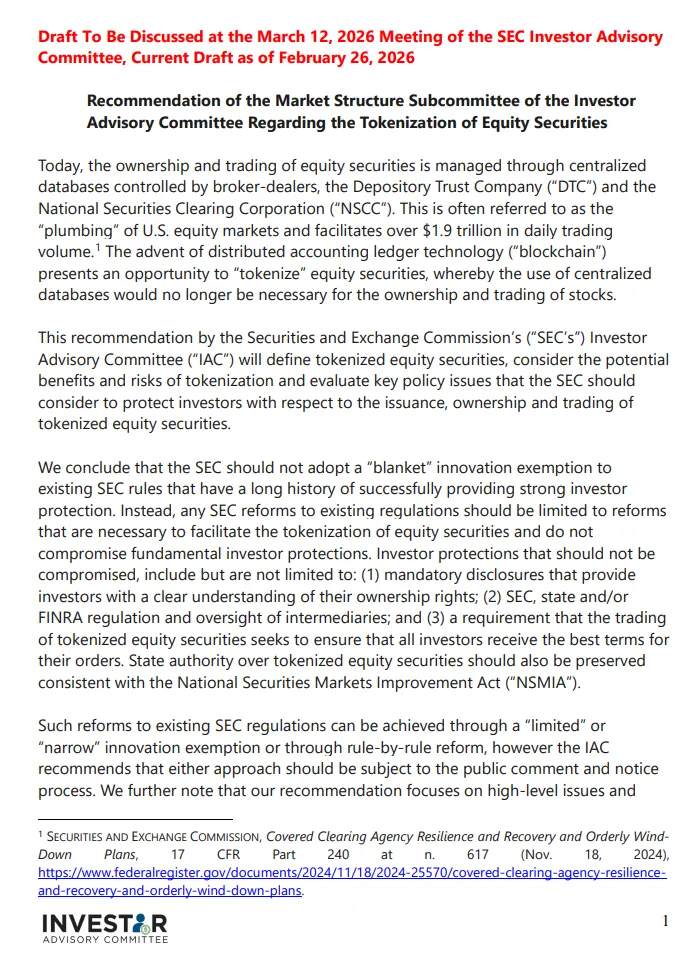
A subcommittee of the U.S. Securities and Exchange Commission's (SEC) Investor Advisory Committee (IAC) has recommended against granting an innovation exception for tokenized stocks, which would exempt them from certain regulations under specific conditions. The Market Structure Subcommittee emphasized that while tokenized stocks using blockchain and distributed ledger technology (DLT) can enhance settlement efficiency, reduce costs, and improve transparency, safeguards must be guaranteed. These include clear disclosures on investor rights and mechanisms to ensure compliance with regulatory oversight.
22:13
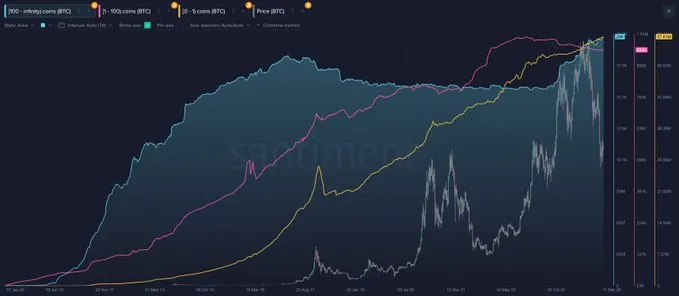
The number of addresses holding over 100 BTC has surpassed 20,000 for the first time, reaching a new all-time high of 20,031, on-chain analytics firm Santiment reported via X. For comparison, there are approximately 954,000 addresses holding between one and 100 BTC, and around 57.6 million addresses with balances under one BTC.
22:06
Cryptocurrency exchange Backpack announced on its official X account that it is targeting March 23 for its Token Generation Event (TGE). The exchange had previously urged airdrop recipients to re-register by 12:00 a.m. UTC on March 15. Backpack recently unveiled its TGE plan and tokenomics, stating that 25% of the total supply will be unlocked at the event. This initial unlock will allocate 24% to points holders and 1% to NFT holders.
22:00
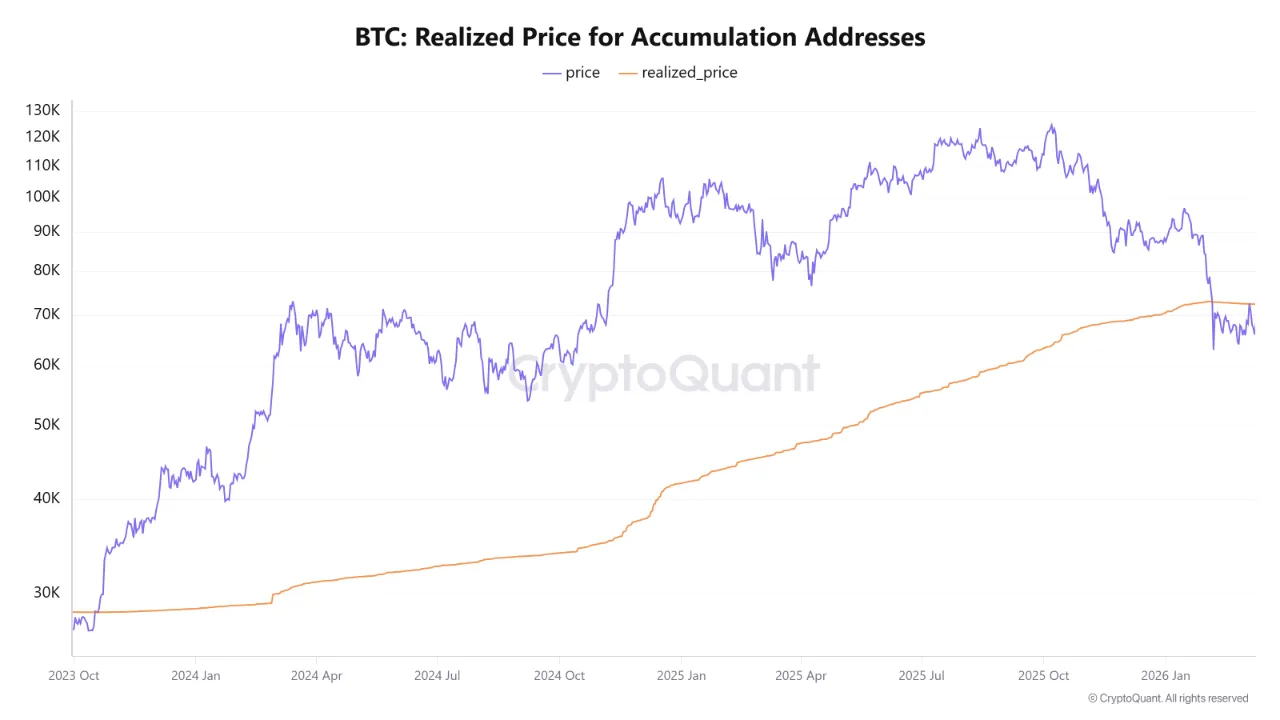
The average cost basis for Bitcoin and Ethereum accumulation addresses stands at $72,400 and $2,500, respectively, and these levels could act as key resistance, according to a CryptoQuant contribution from crypto analyst Burak Kesmeci. He noted that both BTC and ETH are currently trading below these prices. Kesmeci described the current phase as a "Cold water" area, where even long-term accumulation addresses are experiencing losses. While he could not confirm if this is the market bottom, he suggested that a move by BTC and ETH above their respective average accumulation prices could lead to a shift in the market structure.
21:48
U.S. Securities and Exchange Commission (SEC) Commissioner Hester Peirce, a figure known for her pro-crypto stance and often called "Crypto Mom," has argued that regulators should refrain from intervening in the market for tokenized assets and simplify disclosure procedures. According to Cointelegraph, Peirce stated in a recent speech that existing complex regulations need to be re-examined, as tokenized securities support more efficient settlement via blockchain. The SEC has recently mentioned plans to pursue an innovation exemption for tokenized securities, which would waive certain rules under specific conditions.
21:34
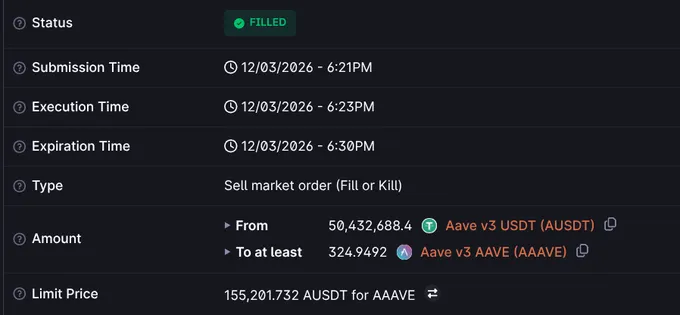
An anonymous trader mistakenly swapped 50 million USDT for approximately 325 AAVE, worth only $36,000, on the Aave lending protocol using Cow Swap, according to DeFiLlama founder 0xngmi.
In a post on X, 0xngmi noted that other protocols typically block such abnormal transactions at the interface level to prevent user error.
Aave founder Stani Kulechov responded, stating that the order size was unusually large and that the protocol had warned the trader about the potential for extreme slippage, requiring an additional confirmation to proceed. Kulechov suggested the trader must have accepted the high slippage risk but expressed regret over the incident. He added that Aave would attempt to contact the trader and refund the $600,000 in fees generated by the transaction.
21:33
Whale Alert reported that 250 million USDC has been minted at the USDC Treasury.
21:14
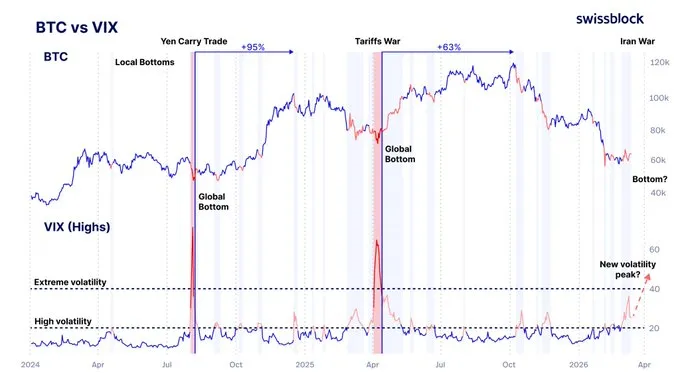
The Volatility Index (VIX), known as Wall Street's fear gauge, is also a valid indicator for Bitcoin, and a surge above 40 could represent the best buying opportunity for the asset, according to crypto data analytics firm Swissblock. In a post on X, the firm noted that Bitcoin exhibits volatility similar to U.S. stocks, with a VIX reading above 20 often indicating a short-term decline. However, Swissblock stated that buying when the VIX is high is a highly successful strategy, citing a 95% surge during the yen carry trade and a 63% jump at the start of the Trump-era tariff war. The firm explained that if escalating tensions in Iran and the Middle East push the VIX above 40, Bitcoin's next rally could be dramatic. Meanwhile, the VIX is currently at 27.28, up 12.63% from the previous trading day, according to TradingView.
20:48
Fund flows for Bitcoin and gold exchange-traded funds (ETFs) have shown a stark contrast since the conflict in Iran began, according to a JPMorgan analysis reported by The Block. Since the outbreak, the largest gold spot ETF, GLD, has seen outflows of approximately 2.7% of its assets, while the largest Bitcoin spot ETF, IBIT, has experienced inflows of about 1.5%. The report stated that investors are shifting their positions between the two assets. It also noted signs of decreasing volatility in Bitcoin as the share of institutional investors grows and market liquidity improves.
20:01
The three major U.S. stock indices closed lower today.
- S&P 500: -1.52%
- Nasdaq: -1.78%
- Dow Jones: -1.56%
19:49
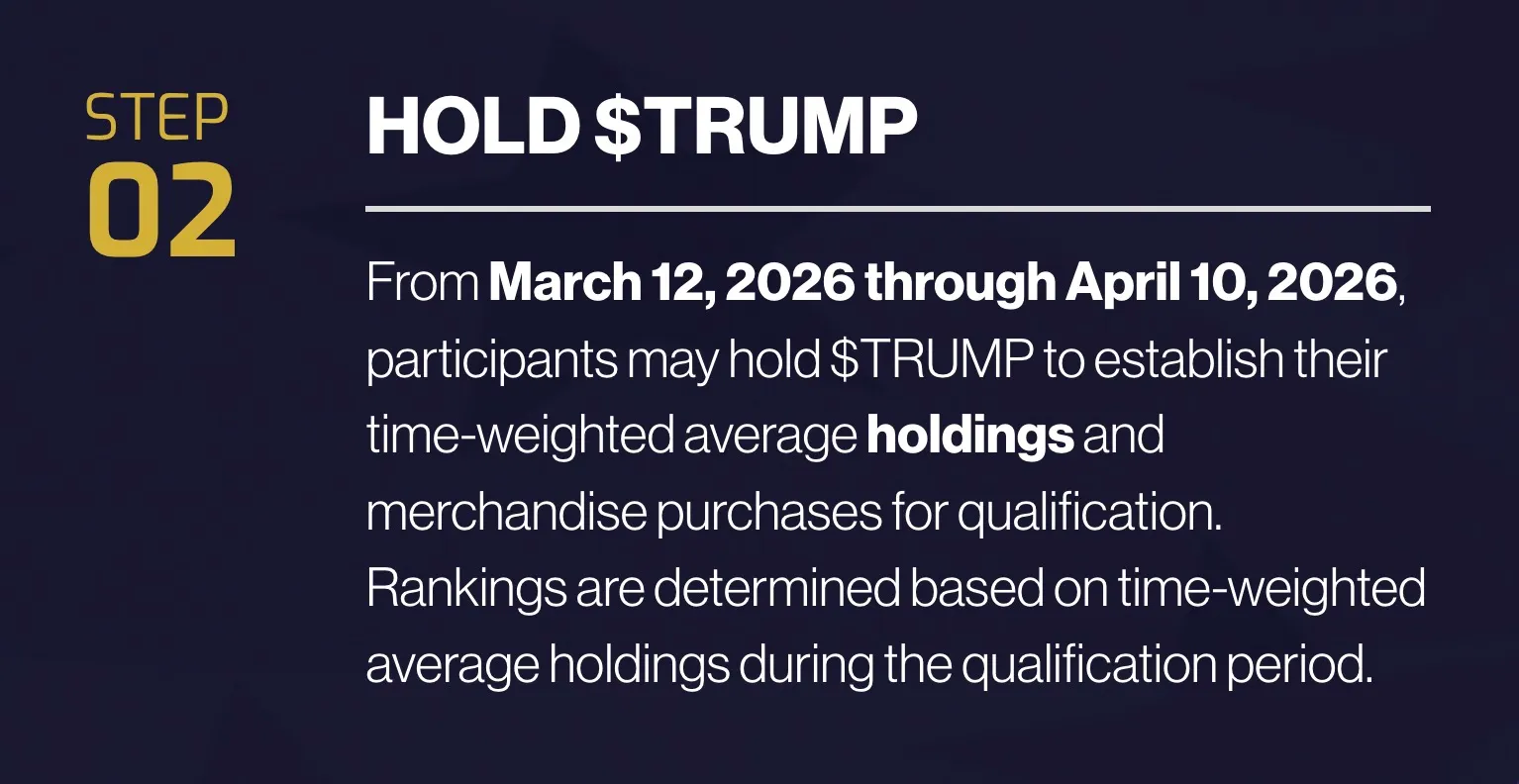
A cryptocurrency and business conference is scheduled for April 25 at Mar-a-Lago in Florida, with U.S. President Donald Trump listed as a keynote speaker, according to the official TrumpMeme website. Attendance is limited to 297 people, with eligibility determined by rankings of TRUMP token holdings. The top 297 holders will qualify to attend the event, and the top 29 among them will also be invited to a VIP reception.
19:43
U.S. Senate Republican Leader John Thune told reporters he does not expect the crypto market structure bill (CLARITY) to pass the Senate Banking Committee before April, according to a post on X by Eleanor Terrett, host of Crypto in America.
19:18
U.S. President Donald Trump urged Fed Chairman Jerome Powell to cut interest rates immediately rather than waiting for the next policy meeting, Walter Bloomberg reported.
18:21
Illegally mined gold from the Amazon is being exchanged for USDT in Venezuela, according to a report from the Global Initiative Against Transnational Organized Crime (GI-TOC). The report states that as the volume of illicit gold flowing into Venezuela increases, cryptocurrency is being used as a new strategy to evade sanctions. GI-TOC explained that given the growing use of crypto in these transactions, legislation aimed at addressing illegal gold mining and trade should also include provisions related to digital assets.
18:18
Bitmine (BNMR) just purchased an additional 30,000 ETH from FalconX, worth $61.89 million, according to Onchain Lens.
18:04
Web3 venture capital firm DNA Fund withdrew 11,067 ETH, worth $22.83 million, from Kraken four hours ago, according to Lookonchain. Withdrawals from exchanges are typically interpreted as a move to hold assets long-term.
17:34
The primary driver of Bitcoin's price volatility is shifting from macroeconomic indicators to geopolitical variables amid rising tensions in the Middle East, according to a new analysis. DL News reported that James Butterfill, Head of Research at CoinShares, said the influence of traditional macro data such as interest rate outlooks and employment figures has weakened, while geopolitical risk has emerged as a new key variable. He noted that the deepening conflict between the U.S., Israel, and Iran is acting as a bullish factor for Bitcoin, with investors choosing the asset as a hedge against geopolitical uncertainty. Since the U.S.-Iran conflict began, Bitcoin has risen approximately 6%, while gold has gained only about 1% and global stock markets have trended lower. Butterfill added that this is significant because it runs contrary to the typical behavior of risk assets.
17:13
An Iranian security chief has stated that the ongoing war will not end soon, Walter Bloomberg reported. The comment follows an earlier statement from U.S. President Donald Trump, who said the war with Iran would be over shortly and that he could end it at any time if he chose to do so.
16:53
The price of ETH could fall to $1,500 in the second half of this year if the cryptocurrency bear market continues, according to on-chain analytics firm CryptoQuant. The firm explained that while Ethereum's daily active addresses recently hit an all-time high, surpassing 2021 bull market levels, the price of ETH has dropped more than 50% from its cycle peak. This marks a departure from past trends, where increased network activity typically coincided with price appreciation. CryptoQuant highlighted a growing divergence between user growth and price movement, noting that even as smart contract-based activity from DeFi, stablecoins, and Layer 2 scaling pushes internal contract activity to record highs, a structural characteristic is emerging where this network growth fails to translate into a price increase.
16:49
The U.S. Federal Reserve is expected to release a public proposal next week on how to apply the Basel III Accord's 1250% risk weight rule to American banks. Conor Brown, managing director of the Bitcoin Policy Institute (BPI), noted on X that under the current Basel framework, Bitcoin is classified as a harmful asset and is subject to an exceptionally high 1250% risk weight. He explained that this figure is substantially higher than that for nearly all other assets, making it difficult for banks to provide financial services to Bitcoin investors and related businesses. Once the Fed's proposal is published, a 90-day feedback period will commence.
16:45
Sui announced on X that OpenZeppelin, an industry-standard smart contract library, has been integrated into the Sui ecosystem. OpenZeppelin will provide verified DeFi math primitives and access control features to the Move language-based environment.
16:34
The U.S. Senate has passed a housing-related bill with an overwhelming majority that includes a provision to ban the issuance of a central bank digital currency (CBDC), CoinDesk reported. However, the bill's passage in the House of Representatives remains uncertain.
The provision would prohibit the Federal Reserve from issuing a CBDC or a similar digital asset until at least the end of 2030. It also specifies that the Fed would be restricted from issuing a CBDC indirectly through financial institutions or intermediaries. Republican lawmakers have consistently opposed the introduction of a government-led digital dollar, and the U.S. is currently in the research phase for a potential CBDC.
16:28
Bitcoin mining software and services firm Luxor has analyzed in a new report that the direct impact of an oil price shock on mining costs is limited, though it noted that broader macroeconomic fallout is likely to pressure the industry.
According to CoinDesk, Luxor stated that approximately 8–10% of the global Bitcoin hashrate operates in power markets with prices closely tied to crude oil. This activity is primarily concentrated in Gulf countries such as the United Arab Emirates and Oman, where power grids are fueled by natural gas derived from oil production. The remaining 90% of miners operate in regions where electricity prices are determined by natural gas, coal, hydropower, or nuclear energy, meaning crude oil price fluctuations have little direct effect on their costs.
However, Luxor added that if a geopolitical shock were to push oil prices above $100 per barrel, mining operations would be more affected by the resulting impact on the price of Bitcoin itself rather than by electricity rates.
15:43
The U.S. Commodity Futures Trading Commission (CFTC) has announced guidelines for prediction markets and proposed a new set of official rules.
According to CoinDesk, the CFTC described prediction market operators as "proven sources that provide reliable information to news outlets, sports leagues, financial institutions, and ordinary Americans." The recommendations include methods by which Designated Contract Markets (DCMs) such as Kalshi, Coinbase, and Polymarket have received approval for their trading products from the regulator. The document specifies that these firms must only handle trading contracts that are not easily susceptible to manipulation.
CFTC Chairman Michael Selig explained that the move marks the start of a new rulemaking process based on a reasonable and consistent interpretation of the Commodity Exchange Act. He added that it would also assure Americans that the CFTC will exercise exclusive jurisdiction over prediction markets.
However, the implementation of the rules is expected to take several months. The CFTC is currently gathering public feedback on the proposed direction.
15:43
Liquid restaking platform Puffer Finance (PUFFER) has partnered with crypto custody and banking firm Anchorage Digital to expand pufETH exposure for institutional investors, the project announced via its official Medium. The partnership will allow Anchorage Digital clients to access Ethereum staking and restaking rewards through pufETH while maintaining an institutional-grade custody and security environment.
