Top

Xangle and CryptoTimes partner to advance Web3 adoption in Korea and Japan

Web3 & Enterprise·November 01, 2023, 5:17 AM

Xangle, a digital asset data research platform based in South Korea, announced Wednesday (local time) a collaboration with Japanese crypto media CryptoTimes with the goal of advancing the widespread adoption of Web3 technology.

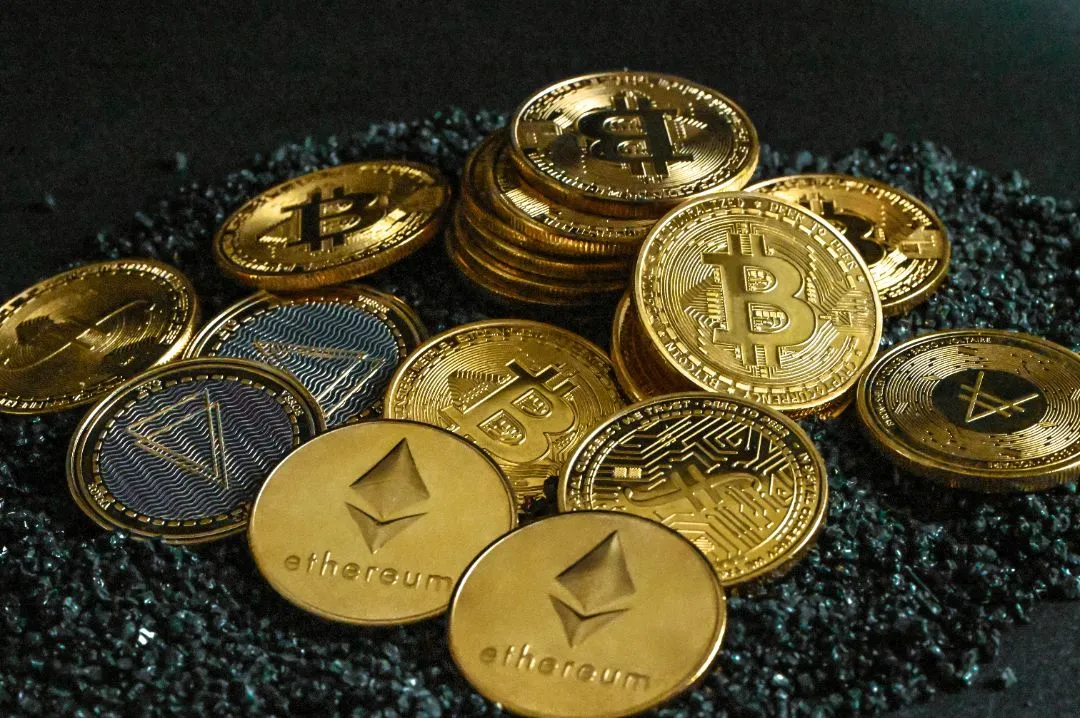
Photo by Shubham’s Web3 on Unsplash


Sharing translated reports

The two platforms have agreed to translate and share each other’s industry analysis reports on their respective platforms. Through this partnership, they aim to bridge the gap between Korea and Japan in sharing Web3 strategies and regulatory updates, which previously faced challenges due to language barriers.

As a first step in this joint effort, the Japanese translation of Xangle’s “Waiting for the Spring of Music NFTs: Industry Perceptions and Future Potential” and the Korean translation of CryptoTimes’ “Nike, Adidas and Puma’s Web3 Trend Comparison Report” were made accessible to their platform users on Nov. 27.

In particular, Xangle’s reports will be featured in CryptoTimes’ research repository, CT Analysis. Through this, Xangle aims to reach a wider audience in Japan.


Stronger communication between Korea and Japan

Junwoo James Kim, co-CEO and co-founder of Xangle, shared his excitement regarding their collaboration with CryptoTimes, a renowned media outlet in Japan. He emphasized the significance of both Korea and Japan emerging as leading forces in the Web3 industry within Asia. Kim added that this partnership will foster stronger communication between the blockchain sectors of both nations, accelerating the widespread adoption of Web3.

Discussing Web3 development, Kim outlined that we are currently in the third phase, centered around its widespread adoption. The first phase saw the birth of various ideas, while the second phase involved testing these concepts for viability.

Shingo Arai, co-founder of Rokubunnoni, which operates CryptoTimes, emphasized that the trends in the Korean Web3 market are not just informational but serve as significant indicators. He noted that sharing reports is merely the beginning. Arai expressed their intent to continuously seek various collaboration opportunities with Xangle, aiming to close the information gap between Korea and Japan in the Web3 arena.

More to Read
View All
Web3 & Enterprise·

May 08, 2023

Korbit, Ewha-Chain Leverage NFTs to Promote Blockchain Knowledge

Korbit, Ewha-Chain Leverage NFTs to Promote Blockchain KnowledgeEwha-Chain, a blockchain study group at Ewha Womans University, recently tweeted that it has collaborated with Korbit, one of South Korea’s leading cryptocurrency exchanges, to hold an non-fungible token (NFT) airdrop event for college students, offering free ice cream as an incentive.Hands-on experienceThe event aims to introduce participants to the crypto exchange and provide hands-on experience with Web3 and blockchain technology, as well as showcasing the benefits of NFTs.To participate, students have to create a Korbit account using their email address and register for an Ice-Chain NFT by completing a Google Form. Korbit will distribute the NFTs on the afternoon of May 11, the day before the event.Free ice creamOn the day of the event, Ice-Chain NFT holders can visit the Ewha Womans University branch of the Ice Girl Cream Boy ice cream shop to spin a wheel and win either free ice cream or Korbit merchandise.According to Korean economic news media Paxetv, Kim Il-kwon, head of business development at Korbit, said that the Ice-Chain event strives to familiarize university students with blockchain technology and promote the Korbit brand. Kim added that Korbit is dedicated to ongoing cooperation with Ewha-Chain and expanding channels to engage with millennials and Generation Z.Photo by ROMAN ODINTSOV on Pexels

news
Policy & Regulation·

Sep 09, 2025

South Korea to mandate disclosure of crypto funds in home purchases

South Korean authorities will require homebuyers to disclose funds originating from cryptocurrency sales, a move aimed at increasing transparency in the nation's tight real estate market. The new rule is part of a wider government effort to address housing affordability, which is particularly pronounced in Seoul, and to integrate digital assets into its regulatory framework. The change, announced on Sept. 7 as part of new housing supply measures, will alter the mandatory funding plan submitted during property transactions. Proceeds from digital assets will be listed as a distinct category, similar to funds from stocks or bonds. Officials are also expanding loan disclosure requirements to include business loans and overseas borrowing, closing potential financing loopholes.Photo by Traxer on UnsplashImpact of asset volatility on property valuesThe policy follows growing evidence that volatility in assets like cryptocurrency can spill over into the property market. A 2024 study cited by Maeil Business Newspaper highlighted that both the COVID-era stock rally and Bitcoin's 2023 price surge had a discernible impact on housing values. According to Yu Jung-suk, a professor at Dankook University, apartments in Seoul's affluent Gangnam district are particularly sensitive to fluctuations in Bitcoin and the KOSDAQ index. He noted that high-profile property acquisitions by young crypto investors, even if few in number, can significantly sway market sentiment. Professor Yu suggested that regulators may need more comprehensive tools to manage the risks connecting different asset classes. The government's new measures also seek to cool the capital's housing market, where prices have continued to rise despite a slowdown in growth. In contrast, prices in areas outside Seoul have been declining since 2022. To address the supply-demand imbalance, officials plan to begin construction of 1.35 million new homes in the Seoul metropolitan area between 2026 and 2030. Stablecoin regulation and CBDC trials advanceBeyond real estate, officials are developing a formal regulatory structure for stablecoins. The Presidential Commission on Policy Planning is reportedly considering a model where a consortium of banks and fintech firms would be granted rights to issue a won-pegged stablecoin. Supervision for this new system would fall to a proposed Financial Stability Council, a body intended to serve as a central coordinator for financial policy, comprising the finance ministry, the Bank of Korea, and other regulators. The initiative aims to combine the stability of the traditional banking sector with the innovation of non-bank financial companies. The evolving regulatory environment is attracting attention from global industry leaders. Executives from Tether, the issuer of the USDT stablecoin, met with Shinhan Financial Group CEO Jin Ok-dong in Seoul on Sept. 8. While Tether representatives stated they were monitoring the regulatory climate, they confirmed no specific business plans were discussed. Separately, the Bank of Korea is moving forward with digital currency experiments. In partnership with government agencies and six major commercial banks, the central bank will launch a pilot program to test the use of a digital currency for distributing state subsidies and vouchers. 

news
Policy & Regulation·

Jun 03, 2023

Huobi Aims for Hong Kong License Within 6–12 Months

Huobi Aims for Hong Kong License Within 6–12 MonthsAccording to Justin Sun, the founder of layer one blockchain Tron and advisor to Huobi, the cryptocurrency exchange could have obtained a crypto trading license in Hong Kong by the end of the year.Photo by Pixabay on PexelsApplication submissionIn an interview with CoinDesk TV on Friday, Sun revealed that Huobi recently submitted an application to become a virtual asset service provider (VASP) in Hong Kong. While the approval process typically takes up to 18 months, Sun expressed optimism that a decision could be reached within the next six to twelve months.A legacy Chinese cryptocurrency exchange was driven out of the country a few years ago following the implementation of a crypto trading ban, and is now a Seychelles-headquartered company which currently has offices in Singapore, Japan, South Korea, and the United Kingdom.It had been previously understood that at least 10 companies with Chinese founders, including OKX, Bybit, and Huobi, had either announced or were known to be planning to announce their bid for licenses in Hong Kong. Sun’s comments today add clarity to the matter.Sun highlighted that during this grace period, which spans the next 18 months, the specific details of regulations will be developed. This includes guidelines on compliance with customer withdrawals and anti-money laundering requirements. He further explained that with the approval, Huobi Hong Kong will be able to operate, onboard customers, establish banking relationships, and serve its user base effectively.In a strategic move, Huobi relocated its headquarters from Singapore to Hong Kong, driven by the city’s aspirations to become a leading virtual asset hub as early as this summer. The exchange’s decision to establish a presence in Hong Kong positions it favorably to leverage the emerging opportunities in the region.Expectations of more applicantsWhile it’s not entirely clear who else has applied, Sun speculated that five to six other major players could follow suit. Among the potential contenders mentioned were OKX, Gate.io, Bitget, and ByBit. This suggests a potential wave of interest in Hong Kong as a regulatory-friendly jurisdiction for virtual asset trading.When asked about Huobi’s plans to enter the Canadian market and compete with established players like Coinbase and Kraken, Sun made it clear that Huobi has no immediate intentions to operate in Canada. He emphasized the importance of prioritizing friendly jurisdictions, with a specific focus on regions like the Caribbean, Hong Kong, and Japan.Hong Kong’s regulatory approach towards cryptocurrencies and virtual asset service providers has gained attention in recent months. The city’s commitment to establishing a robust framework for digital asset trading and ensuring compliance with international standards has drawn interest from industry players seeking regulatory clarity and stability.As Huobi progresses through the application process and awaits a decision on its VASP license, the outcome will have significant implications not only for the exchange itself but also for the broader crypto ecosystem in Hong Kong. The successful acquisition of a license by Huobi could set a positive precedent, attracting more exchanges to establish a presence in the region and further solidifying Hong Kong’s position as a leading virtual asset hub in Asia.The developments in Hong Kong’s regulatory landscape will be closely monitored by industry participants as they shape the future of virtual asset trading in the city.

news
Loading