Top

Backpack crypto wallet secures VASP license for crypto exchange in Dubai

Web3 & Enterprise·November 01, 2023, 1:16 AM

The Dubai Virtual Assets Regulatory Authority (VARA) recently granted a Virtual Asset Service Provider (VASP) license to the Backpack crypto wallet project. This development has paved the way for the launch of Backpack Exchange, a crypto trading platform.

Details of the licensing approval and exchange launch were provided via a press release published by Backpack on Tuesday. The VASP license obtained by the fledgling startup is specific to crypto exchange services within the Dubai jurisdiction. Although it restricts Backpack from offering other virtual asset products and services, the company is embracing the opportunity via the newly launched exchange.

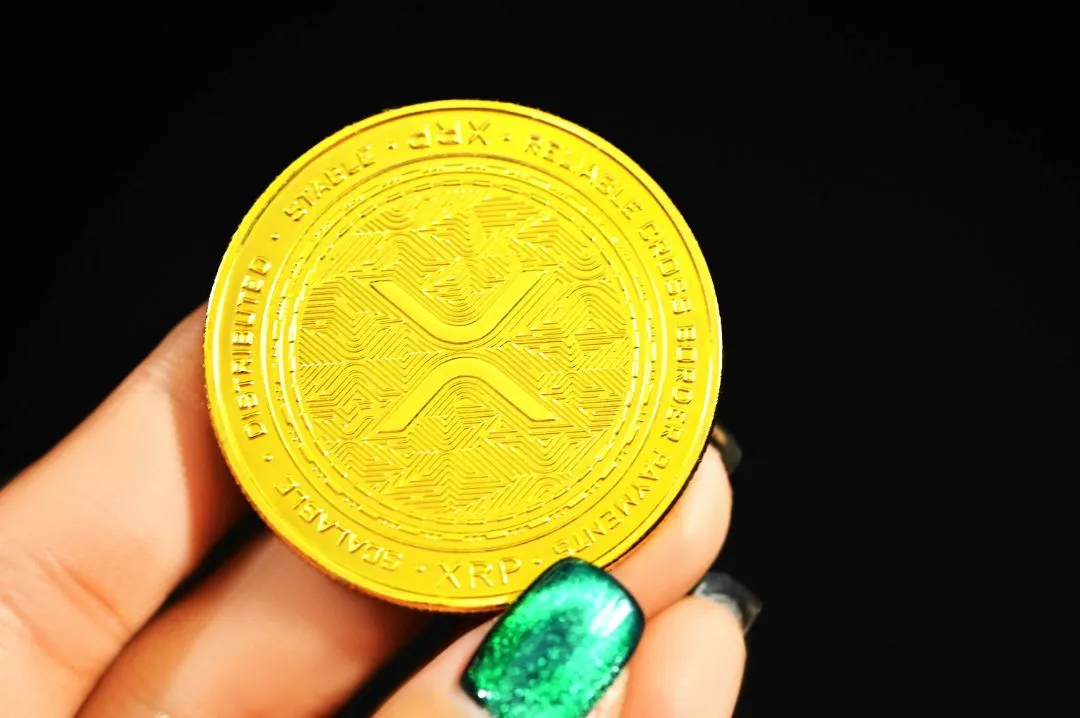
Photo by Wael Hneini on Unsplash


Backpack Exchange

The new exchange, Backpack Exchange, incorporates cutting-edge technologies such as zero-knowledge (ZK) proof-of-reserves, multi-party computation (MPC) for custody and low-latency order execution, among other features. These technologies are poised to enhance the security, privacy and efficiency of the exchange in an effort to set it apart in the competitive crypto market.

By all accounts, this will not be the last licensing announcement from Backpack. Over the past five months, Backpack Exchange has been working to secure operational licenses across multiple jurisdictions worldwide. This global expansion showcases the company’s interest in taking its product offering in the form of a secure and transparent trading experience further afield.


Fiat-to-dApp bridge

While the wallet currently operates without specific regulatory oversight, it serves as a bridge for users to transition seamlessly from fiat to on-chain applications. Armani Ferrante, CEO and Co-Founder of Backpack, expressed his ambition to bring greater transparency to the crypto exchange sphere. He emphasized the importance of trust and verification in a sector often shrouded in opacity.

Ferrante believes that leveraging cryptographic techniques such as zk-proofs, MPC, and state machine replication can elevate industry standards. Backpack Exchange aims to set a precedent by providing users with the tools and knowledge to verify transactions, ultimately fostering trust and confidence within the crypto community.

Dubai’s VARA regulator has been actively enhancing its crypto-friendly regulatory environment. In February 2023, the regulator issued guidelines for VASPs operating within the emirate, emphasizing the importance of adhering to marketing, advertising, and promotion regulations. Violators may face fines ranging from 20,000 UAE dirhams ($5,500) to 200,000 dirhams, with repeat offenders potentially incurring fines as high as 500,000 dirhams.


Solana ecosystem project

Backpack is very much a Solana-centric project. As a lead developer of the layer one blockchain, Ferrante is bullish in terms of future development on the Solana blockchain. His Mad Lads NFT project is the top-rated collection by market cap within the Solana ecosystem.

In a podcast earlier this year, he outlined that the prospects for the blockchain are bright going forward. Backpack was first established by crypto infrastructure firm Coral, the creator of Anchor, one of the most popular smart contract developer frameworks for Solana.

For existing Backpack and Mad Lads users (Mad Lads is a collection of 9,966 NFTs created by Ferrante), exciting prospects are on the horizon via the new exchange. Initial access to Backpack Exchange will be granted starting in November, with full public availability anticipated in Q1 2024. During this interim period, Backpack plans to introduce various trading functionalities, including derivatives, margin trading and cross-collateralization.

More to Read
View All
Web3 & Enterprise·

Oct 12, 2023

WOO Network Repurchases Shares in 3AC Settlement

WOO Network Repurchases Shares in 3AC SettlementWOO Network, a Taiwan-based liquidity provider, has reached a settlement with Teneo, the liquidator of bankrupt Singapore hedge fund Three Arrows Capital (3AC).The settlement involves the repurchase of shares and tokens acquired by 3AC during WOO’s Series A fundraising round in November 2021. This resolution brings finality to 3AC's contentious involvement with the Taiwanese firm.Photo by Joss Woodhead on UnsplashClosing out 3AC involvementOn Wednesday WOO announced the share and token repurchase via a blog post published to its website, signaling the resolution of its dealings with Three Arrows Capital and, consequently, bringing an end to the uncertainties that had enveloped their partnership.In addition to this, a total of 20 million WOO tokens, valued at over $3 million, were repurchased and sent to a burn address to ensure they couldn’t be accessed by anyone. 3AC had not only acquired equity but also 25 million WOO tokens, with the remaining set to vest over the next 12 months.Jack Tan, Co-Founder of WOO Network, emphasized the significance of resolving the 3AC-related issues. Tan commended the proactive collaboration with liquidators to secure a fair agreement for repurchasing their shares, along with vested and vesting tokens, from 3AC’s estate. Tan also welcomed the opportunity to move on from the 3AC entanglement, stating:“The past 18 months have seen a concentration of bad news hit our industry from large-scale failures to more overzealous regulators. A thorough cleansing of the system has taken place and we are looking forward to rebuilding with our partners and team.”Equally WOO Network community members are happy with the outcome, with one stating on X (formerly Twitter): “This is a huge win for the project and its community.”By repurchasing these shares and tokens, WOO Network has effectively severed its ties with 3AC and its creditors, paving the way for a more focused growth trajectory in the upcoming year. Jack Tan observed that the cryptocurrency industry has faced an influx of adverse developments in recent times, including significant failures and heightened regulatory scrutiny. He emphasized that a comprehensive restructuring of the system has occurred and expressed optimism about the future, looking forward to rebuilding alongside their partners and team.In light of these recent developments, WOO Network is poised to move forward with renewed vigor, leaving behind the tumultuous period of the 3AC fallout. This strategic resolution not only ensures a fair and equitable outcome for shareholders but also heralds a promising future for WOO Network in the ever-evolving world of cryptocurrency.According to data from CoinGecko at the time of publication, the WOO Network token price experienced an increase of 1.45% over the past 24 hours, settling at $0.1709, with its trading volume increasing by 2.8% to $8.79 million. However, over the past 30 days, the crypto token has recorded gains of nearly 10.8%, indicating resilience and a positive outlook as it navigates the evolving landscape of the digital asset market.This development, along with the cryptocurrency’s recent performance, underscores the potential for growth and renewed promise within the WOO Network ecosystem. More clarity has been brought to the future of the business as a consequence of bringing finality to this contentious issue.

news
Web3 & Enterprise·

Apr 12, 2023

South Korea’s GDAC Suffers $13M hack

South Korea’s GDAC Suffers $13M hackSouth Korean cryptocurrency exchange, GDAC, has suffered a significant hacking incident that has resulted in the loss of approximately 23% of its custodial digital assets.©Pexels/PixabayThe hack occurred on Sunday when some of the exchange’s hot wallets were breached, and the stolen assets were transferred to an unidentified wallet. GDAC reported the incident on Monday and disclosed that the exchange lost over $13.1 million in Bitcoin, Ether, Wemix, and USDT, with more than $10 million in Wemix.According to blockchain analytics firm Arkham Intelligence, the hacker has since swapped the USDT for ETH, sending 461 ETH to cryptocurrency tumbler, Tornado Cash. The hacker used three separate wallets to take funds from two of the exchange’s hot wallets. Arkham has labeled the wallets as follows:GDAC Hacker 1: 0x244615D99684175d31369332039b2D84ce925EC5GDAC Hacker 2: 0x62B5eb2cb925Ce2898f9327B235b3228e7Cac1C2GDAC Hacker 3: 0x87597bDB421482190e223aCa0A4DEAd75AB0a98DGDAC deposits/withdrawals suspendedGDAC has suspended its withdrawal and deposit services and reported the incident to the Korea Internet and Security Agency and the Financial Intelligence Unit. The exchange has also requested other cryptocurrency exchanges to block incoming transactions from suspicious addresses.In a notice posted on its website, GDAC CEO Seunghwan Han apologized for the suspension of deposits/withdrawals and concern relative to the hack, adding that the firm will be working towards investor protection and safe withdrawal of funds in due course. GDAC also posted the breakdown of the digital asset quantities lost in the hack, with the hacker stealing 60.80 BTC, 350.5 ETH, 10,000 WEMIX and 220,000 USDT.Crypto hacks increasingThis hacking incident comes at a time when cryptocurrency hacks have been on the rise. According to blockchain analytics firm Chainalysis, illicit actors stole $3.8 billion worth of assets last year, the largest one-year loss in crypto’s history. In addition, other crypto platforms have also suffered notable hacks and exploits in the past 15 to 18 months. Axie Infinity’s Ronin bridge, for example, suffered a $625 million hack last year, and decentralized-finance protocol Sushi was exploited for $3.3 million on Sunday.GDAC is not the only South Korean cryptocurrency exchange to suffer a significant hacking incident. In 2018, Coinrail was hacked, resulting in the loss of approximately $40 million worth of assets, and in 2021, Upbit suffered a $50 million hack.In response to these incidents, South Korea has taken steps to tighten regulations around cryptocurrency exchanges. In March 2021, the country’s Financial Services Commission issued a revised regulation that requires cryptocurrency exchanges to maintain stricter anti-money laundering measures and report suspicious transactions.The GDAC hack is a stark reminder of the risks associated with cryptocurrency investing and the importance of implementing robust security measures. Investors and cryptocurrency exchanges should take note of this incident and ensure that they have adequate security measures in place to protect against potential hacks and exploits.

news
Policy & Regulation·

Dec 07, 2023

Korbit relists blockchain gaming token WEMIX

Korbit relists blockchain gaming token WEMIXKorbit, a major fiat-to-cryptocurrency exchange in South Korea, is relisting WEMIX, a cryptocurrency issued by blockchain gaming company Wemade. Korbit’s decision follows in the footsteps of its local competitors, Coinone and Gopax, who have also recently reinstated WEMIX. The WEMIX token is used to pay transaction fees, stake and vote on governance proposals.Starting at 1:00 a.m. UTC on Dec. 7, Korbit users gained the ability to create a WEMIX wallet and deposit the token on the exchange. Trading and withdrawals of WEMIX will be enabled at 3:00 p.m. UTC on the same day.The Korbit exchange only accepts WEMIX deposits originating from the Wemix network. Deposits of WEMIX sent from other blockchain networks, including BNB Beacon Chain, Ethereum and Klaytn, may be processed improperly and carry the risk of becoming irretrievable.Photo by Asa E-K on UnsplashDecision reversal and underlying rationalesOver a year ago, the Digital Asset eXchange Alliance (DAXA), a coalition of the five Korean fiat-to-crypto exchanges — Upbit, Bithumb, Coinone, Korbit and Gopax — collectively decided to delist WEMIX from all their platforms. This decision was based on several concerns, including unreliable disclosure of the token’s circulating supply, provision of inadequate and misleading information to investors and inconsistencies in the data provided during the explanation period. These issues collectively eroded trust in the company.However, Korbit has determined that the previously identified issues with WEMIX have been addressed. The exchange observed that the circulating supply of WEMIX has been reduced to a level that aligns with the schedule initially submitted to DAXA. The launch of the WEMIX mainnet rectified the discrepancy where the circulating supply displayed on crypto data platforms like CoinMarketCap was twice the actual figure. Additionally, the collateral that Wemade had deposited in decentralized finance (DeFi) protocol Kokoa Finance has been recovered.The crypto trading platform also believes that Wemade has resolved the problem of providing misleading information to investors by making corrections to its third-quarter earnings report.Regarding data fallacies, Korbit holds the view that the game publisher has taken steps to address the inaccuracies in the data previously provided to the alliance. These efforts to reduce uncertainty and fulfill disclosure responsibilities include several measures: Wemade now live-updates the circulating supply of WEMIX and other pertinent details on its official blog. The gaming company has also entrusted the management of its non-circulating WEMIX supply to Ceffu, the sole institutional custodian for Binance, a global crypto exchange. Furthermore, Wemade now makes announcements about token movements whenever they occur.Restrictions imposed on GopaxMeanwhile, Korbit stated its commitment to complying with voluntary regulations and common listing guidelines established between DAXA members. This statement is particularly noteworthy in light of the recent developments with Gopax. Gopax faced the three-month suspension of its voting rights from DAXA, following the relisting of WEMIX.

news
Loading