Top

As Excitement for First US Spot Bitcoin ETF Intensifies, South Korea Still Faces Mountain to Climb

Policy & Regulation·October 25, 2023, 8:35 AM

The price of bitcoin has surged significantly as it recorded an 18% increase in the past week, spurred by mounting anticipation surrounding the US’ first spot bitcoin exchange-traded fund (ETF) propelled by asset management juggernauts BlackRock and Fidelity Investments — a threshold that had not been crossed in over a year. According to CoinMarketCap, bitcoin is trading in the upper $33,000 range as of 5 p.m. KST on Wednesday.
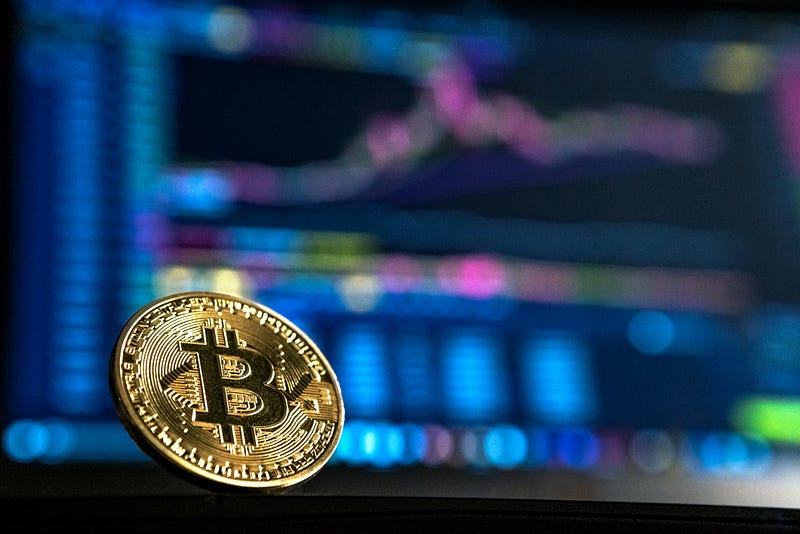
Photo by André François McKenzie on Unsplash


Ongoing buildup

The approval of a spot bitcoin ETF — long rejected or delayed due to a plethora of reasons like the volatility of cryptocurrencies and their susceptibility to market manipulation — would in the long run open up the possibility for institutions to earmark bitcoin as a major asset that can be integrated into the sphere of traditional finance. This would make bitcoin easier to handle and increase its exposure to traditional investors. “The mere possibility of this development marks a significant shift in the market landscape,” said an unnamed executive at a Korean asset management company in a news article by South Korean news outlet Maeil Business Newspaper.

BlackRock’s spot bitcoin ETF, the iShares Bitcoin Trust, was also listed on the US Depository Trust & Clearing Corporation (DTCC)’s website with the ticker symbol IBTC on Monday before it mysteriously disappeared the following day. It has since been relisted on the website. The listing is “all part of the process of bringing ETF to market”, as explained by Bloomberg’s senior ETF analyst Eric Balchunas via his X (formerly Twitter) account on Tuesday.


Is a spot bitcoin ETF on the table for Korea?

However, Korean experts believe that there are still numerous hurdles to overcome in order for a spot bitcoin ETF to settle in Korea. In particular, some question whether cryptocurrency platforms that offer custodial services can even be classified as exchanges. There is also the issue of bitcoin’s varying prices across different exchanges. Its current price on Upbit, the country’s largest crypto exchange, is in the KRW 45.9 million range as of 5 p.m. on Wednesday. Local financial authorities have reportedly expressed skepticism about bitcoin ETFs for these reasons, suggesting a murky future for this development becoming a reality in Korea.

More to Read
View All
Markets·

Apr 21, 2023

True Potential of Asian Crypto ETFs Yet to Be Realized

True Potential of Asian Crypto ETFs Yet to Be RealizedA recently published report by Hong Kong Exchanges and Clearing Ltd. (HKEX), the Hong Kong stock exchange, has found that crypto exchange traded funds (ETFs) have the potential to play a significant part in unlocking the next phase of digital asset expansion in Asia.©Pexels/Burak The WeekenderThe report, titled “Crypto ETF: Key to unlocking the next phase of digital asset growth in Asia,” highlights how crypto ETFs could attract more institutional investors and lead to increased liquidity in the digital asset market. Furthermore, HKEX claims that the ETF investment mechanism can play its part in offering a more regulated and safe manner through which investors can gain exposure to digital assets.Regulatory progressWhile the report cites an Asian regulatory environment that is becoming increasingly more supportive of digital assets of late, it still identifies a need for further progress to be made to improve the level of regulatory clarity and to provide a truly standardized approach to digital assets. That, it says, will result in crypto ETFs becoming more accessible, offering a diversified way in which the investor can access and gain exposure to digital assets in Asia.Nonetheless, HKEX applauds the work done thus far by regulatory authorities in Hong Kong and Singapore, where regulatory frameworks relative to crypto ETFs have been implemented. Those are measures that the Hong Kong stock exchange believes will increase investor confidence, and in turn, bring about further adoption of digital assets.Modest daily trading volumeBetween December 16 and February 7 the two Bitcoin ETFs and one Ether ETF listed on the Hong Kong stock exchange achieved a daily trading volume of $1.19 million. That’s rather underwhelming when compared with the $3 billion in daily volume being achieved by the Chicago Mercantile Exchange (CME) relative to its Bitcoin and Ether futures ETF in the United States. On the New York stock exchange ProShares Bitcoin Strategy ETF achieves a daily average trading volume of $196 million.These findings are a bit counter-intuitive given the contrasting regulatory approaches in the two territories. In the US, regulators have failed to approve a physically settled Bitcoin ETF. Furthermore, the Securities and Exchange Commission (SEC) has denied the attempts of Grayscale Bitcoin Investment Trust (GBTC) to convert the Bitcoin fund into an ETF. Meanwhile, Hong Kong has much more regulatory clarity but yet trading volume in crypto-related ETFs remains minuscule by comparison with the United States.Despite that, the report remains upbeat with regard to what can be achieved in the market with crypto-related ETFs. It makes a case for crypto ETFs as a means for traditional financial institutions to enter the digital assets market with relative ease. Similarly, it sees a role for global stock exchanges in facilitating future growth of crypto-related ETFs and in developing new ETF products that could unlock access to specific digital assets or bespoke investment strategies.

news
Policy & Regulation·

May 29, 2025

Thailand plans to enable tourists to spend crypto

The Thai government is planning to enable tourists to spend crypto via credit card, according to information revealed by Thailand’s finance minister on May 26.Photo by rc.xyz NFT gallery on UnsplashPichai Chunhavajira, the Southeast Asian nation’s finance minister and deputy prime minister, delivered a keynote speech at an investment seminar in Bangkok in which he outlined that while some countries enable people to purchase goods directly with cryptocurrency, another option is to allow consumers to link their digital assets with other services such as credit cards.  In that way, the consumer can spend crypto through credit card services. English language news outlet The Nation reported that Chunhavajira confirmed that the government is preparing to launch a pilot project that would allow tourists to spend crypto in this manner within Thailand. Seamless conversion from crypto to fiatWith this system, merchants would still receive payment in Thai baht. From the point of view of the user, crypto could be spent but any exchange between crypto and fiat currency would happen seamlessly and automatically via the credit card service provider’s platform.Discussions between officials from the Bank of Thailand and the Ministry of Finance are ongoing with regard to the proposed scheme. It’s understood that similar existing models which have been introduced overseas are being examined. It’s likely that the pilot program is the same as the project that was announced by Chunhavajira in January when he alluded to a program enabled for foreign tourists visiting the Thai tourist resort of Phuket. At that time, it was envisaged that the scheme would adhere to existing legal frameworks and implicate identity verification through a third party service provider, with conversion from crypto to Thai baht to be enabled such that there would be no material difference experienced by merchants. Targeting touristsThis is not the first occasion in which tourists have been targeted by crypto-related initiatives. Earlier this month, it was announced that Binance Pay, a crypto payment service offered by global crypto exchange Binance, had partnered with the government of the Buddhist kingdom of Bhutan to launch the world’s first national-level crypto tourism payment system. In July 2024, the governor of Jeju Province in South Korea advocated for the use of non-fungible tokens (NFTs) and crypto as part of Jeju Island’s tourism strategy. Last December the province announced a digital transformation roadmap that sets out a cashless future. Plans include the introduction of a system for converting digital assets and facilitating payment methods from neighboring countries like China and Japan. However, not all governments have been keen to facilitate tourists in spending crypto. In May 2023, the governor of the province of Bali in Indonesia cautioned foreign visitors to the region against the use of cryptocurrencies as a means of payment for goods and services. Governor Wayan Koster warned that visitors using cryptocurrency for payments could face severe consequences, including criminal penalties and deportation.

news
Markets·

Apr 23, 2024

Korean won overtakes U.S. dollar in Q1 crypto trading dominance

In the first quarter of this year, South Korea witnessed a significant surge in cryptocurrency trading volume, with transactions worth $456 billion conducted in South Korean won on centralized crypto exchanges, according to data from Kaiko. This surge has propelled the South Korean won to the forefront as the most-used currency for crypto trading, surpassing the U.S. dollar during the same period. Photo by Sesinando on PexelsCrypto over stock marketThe country, amidst this soaring demand for cryptocurrencies, is preparing to implement regulations aimed at safeguarding investors. South Korea's cryptocurrency market, renowned for its activity, briefly outpaced the country's stock market during the recent crypto bull run in March.  The local market is predominantly dominated by five fully licensed exchanges, with Upbit leading the pack, accounting for over 80% of the market share on most days, as highlighted by Kaiko. Other major global exchanges like Crypto.com and Binance are also eyeing entry into the South Korean market, with Crypto.com launching its retail trading platform in the country on April 29 and Binance acquiring a significant stake in Gopax in 2023. Growing regulatory frameworkDespite regulatory efforts to fortify investor protection, including the enactment of the Virtual Asset User Protection Act in July 2023, South Korea continues to work on further regulatory frameworks. The legislation aims to curb illicit activities in the crypto market and mandates safeguards for user funds, including storing over 80% of deposits in cold storage and enrollment in insurance programs to mitigate potential security breaches. Additionally, efforts are underway to standardize crypto token issuance and enhance information disclosure for investors through the development of a second part of the User Protection Act.

news
Loading