Top

Korean Securities Firms Unite to Build Shared Security Token Infrastructure

Web3 & Enterprise·September 13, 2023, 5:44 AM

Shinhan Securities, KB Securities, and NH Investment and Securities are gearing up to sign a memorandum of understanding (MOU) later this month to establish a security token consortium, according to South Korean news outlet MoneyToday.

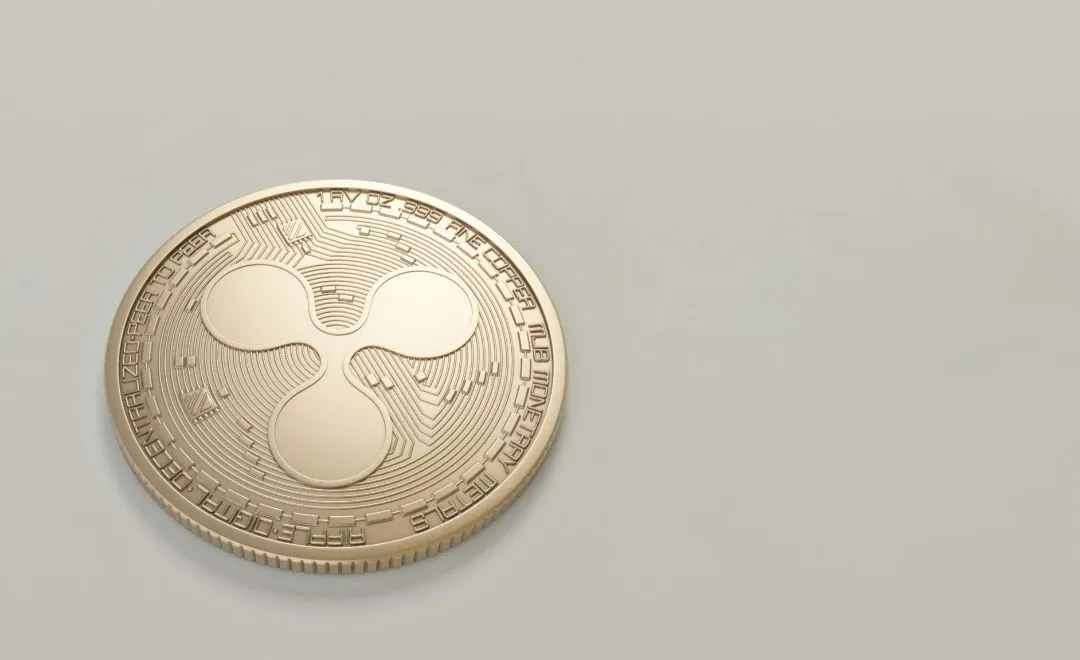
Photo by Louie Nicolo Nimor on Unsplash


Shared infrastructure

The primary objective of this consortium is to create a shared infrastructure for their security token operations. This initiative marks the first instance where the nation’s major securities firms are getting together to set up a security token consortium. Until now, securities companies have typically sought collaborations with banks, fractional investment firms, or blockchain technology companies, showing reluctance to cooperate with their direct competitors over concerns of potential loss of competitiveness.

An expert within the securities industry underscored the paramount importance of securing control over the infrastructure, particularly given that the security token market has not materialized. The expert further stated that once a collaborative network is built among the leading securities firms, it is likely to set the standards for the entire market. Meanwhile, the precise details of the plan have not yet been finalized.


Challenges in prior initiatives

Since the South Korean Financial Services Commission revealed the security token guidelines in February, the securities sector has been deliberating the creation of a shared network that would be accessible to all industry participants. This kind of system is considered ideal as it facilitates flexible expansion and cost efficiency. However, the discussion came to a halt due to conflicts between the Korea Securities Depository, the Korea Financial Investment Association, and fintech firm Koscom.

Meanwhile, installing an independent network is not very feasible, given that it not only incurs significant costs upfront but also has limited potential for expansion. This is why these industry leaders devised an alternative strategy in which they can collectively share the financial burden. In addition, Shinhan, KB, and NH plan to explore joint business models with the aim of maximizing the utility of their security token infrastructure.

More to Read
View All
Web3 & Enterprise·

Nov 07, 2025

Hana Financial Group bets on stablecoins and AI as crypto adoption surges in South Korea

Hana Financial Group, one of South Korea’s largest financial institutions, plans to establish a new task force focused on digital assets, according to a report by News1. The move comes as the cryptocurrency market continues to expand and institutional adoption grows worldwide.Photo by POURIA 🦋 on UnsplashGroupwide crypto task forceThe company intends to use the task force to develop a coordinated response system linking its banking, card, and securities subsidiaries. It also plans to introduce crypto-related products, services, and infrastructure in line with forthcoming legislation on digital assets. As its first initiative, the task force will focus on stablecoin-related projects, including issuance and reserve management. Another key objective is to build a merchant network that enables customers to make payments using stablecoins. Beyond its crypto initiatives, Hana Financial Group also aims to expand the use of artificial intelligence (AI) to advance its digital finance capabilities. Ongoing AI research at the Hana Institute of Technology will serve as the foundation for integrating AI across the group’s subsidiaries, with a particular focus on enhancing sales divisions. Commenting on the initiative, Chairman Ham Young-joo said the group will strengthen its capabilities in both crypto and AI, underlining the transformative potential of digital assets in capital markets and payment networks. Paycoin expands retail acceptanceThe rising adoption of cryptocurrencies in South Korea is reflected in Paycoin’s (PCI) recent expansion into the convenience store chain Emart24. Operated by Danal Fintech, the blockchain affiliate of Danal, Paycoin now allows customers to make purchases with its PCI tokens at Emart24 locations, according to a report by Etoday. With 7-Eleven scheduled to start accepting PCI later this month, the digital asset will soon be usable across all four major convenience store chains in the country, joining CU and GS25, which already support it. Building on this momentum, Paycoin aims to expand its utility across a wider range of sectors, including restaurants, sports facilities, shopping malls, and accommodations. The platform has already established a presence at well-known eateries such as Domino’s and Pizza Hut, as well as at Dal.Komm, Danal’s coffee chain. Market manipulation probesHowever, the growing acceptance of digital assets has also brought side effects—specifically, a rise in crypto-related crimes. Amid stricter oversight, South Korea’s Financial Supervisory Service (FSS) has voted to refer alleged cryptocurrency market manipulators to law enforcement. The decision concerns two separate cases, Edaily reported. In the first case, a suspect is accused of generating illicit profits by artificially inflating the price of a particular cryptocurrency. The individual reportedly accumulated tokens worth billions of Korean won before placing a series of sell orders at higher prices. Using an application programming interface (API), the suspect repeatedly executed these orders, prompting ordinary investors to buy in and drive prices even higher—ultimately securing profits for the manipulator. The second case involves multiple individuals accused of employing similar methods across various tokens. They allegedly used APIs to automate trades, creating false impressions of high trading volumes and inflated prices to reap unlawful gains. These developments offer a broader view of how South Korea’s nascent digital asset industry is taking shape. The growing presence of cryptocurrencies in everyday life reflects Seoul’s push to align with the global trend of embracing crypto as both a new payment method and an emerging asset class. While crime prevention and investor protection remain key concerns, forthcoming legislation is expected to give regulators clearer guidelines. Ranked 15th worldwide in crypto adoption in this year’s Chainalysis study, South Korea continues to stand out as a market that merits close attention from investors and industry observers alike. 

news
Web3 & Enterprise·

Sep 19, 2023

KOTEC and Busan Techno Park Join Hands to Boost Technological Growth of Busan Enterprises

KOTEC and Busan Techno Park Join Hands to Boost Technological Growth of Busan EnterprisesThe Korea Technology Finance Corporation (KOTEC) announced that it signed a cooperative agreement with Busan Techno Park on Monday at Busan Techno Park’s headquarters to support the growth of enterprises and offer financing for technological development. Under the agreement, KOTEC and Busan Techno Park have established a mutually beneficial system to jointly nurture and support tech companies based in Busan that are striving to commercialize data and blockchain technologies.Photo by Christopher Lee on UnsplashFostering tech innovation in BusanKOTEC is a non-profit government-affiliated institution aimed at financing innovative small and medium-sized enterprises (SMEs) for technology development. It offers services like credit guarantees, technology appraisal, equity investments, and technology transfers. Busan Techno Park is a regional industrial innovation institution for the southern port city of Busan, which operates a cooperative system among industrial, academic, and governmental agencies for the technological advancement of local companies.The two entities have committed to sharing information about companies that require financing for technological advancement — such as technological challenges that they may face — and promote joint projects related to technology investment and financing. They also aim to gather data resources for technology transfer, evaluation, and commercialization.KOTEC has marked Busan as a regulation-free special zone for companies that reside there. The demarcation of regulation-free special zones aims to foster the innovative and strategic development of a certain region. It is also operating a system under a regulatory sandbox preferential guarantee, which aims to facilitate accelerated market entry for businesses specializing in blockchain technology, maritime mobility, ammonia energy, and more.Empowering financing for technological advancementThe regulatory sandbox is a system run by the Korean government that exempts or suspends existing regulations for a designated amount of time for companies releasing new products and services and regulates them post-mortem if there is a problem. Under the sandbox policy, preferential guarantees refer to a technology guarantee fund that provides guarantees up to KRW 2 billion (approximately $1.5 million) for loans of facility funds to companies subjected to temporary approval and decreases the guarantee rate by up to 0.5%.In March, KOTEC was designated as a data appraisal agency by the Ministry of Science and ICT. Since then, the corporation has been implementing the data value plus guarantee — a product that determines the economic value of data and provides guarantees accordingly.“We will actively contribute to the government’s national tasks, including providing prioritized support for the cutting-edge future strategy industry. We will make even greater efforts to contribute to job creation and regional economic development,” said Kim Se-hyun, Head of KOTEC’s Busan-Gyeongnam Regional Office.

news
Policy & Regulation·

Dec 15, 2023

Banking giants in Turkey embrace crypto ahead of legislative change

Banking giants in Turkey embrace crypto ahead of legislative changeIt remains unclear what the underlying environment for the further development of the crypto sector in Turkey will be until such time as the country introduces a legislative framework to shape the industry’s development. However, that fact is not deterring a couple of Turkey’s leading banks, who have decided to embrace the digital asset realm.Photo by Michael Jerrard on UnsplashStablex acquisitionOn Monday CoinDesk Turkiye reported that the investment arm of Turkish bank Akbank had acquired local crypto company Stablex. Stablex was founded in May 2020 by Jihad Shannak with the objective of providing professional services, including trading relative to cryptocurrencies in Turkey. Majority shareholding passed to Ak Investment in May of this year, with initial negotiations on the sale having commenced in August 2022.A high-ranking official at Ak Investment expressed the group’s ambition to become a pivotal figure in the digital asset realm, signaling a proactive approach to the evolving financial landscape. Akbank also banks the majority of crypto start-ups based in Turkey.Speaking about the acquisition recently, Akbank executive Mert Erdoğmuş stated:“We have invested in Stablex to respond to the need for reliable and innovative service in the cryptocurrency market. Stablex reflects our values with its experience in the sector, pioneering achievements and professional service approach.”BBVA crypto walletAlongside Akbank’s move into the digital assets arena, Garanti BBVA, Turkey’s second largest private bank, recently unveiled its crypto wallet app. The feature-rich application includes a cold wallet, empowering users to seamlessly send and receive assets such as bitcoin (BTC), USD Coin (USDC) and ether (ETH).The pilot project for the app commenced in August, with the application currently available on iOS. In bringing the app to market, the bank created Garanti BBVA Digital Assets, a dedicated subsidiary firm. Commenting on that development back in August, the subsidiary’s Chairman of the Board, M. Çağrı Süzer, stated:”Our research shows that customers significantly value trust in their crypto transactions and especially on its storage. Hence, we are happy to launch our Crypto Custody Wallet addressing these real needs.”Despite uncertainties, Turkey has firmly established itself in the global crypto landscape, ranking among the top 20 countries in Chainalysis’ Global Crypto Adoption Index 2023. The instability of the Turkish lira in recent years has been a driver for crypto adoption in the country. In recent days, the bitcoin unit price has reached its highest exchange rate level against the local sovereign currency.Earlier this week, it emerged that crypto platform Blockchain.com is adding headcount and has its sights set on expansion into Turkey as one of its growth opportunities.FATF-compliant regulatory approachTurkey’s regulatory stance has been to take a cautious approach. In 2021, the central bank restricted the use of crypto for payments, although a complete ban on digital assets was ruled out by officials.Looking ahead, a government official revealed plans for crypto legislation to be presented to Parliament in November. While details remain scarce, this legislative move aligns with Turkey’s broader strategy to exit the Financial Action Task Force’s (FATF) “gray list.”

news
Loading