Top

Nuvei Teams Up with Mastercard on APAC Instant Payouts

Web3 & Enterprise·August 30, 2023, 6:11 AM

Nuvei, a crypto-friendly Canadian fintech firm, has partnered with global payments giant Mastercard, unveiling plans to bring nearly instantaneous payout capabilities to online trading platforms and investors, with a strong focus on the Asia Pacific region.

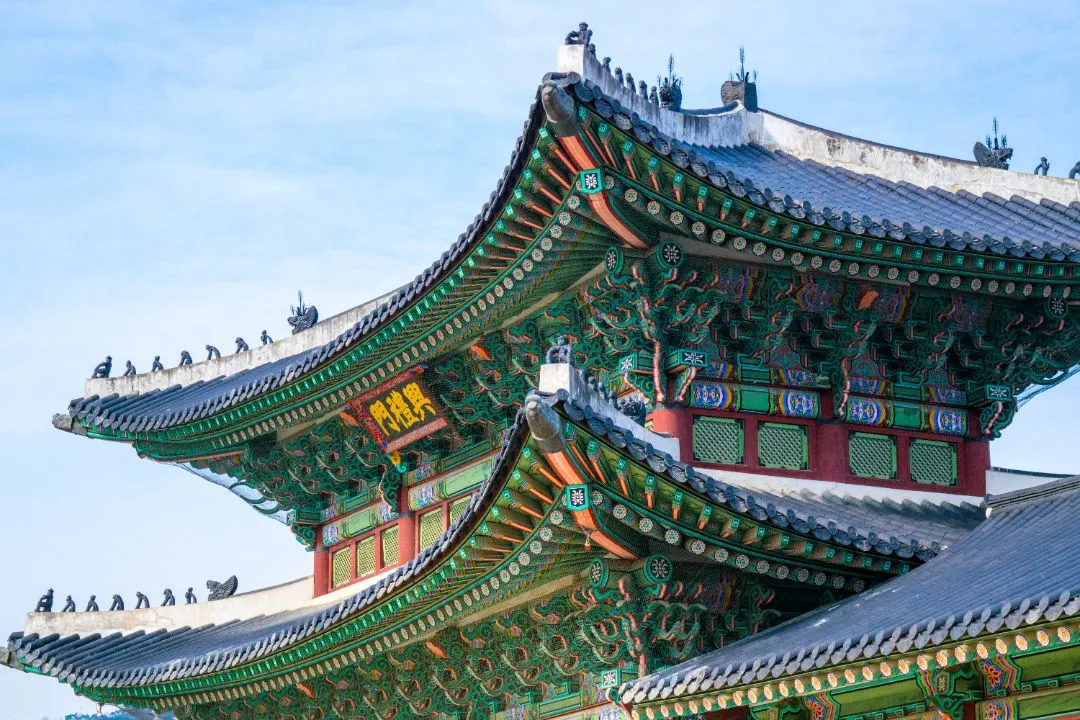
Photo by Allison Saeng on Unsplash


Harnessing Mastercard Send

This collaboration, announced by Mastercard on Monday, harnesses the power of Mastercard’s Send service. Mastercard Send is a payment solution that enables secure, real time fund transfers for organizations around the world, in over one hundred markets.

The service has already been made available to Nuvei’s clientele in Singapore, with Nuvei claiming that it will speed up payments for the benefit of the merchants and consumers that make up its user base.

An increase in the rate of digitalization, spurred by growth in online trading and remote working on an international basis is fueling a need for ever more seamless and rapid payment solutions. Through the use of Mastercard Send, traders are able to cash out of their investments immediately and efficiently.

Commencing later this year, Nuvei will extend the service to customers in Australia and Hong Kong.

“Trading platforms rely on fast, secure deposits and payouts to optimize user experience. Partnering with Mastercard Send enables us to offer our partners another trusted, instant payout method that will win new traders and generate revenue growth,” said Philip Fayer, the Chair and CEO of Nuvei.

This sentiment was echoed by Sandeep Malhotra, Executive Vice President of Products & Innovation, Asia Pacific at Mastercard. “Given the boom in online trading in the Asia Pacific region, Mastercard Send presents Nuvei’s customers with the opportunity to improve the payments experience for their users while standing to grow their own revenues — a win-win,” he said.


Crypto service offering

Nuvei claims to have an active customer base spread across two hundred countries, offering more than six hundred alternative payment methods. As part of its array of services, the fintech firm has also been active relative to crypto.

In a move that served to integrate crypto alongside its conventional payments products, Nuvei purchased crypto payments firm Simplex in 2021. Simplex was founded in 2014, offering fiat to crypto conversions involving over fifty cryptocurrencies, while integrating with global exchanges such as Binance and OKX.

Later that year, the Canadian fintech company collaborated with Mastercard rival Visa, in offering crypto friendly debit cards. Late last year, it signed a deal with Danish blockchain-based payment platform e-Money. This arrangement saw Nuvei enable a fiat on-ramp for e-Money’s euro stablecoin (EEUR).

Nuvei recently released its 2023 second quarter results, recording a 68% increase in total trade volume at $50 billion compared to $20 billion in the same period last year. Earlier this year, the firm announced that it was acquiring Atlanta-based integrated payments provider Paya as part of a deal believed to be worth some $1.3 billion.

More to Read
View All
Web3 & Enterprise·

Jun 25, 2024

HashKey to list platform token later this year

Hong Kong-based digital asset financial services firm HashKey Group has announced its intention to list its platform token, HSK, in Q3 2024. HSK tokenomicsThe company set out details of the HSK listing via a series of posts on the X social media platform. The HSK token is based on the Ethereum ERC-20 token standard. Total token supply will be capped at one billion, 65% of which will be allocated towards ecosystem growth. The team will be incentivized by the allocation of 30% of the supply while 5% will be held back in a reserve fund.  Regarding the token’s burning mechanism, HashKey revealed it retains the discretion to repurchase up to 20% of net profits from specified businesses and subsequently burn the acquired tokens from the total supply.Photo by Zoltan Tasi on UnsplashAirdrop imminentIn a statement shared with The Block, HashKey Group detailed that HSK will be integrated across its various products and applications. The community airdrop, launching in late June, aims to encourage user participation. The company stated:“HSK is scheduled to launch a community airdrop through HashKey's core businesses in late June, encouraging users to contribute to community building.” The company believes that HSK will incentivize ecosystem contributors when it comes to development of its layer-2 ecosystem chain, the HashKey Chain. That incentive structure, the company maintains, will result in contributors “providing robust support,” while acting as a “driving force for on-chain users and assets.”  Integration with external ecosystemsThe firm outlined that the HSK token is designed to integrate with external crypto ecosystems so as to best facilitate synergy between internal and external collaborations. HashKey Group boasts a comprehensive Web3 ecosystem, inclusive of infrastructure, middleware, AI, DeFi, GameFi and the Metaverse. HashKey Group’s core businesses include HashKey Capital, HashKey Tokenisation and HashKey NFT. It also operates HashKey Exchange, a licensed cryptocurrency exchange in Hong Kong, with the exchange business having reached a $500 million assets-under-management (AUM) milestone earlier this month.  HashKey Cloud, a Web3 infrastructure provider, formed a strategic partnership with the Aptos Foundation last month with a view towards progressing projects relative to decentralized identity (DID) and security token offerings (STOs). HashKey Global, a global exchange launched in April, has risen to ninth spot in terms of overall crypto exchange trading volume. In January, HashKey Group announced that it raised nearly $100 million in its Series A financing round, achieving a pre-money valuation above $1.2 billion. In September, the investment arm of the company, HashKey Capital, launched a $100 million fund focused on altcoins.

news
Policy & Regulation·

May 19, 2025

South Korea’s DPK to propose crypto bill with $3.58M stablecoin reserve minimum

South Korea's Democratic Party of Korea (DPK) plans to introduce a bill this week aimed at establishing a legal framework for digital assets, according to Edaily. The move is part of the party's ongoing efforts to advance its crypto policy agenda ahead of the upcoming presidential election. The proposed law would define the legal status of digital assets and set rules for their issuance, distribution and listing. The bill is expected to keep the requirement for Korean won-pegged stablecoin issuers to obtain authorization with a minimum reserve of 5 billion won ($3.58 million), a key point of debate.Photo by Brady Bellini on UnsplashA DPK official stated that the bill has been drafted and is set to be introduced to the National Assembly this week, following feedback from internal subcommittees. Most of the provisions remain consistent with last month’s draft, but final comments are still being collected on stablecoin reserve requirements, which have been a major point of discussion. Defining digital assetsThe bill defines digital assets as "electronic records with economic value based on blockchain technology" and establishes a regulatory framework for issuers, exchanges and custodians. Key provisions include permitting initial coin offerings (ICOs) and creating a digital asset committee under the Financial Services Commission (FSC). This committee would oversee legal framework design, market monitoring, and policy promotion. Additionally, an industry association will establish a separate committee to oversee token listing practices, ensuring consistent listing standards across exchanges. The most contentious part of the draft has been the regulations for won-based stablecoins. It classifies stablecoins as digital assets akin to fiat currency, requiring a minimum reserve of 5 billion won and authorization from the FSC. It also mandates real-time reserve disclosures, secure asset custody and quarterly reporting. Divide over stablecoin reserve requirementOpinions on the reserve requirement are divided. Some industry insiders argue that the 5 billion won threshold is too high, creating a barrier for startups. Others believe a minimum capital requirement is necessary due to stablecoins' role in payments and their potential as currency substitutes. Lee Jung-yup, president of the Blockchain Law Society, stressed that stablecoins must maintain a basic level of trust, warning that those failing to meet the 5 billion won threshold could become prone to insolvency or fraud. However, Lee acknowledged concerns about the centralized regulatory approach led by financial authorities and the potential for market dominance by large corporations. He suggested exploring the creation of an independent regulatory body for cryptocurrencies, warning that overly strict regulations could stifle domestic digital finance innovation amid growing global competition. Crime surges with market growthWhile regulations continue to evolve, crypto crimes are also rising sharply amid the expanding digital asset market. According to Segye Ilbo, South Korean police arrested about 2,100 individuals for crypto-related offenses last year—17 times more than in 2017, when data collection began. The total losses from such crimes now exceed 1 trillion won ($714 million) annually. Since the election of U.S. President Donald Trump, known for his crypto-friendly stance, Korea's crypto market has experienced rapid growth. This surge has raised concerns about an increase in fraud targeting investors chasing quick profits. 

news
Web3 & Enterprise·

Dec 28, 2023

Mt.Gox creditors start to confirm receipt of first repayments

It's been nearly ten years since the infamous collapse of the Japanese bitcoin exchange Mt. Gox, with some creditors of the defunct business now claiming to have finally received their long-awaited repayments.Photo by Su San Lee on UnsplashSubreddit payment confirmationsTestimonies shared on the Mt.Gox creditor subreddit and a dedicated Telegram channel reveal that certain payments, in the form of Japanese yen, have been distributed to creditors who opted for PayPal as their preferred mode of receipt. Excitement marked the early stages of this repayment process. Users on Reddit joyfully shared their experiences, with one exclaiming:"I got money!! I just got my initial payment via Paypal!!"This development comes after Mt.Gox rehabilitation trustee, Nobuaki Kobayashi, had previously extended the repayment deadline from Oct. 31, 2023, to Oct. 31, 2024. However, last month, Kobayashi informed creditors that certain cash repayments would be initiated before the year's end. Despite efforts to expedite the process, the sheer volume of creditors and the complexities involved mean that repayments will continue into 2024. The collapse of Mt.Gox in early 2014 triggered global regulatory responses and initiated a nearly decade-long bankruptcy and corporate rehabilitation process. The exchange fell victim to a series of hacks between 2011 and 2014, leaving a lasting impact on the cryptocurrency landscape. The commencement of repayments has been hanging over the crypto market for many years, with many fearing that the process may have a dampening effect on the bitcoin unit price, given that funds are being distributed in Japanese yen and bitcoin. Earlier this year, the U.S. government indicted two Russian nationals for laundering funds stolen from Mt.Gox, shedding light on the enduring legal ramifications stemming from the exchange's demise. Double payment glitchHowever, it appears the process encountered some glitches, as other Reddit posts indicated that a few creditors received double payments via PayPal, adding a new layer of complexity to the already intricate Mt. Gox saga. Reddit users, such as u/rlycreativename, have shared emails they claim to have received from the Mt.Gox Rehabilitation Trustee. The emails acknowledge a system issue leading to inadvertent double transfers and legally obligate recipients to return the surplus amount. While some users have complied with the request and returned the duplicated funds, others have expressed hesitancy, citing the historical challenges creditors faced in obtaining their money. The situation has evoked discussions on Reddit, with users debating whether the Trust deserves a swift return, considering the prolonged struggle creditors endured to reclaim their funds. While it may be tempting for some creditors to hold on to the duplicate payment, such a decision may only serve to heap more misery on long-suffering Mt.Gox creditors. The recent case of Jatinder Singh and Thevamanogari Manivel would be very relevant for creditors to consider. Singh was a customer of well-known digital assets platform Crypto.com. In 2021 the firm inadvertently transferred $10 million to his account. Singh conspired with Manivel to withdraw and keep the funds. A community corrections order of 18 months has been imposed on Manivel in Australia while Singh will be sentenced in February.  

news
Loading