Top

Zodia Custody and Blockdaemon Partner on Institutional Staking

Web3 & Enterprise·June 06, 2023, 11:44 PM

London-based cryptocurrency storage provider Zodia Custody, a portfolio company of Japan’s SBI Holdings, has entered into a partnership with blockchain infrastructure provider Blockdaemon relative to crypto staking.
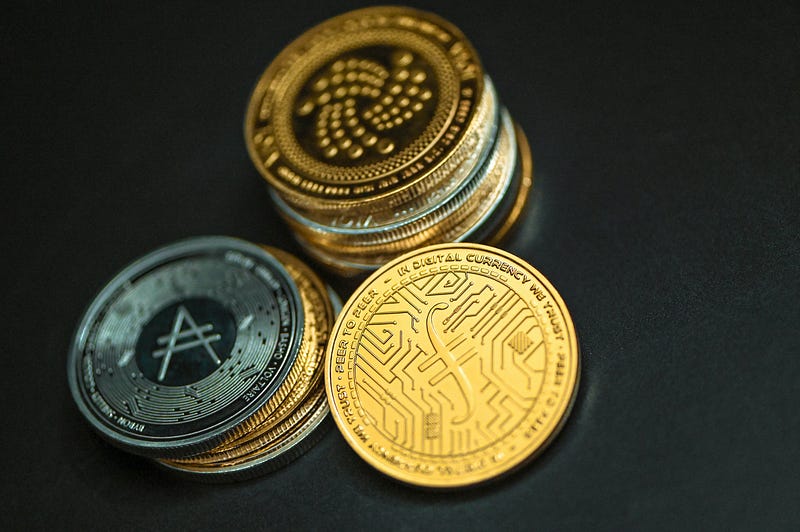
Photo by Traxer on Unsplash


Institutional interest

Blockdaemon announced the crypto staking collaboration, tailored to institutional clients, on Twitter on Tuesday. This move comes as institutional interest in staking, the process of contributing digital assets to support blockchain networks and earning rewards, continues to surge.

Following the Ethereum network’s Shapella upgrade on April 12, the amount of ether (ETH) staked increased by an impressive 4.4 million, reaching a total of 22.58 million ETH (equivalent to $42 billion) as of May 23. This remarkable growth in staked assets reflects the growing confidence in the Ethereum network and the potential for substantial returns.


First bank-owned custodian

Zodia Custody is a subsidiary of the well-known multinational bank Standard Chartered and backed by prominent institutions such as Northern Trust alongside SBI Holdings. It claims the title of being the first bank-owned custodian to provide staking services exclusively to institutional clients. This collaboration enables Zodia Custody to leverage Blockdaemon’s infrastructure to deliver secure and efficient staking solutions, catering to the specific needs of institutional investors.

Blockdaemon has been at the forefront of facilitating seamless integration between traditional financial institutions and the emerging crypto industry. Earlier this year, the company introduced a wallet service targeted at the institutions and crypto custodians. The wallet assists clients in managing their assets securely, eliminating the need for third-party storage solutions. By partnering with Zodia Custody, Blockdaemon expands its portfolio of services, capitalizing on the rising demand for staking among institutional investors.

The firm’s CEO and Founder, Konstantin Richter, stated that the partnership with Zodia “allows stronger security, automation and simplification of the process to participate in staking, truly accelerating Web3 innovation.”


LMAX collaboration

Earlier this month Zodia partnered with digital asset trade execution specialist LMAX Digital to provide a combination of institutional-grade trading infrastructure and custody services to crypto asset manager, Coinshares.

Institutional investors, traditionally cautious about entering the crypto ecosystem, are now becoming more proactive in engaging with digital assets. Staking, with its potential for consistent and predictable returns, has emerged as an appealing opportunity. By participating in staking, institutions not only contribute to the efficient functioning of blockchain networks but also enjoy the rewards associated with validating transactions and securing the network.

The partnership between Zodia Custody and Blockdaemon exemplifies the industry’s efforts to bridge the gap between traditional finance and the rapidly evolving world of cryptocurrencies. As more institutional clients seek exposure to digital assets, it becomes essential to provide them with secure and reliable solutions tailored to their specific requirements.

With demand for staking services continuing to rise, institutional players are recognizing the value of taking a more active part in the crypto ecosystem. With Zodia Custody and Blockdaemon leading the way, the opportunities for institutional clients to engage in staking and reap the rewards are set to expand, further fueling the growth of the entire crypto industry.

More to Read
View All
Policy & Regulation·

Jan 24, 2025

Hong Kong regulator extends swift licensing process to new applicants

Having introduced its swift licensing process late last year, Hong Kong's Securities and Futures Commission (SFC) has extended access to the process to all new virtual asset trading platform (VATP) applicants. In a statement published on its website on Jan. 16, the regulator outlined that it is extending the swift licensing process to new applicants. Back in December, the SFC approved licensing relative to four exchanges under the expedited process. Those additions included Accumulus GBA Technology Co., DFX Labs Company, Hong Kong Digital Asset EX and Thousand Whales Technology (BVI).Photo by Ruslan Bardash on UnsplashSeven licensed VATPsThat has brought the total number of licensed exchanges to seven, as HashKey, OSL and HKVAX were the first exchanges to be approved. In November, fifteen licensing applications relative to virtual asset platforms, had been pending. According to SFC CEO Julia Leung, the regulator had hoped to issue licenses to eleven VATPs by the end of 2024.  The new expedited process requires applicants to “implement their policies, procedures, systems and controls before conducting an external assessment on these measures.” The regulator decided to extend the swift licensing process due to the effectiveness of the SFC’s engagement with other applicants, relative to the regulatory standards being put in place, implemented through on-site inspections being carried out. Fostering a healthy ecosystem Commenting on the development, Dr. Eric Yip, the SFC’s Executive Director of Intermediaries, stated:“The SFC is committed to fostering a healthy ecosystem and a robust regulatory framework for the development of virtual assets in Hong Kong. With the new approach, we will enhance our collaboration with VATP applicants, providing them with constructive and timely feedback, thereby enabling fully compliant VATPs to bring their services to investors more swiftly.” While the regulator is awarding licensing on an expedited basis through the swift licensing process, licensing is conditional. The VATP can operate on a restricted scope of business once it has completed rectification actions following feedback provided by SFC inspectors.  In October Yip outlined the SFC’s plans to create a consultative panel consisting of senior management executives from licensed VATPs. The objective of the panel is to gather feedback and concerns from licensees, adjusting the regulatory framework where deemed appropriate, relative to that feedback. Commenting on the initial introduction of the expedited approval system last December, Yip stated: “We have been proactively engaging with VATPs’ senior management and ultimate controllers, which helps drive home our expected regulatory standards and expedite our licensing process for VATPs. We aim to strike a balance between safeguarding the interests of investors and facilitating continuous development for the virtual asset ecosystem in Hong Kong.” The Hong Kong government has also been working towards incorporating a stablecoin bill, which will establish a regulatory framework with regard to fiat-referenced stablecoins. The SFC also intends to introduce licensing for crypto custodians in 2025.

news
Policy & Regulation·

Aug 26, 2023

Binance Takes P2P Service Measures in Response to Sanctioned Russian Banks

Binance Takes P2P Service Measures in Response to Sanctioned Russian BanksGlobal crypto exchange Binance has removed the option for users to conduct transactions via sanctioned Russian banks on its peer-to-peer (P2P) platform, a decision that comes on the heels of a Wall Street Journal exposé published earlier this week, shedding light on the platform’s involvement in facilitating the movement of funds for Russian users.Previously, Binance’s peer-to-peer service featured five Russian banks under sanctions as a method for ruble transfers between users. However, the company swiftly acted to address potential compliance concerns. Fittingly, this latest news was also broken by the Wall Street Journal on Friday.Dmitry Sidorov on PexelsSailing too close to the windWhen approached regarding the omission of these banks, a Binance spokesperson stated: “We regularly update our systems to ensure compliance with local and global regulatory standards. When gaps are pointed out to us, we seek to address and remediate them as soon as possible.”The Wall Street Journal’s article outlined how Binance’s peer-to-peer platform facilitated ruble-to-crypto trades that frequently involved the sanctioned Russian banks, with Rosbank and Tinkoff Bank being prominent examples.These trades often utilized layers of intermediaries to convert funds from these banks into Binance balances, as detailed by various company resources, user screenshots, and messages in official chat groups. Despite these revelations, Binance’s exchange had continued to handle significant volumes of ruble trading, according to data compiled by digital asset research firm CCData.US DoJ probeBinance’s activities in Russia could potentially contribute to its ongoing legal challenges in the United States. The US Justice Department (DoJ) has been probing the company’s actions for potential violations of American sanctions on Russia. In response to such concerns, the Binance spokesperson emphasized:“Binance aims to diligently comply with the global sanctions rules and enforces sanctions on people, organizations, entities, and countries that have been blacklisted by the international community, denying such actors access to the Binance platform.”WorkaroundsTraders, however, had reportedly found workarounds to the bank removals, as observed in the official Telegram chat group for Russian clients. Many shared that they could still engage with sanctioned banks by selecting alternative payment methods and then manually inputting their Rosbank or Tinkoff bank details.Earlier this year, an investigative report by CNBC alleged that employees of the company had told it that Binance staff regularly helped Chinese customers to bypass Know Your Customer (KYC) controls in order to access the platform. More recently, another report, once again by the Wall Street Journal, found that business in China was booming, which surprised many given that China banned crypto trading within the country in 2021.It’s apparent that the company is reacting to regulatory and legal pressures in taking the decision to make these changes to its P2P service. Perennial crypto critic US Senator Elizabeth Warren took to X (formerly Twitter) on Friday, stating:“I rang the alarm about sanctions evasion by Russia using the crypto platform Binance — and urged [the DoJ] to investigate potentially false statements it made to Congress. We need stronger crypto regulations to rein in illicit finance.“

news
Web3 & Enterprise·

Aug 04, 2023

Huobi Co-Founder Acquires 10 Million CRV Tokens

Huobi Co-Founder Acquires 10 Million CRV TokensJun Du, Chinese Co-Founder of Seychelles-headquartered global crypto exchange Huobi, has recently completed the purchase of 10 million curve tokens (CRV) from Curve founder Michael Egorov.Photo by Growtika on UnsplashCurve protocol loan exposureThe transaction amounted to $4 million and is part of Egorov’s ongoing efforts to mitigate his at-risk loan exposure, a further consequence of last week’s $52 million hack of the Curve DeFi protocol.Initially, Du expressed his interest in acquiring 10 million CRV tokens at the prevailing rate of $0.40. This price aligned with multiple over-the-counter (OTC) agreements between Egorov and various cryptocurrency individuals. According to a report by The Block, Du later confirmed the purchase through a Twitter direct message, revealing that he had chosen to lock up the acquired tokens as veCRV. This lock-up mechanism grants voting rights within the Curve platform while requiring the tokens to remain locked for a specified duration.“I intend to uphold this lock-up for at least a year, with optimism for continuous improvements within the Curve ecosystem,” Du stated, highlighting his commitment to the project’s long-term growth.On his Twitter account, Du emphasized his unwavering support for Curve, drawing parallels to his past backing of BendDAO during a liquidity crisis. He clarified: “Challenges faced now are transient, and collective support will foster a stronger industry.”Alongside being a Co-Founder at Huobi, Du holds the positions of CEO at New Huo Tech, a digital asset service platform, and Co-Founder and General Partner (GP) at the Web3 fund ABCDE.Ongoing token sell-offIn actively managing liquidation risk, Egorov is persistently offloading CRV tokens to bolster his loan position, given his significant exposure. He has utilized multiple DeFi lending platforms to secure loans, predominantly employing CRV tokens as collateral to borrow stablecoins. His borrowing activity on platforms like Aave alone has involved $56 million in stablecoins against $149 million worth of CRV collateral.Egorov’s health ratings on these platforms have improved recently, hovering around 1.67 or higher. Nonetheless, there remains a lingering risk associated with potential liquidation of his positions if CRV’s price were to dip substantially. This could potentially lead to bad debt scenarios for the platforms, particularly due to the substantial proportion of CRV supply involved.Sales of 72 million CRVEgorov’s token sales have amounted to 72 million CRV, according to Nansen analyst Sandra Leow. Notable recipients of these tokens include Tron Founder Justin Sun, crypto trader “DCFGod,” and Andrew Kang, Co-Founder of Mechanism Capital.Aave Chan Initiative, an entity tied to the Aave protocol, has proposed that the Aave treasury allocate funds to purchase up to $2 million worth of CRV tokens. The intention is to lock up these tokens as veCRV for an extended period, potentially up to four years. This move is aimed at further reinforcing the stability of CRV’s market dynamics.

news
Loading