Top

BOK Staffers Assess Crypto Market Vulnerabilities and Their Implications

Policy & Regulation·May 19, 2023, 2:24 AM

On Thursday, the Bank of Korea’s (BOK) staff members published an assessment of the vulnerabilities in the cryptocurrency market and their potential implications. Here is the summary of the report.

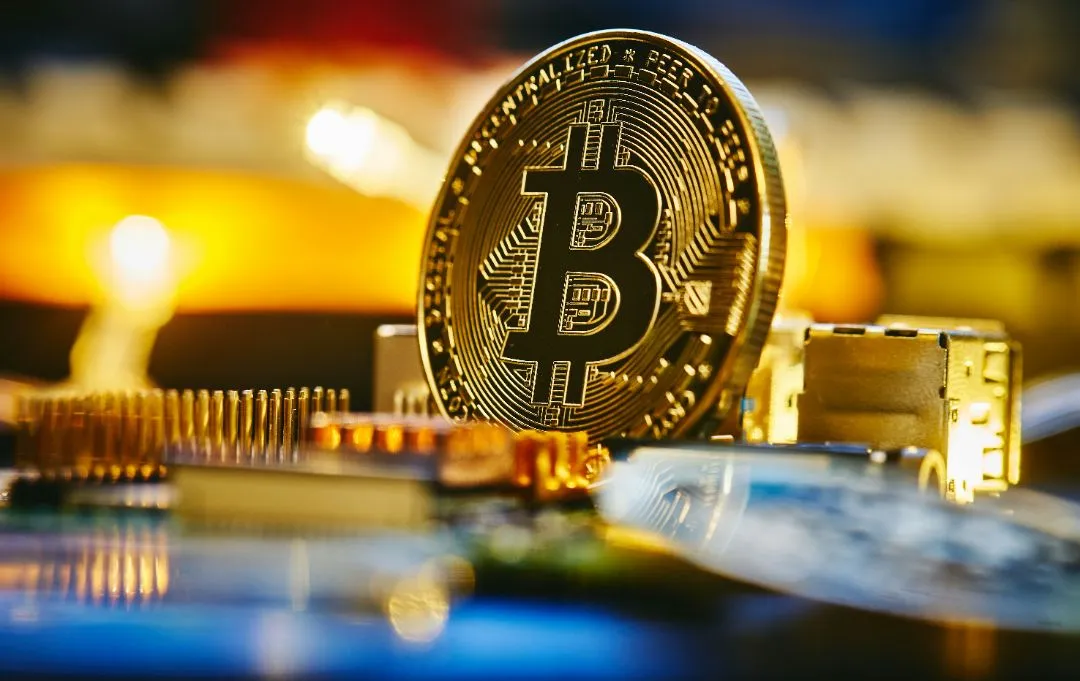
Photo by D Tan on Unsplash


2022 crypto winter

Throughout 2022, the worldwide crypto market faced a series of adverse occurrences, such as significant drops in the prices of major crypto-assets and the collapse of prominent crypto companies. These events shed light on the vulnerabilities that had accumulated during the rapid growth of the market.

The first major event occurred in May 2022 when the algorithmic stablecoin TerraUSD experienced a sharp decline, resulting in substantial losses and bankruptcies for numerous retail investors and crypto firms. This incident significantly eroded confidence in the overall crypto market. The subsequent bankruptcies of prominent crypto lender Celsius and hedge fund Three Arrows Capital (3AC) further highlighted the realization of risks commonly associated with traditional financial markets, such as multiple collateral loans and maturity and liquidity mismatches, within the crypto market.

In November 2022, the well-known crypto exchange FTX filed for bankruptcy, demonstrating that the activities of a large crypto company can propagate risks through moral hazard and excessive profit-seeking behavior when it operates outside the realm of regulatory oversight.


Similarities with TradFi

These negative events that unfolded in the global crypto market in 2022 share similarities with issues previously observed in financial markets, such as unsustainable business models, liquidity risk, leverage, and lack of transparency in financial conditions. These parallels suggest that if the crypto markets were subjected to comparable levels of regulation as traditional financial markets, it is plausible that the triggering of these risks could have been avoided altogether, or at the very least, the resulting damage could have been mitigated to some extent.


Implications for the Korean market

At present, it is deemed unlikely that events akin to those witnessed in overseas crypto markets will transpire in the Korean market. The Korean crypto-asset market has primarily evolved through exchanges, with limited influence from other enterprises such as crypto issuers and decentralized lending platforms. In addition, Korean crypto exchanges are subject to regulation under the Act on Reporting and Using Specified Financial Transaction Information. This mandates the separation of customer deposits from exchange assets and the strict management of custodial crypto-assets through secure wallets. Additionally, Korean exchanges are prohibited from listing their own tokens on their platforms.

However, there remains a dearth of information regarding the business structures of crypto companies that offer services similar to those in the traditional financial industry. This lack of information poses challenges in accurately assessing risk and providing adequate investor protection. Meanwhile, there is a potential for a deeper integration between the crypto market and users’ daily lives, particularly through major technology companies, gaming companies, and security tokens.


Suggestions

It is vital to ensure that crypto-assets are regulated based on the principle of “same activity, same risk, same regulation” through the ongoing development of crypto-asset-related legislation. The Financial Stability Board, an international body monitoring the global financial system, explained this principle in a 2022 paper: “Where crypto-assets and intermediaries perform an equivalent economic function to one performed by instruments and intermediaries of the traditional financial sector, they should be subject to equivalent regulation.”

Additionally, it is necessary to stay aligned with major countries in terms of the speed and comprehensiveness of regulatory measures to prevent regulatory discrepancies across borders due to the global nature of crypto risks.

Enhancing the effectiveness and efficiency of regulation requires the establishment and maintenance of a close cooperation system between authorities. This collaborative effort should encompass various aspects, including monitoring, information gathering, and supervision of the crypto-asset market. Notably, the widespread adoption of stablecoins can affect the stability of the overall financial system, including monetary systems and payment and settlement systems. Hence, it is necessary to strengthen the involvement of central banks in the monitoring and supervision framework for crypto-assets, including stablecoins, as demonstrated by legislative approaches adopted by major economies like the EU. Furthermore, imposing disclosure requirements, external audits, and documentation submission obligations on crypto-asset operators is advisable.

More to Read
View All
Web3 & Enterprise·

Jan 26, 2024

Bakkt targets business expansion in Asia

Bakkt Holdings, a software as a service (SaaS) and API platform for owning and trading cryptocurrency, has unveiled its plans for an extensive expansion into Asia and other crypto-friendly international jurisdictions. Focus on Hong Kong and SingaporeAccording to a recent press release, Bakkt has broadened its footprint into two additional Asian markets, namely Hong Kong and Singapore. This strategic expansion aligns with the company's key objectives for 2024. Data from South Korean Web3 advisory and research firm Tiger Research suggests that Asia is poised to become the epicenter of the global crypto landscape within the next five years. In particular, Singapore and Hong Kong have emerged as dominant forces in the Asian crypto landscape. Their well-defined regulations, favorable tax structures and status as international financial hubs have attracted major players in the crypto industry. The announcement emphasizes Bakkt's commitment to making cryptocurrencies more accessible globally. The company envisions that crypto has the potential to enhance financial inclusivity and connect communities within the global economy. CEO Gavin Michael expressed excitement about the opportunities these regions present, highlighting the company's dedication to reaching millions of people through its crypto services.Photo by Jigar Panchal on UnsplashBroader global expansionBakkt's international expansion is not limited to Asia. Additionally, the company is targeting Latin America. Brazil, Argentina and Mexico lead the way in the adoption of crypto assets in Latin America. The digital assets solutions firm has successfully established crypto trading and on-ramp capabilities in Brazil and Guatemala, adding to its existing operations in Argentina and Mexico. Furthermore, Bakkt has plans to establish a presence in the United Kingdom and Australia in the coming months.   The decision to expand into these specific jurisdictions is influenced by the rapid growth of the crypto economy and the regulatory clarity observed in these regions. Despite global market fluctuations and recoveries, certain countries continue to welcome crypto-related businesses with robust regulatory frameworks. In collaboration with Bakkt Holdings, Hapi and SogoTrade have launched new crypto trading capabilities, expanding their offerings across Asia, Europe, North America and South America. Hapi, a stock trading platform, has extended its crypto trading services to Brazil, Guatemala and Spain, deepening its relationship with Bakkt. On the other hand, SogoTrade, a digital brokerage, has initiated crypto trading in Hong Kong and Singapore, marking the beginning of its foray into Asian markets. Bakkt, established in 2018, is focused on providing institutional-grade custody, trading and on-ramp capabilities. The company positions itself as a partner for sustainable, long-term crypto involvement. The firm was established with Intercontinental Exchange (ICE), the owners of the New York Stock Exchange, having a 66.7% controlling interest in the company.  Bakkt's strategic expansion into diverse international jurisdictions, including the Asian region, underscores its intention to enable global platform accessibility, together with its belief in the transformative power of cryptocurrencies within the financial landscape. 

news
Web3 & Enterprise·

Jul 29, 2023

Checkout.com Partnership Sees Alchemy Pay Extend Global Reach

Checkout.com Partnership Sees Alchemy Pay Extend Global ReachAlchemy Pay, a leading Singapore-headquartered fiat-crypto payment gateway, has announced a major collaboration with Checkout.com, a renowned payment processor serving global digital businesses.The partnership, announced by Alchemy Pay via a blog article published on Friday, allows the firm to seamlessly integrate Checkout.com’s Visa and Mastercard channels into its on and off-ramps, enabling effortless transactions between fiat currency and cryptocurrency worldwide. Furthermore, Alchemy Pay’s NFT Checkout product is also set to incorporate these channels in the near future, expanding the reach of the payment gateway even further.Photo by Jonas Leupe on UnsplashVisa and Mastercard integrationThe company claims that the integration of Visa and Mastercard payment rails via Checkout.com enables it to achieve one of the highest payment acceptance rates in the industry. This seamless integration allows users to easily buy and sell digital assets through Visa and Mastercard using the Alchemy Pay Ramp and NFT Checkout.Checkout.com is a leading global payments solution provider catering specifically to large global enterprise merchants, handling massive transaction volumes daily. In 2021 alone, the company processed hundreds of billions of dollars in payments. Its esteemed clientele includes major names such as Netflix, Farfetch, Grab, Sony, Pizza Hut, and Shein.As a premier payment processor, Checkout.com further strengthens its position by providing crucial support to prominent players in the crypto industry, including Circle and Kucoin, among others. The company’s offerings include higher global acceptance rates, enhanced conversion rates, reduced charge-backs, and comprehensive global coverage through a streamlined entry point.Bridging crypto and fiat economiesBy eliminating obstacles to widespread crypto and NFT service adoption, Checkout.com’s smooth conversion process aligns perfectly with Alchemy Pay’s mission of bridging the gap between fiat and crypto economies on a global scale.Digital assets don’t exist in a vacuum. The history of this new asset class is short, having emerged within a world where we have all engaged with a conventional finance system which continues to hold most of the wealth that exists. It’s vital therefore, that services like Alchemy’s broaden the ability to on and off ramp between crypto and fiat if we are to encourage ever greater participation in the crypto economy.Alchemy Pay has been actively pursuing collaborations with renowned global acquirers and payment processors to streamline its on and off-ramp processes. In April the company announced a collaboration that would see it enable domestic transfer payments in India via India’s Unified Payments Interface (UPI) system to effect crypto purchases. Earlier that month, it secured $10 million in funding from market maker DWF Labs, with the funding earmarked towards expanding the business within the South Korean market.Leveraging its payment channels, Alchemy Pay has successfully connected to key markets worldwide, enhancing its capabilities in global coverage and licensing, while also reducing transaction and operating costs.In addition to strategic partnerships, Alchemy Pay has an impressive track record of securing licenses in various countries and regions, including the United States, Canada, Indonesia, and Lithuania.

news
Web3 & Enterprise·

Jul 10, 2025

Remixpoint raises $215M to buy Bitcoin, CEO to receive salary in BTC

Remixpoint, Inc., an energy management solutions provider that trades on the Tokyo Stock Exchange (TYO:3825), has announced the raising of $215 million to finance its Bitcoin treasury while the company’s CEO has become the first public company executive in Japan to receive his entire salary in Bitcoin.Photo by Michael Förtsch on Unsplash3,000 BTC targetIn a statement published to X on July 9, the company outlined that it had raised ¥31.5 billion ($215 million). The proceeds will be entirely allocated to Bitcoin acquisition. The company is targeting the accumulation of 3,000 BTC.  As of June 16, the company held 1,051 BTC, valued at around $114 million. At today’s pricing, the funds raised would allow Remixpoint to buy a further 1,977 BTC. However, the firm warned that actual acquisition volume may vary depending upon Bitcoin pricing over a certain period of time, combined with the firm’s share price. Providing its justification for the funds raised, Remixpoint said that the decision reflected its “conviction in Bitcoin’s future,” a view that the company has formed following extensive internal discussion. Remixpoint initiated this treasury strategy in September 2024, compelled to do so due to concerns about the Japanese yen, with a desire to hedge against its depreciation. In addition to Bitcoin, the company has also bought altcoins such as Ether (ETH), Solana (SOL) and Dogecoin (DOGE). Japanese firms buying BitcoinRemixpoint is one of a growing number of Japanese firms to establish crypto-based treasuries. Japanese fashion retailer ANAP Holdings held 200 BTC as of July 8, with plans to acquire over 1,000 BTC by August. Publicly listed marketing business Agile Media Network stated in April that the company would make an initial purchase of ¥10 million worth of Bitcoin on a trial basis in an effort to determine if it's worthwhile to invest in the asset on a broader basis. Earlier this year, Japanese gaming firm Gumi announced plans to build up a Bitcoin treasury worth in the region of ¥1 billion. In recent months, SBC Medical Group, nickel processing firm S Science and textile manufacturer Kitabo have either added Bitcoin to their balance sheets or announced plans to do so. Japan’s standout Bitcoin treasury company is Metaplanet, a former hotel operator. Earlier this week, it emerged that the company aspires to build up a 210,000 BTC treasury. Furthermore, it plans to use its Bitcoin holding to buy cash-producing businesses, with a digital bank being one of its potential acquisition targets. On July 8, Remixpoint announced that it had taken the decision to pay the entire salary of its recently-appointed CEO, Takashi Tashiro, in Bitcoin. Tashiro will become the first Japanese CEO of a publicly-listed company to receive his salary in Bitcoin. Remixpoint said that it had taken this decision as part of a shareholder-perspective management outlook. In a tongue-in-cheek comment on X, market analyst Caleb Franzen said that "Now that the Remixpoint CEO is taking their salary in Bitcoin, I think Satya Nadella [CEO of Microsoft] will do the same any day now!" The emergence of crypto treasury firms has faced criticism. However, Elliot Chun, a partner at Architect Partners, asserted back in March that by 2030, a quarter of S&P 500 firms will have invested in Bitcoin.

news
Loading