Top

Mammoth Foundation signs deal with the Philippines’ AFAB for blockchain business collaboration

Policy & Regulation·November 23, 2023, 3:28 AM

The Mammoth Foundation, a blockchain research and development company, announced on Thursday that it has signed a memorandum of understanding (MOU) with the Authority of the Freeport Area of Bataan (AFAB) of the Philippines to establish business partnerships in the blockchain field. Under this agreement, the Mammoth Foundation intends to bring its blockchain technology to the Philippines as a part of efforts to expand its global business.

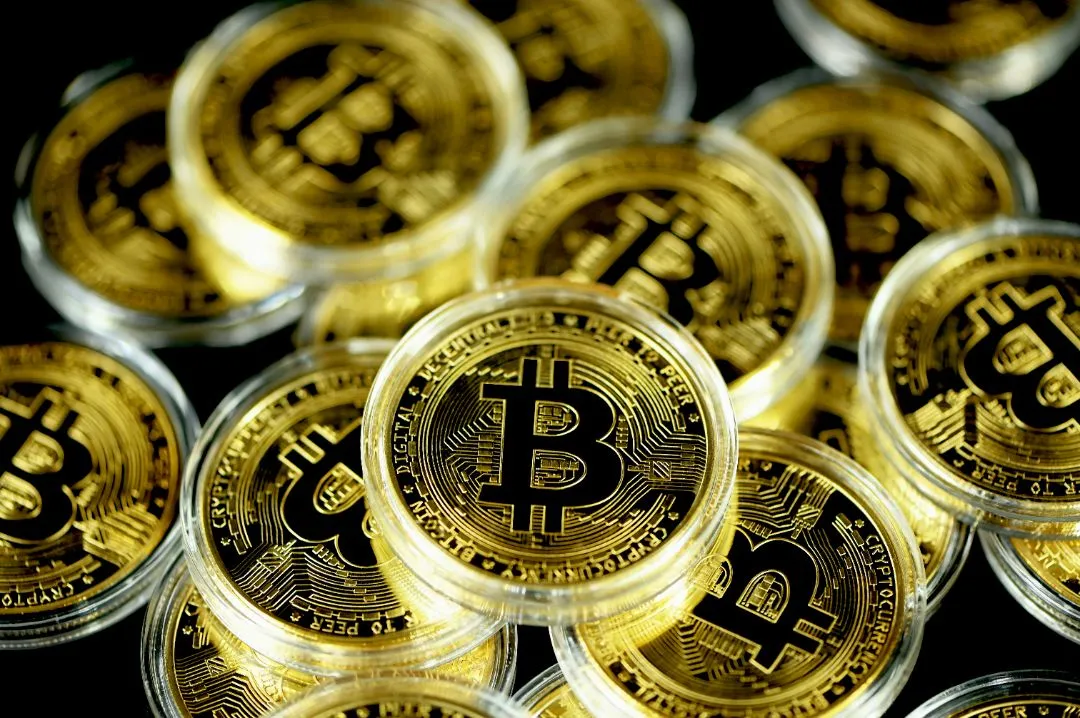
Photo by Sean Yoro on Unsplash


Fostering innovation in the Philippines

AFAB is a free economic zone in the Philippines dedicated to pushing development, economic growth and sustainability through creating jobs and establishing technologically-relevant infrastructure systems. In particular, it is focusing on the adoption of cutting-edge technologies such as blockchain, artificial intelligence (AI) and fintech. As one of the oldest free economic zones in Asia, companies residing in the zone are granted preferential measures such as tax exemptions and special visas. Firms that operate innovative businesses can also receive licenses to support the development of the global IT industry — the Mammoth Foundation being one of these.


Global expansion and daily engagement

Headquartered in Singapore with offices in the United Kingdom and several Asian countries, the Mammoth Foundation offers dApps in a range of fields such as healthcare, e-commerce, entertainment and gaming through its mainnet Giant Mammoth Chain (GMMT). GMMT is built on the BNB Chain Application Sidechain and is fully compatible with the Ethereum virtual machine (EVM).

Participants in GMMT can acquire token rewards through Play-to-Earn (P2E) and Life-to-Earn (L2E) mechanisms by participating in everyday activities and hobbies like walking, shopping, gaming and reading comics. These tokens can then be used within the Mammoth ecosystem.

“The Philippines’ market for advanced technologies such as AI and blockchain is expected to grow in the future,” said John Baek, Chairman of the Mammoth Foundation. “We will strive to expand GMMT globally.”

More to Read
View All
Web3 & Enterprise·

Sep 23, 2025

First Toyota vehicle in Bolivia purchased with USDT as inflation bites

In a first for Bolivia, Japanese automaker Toyota saw one of its vehicles purchased with the stablecoin USDT, according to a recent X post by digital asset trust company BitGo. The transaction underscores growing cryptocurrency adoption in the Latin American country, which is grappling with soaring inflation and a shortage of U.S. dollars. The transaction was facilitated by a partnership between Toyosa (the official Toyota distributor in Bolivia), BitGo, and Tether, the issuer of the USDT stablecoin. The sale highlights the increasing use of digital assets for commercial and retail payments, as the global stablecoin market cap recently reached an all-time high of $293 billion at the time of publication. Confirming the milestone, Tether CEO Paolo Ardoino stated on the social media platform X that, in addition to Toyota, the USDT stablecoin is now also accepted by distributors of BYD and Yamaha vehicles in Bolivia.Photo by Christina Telep on UnsplashCrypto use surges amid inflation and dollar shortage The development comes as Bolivia faces 25% inflation, the highest in 34 years. With the local economy under pressure, many Bolivians are moving their money into cryptocurrencies in an effort to protect their savings, according to Bloomberg. U.S. dollars have become increasingly scarce. Unofficial exchange rates have jumped to 14 bolivianos per dollar, nearly twice the government's rate. That gap is pushing people toward stablecoins like USDT, which are easier to access and hold their value. The shift is already showing up in payment trends. Digital transactions surged more than fivefold in the first half of 2025, reaching nearly $300 million. Regional adoption and Toyota’s blockchain pushThe rise in crypto use in Bolivia is part of a broader shift across Latin America. According to a recent report from analytics firm Chainalysis, crypto adoption in the region jumped from 53% to 63% in the 12 months ending June 2025. The only region to outpace this growth was Asia-Pacific, which saw a 69% year-over-year increase. El Salvador stands as another prominent example in the region, having adopted Bitcoin (BTC) as legal tender in September 2021 and currently holding over 6,300 BTC in its treasury. Separately, Toyota Motor Corporation has been actively exploring applications for blockchain technology. In March, its subsidiary Toyota Financial Services, in collaboration with Daiwa Securities and MUFG Bank, launched its first security token bonds on Progmat, a platform founded by MUFG with backing from other big banks like Sumitomo Mitsui Banking Corporation (SMBC) and Mizuho. The initiative is aimed at strengthening the Toyota Group’s ties with individual investors and supporting the growth of the digital bond market. 

news
Web3 & Enterprise·

Jun 19, 2023

Korean Investment Firm Partners with Open Asset to Build Security Token System

Korean Investment Firm Partners with Open Asset to Build Security Token SystemKorea Investment and Securities (KITC), one of the major securities firms in the nation, announced today that it signed a memorandum of understanding (MOU) last week with Seoul-based blockchain developer Open Asset to construct a distributed ledger system for a security token alliance led by KITC. That’s according to a report by local news outlet Dailian.Photo by Growtika on UnsplashSecurity token groupIn March, KITC initiated a security token group called “Korea Investment ST Friends” in collaboration with online banks Kakao Bank and Toss Bank, as well as Kakao Enterprise, an artificial intelligence (AI) solution provider. The primary objective of this alliance is to establish the necessary infrastructure for issuing products suitable for security tokens.Tech expertiseOpen Asset, led by its CEO Kim Kyung-up, boasts a team of tech talents. The company played a key role in the Bank of Korea’s central bank digital currency (CBDC) project and participated in the development of Kakao-backed initiatives such as the blockchain platform Klaytn and the digital wallet Klip.Future system integrationThe partnership with Open Asset aims to integrate the forthcoming distributed ledger system into KITC’s existing securities trading platform, creating synergies for its business. Additionally, the two entities are exploring the possibility of connecting the new platform with the systems of other participants in the group in the future.Choi Seo-ryong, the head of the platform division at KITC, emphasized the investment firm’s objective of establishing market standards for security tokens that offer numerous possibilities. He added that KITC will work with Open Asset to develop an innovative and efficient system.

news
Policy & Regulation·

Nov 15, 2023

Taiwanese cryptocurrency exchange under investigation for money laundering

Taiwanese cryptocurrency exchange under investigation for money launderingBitgin, a cryptocurrency exchange in Taiwan, is currently under police investigation for alleged money laundering, with its Chief Operating Officer, Yuting Zhang, arrested in connection to the infamous “88 Guild Hall” money laundering incident. The exchange is cooperating fully with the investigation and has assured users that its operations remain unaffected.Photo by Adam Jang on Unsplash‘88 Guild Hall’ scandalThe “88 Guild Hall” scandal, which unfolded from late 2021 to March 2022, implicated Zhang in a massive money laundering network. The controversy exposed a multi-billion dollar operation orchestrated by local businessmen Zhemin Guo and Chengwen Tu, utilizing a network of foreign exchange offices and crypto exchanges.Yuling Tsai, General Counsel of the Taiwan VASP Association, addressed the situation, stating: “This time, a member of the preparatory group was involved in the investigation case. The preparatory group immediately held a meeting and issued a public response. The members involved in the case also took the initiative to suspend participation in the work of the preparatory group.”Business as usualIn an official statement, Bitgin confirmed Zhang’s association with the scandal and clarified that the ongoing investigation has not disrupted its operations. The exchange emphasized its commitment to cooperating with authorities, providing all necessary assistance to facilitate a smooth investigation process.The statement reads: “At present, Bitgin is fully cooperating with the investigating unit and actively providing all necessary assistance to ensure the smooth conduct of the investigation and hopes that the facts can be clarified as soon as possible.”Bitgin also confirmed that in light of the charges, the COO has ceased all communications with counterparties.Focus on regulationTaiwan’s Financial Supervisory Commission (FSC) outlined earlier this year its intention to restrict the activity of non-compliant offshore crypto exchanges. While cryptocurrency exchanges are not officially regulated yet, local operators have taken cues from the FSC to move towards self-regulation. A preparatory group was formed in September with Bitgin participating as a founding member.While Taiwan still doesn’t have a regulatory framework in place, it has applied anti-money laundering (AML) regulation to crypto businesses. In August, leading crypto exchange Binance initiated steps to register for AML compliance in Taiwan.Earlier this year, Taiwanese officials suggested that they would foster self-regulation while proposing the classification of crypto regulations within their own unique business category. Efforts were furthered last month when legislators introduced a cryptocurrency bill for its inaugural reading.JPEX falloutBeyond Bitgin, Taiwan is grappling with the fallout from wayward crypto exchange JPEX, which is accused of orchestrating Hong Kong’s largest financial scam. The authorities raided the local office of JPEX and identified suspects involved in the alleged fraud. To compound matters, local police also uncovered a $320 million crypto money laundering operation earlier this month.The incidents highlight the ongoing challenges faced by regulators in the region as they strive to protect investors from fraudulent activities.As the investigation unfolds, the Taiwanese cryptocurrency industry, along with its self-regulatory initiatives, remains under scrutiny, emphasizing the broader need for regulatory frameworks to safeguard the interests of investors and maintain the integrity of the market.

news
Loading