Top

Samjong KPMG and Xangle to host a seminar to discuss crypto regulatory compliance

Policy & Regulation·December 29, 2023, 4:00 AM

Samjong KPMG, the South Korean division of global accounting firm KPMG, is gearing up to host a seminar on virtual assets. The event is scheduled for Jan. 5 (KST) and is organized in partnership with Xangle, a Web3 data intelligence platform. Earlier this month, the two entities agreed to collaborate in exploring on-chain data relevant to crypto accounting.

https://asset.coinness.com/en/news/d8c43e0a3ae78e165fe4f8488b144a65.jpg
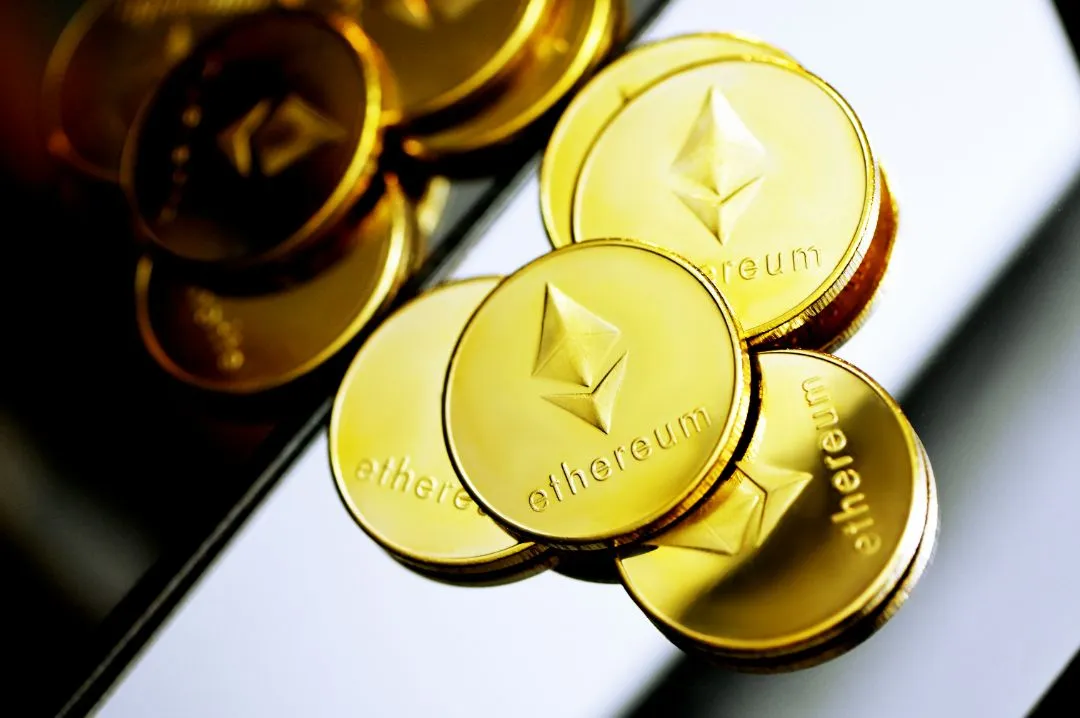
Photo by Markus Winkler on Unsplash

Growing crypto market

Recently, there has been a notable increase in the crypto market activity in South Korea, with the daily trading volume of virtual assets surpassing KRW 10 trillion (approximately $7.8 billion), equivalent to approximately $7.8 billion. In response to this burgeoning market, South Korea is looking forward to the implementation of the Virtual Asset User Protection Act in July. Additionally, last week, the country’s financial regulators issued the final version of new guidelines for cryptocurrency accounting and disclosure.


In light of these recent developments in South Korea's crypto market, the event organized by Samjong KPMG and Xangle aims to bring together crypto entrepreneurs to discuss strategies for adapting to the new corporate regulations concerning accounting, disclosure and internal control. This seminar will provide an opportunity for stakeholders in the crypto industry to prepare for the upcoming regulatory changes, ensuring compliance and effective management in this evolving financial landscape.


From market forecast to taxation

In the upcoming seminar, a series of talks are slated to shed light on the shifting landscape of the cryptocurrency market. The first presentation will feature Junwoo James Kim, Co-CEO of Xangle, who is set to present a forecast for the cryptocurrency market in the next year. 


Following Kim's presentation, Park Jong-baek, a Partner at law firm Bae, Kim & Lee, will take the stage. Park's expertise in legal matters will guide the audience through the current and forthcoming regulatory trends in virtual assets. Meanwhile, Choi Yeon-taek, Director at Samjong KPMG, will address the practical aspects of the recently released guidelines for cryptocurrency. His discussion will focus on their application in corporate accounting, disclosure and internal control.


Xangle’s Co-CEO Lee Hyun-woo will highlight the importance of complying with disclosure rules for virtual asset information, focusing on aspects like circulating supply. Furthermore, Samjong KPMG’s Director Kim Byung-kook will address taxation issues related to virtual assets.


Accounting transparency and investor protection

According to a report by local news outlet The Maeil Business Newspaper, Park Sung-bae, the head of the virtual asset business consulting division at Samjong KPMG, expressed optimism about the upcoming seminar’s potential impact. He hopes that the event will play a significant role in fostering a healthy cryptocurrency market. The focus will be on changing regulations that aim to enhance accounting transparency and protect investors, underlining the importance of adapting to these changes.


Echoing Park's sentiments, Lee from Xangle emphasized the importance of clear and well-defined regulations for the cryptocurrency market, given that such regulations enhance transparency and help maintain the overall health of the crypto ecosystem. He highlighted that despite various challenges and concerns, the crypto market has continued to grow. Lee expressed his hope that the seminar will be particularly beneficial for individuals and organizations involved in Web3 projects, aiding them in navigating and understanding the evolving regulatory environment. 


More to Read
View All
Policy & Regulation·

Apr 26, 2023

Web3 Offers Potential for Japan to Rediscover its Mojo

Web3 Offers Potential for Japan to Rediscover its MojoEveryone recognizes that Japan has been at the forefront of innovation and the development of technology in the past but can it rediscover that cutting edge through Web3 and blockchain? In a recent interview with Forkast News, Yudai Suzuki, Co-Founder of a Tokyo-based Web3 incubator, suggested that it has that potential.©Pexels/邱 韬Re-establishing a competitive edgeSuzuki, who heads up Fracton Ventures, believes that such a pivot is possible for Japan in making Web3 the means through which it can rediscover the innovative edge it has been lacking in more recent years.Despite an historical strength and depth in technology and innovation, Japan has struggled when it comes to adopting and implementing new technology on a global scale more recently.Legacy techEarlier this year, it emerged that leading Japanese technology companies were collaborating with a view to creating a new open metaverse infrastructure called “Ryugukoku.” That project implicates the creation of a Japan Metaverse Economic Zone. Suzuki cites this project as demonstrative of a key issue relative to the overall development of Web3 in Japan.The project involves Japan’s legacy tech companies such as Fujitsu and Mitsubishi. He goes on to clarify that the majority of Web3 projects in Japan are being led by the existing technology behemoths despite the fact that Japan is seeing the emergence of a Web3-native generation.Suzuki identifies that one of the fundamental aspects of Web3 is that every decentralized autonomous organization (DAO) that’s created is immediately global in nature. Allied with that, most of that 18–25 year old Web3 native generation in Japan want to break through language barriers and communicate on a global basis.That outward looking characteristic is positive but it’s not how venture investment has traditionally worked in Japan. He explains that the conventional approach to investing in start-ups in Japan has been to first look to dominate the Japanese market before going global. The Fracton Ventures founder believes that this is a flawed approach in today’s world and that by the time they’ve gotten to number one in Japan, it’s already too late in trying to achieve that on a global basis.Government responsibilitySuzuki places much of the responsibility in affecting a more appropriate approach on the Japanese Government. “If they focus only on these huge Japanese companies, they will not succeed,” he says. He is also critical of the regulatory approach. Suzuki believes that “the government wants to change the laws and set new regulations at an early date,” and with that, such over-regulation has resulted in crypto entrepreneurs leaving the field. Regulation needs to be set on a more flexible basis so that it can be easily updated and upgraded as the technology develops.Global MindsetHe highlights the importance of having a global mindset and being open to different ideas and perspectives in order to succeed in the Web3 space. The entrepreneur points to that Web3-native demographic in Japan, explaining that their mindset has changed to a more global one as a consequence of dabbling in Web3. The same he believes is necessary on the part of the government if Japan is to become a leader in the tech industry once again.

news
Web3 & Enterprise·

Jan 12, 2024

CoinGecko security breach latest threat within crypto space

The crypto space continues to suffer a disproportionate share of hacks and scams that were further exacerbated on Wednesday, with Malaysian crypto data aggregator the latest to succumb to a security breach. Serving as yet another stark reminder of the persistent threats plaguing the sector, a phishing scam targeted CoinGecko's X account, leading to a brief compromise that raised concerns about the safety of user information.Photo by GuerrillaBuzz on UnsplashPhishing scamDuring this incident, hackers posted a phishing link on CoinGecko's X account, falsely advertising a token airdrop for a cryptocurrency named GCKO. The deceptive post claimed that GCKO could be used for API services, including the cryptocurrency ANKR. Swift action by CoinGecko involved the removal of the fraudulent post and a public warning urging users to avoid interacting with any suspicious links or content. In an X post, CoinGecko wrote:”Our Twitter accounts @CoinGecko and @GeckoTerminal have been compromised. We're taking immediate steps to investigate the situation and secure our accounts. Please DO NOT click on any links or engage with suspicious content. Your security is our top priority.” Employee errorThe firm followed up with an update on Thursday, attributing the breach to a team member inadvertently clicking on a fraudulent Calendly link, granting unauthorized access to the hacker. Despite having two-factor authentication (2FA) enabled and employing robust security measures, CoinGecko emphasized that the inadvertent click allowed unauthorized access. The compromised accounts were then exploited to disseminate misleading information and potentially engage in malicious activities. CoinGecko expressed sincere apologies for any confusion or inconvenience caused by the incident. The company reiterated its commitment to platform security and continuous improvement of internal controls, assuring users that corrective measures were promptly implemented. SEC incompetenceCoinGecko's security incident occurred within 24 hours of a similar occurrence involving the U.S. Securities and Exchange Commission (SEC). The SEC's X account was compromised, with scammers posting a false message from Chair Gary Gensler about the approval of spot bitcoin exchange-traded funds (ETFs). While CoinGecko identified a vulnerability in its security regimen, the SEC later confirmed that the breach in its case was far more basic. It was not due to infrastructure attacks but rather the lack of 2-factor authentication (2FA) tied to the SEC's account, the most basic form of operations security. Gensler and the SEC have come in for major criticism from the crypto community in the U.S. due to a policy of regulation by enforcement that has been pursued. With that, the Commission came in for swift and harsh criticism in the immediate aftermath of its X account hack. Many pointed out the irony of Gensler advising consumers to secure their accounts back in October when the SEC itself had failed to do so. Others queried who would be responsible for what some interpreted as an episode of market manipulation, something that the SEC has perennially associated the crypto markets with. During the time that the account was compromised, millions of dollars of value were liquidated in short and long trading positions. CoinGecko's quick response serves as a valuable lesson in the importance of vigilance and proactive security measures amid the growing threats facing the cryptocurrency community.

news
Policy & Regulation·

May 29, 2023

Bali Governor Warns Tourists of Consequences of Crypto Use

Bali Governor Warns Tourists of Consequences of Crypto UseAuthorities in Bali have issued a stern warning to foreign tourists, cautioning against the use of cryptocurrencies as a means of payment.Bali Governor Wayan Koster delivered the message during a tourism development press conference on Sunday, stating that individuals who pay with crypto or violate other regulations could face severe consequences, including deportation, criminal penalties, or strict sanctions.Photo by Alfiano Sutianto on UnsplashCrypto use “dealt with firmly”According to reports from state-owned Indonesian news agency Antara, Governor Koster emphasized the need for firm action against foreign tourists who engage in inappropriate behavior, violate their visa permit conditions, attempt to use cryptocurrencies for transactions, or infringe upon other provisions. Koster stated that tourists that violate Indonesian law and use cryptocurrency for payment “will be dealt with firmly.”Indonesian law mandates that all transactions within the country must be conducted in the local currency, the rupiah. Individuals found using alternative currencies can face imprisonment of up to one year and fines of up to 200 million rupiah ($13,300). These regulations were initially implemented to safeguard the rupiah from the widespread use of the U.S. dollar in the country.‘Silicon Bali’In recent years, however, Bali has emerged as a popular destination for crypto enthusiasts, earning the moniker of ‘Silicon Bali.’ The island has witnessed the rise of cryptocurrencies, with the local crypto community even establishing physical spaces such as the clubhouse set up by Indonesian exchange Tokocrypto.While the use of cryptocurrencies as assets is permitted in Indonesia, their use as a form of payment is strictly prohibited. The country also imposes restrictions on individuals engaging in foreign exchange business activities, requiring them to obtain permission from Bank Indonesia.During the press conference, Governor Koster reiterated the regulations, emphasizing that violations would result in administrative sanctions, including written reprimands, fines, and prohibitions on payment transactions.This latest announcement is part of ongoing efforts to curb negative tourist behavior on the island. Bali, heavily reliant on tourism, experienced significant setbacks due to the COVID-19 pandemic and subsequent travel restrictions. With the return of international visitors, new challenges have emerged.Earlier this year, Governor Koster proposed a ban on tourists using motorbikes following numerous traffic violations and accidents. Concerns have also been raised regarding tourists disrespecting local traditions by posing nude in sacred sites or engaging in digital nomad activities without obtaining proper visas.Policy strugglesThe firm stance taken in Bali on cryptocurrency payments aligns with the local administration’s commitment to upholding local regulations and maintaining the stability of the national currency. However, the Governor’s response is further evidence of the struggles that centralized governments and administrations around the world have been having in understanding decentralized cryptocurrency. The default position of many centralized governments has naturally enough been to control it.For that reason, we have seen administrations in places like India who have changed tact several times, sometimes banning crypto while at other times, permitting it. As time goes on, central administrators are beginning to realize that they can’t control it fully. They can only slow down its rate of progress at best.Over the course of the past 26 years, the Southeast Asian country’s sovereign currency has averaged an inflation rate of 9%, peaking in 1998 at a rate of 82%. Against that background, there’s likely to be an ever-growing interest in using decentralized cryptocurrency in the country.

news
Loading