Top

New K-drama ‘To the Moon’ debuts amid Ethereum price gains

Markets·September 19, 2025, 8:51 AM

As cryptocurrencies continue to captivate South Korea, the world of ordinary digital asset investors is set for its primetime debut. Today, major broadcaster MBC is scheduled to premiere “To the Moon,” a new television drama that explores the risks and rewards of crypto investing. In crypto slang, “to the moon” refers to expectations of a sharp price surge, a phrase often used by traders to signal bullish sentiment.


The series, airing Fridays and Saturdays, is an adaptation of Jang Ryujin’s 2021 novel of the same name, with an English edition released on June 19 of this year. It chronicles the lives of three young women who, despite landing what most would consider solid positions at a confectionery company, find their ambitions stifled by economic realities. Confined to small studio apartments and seeing little room for advancement, they turn to the volatile world of cryptocurrency as their pathway to upward mobility. The publisher describes these burnt-out protagonists’ journey as one that oscillates between humor and despair.
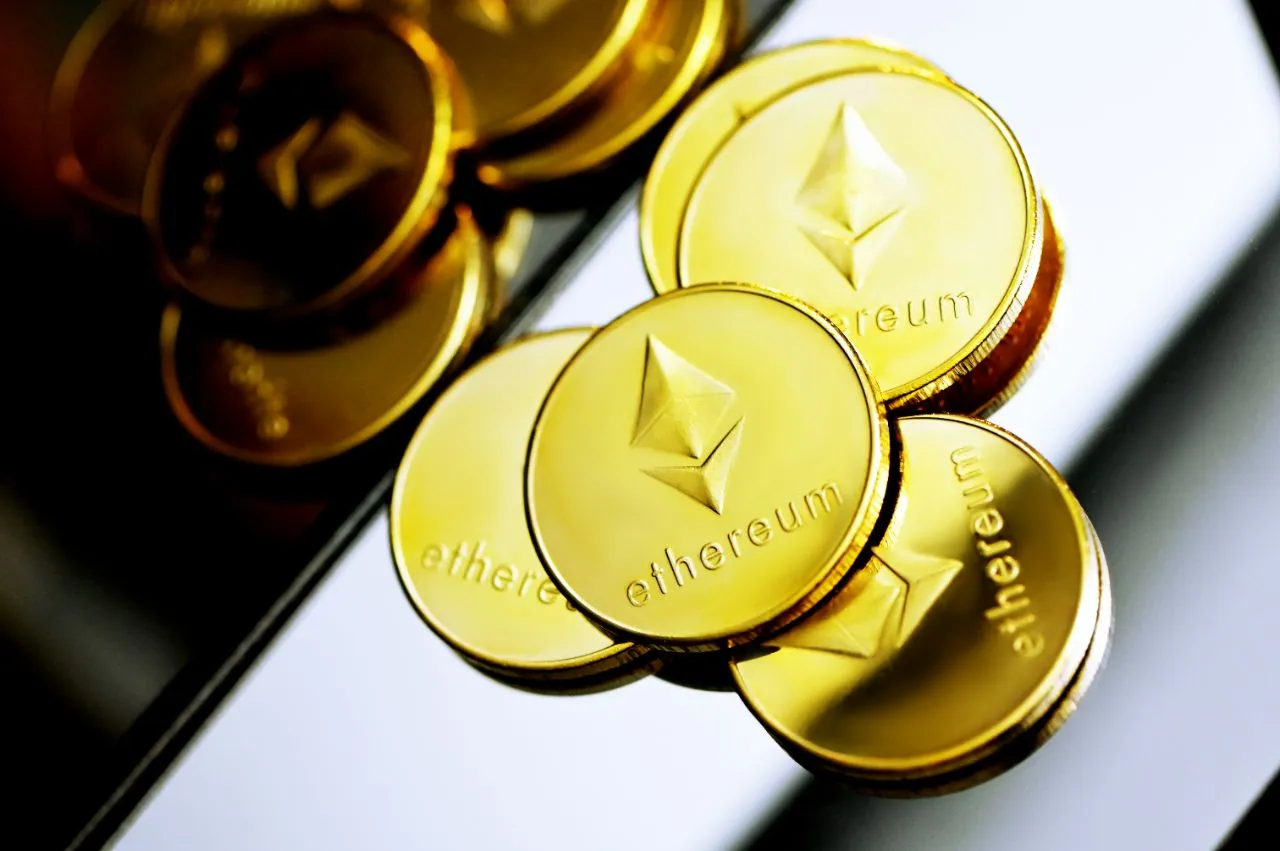
https://asset.coinness.com/en/news/1060c3354d4a8de03fdc127ef7fee876.webp
Photo by Kanchanara on Unsplash

Ethereum’s rally and rising optimism

In the original novel, the plot is ignited when one of the women achieves a significant windfall by investing in Ethereum (ETH), inspiring her colleagues to join the fray. What follows is a familiar tale for many investors. They experience a period of wild price swings and respectable profits, only to see their winning streak abruptly halted by a severe market downturn. At the time the book was published in April 2021, ETH traded at roughly $2,100. Today, by contrast, CoinMarketCap data shows the asset trading at $4,543.14, more than doubling since the book’s release.


Support for this bullish outlook comes from well-known market voices. Tom Lee, Fundstrat founder and chairman of ETH treasury firm Bitmine, told CNBC that Ethereum (ETH), Bitcoin (BTC), and the Nasdaq 100 would benefit most if the Federal Reserve cut rates, predicting a strong rally in the next three months. He made these comments before the Fed’s actual move, a quarter-point rate cut announced at its Sept. 17 Federal Open Market Committee (FOMC) conference. In a separate Fox Business interview, VanEck’s CEO echoed this view, saying ETH will emerge as the leading asset as banks adopt blockchain for stablecoin transactions.


Data also points to growing strength. According to Token Terminal, the supply of Ethereum-based stablecoins has recently reached an all-time high of $168 billion. This milestone is largely attributable to the fact that over half of the entire stablecoin supply now operates on the Ethereum network, underscoring its foundational role in the digital economy.


Talent drain and security risks

Still, there are headwinds that could slow Ethereum’s ascent. A recent survey by Protocol Guild, an independent funding group for Ethereum core developers, revealed a compensation gap that threatens the network's long-term health. The survey found that Ethereum core developers are receiving external job offers with a median salary of $300,000—more than double the $140,000 median they currently earn for maintaining and upgrading the network. Protocol Guild has noted that this disparity could precipitate a talent exodus, potentially slowing future development.


Security has been an ongoing concern, with ETH often targeted by hackers. In a reminder of the sector's vulnerabilities, the crypto exchange Bybit reported a theft of 401,000 ETH in February, an amount valued at roughly $1.5 billion at the time. The U.S. Federal Bureau of Investigation later identified the exploit, one of the largest in crypto history, as the work of the North Korean hacker known as “TraderTraitor.”


"To the Moon" is set to air at a time when its themes of innovation and risk are playing out in the real world of crypto. The industry is riding a wave of institutional adoption and high valuations, but it's also facing a talent crunch and security concerns. These dynamics continue to keep digital assets on investors’ radar in South Korea and beyond.
 

More to Read
View All
Web3 & Enterprise·

Jun 07, 2023

Circle Makes Inroads in Singapore with License Award

Circle Makes Inroads in Singapore with License AwardCircle Internet Financial’s Singapore entity, Circle Internet Singapore, has received a full license from the Monetary Authority of Singapore (MAS) to provide digital payment token services in Singapore. This major payment institution (MPI) license will enable Circle Singapore to offer cross-border and domestic money transfer services through its Circle account.Photo by Timo Volz on PexelsMajor Payment Institution (MPI) licenseThe company announced the milestone achievement via a press release published on Monday. The MPI license enables Circle to offer institutional customers access to USDC, a leading US dollar stablecoin issued by the company. With the license approval, Circle Singapore can now fully utilize the expertise of its corporate affiliates to drive innovation, expand its offerings, and provide more value to its clients and stakeholders.The granting of the license follows the in-principle approval received by Circle Singapore in November last year and the subsequent opening of its office in May. The company recognizes the importance of Singapore in its global expansion strategy and its mission to promote global economic prosperity through seamless value exchange.Jeremy Allaire, Co-Founder and CEO of Circle, expressed the significance of Singapore in Circle’s expansion plans and the goal of facilitating frictionless value exchange. The company aims to leverage its licensed status to contribute to Singapore’s digital payment ecosystem positively.Pursuing overseas expansionWith ongoing regulatory turmoil in the United States right now in relation to the treatment of digital assets, no doubt Circle, just like many other leading US digital asset companies, sees the benefit in diversifying geographically. In turn, that feeds into the importance Allaire affixes to this Singapore expansion: “Singapore is integral to Circle’s global expansion and mission in raising global economic prosperity and through the frictionless exchange of value.”There has been a flurry of activity in terms of large crypto sector players establishing a greater foothold in Singapore in recent months. Last week, global crypto trading platform Crypto.com was granted an MPI license by MAS.Coinbase, the US-headquartered crypto exchange business that was sued earlier this week by the Securities and Exchange Commission (SEC) in the United States, took the decision to expand its product offering in the Singapore market last month. Another US-based crypto business, Gemini, has decided to expand its Singapore operation with a view towards growing its institutional and retail customer base.Tribe collaborationEarlier this year, Circle Singapore collaborated with Tribe, the first government-supported blockchain ecosystem builder in Singapore. Together, they launched a training and support program designed to nurture and upskill Web3 developer talent in the region. This initiative aligns with Singapore’s focus on promoting blockchain technology and nurturing a skilled workforce capable of driving the growth of the digital economy.With its full license, Circle Singapore is well-positioned to strengthen its presence in the Singaporean market and offer enhanced digital payment token services to institutional customers. The license also demonstrates the company’s commitment to compliance and regulation in the evolving landscape of digital finance.As Circle Singapore expands its operations and explores further innovations, it will continue to contribute to Singapore’s reputation as a leading global fintech hub. The company’s focus on promoting global economic prosperity aligns with Singapore’s vision of becoming a smart financial center and a pioneer in digital innovation.

news
Web3 & Enterprise·

Jul 19, 2023

Wemade Releases Sustainability Report to Demonstrate Commitment to Transparency

Wemade Releases Sustainability Report to Demonstrate Commitment to TransparencyWemade, a leading South Korean blockchain gaming company, has published its 2022 sustainability report, demonstrating its commitment to transparency and effective communication with shareholders and investors.Photo by Ash from Modern Afflatus on UnsplashThree ESG objectivesIn the report, Wemade CEO Henry Chang outlined three key objectives focused on environmental, social, and governance (ESG) principles. These objectives are strengthening the company’s eco-friendly practices, nurturing future minds in the blockchain industry, and establishing a transparent governance framework.Wemade’s WEMIX 3.0 ecosystem is built on three main pillars: the global blockchain gaming platform WEMIX PLAY, the DAO-based NFT platform NILE, and the decentralized finance service WEMIX.Fi. These platforms are supported by the WEMIX token and WEMIX Dollar (WEMIX$), which are key currencies within the ecosystem. WEMIX$ is fully backed by USD Coin (USDC).The WEMIX token is listed on more than 17 cryptocurrency exchanges, including KuCoin, Gate.io, and Bybit, according to CoinMarketCap. Meanwhile, WEMIX$ can be traded on WEMIX.Fi and centralized exchange BitMart.Transparency initiativesThe report highlights various transparency initiatives undertaken by the company. Wemade has partnered with crypto data platform Xangle, intending to enable users to monitor the real-time circulation of the WEMIX token. The company has also established a protocol investment committee of five members to review and approve diverse projects. Furthermore, the report mentions that all of the undistributed WEMIX tokens are held by institutional custodian Ceffu (formerly known as Binance Custody) to ensure WEMIX’s stability.According to the report, Wemade is committed to effective communication with stakeholders worldwide, including shareholders, token investors, and gamers. CEO Chang’s quarterly conferences play a significant role in unveiling the platform’s policies and answering stakeholders’ questions. Additionally, the company ensures the dissemination of information in multiple languages (Korean, English, Chinese, Spanish, and Indonesian), catering to global WEMIX token holders.CEO Chang underlined the company’s dedication to enhancing corporate transparency and fulfilling its social responsibilities. These measures are aimed at facilitating the sustainable growth of the blockchain company.

news
Markets·

Feb 23, 2024

KODA’s crypto assets in custody surpass $6B

Crypto custodian Korea Digital Asset (KODA) has seen its custody assets exceed the $6 billion mark, equivalent to about KRW 8 trillion, according to game media outlet Kyunghyang Games.  Established in November 2020 through a collaboration between KB Bank, the blockchain venture capital firm Hashed and blockchain tech company HatchLabs, KODA provides custodial services for crypto assets. A custodial service provider refers to a third-party institution that manages virtual assets on behalf of clients. Several big banks overseas such as Goldman Sachs and Citibank provide asset custodial services. Photo by Chris Liverani on UnsplashA leading provider of crypto asset custodial services Having been offering one-stop crypto asset custodial services for companies and institutional clients since March 2021, KODA has become a notable virtual asset business operator in South Korea with it being registered with the Financial Intelligence Unit (FIU). By the end of June 2023, KODA made up nearly 80% of the local custodial service market share, per FIU data. At the time, out of the total KRW 2.9 trillion in crypto assets held by 49 local custodial service providers registered with the FIU, KRW 2.3 trillion was managed by KODA. By December 2023, KODA announced it was managing KRW 8 trillion in crypto assets, with over 200 custodial wallets and about 50 institutional clients using its services.  Bracing for the potential approval of spot bitcoin ETFs in KoreaThe demand for crypto asset custodial services is expected to rise as Korea’s ruling and opposition parties are pledging to integrate crypto assets into the traditional financial system, leading up to the general election in April. Major political parties are considering the possibility of allowing transactions of spot bitcoin ETFs and legalizing investment in crypto assets by private companies. Cho Jin-seok, CEO of KODA, said that the integration of digital assets into the traditional financial system is an unstoppable global trend that no one can resist, and that KODA will be able to serve as a key crypto infrastructure if the local financial authority approves trading spot bitcoin ETFs.  Kim Seo-joon, CEO of Hashed, stressed the significance of preparing for the potential approval of spot bitcoin ETF transactions, noting how a number of spot bitcoin ETFs were released in the U.S. right after the approval. He added that KODA’s commitment to regulatory compliance and technological expertise would make it an essential partner in introducing virtual asset ETFs to the local market.

news
Loading