Top

ClayStack expands into Ethereum restaking ahead of token launch

Web3 & Enterprise·January 25, 2024, 7:35 AM

ClayStack, the crypto liquid staking platform, has made a strategic move into the Ethereum restaking arena through EigenLayer, providing users with reward points in anticipation of its upcoming token launch.
https://asset.coinness.com/en/news/339af2bbef0b5d7051cc6407458b2a5f.webp
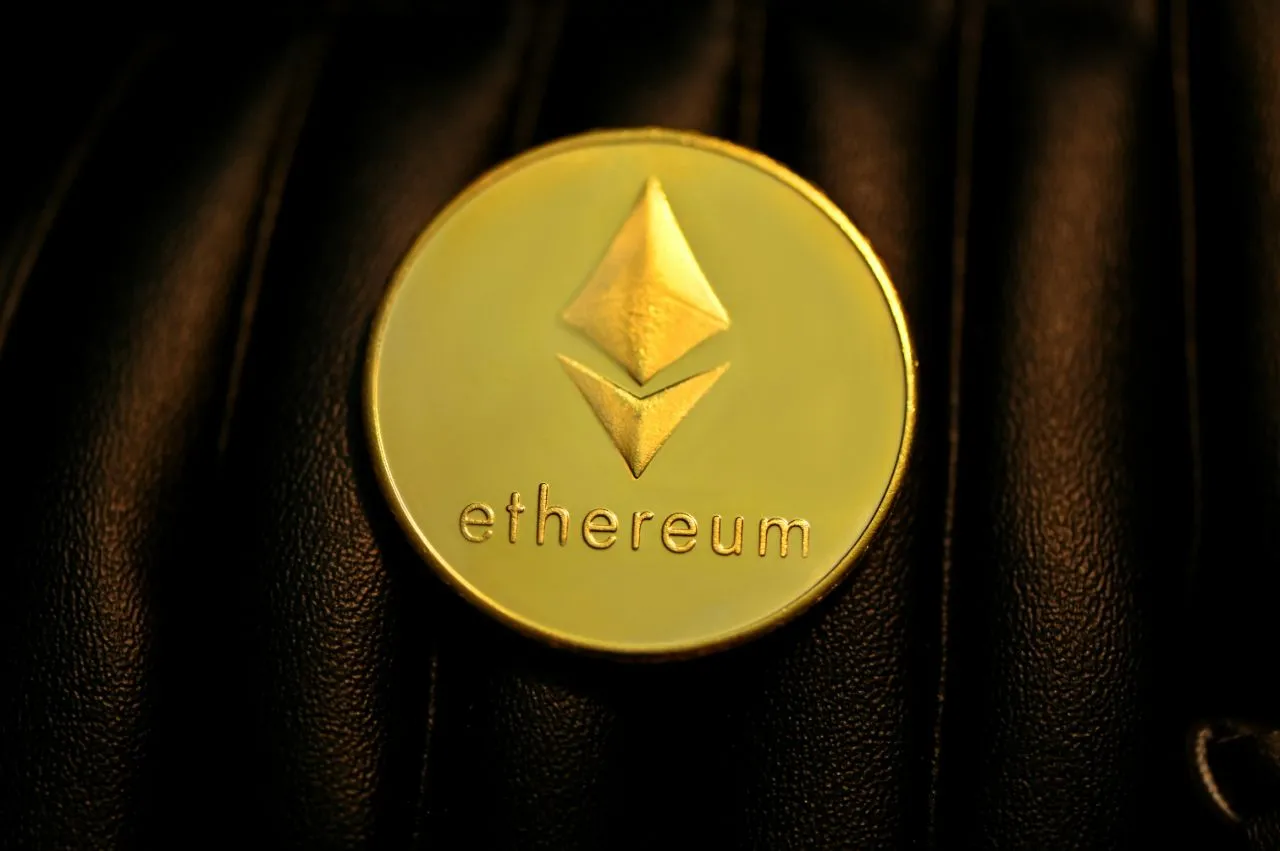
Photo by Kanchanara on Unsplash

‘Redefining the staking landscape’

The Singaporean platform describes its mission as redefining “the staking landscape by helping users unlock the underlying value of their crypto assets, and we are doing this by building a decentralized cross-chain liquid staking protocol.”


In its efforts to deliver on that mission, it appears that the crypto startup is set to convert its Ethereum liquid staking token, csETH, into a liquid restaking token, leveraging the Ethereum restaking protocol offered by EigenLayer. Eigenlayer enables restaked sidechains, through which ETH restakers can participate in Ethereum-centric consensus protocols.


Reward points

In an announcement on Tuesday, ClayStack revealed its plan to offer reward points to users participating in Ethereum restaking, with a 1:1 ratio for redemption when the platform's token is launched. Each clay point earned will be redeemable for one clay token during the token launch. Notably, the platform distinguishes itself by offering a 1:1 redemption system, setting it apart from other points programs.


Founder and CEO Mohak Agarwal explained how the project is adopting EigenLayer's protocol for this new service. Agarwal had teased that the project had something new to offer in the pipeline when taking to social media last week, writing:

”We are entering into a new era where staking will become more dynamic, accessible, and rewarding for the entire DeFi community.”


Currently, ClayStack accepts native ETH for direct restaking on EigenLayer. Agarwal confirmed to The Block that other liquid staking tokens, such as Lido staked ether (stETH) and Rocket Pool ether (rETH), will be integrated into the platform in the coming days. He emphasized that these tokens will be directly deposited on EigenLayer, streamlining the restaking process.


Growing interest in restaking

Ethereum restaking has gained significant traction since EigenLayer's launch in June of the previous year, with a total value locked (TVL) in smart contracts reaching approximately $1.7 billion. Renzo Protocol recently entered the Ethereum restaking space via EigenLayer, securing a $3.2 million seed funding round. Despite being in beta, Renzo has already achieved a TVL exceeding $116 million.


ClayStack's TVL currently stands at around $2.25 million, having initially launched liquid staking for Polygon's MATIC token in 2022. Following that, the platform introduced Ethereum liquid staking in September. However, the latest move marks a shift in focus towards Ethereum restaking due to challenges faced on the Polygon network.


Agarwal outlined the reward structure, stating that 20 clay points will be allocated per ETH per week, with rates subject to change every Monday but generally remaining constant throughout the week. There are no minimum or maximum points for individual users, although there is a weekly total cap for all users combined, which refreshes at the beginning of each week.


More to Read
View All
Policy & Regulation·

Jan 13, 2025

Bybit suspends services in India amid regulatory blowback

It’s been a tough couple of months for global crypto exchange, Bybit. Having had to leave the Malaysian market due to regulatory issues, the firm is now being forced to shutter its service in India for similar reasons.Photo by Naveed Ahmed on UnsplashWithdrawing services on January 12The exchange announced its withdrawal from the Indian market via a statement published to its website on Jan. 10. The service for Indian residents has been ceased from 08:00 UTC on Sunday, Jan. 12.  Account opening and crypto trading has been disabled. Furthermore, the ability to place market orders through other exchange products offered by the company has also been disabled. The ability for customers to withdraw fiat currency and digital assets remains in place. Achieving full complianceWhile the company is leaving the market, it has stated that its services are temporarily suspended in India. It cited a need to “operate in full compliance” as the firm’s primary objective relative to the Indian market. Elaborating on this, it stated:”We have taken this measure while we continue to work closely with the regulator to finalize our registration as a Virtual Digital Asset Service Provider in India, which we expect to secure in the coming weeks.” Malaysian market issueThe situation mirrors a similar set of circumstances that Bybit finds itself in relative to the Malaysian market. On Dec. 27, the Malaysian Securities Commission published a statement outlining details of an enforcement action it had taken against Bybit and the firm’s CEO, Ben Zhou.  In that instance, Bybit was directed to disable its service offering within the Malaysian market. The company indicated that it would return to the market once it had secured the necessary licensing. India hasn’t proven to be the most crypto-friendly jurisdiction to date. Indian crypto influencer R.K. Gupta took to the X social media platform, claiming that the government was at fault for Bybit having to withdraw from the Indian market. He stated: “Our country’s flawed policies are ruining crypto, while others aim for reserve currency status. Govt targeting exchanges, and now Bybit might stop services in India.” In December 2023, India’s Financial Intelligence Unit (FIU) took action to prevent unregistered overseas exchanges from operating within the Indian market. It issued compliance show-cause notices to nine exchanges at the time. Shortly afterwards, Apple India blocked access to these exchanges on the Indian Apple App Store.  While Bybit wasn’t amongst them, it is now being brought into line by Indian regulators. Back in September, it emerged that the FIU was considering requests to allow four offshore cryptocurrency exchanges to resume activity within the Indian market. Having been deemed to have come into compliance, Binance and KuCoin resumed activities in India in August 2024. Aside from Malaysia and India, Bybit has also encountered regulatory difficulties in Europe. Last August, it left the French market due to regulatory problems. In May 2022, the Autorité des Marchés Financiers (AMF), the French financial markets authority, blacklisted Bybit, warning investors that it wasn’t a registered digital asset service provider.  As part of that market withdrawal, Bybit collaborated with partner Coinhouse, a regulated French crypto-asset platform. Accounts holding assets above the value of 10 USDC were transferred to Coinhouse.

news
Web3 & Enterprise·

Jun 20, 2023

Japanese Exchanges Canvas Regulator to Permit 10x Leverage

Japanese Exchanges Canvas Regulator to Permit 10x LeverageJapan’s cryptocurrency exchanges are advocating for looser regulations on margin trading, despite the global digital asset market crash experienced last year.According to a report published by Bloomberg on Monday, The Japan Virtual & Crypto Assets Exchange Association has revealed that many industry insiders are seeking leverage limits of four to 10 times for retail investors.Currently, customers are limited to doubling their exposure through borrowing. Genki Oda, the Vice Chairman of the association, believes that relaxing the leverage rule could enhance Japan’s appeal to crypto and blockchain companies, thereby stimulating increased trading activity.Photo by Su San Lee on UnsplashOngoing discussionJapanese digital asset exchanges are currently engaged in discussions to establish a consensus on the recommended leverage limit. They are planning to present their proposal to the Financial Services Agency (FSA) as early as next month.While Japan has made some efforts to ease certain cryptocurrency regulations, such as token listing and taxation, the overall regulatory environment is considered strict. The FSA expects crypto firms to provide solid justifications for loosening margin trading caps, demonstrating how it would contribute to the government’s objective of expanding blockchain-based industries. However, the agency remains open to discussions with digital asset businesses on the matter.Plummeting trade volumesPreviously, Japanese crypto platforms offered leverage up to 25 times, resulting in annual margin trading volumes of approximately $500 billion in 2020 and 2021. However, after the FSA imposed a limit of two times to curb excessive speculation and protect investors from amplified losses, trading volumes plummeted by 75% in 2022.In other parts of the world, digital asset exchanges typically offer spot margin trading with leverage ranging from five to 10 times the initial deposit, depending on local regulations. Some platforms even offer more aggressive lending options, often associated with speculative behavior that can generate waves of greed and fear within the crypto market.Oda argues that digital asset volatility has decreased since 2020 and asserts that Japanese exchanges are well-prepared to assist investors in managing the risks associated with margin trading positions. However, any relaxation of leverage rules is not expected to occur before 2024.Leverage dangersLast year’s global cryptocurrency downturn exposed risky practices and resulted in numerous bankruptcies. Regulators worldwide have responded by implementing new rules and regulations that address the lessons learned. While leverage might be in the interests of the exchange operators, many industry commentators have warned that leverage brings about market weakness.Caitlin Long, Founder and CEO of Custodia Bank, has been one such commentator, warning that massive leverage “built an industry of insolvent intermediaries” on a “foundation of sand”. It’s commonly believed that leverage leads to unsustainable market bubbles rather than iterative organic market growth.In 2022, an index tracking the top 100 cryptocurrencies partially recovered, showing a 33% increase since the beginning of this year. However, the market still faces challenges, as institutional and individual investors have exited, leading to reduced liquidity and lower expectations for price volatility in Bitcoin and other cryptocurrencies.

news
Policy & Regulation·

Sep 05, 2023

Chinese Central Bank Official Emphasizes Need for Digital Yuan Retail Payments

Chinese Central Bank Official Emphasizes Need for Digital Yuan Retail PaymentsA senior official from the People’s Bank of China (PBOC) has underscored the importance of making China’s digital yuan, commonly referred to as the e-CNY, accessible in all retail payment scenarios within China.Photo by Eric Prouzet on UnsplashStreamlining retail e-CNY paymentsThe remarks were delivered by Changchun Mu, Head of the Digital Currency Research Institute, during a trade forum in Beijing. Mu emphasized the need for standardizing QR codes in payment systems, particularly those dominated by giants like WeChat Pay and Alipay.Local media reported on Sunday that the central bank official highlighted that various wallet providers, including WeChat, Alipay, commercial banks with mobile banking apps, and other payment apps associated with e-CNY operations, must remain vigilant about complying with relevant financial regulations and obtaining the necessary licenses. He stressed that the initial step in this process should involve the adoption of the digital yuan as the preferred payment method for all retail transactions.Standardizing QR code paymentsMu explained that in the short term, authorities can start by unifying QR code standards on a technical level to achieve barcode interoperability. In the long run, he suggested that they will steadily implement the upgrade of payment tools.The move towards standardizing QR code payments aligns with the central bank’s commitment from the previous year to promote universal QR payment codes. This initiative aims to allow consumers to make payments by scanning a unified barcode. Currently, QR code payment systems are widely prevalent in China, with WeChat Pay and Alipay being dominant players.The PBOC has been actively testing the e-CNY, having introduced a pilot app in January 2022. The digital yuan pilot programs, initiated in late 2019, have expanded to encompass at least 26 locations across 17 provincial-level cities and regions, including major cities like Beijing, Shanghai, Shenzhen, and Suzhou, according to state media Xinhua.The extent of China’s promotion of its digital yuan has been unmatched despite the fact that most central banks globally have had ongoing central bank digital currency-related (CBDC) projects open for a number of years already.Recent months have seen the launch of a whole host of initiatives to further the use of the CBDC. These initiatives have included integration of the currency into the education system in Jiangsu province, the installation of digital yuan ATMs in Hainan, among many other such projects, and paying state employees with the currency in Changshu. That said, despite these efforts, widespread adoption of the e-CNY remains a work in progress.Bringing about e-CNY integrationMu also emphasized that the existing interbank payment and settlement systems function effectively, indicating that there is no immediate need to replace them with the CBDC system. Instead, he suggested that seamless integration could be achieved by ensuring comprehensive interoperability between the e-CNY and existing electronic payment tools and commercial bank deposit systems.Moreover, at a wholesale level, Mu proposed the use of the digital yuan for settlement within the financial market infrastructure. Smart contracts could also be leveraged for such activities, thereby enhancing efficiency in wholesale payments.Mu’s remarks underscore the Chinese central bank’s determination in advancing the development and adoption of the digital yuan while ensuring it remains integrated into the existing financial ecosystem.

news
Loading