Top

Night Crows MMORPG set for global launch next month with P2E features

Web3 & Enterprise·February 14, 2024, 6:17 AM

Night Crows, a massive multiplayer online role-playing game (MMORPG) set in 13th-century Europe with play-to-earn (P2E) features, is set to launch next month. This global release will be available in nine languages across 170 countries, except for South Korea and China, according to a recent press release by its South Korean operator, the blockchain game company Wemade.


European history with fiction

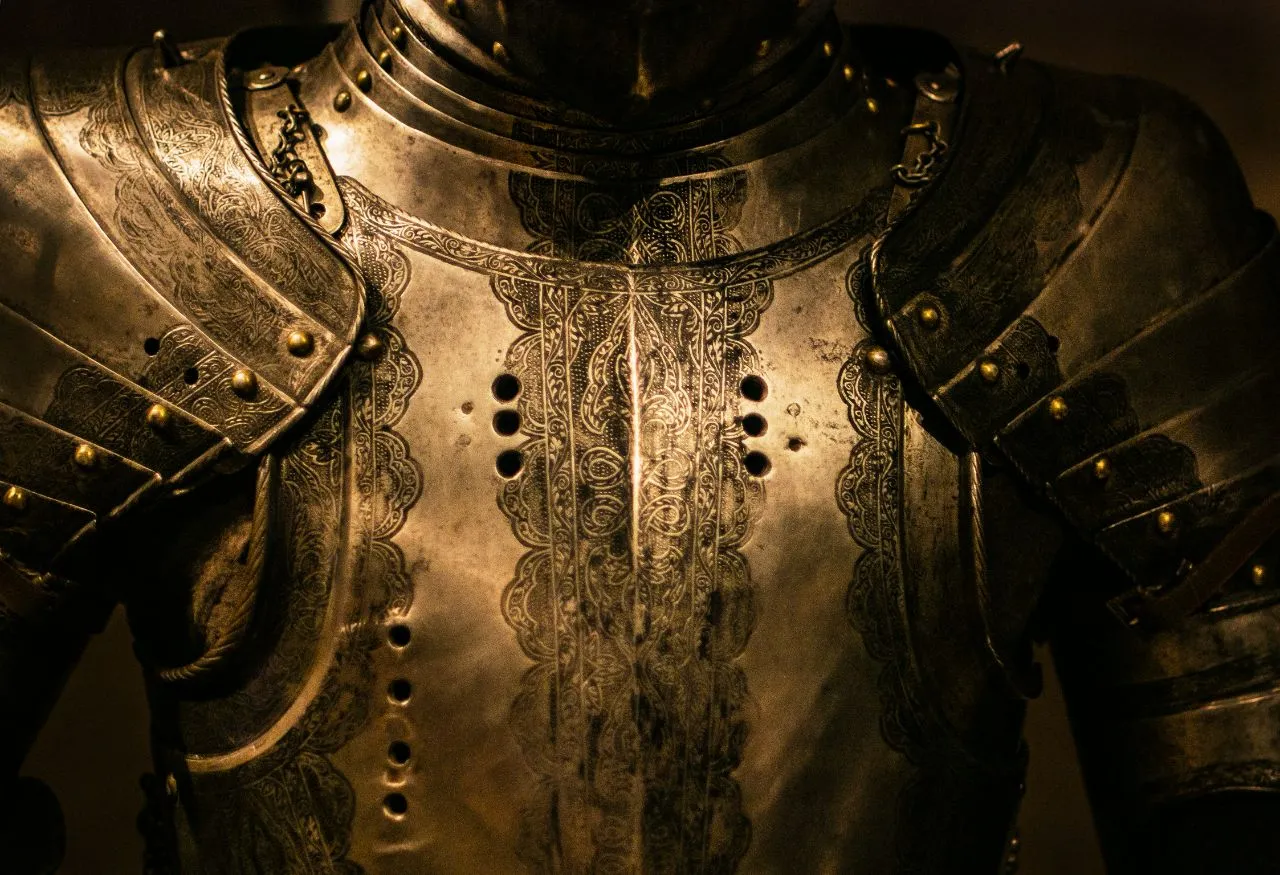
Developed by MADNGINE, Night Crows harnesses the power of Unreal Engine 5 to deliver highly realistic battles. The game merges elements of European history with fiction, creating a unique universe for players to explore. Within this universe, players can select from four classes and eight subclasses for their characters. Thanks to its inter-server technology, Night Crows enables over 1,000 players from three servers to combat against each other in the "Battlefront," as well as collaborate and trade at the "World Exchange."
https://asset.coinness.com/en/news/b367bee85b6f8e2adc8cd2c083913e63.webp
Photo by Nik Shuliahin 💛💙 on Unsplash

Blockchain-based economy

The March 12 worldwide launch of Night Crows incorporates the Multi Utility Token Economy (MUTE) within Wemade’s WEMIX 3.0 blockchain network. In this economy, users can complete requests to earn DIA, an in-game resource that can be used to mint Crow. The Crow token will serve as the base token for the game and will be supported on WEMIX Play’s GameFi platform.


Last month, Night Crows kicked off its pre-registration campaign to attract gamers from around the globe. The game will be available for pre-download on March 11 via Google Play, the Apple App Store and the web.


P2E games banned in Korea

Night Crows first made its debut in South Korea last April, where it quickly captured the interest of Korean gamers. However, the version released in Korea differs from the one planned for the global launch, as it lacks a blockchain-based economy. This absence is in line with the Game Industry Promotion Act in Korea, which prohibits the conversion of in-game resources, whether tangible or intangible, into money.

More to Read
View All
Policy & Regulation·

Aug 29, 2023

Laos Halts Crypto Miners’ Electricity Amid Drought and Debts

Laos Halts Crypto Miners’ Electricity Amid Drought and DebtsLaos, a leading producer and exporter of hydroelectricity, has made the decision to suspend electricity supply to cryptocurrency mining operations within its borders.Photo by Ioana Farcas on UnsplashTackling a perfect stormThe decision comes as a result of a perfect storm of challenges, including a struggle to meet escalating power demands due to drought conditions, impending commitments to export electricity to Thailand, and the mounting debts of cryptocurrency mining companies.In a calculated move in 2021, Laos initiated a public-private pilot program aimed at delving into cryptocurrency mining and trading. The context for this move was China’s sweeping crackdown on mining activities, compelling miners to scout for alternative jurisdictions for their operations.In response, Laos granted authorization to a handful of entities, spanning construction conglomerates and a bank, to partake in the mining and trading of Bitcoin, Ethereum, and Litecoin. This led to a commitment to regulatory collaboration between government ministries, the Bank of Laos, and Electricité du Laos (EDL).Exploiting hydropowerLaos’ abundant and affordable electricity has placed it on the short list of locations for crypto miners to settle in. With an abundance of rivers and waterfalls, hydropower stands as one of the nation’s primary energy sources, offering a renewable source of cost-effective electricity.However, events in 2023 have disrupted that narrative. A persistent drought has hit the country during the first half of the year, which triggered an unprecedented surge in the demand for electricity from sources other than hydro.The dependence on hydropower, constituting 95% of the nation’s energy generation, struggled to keep pace with the demand. As a direct consequence, EDL, a state-owned electricity distributor, announced the cessation of electricity supply to crypto mining operations.The problem has compounded as Laos finds itself committed to exporting substantial quantities of electricity to the Electricity Generating Authority of Thailand (EGET), serving as a lifeline for Thailand’s power grid during the forthcoming dry season. This external commitment has, in turn, further strained the local capacity for electricity supply.Another Asian country, Bhutan, has also gotten involved with crypto mining in an effort to exploit its hydropower resources, where 99% of electricity supply comes from hydropower within the kingdom.Unpaid billsAnother dimension to the saga is the growing debt crisis faced by cryptocurrency mining operations. A representative of EDL cited the inability of these mining businesses to settle their accumulating electricity bills as a key factor in the decision for suspension. The Bank of Laos has further escalated matters by deciding to halt loans to cryptocurrency companies in January.Laos has had bold objectives to transform itself into Southeast Asia’s premier exporter of clean electricity. The nation’s topography, featuring mountainous terrain covering 70% of the country, has immense potential for hydropower, with over 26,000 megawatts of installed capacity and ambitious plans to double this figure.Hydroelectric dams like Nam Theun 2 have become conduits for substantial volumes of low-cost electricity, primarily directed towards neighboring Thailand and Vietnam. Meanwhile, projects like the Luang Prabang dam, boasting an installed capacity of 1,460 megawatts, underscore the country’s ambitions to develop hydropower further.Revenues from power exports have become a vital component in Laos’ gross domestic product (GDP), contributing almost 15%, as per a report from October 2022.

news
Web3 & Enterprise·

Aug 04, 2023

FTX Seeks Exclusion of Dubai Unit from Bankruptcy Proceedings

FTX Seeks Exclusion of Dubai Unit from Bankruptcy ProceedingsFailed crypto exchange FTX, which filed for bankruptcy in November, is now aiming to exclude its Dubai unit from the ongoing restructuring proceedings unfolding in the United States.Photo by Roman Logov on UnsplashNo previous business activityThe motion, filed with the bankruptcy court in Delaware on Wednesday, comes as FTX contends that its Dubai branch had not engaged in any business activities prior to the bankruptcy declaration, making its participation in the rehabilitation efforts unlikely.In the recent court filing on August 2, FTX put forth its argument that its Dubai unit, FTX Dubai, held a balance sheet that was solvent. Consequently, the exchange proposed that initiating a voluntary liquidation process in line with the laws of the United Arab Emirates (UAE) would expedite the distribution of its positive cash balance, settling liabilities, and liquidating assets.FTX Dubai, a wholly-owned subsidiary of FTX’s European arm, holds a sum of approximately $4.5 million across various accounts. However, $4 million of this amount remains restricted by the Virtual Assets Regulatory Authority (VARA) of Dubai, serving as a security measure for its license as a virtual asset service provider.Expired licensingFTX Dubai was originally awarded a license by VARA in July 2022, although it never got to a point where it offered any crypto-related services based on that license. On May 31 of this year, FTX Dubai management was informed by VARA that the regulator would not seek to renew the license if FTX Dubai didn’t act to terminate it. The license was subsequently suspended on July 12 by VARA.Licensing could have been useful to a new operator coming in to run the business. Earlier this week, the FTX Debtor filed a restructuring plan that leaves a path open towards relaunching the FTX International business outside of the United States. It’s clear that the current regulatory environment in the US is such that it’s simply not an attractive option to establish a restructured FTX business there.The FTX Debtor and its advisors are engaging with bidders for the business. In establishing a business on the right footing, it may be just as well that licensing will start afresh. To settle market doubts, the new entity will need to achieve a high level of compliance and industry-leading customer protections.FTX Dubai is now anticipated to collaborate with the designated liquidator to carry out essential administrative procedures, ensuring a systematic and efficient execution of the liquidation process. The company’s decision to file for bankruptcy on November 11, 2022, initiated bankruptcy proceedings for a total of 102 associated entities worldwide, reflecting the substantial impact of its financial turmoil.The matter is scheduled to be addressed in the court’s first hearing on August 23, shedding light on how the court will respond to FTX’s motion to remove its Dubai unit from the overarching bankruptcy proceedings in the US. This development underscores the complexities of a cross-border crypto bankruptcy, highlighting the intricacies of global regulatory frameworks in this evolving sector.

news
Web3 & Enterprise·

Jul 08, 2023

Sega Curbs Interest in ‘Boring’ Blockchain Gaming

Sega Curbs Interest in ‘Boring’ Blockchain GamingJapanese video game behemoth Sega Corp., once an advocate for blockchain gaming, is reevaluating its involvement in the sector as the global crypto industry continues to face challenges.In a recent interview with Bloomberg, Shuji Utsumi, the Co-Chief Operating Officer of Sega, revealed that the company will withhold its major franchises from third-party blockchain gaming projects to protect the value of its content.Photo by Pat Krupa on UnsplashHalting blockchain game developmentAdditionally, Sega is temporarily halting the development of its own blockchain games. These decisions mark a significant shift for the 60-year-old gaming studio, which previously joined other industry players in exploring the potential of blockchain technology to enhance game appeal. However, the recent collapse of the digital currency market has dampened enthusiasm for such initiatives.While Sega withdraws from blockchain gaming, it does plan to allow external partners to utilize its lesser-known characters, such as those from Three Kingdoms and Virtua Fighter, for non-fungible tokens (NFTs). NFTs serve as digital asset ownership certificates.Sega’s intention to venture into the NFT community drew criticism from some gamers who viewed crypto technology as environmentally harmful. Utsumi emphasized the importance of creating enjoyable gaming experiences and expressed his skepticism about the “play-to-earn” model associated with blockchain games, describing such games as “boring.”Reservations on Web3 adoptionIn addition to the uncertainties surrounding blockchain gaming, Utsumi expressed reservations about the adoption of Web3 technology in Sega’s upcoming “super game” initiative. This initiative involves the release of high-budget online multiplayer games starting in 2026. Sega is currently assessing whether the technology will gain traction in the gaming industry before committing to its implementation.Sega’s strategic shift reflects a broader cooling trend relative to the Web3 concept, which implicates an internet built on blockchain technology. Despite attracting significant investments in the past, Web3 has faced criticism and diminishing interest from major players like Ubisoft.However, Sega will continue to offer its lesser franchises to several blockchain games that will be announced later this year. The company also plans to invest hundreds of millions of yen in related projects, as the technology still holds value in enabling the transfer of characters and items between different games. Sega remains open to further involvement in blockchain gaming as the technology matures.Big brand cautiousnessUtsumi acknowledged that the views expressed by blockchain advocates may seem extreme to many in the video game industry. Nevertheless, he recognized the importance of risk-takers who pioneer new technologies, referring to them as the “first penguins” who should not be underestimated.Sega’s cautious approach reflects the need to strike a balance between innovation and maintaining the core aspects of enjoyable gaming experiences, while closely monitoring the evolution of blockchain and Web3 technologies in the industry.It’s also likely that the gaming sector’s most coveted brands will remain cautious on blockchain gaming while newcomers like Animoca Brands can better afford to be the risk takers that drive blockchain gaming forward. Earlier this week, Animoca’s Co-Founder Yat Siu said that he was bullish where blockchain gaming is concerned.

news
Loading