Top

Turkish crypto legislation: anticipated reforms await clarity

Policy & Regulation·May 06, 2024, 11:57 PM

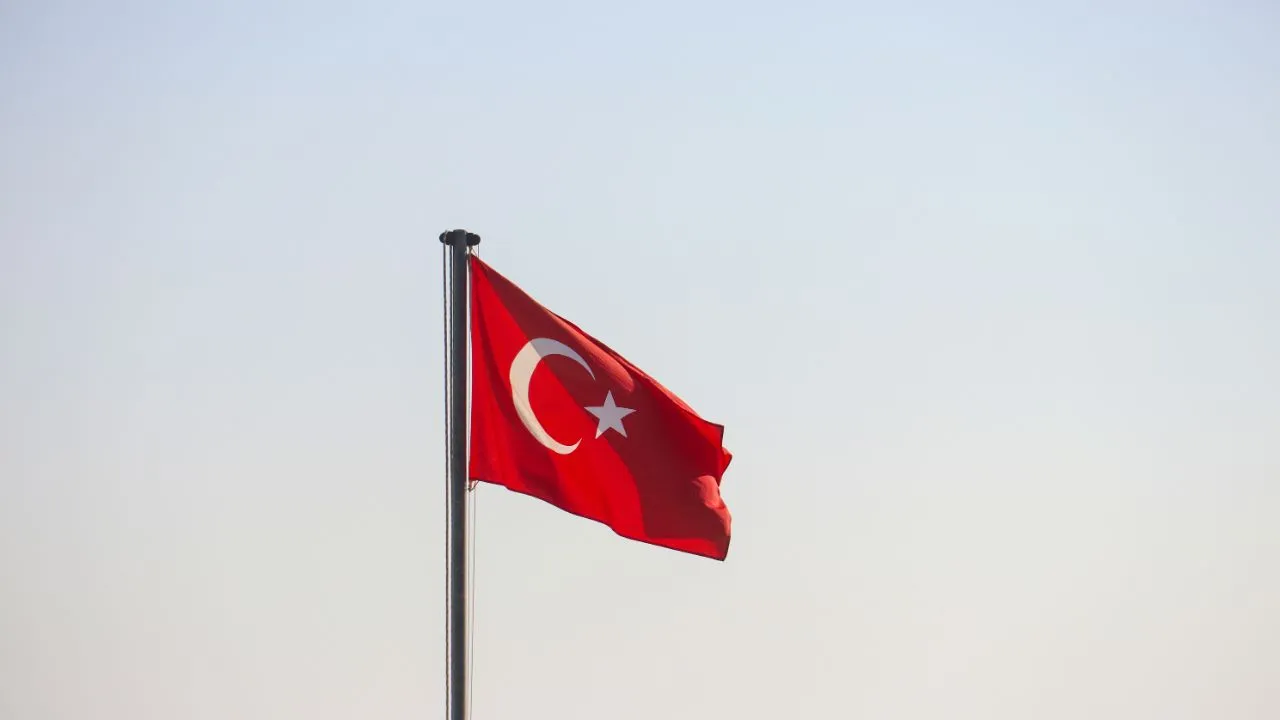
Turkey, a significant player in the global cryptocurrency market, has been anticipated to introduce comprehensive crypto-related legislation in 2024. Despite initial announcements suggesting an early rollout, the specifics of the anticipated regulatory framework remain pending, leaving stakeholders in anticipation.


Currently, Turkey operates with limited crypto regulations. While some measures exist, such as those imposed by the Central Bank and the Ministry of Finance’s financial intelligence unit, others remain informal, such as guidance from the Capital Markets Board. These regulations primarily focus on prohibiting certain activities and implementing anti-money laundering (AML) measures.

https://asset.coinness.com/en/news/f574aebd61918189d89d7b39136e9357.webp
Photo by Dima Rogachevskiy on Unsplash

Anticipated reforms and their purpose

The forthcoming legislation is expected to address various aspects of the crypto market, including licensing requirements for exchanges, investor protection measures and taxation. The aim is to align with international standards, potentially aiding Turkey in exiting the Financial Action Task Force's (FATF) "gray list." The regulations aim to enhance investor protection, especially in light of past incidents like the collapse of the Thodex exchange, while also providing a legal framework for crypto taxation.


Timing of implementation

Despite expectations for an early introduction, the exact timeline for the enactment of the crypto legislation remains uncertain. Industry observers speculate potential connections between the legislation's timing and Turkey's efforts to exit the FATF's "gray list." While some anticipate a release by mid-year, others suggest a delay until later in the year, underscoring the complexity and importance of the regulatory reforms for Turkey's crypto ecosystem.


More to Read
View All
Policy & Regulation·

Mar 07, 2024

Busan at risk of losing its status as blockchain regulation-free zone

Nearly five years have passed since South Korea’s second-largest city Busan was designated as a blockchain regulation-free zone (blockchain zone) in July 2019. This designation has allowed blockchain companies to run their businesses within the region’s regulatory sandbox, freely exploring the potential of the cutting-edge industry. Busan is the only city in Korea to have won the bid for running more than two regulation-free blockchain projects approved by the SME ministry. However, Busan city may soon lose its status as the blockchain zone, unless it develops and attracts new blockchain-related businesses, local news media KBS News reported. The city has been struggling to attract new blockchain businesses after its 10-month-long preparation to enact a law, which would have enabled startups to enroll in indemnity insurance, resulted in failure.  Photo by Alexander Smagin on UnsplashBlockchain startups on the brink of closing its services Among the blockchain companies operating in the blockchain zone is Busan Blockchain Real-estate Investment Currency (BBRIC), which allows users to invest in real estate with a budget as small as KRW 1,000 ($0.75). Park Hyo-jin, Vice CEO of Sejong Telecom operating BBRIC, expressed his concerns in an interview with KBS News, saying that the termination of the city’s status as the blockchain zone would make it difficult for BBRIC to continue its services. Another blockchain startup in the region’s blockchain zone emphasized the importance of maintaining the city’s status in an interview with the press. Kim Yong-gil, the chief research officer at a blockchain-driven solution firm, said the company he’s working for was able to lay the foundation for its business growth after it was selected as one of the first companies to operate within the blockchain zone in 2019. The company currently aims to expand its distribution business from fisheries to coffee industry.  At the moment, 43 blockchain companies like these are operating their offices at the Busan International Finance Center (BIFC). Among 15 of them have relocated to Busan from the outside region to benefit from the sandbox. Busan’s loss of its status would also result in these companies leaving.  Busan’s desperate bid to retain its status as blockchain zone To retain the blockchain startups, the Busan government must maintain its status as the blockchain zone by getting permission to extend the designation period. Kwon Ki-kwang, Head of the Blockchain Regulation-free Zone team at Busan Technopark – a public foundation that supports SMEs – stated that it is looking for businesses specialized in blockchain technology, including those focused on blockchain-driven voting systems.  

news
Web3 & Enterprise·

Jan 10, 2024

RIGO and BYFFIN host joint RIGO token airdrop event

RIGO, a public blockchain catered to private blockchain-based digital assets, is ringing in the new year with a joint airdrop event with BYFFIN, a South Korean private blockchain-based digital asset management service, according to an official announcement on RIGO’s website. Photo by GuerrillaBuzz on Unsplash"This RIGO X BYFFIN airdrop event with BYFFIN is designed to provide an easy and convenient experience for many users to use RIGO tokens," RIGO said. "We will strive to provide various experiences and benefits to users who participate in the RIGO blockchain ecosystem." Event detailsFive RIGO tokens will be airdropped to each of the first 3,000 participants on a first-come, first-served basis until Jan. 23 (KST). Participants are required to download the mobile BYFFIN Wallet app and create a personal wallet to be eligible to receive the rewards. This is the first promotional event held by RIGO and BYFFIN, and the two organizations plan to further expand their collaborative ventures in the future. RIGO’s wide-ranging servicesRIGO offers a variety of services, including RIGO Core, which provides custodial services of digital assets and manages data storage; RIGO Bridge, which supports hyperledger-based private blockchains; and RIGO Scan, a public real-time blockchain status dashboard.

news
Web3 & Enterprise·

Dec 27, 2023

Upbit opens staking quiz event with ETH prizes

South Korea’s largest cryptocurrency exchange Upbit has opened a special event in celebration of its staking service surpassing a total value of KRW 1.5 trillion ($1.2 billion), where users can participate in a staking quiz to receive 0.002 ETH (approximately $4.60) each. Staking refers to the process of entrusting crypto assets to be utilized for a blockchain’s operations and receiving rewards in return.Photo by Nenad Novaković on UnsplashEvent detailsParticipants in the quiz event will have 30 minutes to complete five quizzes related to Upbit’s staking service. The total reward pool is 210 ETH, which will be allocated to 100,000 participants on a first-come, first-served basis the day after answers are submitted. After completing the quiz mission, ten users who also stake their Ethereum assets will get the opportunity to be selected to receive 1 ETH each. "We organized the event to make more users aware of staking on Upbit and to express our gratitude,” Dunamu, the operator of Upbit, said. Upbit’s growing staking platformUpbit’s staking service was officially launched in January last year. Currently, there are five cryptocurrencies that can be staked on Upbit – Ethereum, Cosmos, Cardano, Solana and Polygon. In particular, the exchange does not manage user assets or entrust them to external parties but stakes them through self-operated validators. All staked assets are stored in a cold wallet. 

news
Loading