Top

Thailand counters cybercrime with tighter controls on foreign crypto P2P platforms

Policy & Regulation·April 10, 2025, 5:27 AM

Thailand has taken steps to tighten controls on digital asset mule accounts and overseas crypto peer-to-peer (P2P) platforms in an effort to combat cybercrime.

https://asset.coinness.com/en/news/2c44258e37686a3a79b100564fa3bf4d.webp
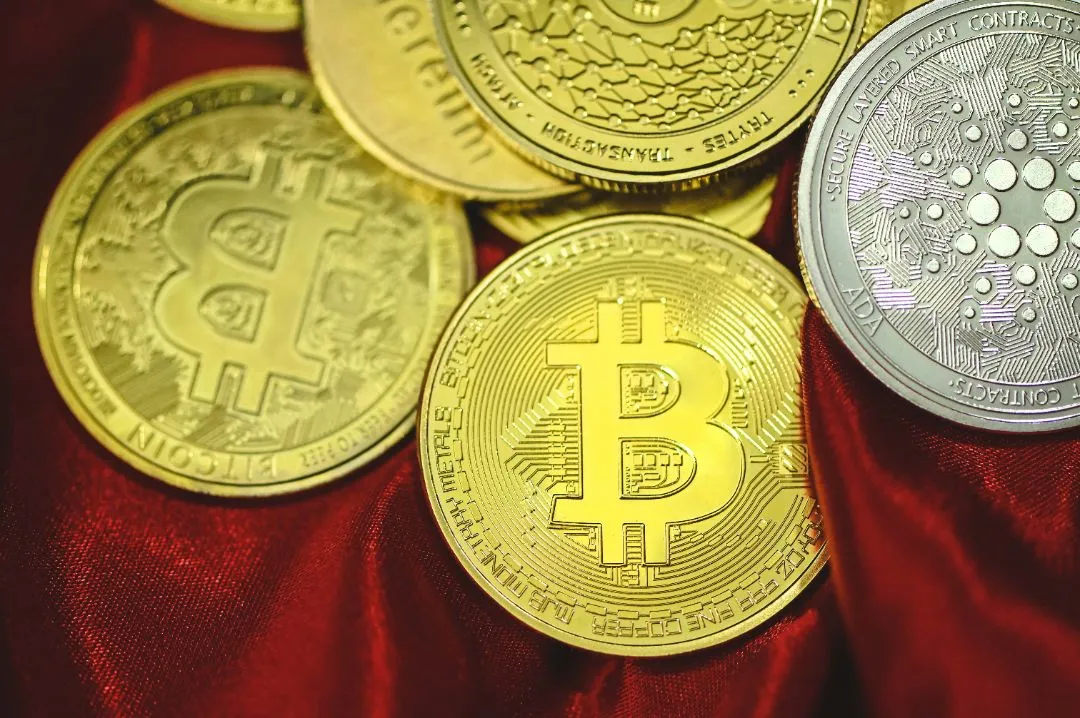
Photo by Growtika on Unsplash

Legislative amendments

On April 8, the Securities and Exchange Commission (SEC), a local regulator, published a statement explaining that the Thai cabinet has passed a resolution approving a number of amendments to the Southeast Asian nation’s digital asset business law and its cybercrime law.


The regulator asserted that the amendments are designed to “strengthen measures against cybercrime and mule accounts, enhancing the security of public financial transactions and improving the effectiveness of combating online scams.”


The amendments won’t become effective until such time as they are published in the Government Gazette of Thailand, an official public journal that acts as a primary source for Thai law.


Mule accounts

One aspect that has been addressed is the enhancement of measures taken in an effort to block digital asset mule accounts. Criminals utilize mule accounts in an effort to launder the proceeds of crime. 


While this happens with conventional bank accounts, it is also now happening with digital asset exchange accounts and digital asset wallets. Accounts may have been established for legitimate purposes but later fall under the influence of criminals who utilize them for money laundering.


According to a report by the Bangkok Post last month, the Thai SEC had been collaborating with the Thai Digital Asset Operators Trade Association (TDO) and digital asset businesses in order to formulate these new measures. 


The standard was also established following consultation with the Bank of Thailand, the Cyber Crime Investigation Bureau, Central Investigation Bureau, the Anti-Money Laundering Office and the Thai Bankers' Association.


It is hoped that these enhanced mechanisms will lead to earlier detection of unusual customer behavior, enabling the authorities to intervene at an earlier stage to block mule accounts.

Going forward, the regulator will collaborate with the TDO in monitoring and evaluating implementation of the new measures. Individuals who allow their digital asset accounts to be used by criminals will face up to three years' imprisonment and a fine of up to 300,000 Thai baht ($8,765).


Blocking P2P platforms

Another change is being implemented in respect of offshore crypto P2P platforms. The objective of that particular measure is to deter and prevent the use of such platforms by investors within Thailand. 


It’s envisaged that the Ministry of Digital Economy and Society will now be enabled to move more swiftly in blocking website and application access to these foreign P2P platforms. Such offshore platforms will be deemed to be attempting to solicit local investors if they offer payment options in Thai baht, provide online services or applications using the Thai language or if they accept payments through Thai bank accounts.


Earlier this month, Thai law enforcement raided five unlicensed crypto firms. The raid led to the arrest of 11 individuals, charged with illegally operating e-money services related to enterprises responsible for a combined $29 million turnover.

 

More to Read
View All
Policy & Regulation·

May 23, 2023

Huobi Falls Foul of Malaysian Regulator

Huobi Falls Foul of Malaysian RegulatorMalaysia’s Securities Commission, the regulator responsible for investor protection and market integrity in the South East Asian country, has closed down the Malaysian operations of Seychelles-headquartered global crypto exchange Huobi.Photo by Zukiman Mohamad on PexelsThe regulator announced the shutdown via a press release published to its website on Monday. The Commission outlined that it has taken action against both the exchange, Huobi Global Limited, and its CEO Leon Li. It cites “operating illegally in Malaysia,” given that it was operating as an unregistered digital asset exchange (DAX) as the rationale for the decision.With the enforcement action has come an order to Huobi from the regulator to “cease circulating, publishing or sending any advertisements, whether in email or on social media platforms, to Malaysian investors, and to stop its operations in the country, including to disable its website and mobile application on several platforms such as Apple Store, Google Play and any other digital application platform.”Compliance concernsThe Securities Commission is putting the onus on the Huobi Global CEO to ensure that this order is complied with. The regulator said that it had concerns about the platform’s compliance with local regulatory requirements. It further outlined that it is an offense in Malaysia to operate a DAX without having completed registration with the Commission as a Recognized Market Operator (RMO) under Section 7 (1) of the Capital Markets and Services Act 2007.The Malaysian regulator also took the opportunity to warn citizens that they should only seek to trade on platforms that are registered RMOs and that for right now, those that have funds on the Huobi platform should withdraw their assets and cease trading on the platform.Expected newsHuobi doesn’t seem to have made an official statement relative to the Malaysian Security Commission’s decision via its official media channels. However, it did provide the following response to CoinTelegraph on Monday:“In response to recent reports, we would like to clarify that the situation outlined pertains to the previous Huobi entity and former shareholders. This is not associated with the current Huobi platform, which adheres to strict regulatory compliance globally.”Taking that response at face value, the company doesn’t seem to be particularly bothered about the enforcement action. It seems as if Huobi were already prepared for this eventuality, by starting a new corporate entity from scratch.In August 2022, the Malaysian regulator issued Huobi Global with a lesser enforcement action by adding the company to its investor alert list. It chastised the firm for operating without regulatory approval.Malaysia hasn’t been a hotbed of activity where crypto and digital assets have been concerned and certainly doesn’t compare with Asian centers like Hong Kong and Singapore who are actively chasing crypto business. However, in March of last year, the country’s Deputy Minister of Communications and Multimedia, Zahidi Zainul, said that the Southeast Asian country should recognize crypto assets like Bitcoin as legal tender.In 2021, Malaysia’s central bank joined a Bank of International Settlements (BIS)-led trial to explore the proof of concept of a central bank digital currency (CBDC), in order to enhance technical and policy capabilities should there ever be a need to issue one.

news
Policy & Regulation·

Oct 04, 2023

Cryptocurrency Losses Surge to $686 Million in Q3

Cryptocurrency Losses Surge to $686 Million in Q3The cryptocurrency industry has witnessed a turbulent third quarter, with losses surging to $686 million. This unsettling development marks the worst quarter of the year, contributing to $1.4 billion in total losses year-to-date.Photo by GuerrillaBuzz on UnsplashImmunefi reportThese alarming statistics have been unveiled in a report by Singapore-headquartered blockchain security firm Immunefi. According to the report, the number of crypto hacking incidents skyrocketed by 153% year-over-year in the third quarter, with 76 separate incidents recorded.This stands in stark contrast to the same period in 2022, which saw a mere 30 hacking incidents. Furthermore, the losses resulting from these incidents witnessed a 60% increase, surging from approximately $429 million in Q3 2022 to the current level of $685 million. This marks the highest loss recorded for the year.Devastating hacksOf these incidents, two major hacks targeting Mixin Network and Multichain were particularly devastating, accounting for nearly half of the total losses in the quarter at $326 million. The Mixin Network hack, attributed to North Korean-sponsored hackers known as the Lazarus Group, underscores the involvement of state-backed actors in crypto-related cybercrimes.The Lazarus Group’s fingerprints were also found in major hacks of cryptocurrency exchanges, including CoinEx, Alphapo, and Stake, as well as digital payments firm CoinsPaid. Web3 projects based in Japan have been particularly hard hit by the hacker group’s activities. The group was responsible for losses exceeding $200 million.An overwhelming majority of the total Q3 losses, approximately 97%, were attributed to hacking incidents, while frauds and scams constituted a mere 3%. Decentralized finance (DeFi) protocols bore the brunt of the damage, with nearly $500 million lost, compared to over $185 million stolen from centralized exchanges and services. This highlights the vulnerability of DeFi platforms and the intricacies of smart contract code that underlie many of these applications.Among the targeted blockchains, Ethereum, BNB Chain, and Coinbase-incubated Base blockchain were the most prominent, with Ethereum being hit by 35 out of 82 chain losses. These platforms were singled out due to the substantial funds they held and the high level of activity on their networks.Greater recovery effortsThough the situation may appear bleak, there is a glimmer of hope in the form of recovery efforts. Immunefi reports an 8.9% recovery rate, with $61.2 million of stolen funds successfully reclaimed in six cases. Notably, Mixin Network recently introduced a $20 million “bug bounty” in a bid to incentivize the return of stolen funds, underscoring the cryptocurrency industry’s unwavering determination to combat these challenges.Immunefi itself has played a pivotal role in mitigating crypto-related risks, disbursing over $80 million in bounties and safeguarding more than $25 billion in user funds across various protocols. The company’s recent launch of on-chain vaults represents a significant step toward decentralizing its bug bounty platform, further fortifying security within the crypto ecosystem.

news
Web3 & Enterprise·

Nov 29, 2023

Seoul Auction Blue seeks to register security tokens with the FSS for Andy Warhol’s artwork

Seoul Auction Blue seeks to register security tokens with the FSS for Andy Warhol’s artworkSeoul Auction Blue, the operator of fractional artwork investment platform Sotwo, recently submitted an application to the South Korean Financial Supervisory Service (FSS), local news outlet Seoul Economic Daily reported on Wednesday (local time). Its aim is to register security tokens linked to artworks with the financial authority, marking it the third entity in the country to pursue this innovative financial venture.Photo by Guido Coppa on UnsplashAndy Warhol’s ‘Dollar Sign’The artwork investment app plans to issue security tokens based on Andy Warhol’s “Dollar Sign,” a piece measuring 51.0 cm in height and 40.5 cm in length. This artwork was purchased by Seoul Auction Blue at an auction for KRW 626.2 million (approximately $485,000). The total value of the security tokens, inclusive of issuance costs, is approximately KRW 700 million. The firm will issue a total of 7,000 tokens, each valued at KRW 100,000. Upon receiving regulatory approval, Seoul Auction Blue is set to open for subscription requests from Dec. 20 to 26.In its endeavor to issue digital investment contract securities, Seoul Auction Blue has meticulously prepared its documentation in line with the FSS’s guidelines. The selection of the artwork of Andy Warhol, the renowned and iconic 20th-century artist, aligns with the FSS’s recommendation to choose a significant piece by an internationally acclaimed artist. This strategic choice reflects the company’s commitment to compliance and the recognition of Warhol’s global stature in the art world.Preventing conflicts of interestThe registration application submitted by Seoul Auction Blue includes specific restrictions aimed at preventing conflicts of interest with its affiliates related to security tokens. As per these rules, the company is barred from buying idle assets of affiliates to back its security tokens. Instead, Seoul Auction Blue is permitted to acquire them only through public methods like participating in an open bid or a post-sale bid process. Notably, the token issuer is in principle prohibited from purchasing these assets via intermediaries in private sales or any other non-transparent settings.The acquisition of underlying assets requires approval from the compliance monitoring committee. Furthermore, this regulation strips Seoul Auction Blue of the capacity to determine the final trading prices or conditions for these transactions.In addition, the company is collaborating with a couple of securities firms to safeguard investors’ funds, creating a buffer against any potential bankruptcy of the issuer. The funds raised from subscriptions for the security tokens will be managed in accounts overseen by KB Securities. Additionally, an investor protection fund is being set up, which will be handled as a trust fund by Shinhan Securities. This fund acts as an extra layer of security, offering investors enhanced protection for their investments.

news
Loading