Top

Kazakhstan pilots tenge-backed stablecoin with Solana and Mastercard

Policy & Regulation·September 26, 2025, 6:51 AM

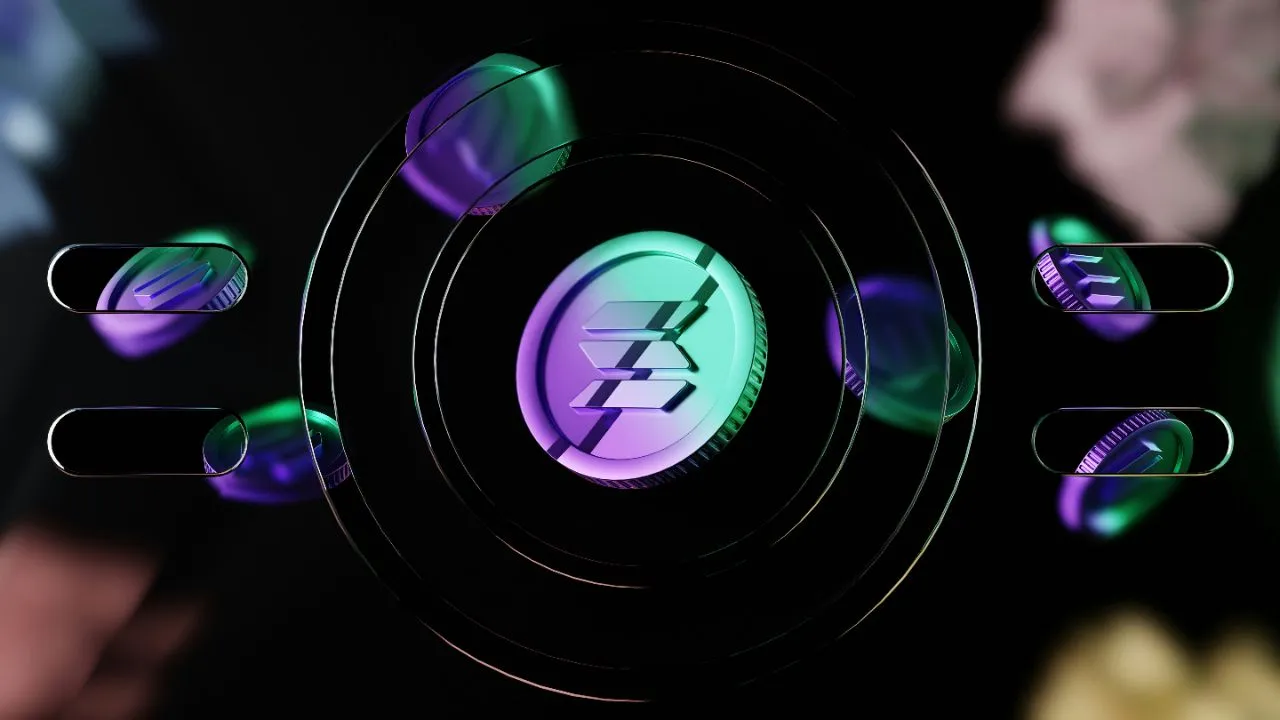
Kazakhstan’s central bank has begun testing a stablecoin tied to the national currency, advancing a broader plan to modernize the country’s financial infrastructure. According to Cointelegraph, the pilot, run inside the National Bank of Kazakhstan’s Digital Assets Regulatory Sandbox, introduces Evo, a token with the ticker KZTE that is built on Solana and backed by the tenge.


Intebix, a local crypto exchange, and Eurasian Bank are issuing KZTE. Mastercard is preparing connections that would link the token with major stablecoin issuers worldwide. The central bank is not minting the asset, but it is providing the regulatory framework that allows the token to be created and tested. Intebix founder Talgat Dossanov said the initiative is the first instance of the monetary authority directly engaging in the process of stablecoin issuance.
https://asset.coinness.com/en/news/43cc65a6b5429b5151882772a928f02b.webp
Photo by GuerrillaBuzz on Unsplash

Building a national crypto ecosystem

Early use cases focus on practical payments and on-ramps. The token is designed to widen the bridge between crypto and fiat, support conversions on exchanges, and enable spending through crypto cards. Officials described the pilot as a building block in a national digital asset ecosystem that aims to nurture new financial tools and deepen the local market.


The program aligns with guidance from President Kassym Jomart Tokayev, who in a Sept.  8 address urged faster development of a comprehensive digital asset environment. He called for a new banking law to boost competition, attract new players, strengthen fintech, and ease the circulation of digital assets. Tokayev also cited progress with the digital tenge, already in use to finance projects through the sovereign wealth fund, and proposed creating a state crypto fund under the central bank’s investment arm to launch a strategic reserve of promising tokens.


USD stablecoin accepted as regulatory fees

Regulatory efforts extend beyond the sandbox. On Sept. 4, the Astana Financial Services Authority (AFSA), the independent regulator of the Astana International Financial Centre (AIFC), launched a pilot that lets companies based at the center pay regulatory fees using stablecoins backed by the U.S. dollar. More than 4,000 firms from over 80 countries are registered at the AIFC, and Bybit was the first to sign a multilateral memorandum of understanding with the regulator.


Under the fee pilot, licensed Digital Asset Service Providers may join as Providers and act as agents for payers who choose to settle obligations to the regulator with stablecoins. AFSA chief executive Evgeniya Bogdanova said the initiative is meant to position the financial center as a hub for digital finance and to keep pace with global trends in stablecoin adoption.


Together, the sandbox stablecoin, the digital tenge rollout, and the AIFC payments pilot signal a coordinated push to make digital assets a larger part of Kazakhstan’s financial system. Authorities are testing how these tools can operate within clear rules, with an eye to drawing investment and keeping the country connected to fast-moving changes in global finance.


 

More to Read
View All
Web3 & Enterprise·

Dec 01, 2023

Hong Kong securities group proposes ICOs as growth opportunity

Hong Kong securities group proposes ICOs as growth opportunityKey stakeholders in Hong Kong’s financial world are contemplating a transformative shift in the Chinese autonomous territory’s digital asset strategy that concerns furthering initial coin offerings (ICOs).Photo by Qinyi Lian on UnsplashRoom for improvementIn a recent letter signed by Chen Zhihua, President of the Hong Kong Securities and Futures Professionals Association (HKSFPA) and published to the HKSFPA website on Wednesday, the introduction of an ICO mechanism as a potential catalyst for the city’s economic revival has been proposed.The letter, which provided the HKSFPA’s “opinions on the 2024–2025 budget,” included the ICO suggestion as recommendation №10 on a list of various proposals. The suggestion comes amid ongoing efforts to navigate the economic challenges posed by the pandemic. Zhihua acknowledges the developmental approach taken by Hong Kong Chief Executive John Lee where financial sector strategy is concerned, but emphasizes the industry group’s belief in the room for improvement that exists to stimulate Hong Kong’s financial sector further.Formalizing ICOsFormalizing ICOs in Hong Kong could establish a supportive environment for crypto startups and investors seeking regulated and secure opportunities. The proposal aligns with a broader call for government engagement in economic recovery and policy-making, emphasizing a collaborative approach toward the crypto sector. This inclusive stance signals a forward-thinking perspective that could lead to more supportive policies and frameworks, fostering a conducive environment for crypto innovation and growth.Reflecting on the history of ICOs, the letter acknowledges the fundraising method’s evolution since the attention garnered by the Mastercoin ICO in 2013 and Ethereum’s significant milestone in 2014. The ICO boom of 2017 saw projects like EOS and Tezos raising substantial funds, accompanied by both enthusiasm for fundraising ease and concerns about investor protection due to minimal regulation.Fraud concernsWhile the ICO boom faced regulatory scrutiny and witnessed instances of fraud and scams, a progressive approach by financial regions such as Hong Kong could reshape the global perception of ICOs. The letter suggests that, under favorable terms, ICOs could play a pivotal role in revitalizing the digital asset landscape.Zhihua underscores the importance of addressing potential challenges by urgently reviewing and enhancing anti-money laundering (AML) and counter-terrorist financing legislation. This cautious approach aims to ensure that ICOs in Hong Kong adhere to established frameworks, avoiding the pitfalls associated with unregulated fundraising.While that’s the HKSFPA’s position, the initial flurry of ICOs a number of years ago involved many projects proposed by scammers and fraudsters. At the time, the Hong Kong Securities and Futures Commission (SFC) recognized the development as “downright fraud” and put pressure on exchanges to delist many tokens.One other related element that the letter proposes is in integrating environmental, social and governance (ESG) and Islamic finance elements into investment immigration policies. This forward-thinking approach reflects a growing awareness of ethical and sustainable investment practices that could potentially position Hong Kong to set new standards for responsible investment.

news
Web3 & Enterprise·

Oct 30, 2023

Korean Telecommunications Firms Ramp Up ESG Efforts with NFTs

Korean Telecommunications Firms Ramp Up ESG Efforts with NFTsSouth Korea’s top three leading telecommunications companies — SK Telecom (SKT), KT, and LG Uplus — are using non-fungible tokens (NFTs) to boost their corporate environmental, social and governance (ESG) efforts and engage younger audiences in their initiatives.Photo by Noah Buscher on UnsplashKT’s Raon NFT projectEarlier this year, KT launched an internal collaborative project between its device division and its blockchain division, KT MINCL, to issue profile picture (PFP) NFTs of its intellectual property — the feline character Raon. The project consists of four editions of NFT mintings, each with a different concept promoting mindful consumerism. 3,000 NFTs each were minted for the first two editions back in December and June, and KT is gearing up to release the third edition soon, according to industry reports on Sunday (local time). A portion of the proceeds from the upcoming third edition sale will also be donated under the project’s name. Notably, all 3,000 NFTs from the first edition were sold out in just a minute.KT has designed the NFT purchase system to encourage ESG-related activities. Buyers can receive items that reflect ESG values, such as bags from The Fair Story, a company that promotes fair trade products made by brands from developing countries. “We will continue to work with companies related to our ESG values to develop household products, miscellaneous goods, and more that are linked to NFTs,” KT said.LG Uplus and SKT’s ESG-led collaborationsLG Uplus and SKT have followed suit by incorporating eco-friendly themes into their own blockchain technologies. In particular, SKT recently signed a business agreement with WinCL, a carbon credit marketplace encouraging carbon offset efforts. The deal aims to combine SKT’s NFT marketplace, TopPort, and WinCL’s carbon credit system to issue NFTs for companies that need help managing their ESG performance indicators.On October 18, LG Uplus announced that a select number of holders of its Moono Crew NFT will be the first to purchase NFTs from the Incheon Heroes NFT collection — a collection launched on the Klaytn Mainnet as part of Incheon City’s Incheon Universe Project, aimed at introducing Incheon’s natural, cultural, historical, and technological heritage, and motivating participation in eco-friendly activities from younger generations. The company had collaborated with Incheon and Lotte Home Shopping to promote and expand the ecosystem of the collection.

news
Policy & Regulation·

Jan 12, 2024

South Korean FSC prohibits domestic securities firms from brokering spot bitcoin ETF

The South Korean Financial Services Commission (FSC) made an official announcement on Friday (KST) stating that "domestic securities firms brokering spot bitcoin ETFs that are listed on overseas markets may be considered a violation of the government's stance on virtual assets and the Financial Investment Services and Capital Markets Act." This stance refers to a press release published on Dec. 13, 2017 that outlined the government’s conclusion that virtual assets must be dealt with carefully.Photo by Lauren Seo on UnsplashFuture possibilityHowever, this statement is not to be interpreted as a complete dismissal of the possibility that South Korea could adopt the ETF. The agency added that it would look into the issue thanks to a more stable regulatory landscape sweeping the country following the implementation of regulations on virtual assets like the Virtual Asset User Protection Act. Authorities are also taking into consideration the fact that other countries like the U.S. are adopting a more open stance. Market downturnFollowing the announcement, stocks related to the ETF in the South Korean market – which had surged on the news of a spot bitcoin ETF listing on the U.S. stock market a day ago – saw share prices drop within a day. As of 10:04 a.m. on Friday, Woori Technology Investment was trading at KRW 7,650 ($5.82), down 4.61 percent from the day before, and Hanwha Investment & Securities was down 9.09 percent to KRW 4,000. Both of these firms hold stakes in Dunamu, the operator of South Korea's largest cryptocurrency exchange Upbit.

news
Loading