Top

Bitget Launches $100M Crypto Ecosystem Fund

Web3 & Enterprise·September 14, 2023, 1:19 AM

Seychelles-based crypto exchange Bitget has launched its EmpowerX Fund, a $100 million initiative unveiled during Bitget’s fifth-anniversary summit in Singapore on Tuesday.

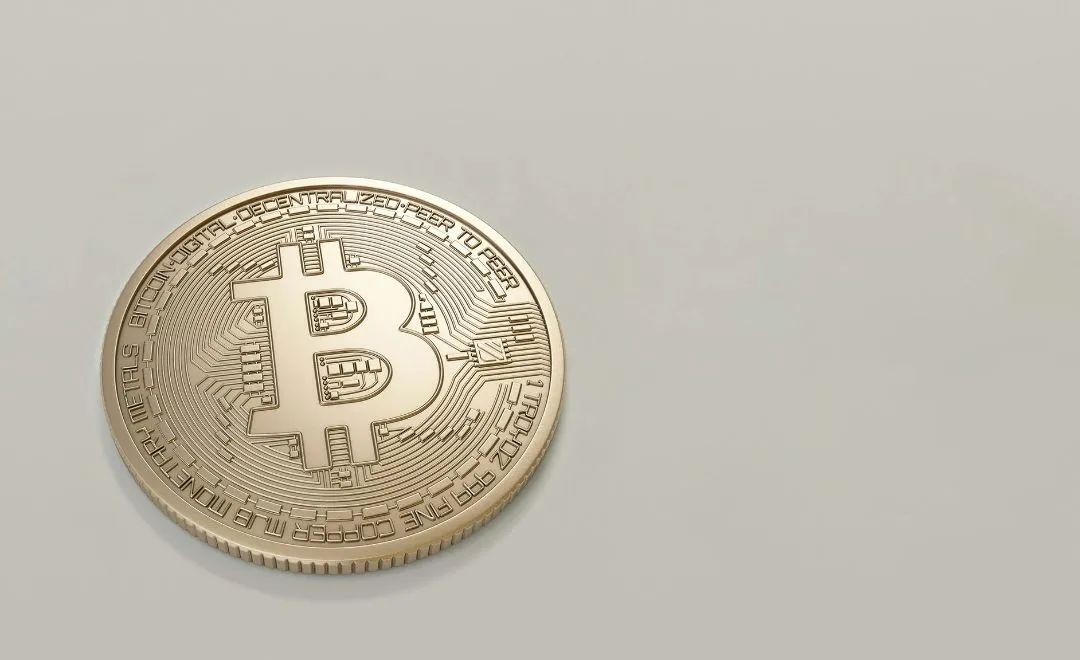
Photo by micheile henderson on Unsplash


Strategic investment

The firm expanded on the finer details of the fund at the summit event and also by way of a press release published to PR Newswire. The primary goal of the initiative is to enrich the platform’s ecosystem by strategically investing in various sectors, including regional exchanges, data analytics firms, and media organizations.

Bitget’s approach via this new fund is grounded in diversification to meet the ever-evolving needs of its 20 million global customers. The exchange envisions creating a comprehensive trading ecosystem that encompasses trading, investment, research, DeFi, and media.

Gracy Chen, the Managing Director of Bitget, emphasized that the cryptocurrency exchange sector is in a constant state of evolution and with that, the firm has a forward-looking vision that extends beyond the present. Chen stated:

“The CEX landscape is continually evolving amid influences of tightened regulations, rapid growth of Layer 2 and DeFi technologies, and we are expecting that more investment, meager [sic] and acquisition will happen in the following months. Our vision goes beyond the present.”

She added: “With the launch of the Bitget EmpowerX Fund, we take another major step in our mission to develop Bitget into a truly comprehensive platform for all needs. Through strategic, targeted investments that foster long-term growth, we aim to continually expand our ecosystem of services to better serve the evolving needs of users. We also want to empower other people in our industry, because a rising tide lifts all boats.”


Broader investment trend

Bitget’s EmpowerX Fund is part of a broader trend of strategic investments and expansion. In April, the exchange introduced the $100 million Web3 Fund, which focuses on supporting projects based in Asia and partnering with global venture capital firms, including Foresight Ventures, SevenX Ventures, and Gitcoin Fund.

As part of that initiative, the firm invested $20 million in Sei Labs, the developers of the layer one Sei blockchain. The strategic direction being taken by Bitget extends beyond digital assets, as Bitget allocated $30 million to invest in the BitKeep multi-chain wallet, which subsequently underwent a rebranding as Bitget Wallet. This investment marked a significant milestone in Bitget’s journey toward embracing decentralized strategies.


Diversifying service offering

To better cater to the evolving needs of its users, Bitget has diversified its service offerings. In addition to traditional trading, the platform has ventured into the realm of crypto loans, a bold move given the difficulties experienced in 2022 by crypto lending firms like Celsius, BlockFi, Hodlnaut, Vauld, and Voyager Digital, who all ended up in bankruptcy.

The company has taken a further step towards diversification on Tuesday, announcing the launch of its Bitget Wealth Management product. The firm claims that the product is targeted to meet the needs of high-net-worth individuals and institutions, offering to assist them in optimizing their financial portfolios.

Bitget has also adapted to a changing regulatory landscape recently, stepping up its compliance in terms of Know Your Customer (KYC) measures.


More to Read
View All
Policy & Regulation·

Jan 02, 2024

Chinese authorities provide insight into conviction of RenrenBit founder

China has provided insights into the conviction of Zhao Dong, the influential crypto over-the-counter (OTC) trader and widely known founder of the RenrenBit crypto trading desk. The ‘OTC King’Last Wednesday, China’s Supreme Procuratorate disclosed that Zhao, known as the "OTC King," was handed down a substantial prison sentence for engaging in illegal foreign exchange and crypto business operations. The case is emblematic of China's persistent efforts to clamp down on cryptocurrency trading, even when conducted through less transparent channels like OTC desks, private chat groups and stablecoins.Photo by Hanson Lu on UnsplashTracing fundsIn their comprehensive disclosure, the Chinese authorities outlined the meticulous investigation that led to Zhao Dong's conviction. The focus was on tracing fund movements across Chinese bank accounts, overseas cash pools and the circulation of Tether and Bitcoin. Investigators honed in on accounts associated with Zhao Dong and the chat groups used for trading activities. Their arsenal included detailed bank records, WeChat conversations, testimonies from Zhao's OTC agents and other documentary evidence. The report highlighted that all defendants, including Zhao Dong, confessed to the process of collecting dirhams in cash in Dubai, paying RMB to the other party's designated account, buying Tether with dirhams, and allowing the domestic gang to illegally sell it back for RMB. Seven year sentenceIn one of the alleged schemes, Zhao Dong purportedly orchestrated crypto-fiat trades between Dubai-based entities holding cash piles in United Arab Emirates (UAE) dirhams and Chinese contacts within the country. With numerous related recipients confirming that the funds Zhao received were payments from foreigners, the prosecution's case was made so much stronger. Zhao unsuccessfully argued during three public court hearings that his actions constituted digital currency transactions and not a breach of foreign exchange laws. The prosecution countered with evidence from the group's chat records, emphasizing the nature of foreign exchange in their dealings. The court ultimately rendered a verdict, sentencing Zhao Dong to seven years in prison and imposing a 2.3 million Chinese yuan ($325,000) fine. This conviction serves as a stark reminder of the stringent regulatory stance that China has adopted towards cryptocurrency trading. Zhao Dong was considered one of China's most influential OTC crypto traders. He was a Bitfinex shareholder and founder of the D Fund venture capital fund. He established RenrenBit in August 2018, incorporating the company in Singapore. The influential crypto trader is also believed to have been involved in assisting stablecoin-issuer Tether to launch its Tether Yuan product. However, once the authorities moved against him, RenrenBit was taken offline while Tether scrapped its pursuit of Tether Yuan. Despite his influence, Zhao has ultimately become a symbol of the government's commitment to curbing such crypto trading activities within mainland China. The outcome underscores the severity of China's regulatory crackdown on cryptocurrency trading and sends a strong message to other players in the crypto space within the country.

news
Policy & Regulation·

Oct 13, 2025

UAE deepens its crypto push as Bybit wins full license and institutions move in

The United Arab Emirates (UAE) advanced its push to become a leading digital asset hub as crypto exchange Bybit received a full virtual asset platform operator license from the Securities and Commodities Authority (SCA). The permit enables Bybit to provide its entire range of products to UAE residents, the company said in an Oct. 9 press release. The clearance marks the culmination of a process that began when Bybit received preliminary approval from the SCA in February. The exchange says it is the first to complete the full licensing journey and notes that 2025 has been a year of major compliance wins, including new credentials in Europe and a return to the Indian market.Photo by Atikah Akhtar on UnsplashBitGo broadens institutional reach in DubaiInstitutional infrastructure is expanding alongside retail access. Crypto custody firm BitGo secured a broker-dealer license from Dubai’s Virtual Assets Regulatory Authority (VARA). The new authorization allows BitGo MENA to deliver regulated trading and intermediation services across the region through an integrated OTC desk and a digital platform supporting spot crypto trading in both dirhams and U.S. dollars. The UAE’s welcoming attitude toward digital assets is changing how major investors think about wealth. The Bitcoin Historian said on X that The Kanoo Group, which oversees about $20 billion in assets, intends to invest in Bitcoin. Bloomberg has reported that affluent families across the region are gradually diversifying beyond real estate and private enterprises. With around $1 trillion expected to shift to younger generations soon, many heirs are looking to allocate more toward cryptocurrencies, tokenized funds, and tokenized real-world assets (RWAs). New fund marks progress in tokenized financeThat growing appetite for digital exposure is now being met with new products. Last month Qatar National Bank (QNB) Group joined forces with Standard Chartered and DMZ Finance to launch the first regulated tokenized money market fund in the Dubai International Financial Centre. Using blockchain technology, the QCD Money Market Fund brings traditional financial assets on-chain, creating new yield opportunities for investors within the digital economy. The fund is managed by QNB Group, uses infrastructure provided solely by DMZ Finance, and has Standard Chartered serving as custodian of its assets. As the UAE deepens its role in global finance, regulators are also working to align with international standards. By 2027, it expects to adopt the OECD’s Crypto-Asset Reporting Framework (CARF), with cross-border data exchanges to begin in 2028. The Ministry of Finance has already signed the Multilateral Competent Authority Agreement to make this happen. The framework promotes automatic sharing of crypto-related tax information among member countries, underscoring the UAE’s commitment to global transparency as it expands its financial footprint. Recent developments show the jurisdiction striving for growth while strengthening oversight. Exchanges are gaining clarity on what they can offer, institutions are building trading rails, and investors are embracing tokenized products. They signal a market finding its balance between innovation and regulation. The coming years will reveal how well that balance can hold. 

news
Policy & Regulation·

Feb 02, 2024

Hong Kong’s PCPD investigates Worldcoin over privacy concerns

On Wednesday, the Office of the Privacy Commissioner for Personal Data (PCPD) in Hong Kong launched investigations at six premises controlled by Worldcoin, the biometric cryptocurrency project established by Sam Altman, the CEO of OpenAI. Potential personal data privacy risksIn a statement, the Privacy Commissioner expressed serious concerns about potential risks to personal data privacy. The PCPD executed warrants as part of the inquiry into Worldcoin's identity verification project, particularly focusing on the use of iris-scanning orbs for identity verification. The PCPD urged Hong Kong residents to consider the implications of Worldcoin's biometric data collection and emphasized the importance of evaluating the legitimacy of such data collection. The Commission also advised individuals to inquire about the purpose of data collection, the intended use of the data, the classes of entities with access to the data, the retention period of biometric data and the safety measures implemented to protect sensitive information. "The PCPD is concerned that the operation of Worldcoin in Hong Kong involves serious risks to personal data privacy, and believes that the collection and processing of sensitive personal data by the relevant organization may be in contravention of the requirements of the Personal Data (Privacy) Ordinance," stated the privacy watchdog. The Commission highlighted that any personal data controlled by Worldcoin must be collected for a lawful purpose related to the project's function or activity, with the information collected from users' irises deemed sensitive according to regulatory guidelines.Photo by Harpreet Singh on UnsplashGlobal scrutinyWorldcoin, which commenced operations in 2021 and officially launched in July 2023, has faced regulatory scrutiny in various countries due to privacy concerns. As of December 2023, Worldcoin reported that over 5 million people had created accounts using their identities. However, the project's approach to identity verification through iris scanning has triggered investigations and actions by regulators. Notably, the project suspended services in Kenya and halted iris scans in India in response to regulatory challenges.  The company’s activities in the French and Brazilian markets have been suspended. Last year the UK’s Information Commissioner’s Office said that it would make further enquiries into the company’s activities. Meanwhile, the German data watchdog has been investigating Worldcoin since 2022. In an effort to clarify the efforts the company is making to achieve compliance across international jurisdictions where data privacy is concerned, Worldcoin recently published a blog post on the subject. Within it, the company states that it “is designed to be fully compliant with all laws and regulations governing data collection and data transfer." Despite its ongoing regulatory challenges, Worldcoin CEO Alex Blania remains steadfast in advancing the project's mission, stating recently:"We race toward billions of users as fast as we possibly can."  The project closed out 2023 by expanding into Singapore. The privacy concerns surrounding Worldcoin underscore the growing importance of balancing technological innovation with robust data privacy regulations to ensure the protection of individuals' sensitive information.

news
Loading