Top

Animoca Brands Co-Founder: U.S. ETF approval positive for Asia

Markets·January 12, 2024, 3:33 AM

The long-awaited approval of spot bitcoin exchange-traded funds (ETFs) in the U.S. on Tuesday is anticipated to have a more substantial impact on the development of cryptocurrencies in Asia.


That’s the view of Yat Siu, the co-founder of Animoca Brands, a Hong Kong-based crypto venture capital and game software firm. The U.S. Securities and Exchange Commission's (SEC) approval is expected to attract new capital to the crypto industry, providing a safer avenue for the crypto-curious.
https://asset.coinness.com/en/news/1e613042a2d7df30a0d3f738271b420d.webp
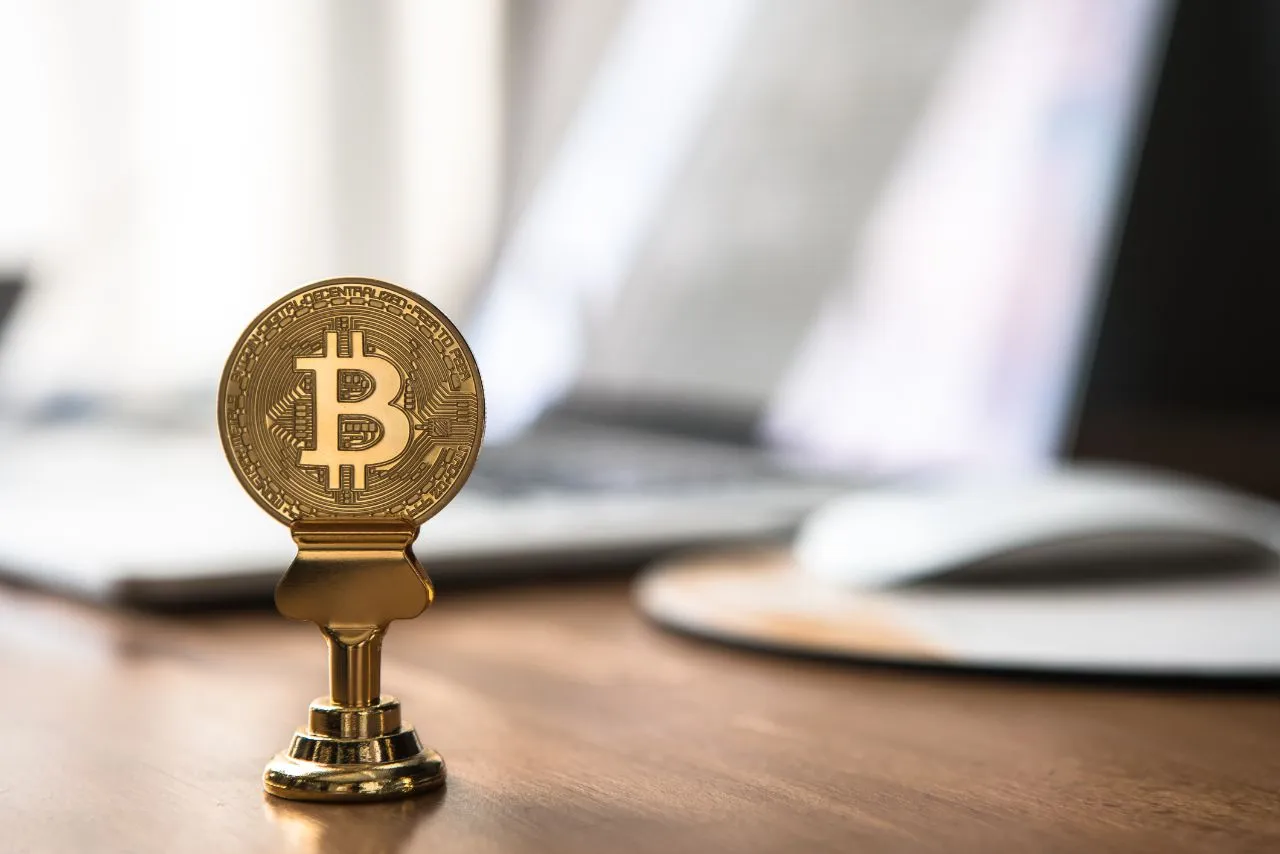
Photo by André François McKenzie on Unsplash

Potential for surge of interest in Asia

In an interview with The Block, Siu emphasized the positive effect on Asia, attributing it to the region's regulatory clarity and the willingness of governments and regulators to build a crypto ecosystem. Strengthening regulatory oversight was a finding of a recent report relative to a number of Asian hubs. Industry leaders believe that the approval of spot bitcoin ETFs in the U.S. could lead to a surge of interest in Asia, where crypto adoption is already higher than in other continents.


The perception of cryptocurrencies as investment assets, rather than just for transactions, might shift in the Asian market, with the ETF offering a regulated and lower-risk avenue for investment exposure. Additionally, Yat Siu noted that Asian investors, particularly the younger generation, have a more open view towards capitalism compared to their U.S. counterparts.


In a recent interview with CNBC, Australian venture capitalist and founder of MHC Digital Group, Mark Carnegie, also expressed the opinion that the digital asset markets in Asia would flourish once the hype of the U.S. ETF approval has subsided.


ETF focus on Singapore and Hong Kong

Post the U.S. approval, attention turns to Asia, with Hong Kong and Singapore emerging as potential candidates for introducing spot crypto ETFs. Hong Kong, in particular, has undergone regulatory renewal, positioning itself as a crypto hub, with it reportedly already attracting interest from fund managers, including those backed by Chinese capital, looking into launching spot crypto ETFs.


Yat Siu alongside Glenn Woo, Head of Sales of APAC at Web3 infrastructure company Blockdaemon, were both positive in their assessment of Hong Kong as a worthy location for the offering of spot bitcoin ETFs in comments made last month. In November, the CEO of Hong Kong’s Securities and Futures Commission (SFC) indicated an openness to considering proposals for spot crypto ETF products aimed at retail investors.


Singapore, known for its mature regulatory environment, is also considered a strong contender. Meanwhile, Japan may witness significant regulatory movement following the U.S. ETF approval.


However, challenges and variables remain for Asia. The scale of capital inflows in Asia, compared to the U.S., and the caution of regulators in the face of crypto industry volatility and trust issues are cited as potential hurdles. Some experts suggest that Hong Kong and Singapore may initially be cautious in encouraging retail participation in virtual asset investments due to previous losses experienced by residents. Still, in the medium to longer term, increased interest and appetite for virtual assets are expected.




More to Read
View All
Web3 & Enterprise·

Apr 01, 2024

Koscom strengthens ties with brokerages to boost security token platforms

As the South Korean capital market eyes the burgeoning potential of security token offering (STO) businesses, Koscom, a financial IT company, is increasingly coming into focus among securities firms for its dedicated STO platform. With four securities companies already in partnership, Koscom is actively seeking to expand its collaboration network further. Koscom is a technology subsidiary of Korea Exchange, the country’s only securities exchange operator.More partnerships with securities firmsAccording to its press release published a few weeks ago, Koscom inked a memorandum of understanding (MOU) with Yuanta Securities Korea, the South Korean branch of the Taiwanese retail broker. Through the partnership, the two entities pledged to collaborate on developing blockchain platforms and discovering new STO projects.  The MOU between Koscom and Yuanta is the fourth STO-related partnership Koscom has inked with a securities company. Koscom's other three brokerage partners are Kiwoom Securities, Daishin Securities and IBK Securities. With over four decades of experience in managing ledgers for brokerages, Koscom is highly skilled in constructing technical infrastructure for the capital market. As the operator of its own blockchain platform, this fintech company has been developing blockchain technology and acquiring relevant expertise.Photo by Shubham Dhage on UnsplashSecurity token issuance and distributionThe necessity for blockchain-based STO platforms provided by companies like Koscom for brokerages stems from regulations set forth by the Korean financial authority. The Financial Services Commission (FSC) mandates that the issuance and distribution of security tokens must be carried out by separate entities. This regulatory framework necessitates a platform that enables securities firms to connect and interact with each other. Koscom offers a joint STO platform designed to streamline transactions between brokerages, improving cost-effectiveness. In light of this, the financial IT company concentrates on developing such platforms with the aim of laying a solid foundation for the emerging STO market. According to local media outlet Etnews, Koscom has set its sights on completing the platform development within the first quarter, with plans to address additional requirements from brokerages subsequently. Striving to expand its network of partnerships to include companies both large and small, Koscom recognizes that a more diverse array of participating firms can enhance the efficiency of token issuance and distribution, which would in turn accelerate the adoption of STOs. Koscom’s strategy offers its partners an opportunity to test its STO infrastructure before the relevant legislation governing the management of security tokens is passed at the National Assembly. Regarding this development, Kim Sung-hwan, Head of the Digital Business Division at Koscom, said, “Koscom’s joint STO platform is emerging as an alternative method for brokerage firms to venture into the security token business. Factors such as costs and workforce requirements have made it difficult for many firms to proceed independently.” He added, “We will provide full technical support for our platform users, allowing them to focus on identifying reliable underlying assets for security tokens.” 

news
Web3 & Enterprise·

Dec 12, 2023

SBI and Saudi Aramco to explore digital asset business partnerships

SBI and Saudi Aramco to explore digital asset business partnershipsJapanese financial services conglomerate SBI and Saudi Arabia’s state-controlled energy giant Saudi Aramco have jointly announced their exploration of potential collaboration in the realms of digital assets and semiconductors.Photo by Chris Liverani on UnsplashDigital asset portfolio co-investingThe partnership, which was publicly disclosed last week, aims to delve into co-investing in each other’s digital asset portfolios. Such an arrangement will leverage SBI’s substantial holdings and the formidable position of Aramco as the world’s second-largest company by revenue, boasting a staggering $604 billion figure. The partnership will mark a strategic alliance that goes beyond geographical boundaries, underscoring the global impact of digital asset investments.The collaboration between SBI and Aramco extends beyond mere investment, with SBI actively seeking to identify Japanese digital asset startups keen on expanding their operations into Saudi Arabia. The joint effort aims to provide comprehensive support to these startups, facilitating their integration into the Saudi market and contributing to the growth of the digital economy.SBI Middle EastIn addition to this venture, SBI is set to establish “SBI Middle East” in Riyadh, serving as a central hub for its operations in the Middle East. This move aligns with SBI’s recent announcement of a $100 million joint fund with Standard Chartered, based in Dubai, solidifying its commitment to fostering financial partnerships in the region.When contemplating cryptocurrency activities in the Middle East, Saudi Arabia might not be the first destination that comes to mind, given Turkey’s significant crypto adoption rate and the UAE’s well-established crypto regulatory authorities, such as Dubai’s VARA and Abu Dhabi’s ADGM.However, Chainalysis data reveals that Saudi crypto activity is steadily gaining ground, experiencing the most significant year-on-year growth (12%) to June 2023. Additionally, the country’s Vision 2030 initiative involves efforts to diversify its economy. With that, blockchain and Web3 are being embraced.TokenizationWhile lacking a formal crypto regulatory regime, recent reports suggest that Saudi regulators are warming up to the idea, indicating a shift in approach. A recent collaboration has emerged between the central banks of Saudi Arabia and Hong Kong which will explore tokenization and payments infrastructure.It is noteworthy that both SBI and Aramco explicitly referred to “digital assets” in their collaboration, avoiding the mention of cryptocurrencies. This emphasis raises the possibility that the focus might extend to tokenization, an area where SBI has a robust presence, notably through the establishment of the Osaka Digital Exchange (ODX), set to commence trading tokenized securities later this month.As part of its digital asset investments, Saudi Aramco has previously engaged in blockchain initiatives, including investments in VAKT, a post-trade solution for the oil sector. Additionally last year Aramco invested in blockchain startup Data Gumbo, which utilizes blockchain in order to bring about operational efficiencies. The collaboration extends to the approval of electronic bill of lading (eBL) providers like TradeGo.In February, Aramco signed an agreement with droppGroup to build out a range of Web3 technologies. Furthermore, Aramco’s investments in companies like Red Date Technologies and IR4LAB underscore its interest in developing blockchain-based services, including document and supply chain solutions.

news
Web3 & Enterprise·

Jul 28, 2023

Hyundai Motor Harnesses Blockchain to Double Down on Climate Change Efforts

Hyundai Motor Harnesses Blockchain to Double Down on Climate Change EffortsSouth Korean auto giant Hyundai Motor Group is taking significant strides in tackling global climate change concerns by harnessing the power of blockchain technology.Photo by Chris Liverani on UnsplashTracking carbon emissionsToday, Hyundai Motor and Kia, two affiliates of the group, have introduced the Supplier CO2 Emission Monitoring System (SCEMS), a carbon emission tracking solution based on blockchain technology. This system marks a pivotal step towards intensifying their efforts to reduce carbon emissions across their extensive supply chain.The SCEMS is designed to record and manage carbon footprints at every stage of the manufacturing process, starting from the extraction of raw materials to the production and delivery of parts and vehicles. This comprehensive approach allows Hyundai and Kia to gain better control over their carbon reduction initiatives.The urgency of addressing climate change has made it essential for organizations of all sizes to manage and decrease their carbon emissions. However, calculating carbon footprints requires an understanding of complex standards and intricate mathematical processes.Supply chainTo address these challenges, Hyundai Motor and Kia are providing the SCEMS to hundreds of their suppliers free of charge, offering them the necessary tools to effectively curb carbon emissions. The SCEMS employs artificial intelligence modeling, which automatically computes carbon emissions and predicts future projections as suppliers from various industries input their data into the system.Previously, these suppliers had to rely on external experts to perform such calculations. By adopting Hyundai’s new system, suppliers can now independently set their carbon reduction goals and efficiently manage their activities, thereby cutting costs and enhancing their competencies.Incorporating blockchainMoreover, Hyundai Motor and Kia anticipate that the incorporation of blockchain technology into their operations will bolster the reliability of their data, increasing their credibility among global evaluators of environmental, social, and governance (ESG) management.A Hyundai official emphasized that the scope of eco-friendly products now encompasses their entire lifecycles and supply chains. The company aims to lead the charge in building a sustainable and green supply chain.In line with this commitment, Hyundai Motor and Kia in February joined the Carbon Disclosure Project’s (CDP) Supply Chain Program, a nonprofit organization that oversees a global disclosure system for investors, companies, and regions to manage their environmental impacts. As part of this initiative, the Hyundai affiliates have also provided education to their suppliers to aid them in achieving carbon neutrality.Under the CDP’s Supply Chain Program, Hyundai affiliates’ suppliers need to submit data on energy consumption and greenhouse gas emissions, along with carbon neutrality strategies, sustainability objectives, and renewable energy transition plans to the nonprofit organization.

news
Loading