Top

Mars Program Sees Huobi Venture into Space

Web3 & Enterprise·June 20, 2023, 12:05 AM

Huobi, the Seychelles-headquartered global crypto exchange platform, has embarked on an extraordinary journey with the launch of Phase I of the Huobi Mars Program, making it the first cryptocurrency exchange to explore the vastness of space.

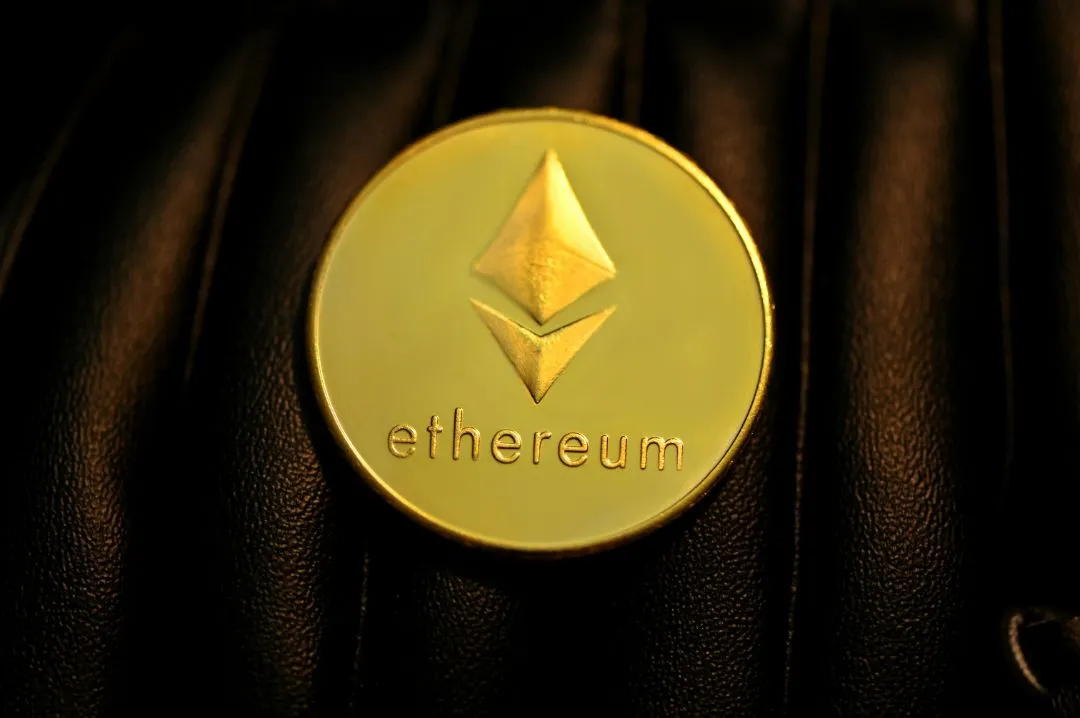
Photo by Ju Guan on Unsplash


Intergalactic interests

The Huobi Mars Program, outlined by the company in a recent blog article, signifies Huobi’s interest in space exploration and an expansion beyond the confines of Earth. With aspirations to venture far into the universe, Huobi is inviting its users to join them on this unique and unprecedented journey, becoming pioneers in the Web3 field to enter space.

The first phase of the Huobi Mars Program, scheduled from June 2023 to June 2024, consists of 12 rounds of themed activities. Each round requires participating users to complete specific tasks and mint space-themed non-fungible tokens (NFTs).

Throughout each round, one lucky user will be selected as the monthly reward winner and stand a chance to become a potential candidate for space travel. In the subsequent phase, the 12 candidates will undergo a rigorous evaluation process, including assessments of physical fitness, training, preparation, and community contribution. Ultimately, one candidate will be chosen to embark on a space journey alongside Justin Sun, a member of the Huobi Advisory Board. The space flight is anticipated to take place after July 2024.


Mars Program commenced

The first round of the Huobi Mars Program opened for participation from June 14 to July 5, 2023. To earn space NFT rewards, users must complete specific tasks in spot trading, peer-to-peer (P2P) transactions, futures trading, and Huobi Earn transactions. Each completed task grants users the opportunity to mint a space NFT, with no upper limits.

Space NFTs will be issued on the TRON Network and can be traded on various NFT platforms. Users need to link their TRON addresses on the event page to receive the minted NFTs. It is advised to mint the NFTs promptly as there will be a daily cap on NFT minting, and qualification does not carry over to subsequent rounds.

The lucky user selected as the monthly reward winner and shortlisted as a candidate space passenger will have their space flight broadcasted worldwide via a live-stream. Huobi will conduct thorough verifications, including checking the winner’s TRON address, UID, and KYC verification, to ensure the authenticity of the winner. The winning space NFTs are non-transferable, and any attempt to transfer them will result in the forfeiture of the reward.


Spot trading fee exemption

In addition to the opportunity of becoming potential space passengers, the lucky users shortlisted during the first round of the Huobi Mars Program will enjoy the privilege of a 180-day exemption from spot trading fees on Huobi.

Huobi isn’t the only crypto market participant with an interest in the intergalactic. It emerged last week that Charles Hoskinson, Founder of layer one blockchain Cardano, is funding The Galileo Project, an expedition to recover an interstellar object from the floor of the Pacific Ocean.

Crypto memes boast of the likelihood of digital asset prices “going to the moon,” but Huobi’s Mars Program aligns with the pursuit of exploring the unknown and appears to amount to a noble intergalactic endeavor.

More to Read
View All
Web3 & Enterprise·

Apr 19, 2023

HashKey Launches Wealth Management Service Amid High Demand

HashKey Launches Wealth Management Service Amid High DemandHong Kong-based HashKey Group, a leading financial technology company in Asia, has launched Hashkey Wealth, a wealth management service in response to significant demand from investors looking for exposure to the digital assets market.©Pexels/Tima MiroshnichenkoPortfolio diversificationWith the increasing adoption of cryptocurrencies and digital assets, many investors are seeking ways to diversify their portfolios and gain exposure to this emerging asset class. HashKey’s wealth management service provides investors with access to a wide range of digital assets, including Bitcoin, Ethereum, and other cryptocurrencies, as well as alternative investments such as non-fungible tokens (NFTs) and decentralized finance (DeFi) projects.The wealth management program is designed to meet the needs of both institutional and individual investors. It offers a variety of investment strategies, ranging from passive to actively managed portfolios, with different risk profiles to suit investors’ preferences. The program also provides a range of services, including custody, trading, and portfolio rebalancing, to ensure that investors can manage their investments with ease.Established track recordHashKey has a strong track record in the digital asset market, having launched its own cryptocurrency exchange in 2018 and a blockchain accelerator program in 2019. The company has also established partnerships with leading players in the industry, such as Huobi, to expand its reach and provide investors with access to a wider range of investment opportunities.In a statement, HashKey Group CEO, Deng Chao, said, “We are excited to launch our wealth management service and provide investors with access to the emerging digital asset market. Our goal is to provide investors with a range of investment options and strategies to meet their needs, while also providing them with the tools and services they need to manage their investments effectively.”Growing interest in digital assetsThe launch of HashKey’s wealth management service comes at a time of increasing interest in digital assets from both institutional and individual investors. With the market for cryptocurrencies and other digital assets expected to continue to grow in the coming years, it is likely that demand for wealth management services in this space will also continue to increase.Additional servicesThe company also gained approval from Hong Kong’s Securities and Futures Commission (SFC) for a Type 9 asset management license which allows it to manage portfolios that are entirely invested in digital assets.Hashkey PRO, its regulated virtual asset exchange, is due to launch in Q2, 2023. In order to facilitate this, the firm has gained SFC approval for both a Type 1 license which covers dealing in securities and a Type 7 license which enables the provision of automated trading services.Overall, the launch of HashKey’s wealth management service and its virtual assets exchange is a positive development for the digital asset market, as it provides investors with a range of investment options and strategies to suit their needs. With the company’s strong track record in the industry and its commitment to providing investors with high-quality services and solutions, it is well-positioned to capitalize on the growing demand for digital asset investments.

news
Markets·

May 30, 2024

DBS Bank pours cold water on ownership of $650M in Ether

A crypto wallet reportedly tied to the multinational banking giant DBS Bank holds over 170,000 Ether, valued at nearly $650 million. Reporting on the matter subsequently prompted DBS to make a denial of any links to the wallet.Photo by Kanchanara on UnsplashClaim asserted, claim deniedOn May 30, blockchain analysis firm Nansen caused some excitement when it took to X, flagging a particular wallet address, identifying it as belonging to an Ethereum whale, taking matters a step further in asserting that the wallet belonged to Singaporean bank, DBS Bank. The submission of securities reports to the Securities and Exchange Commission (SEC) recently by many large corporates led to disclosures from some within traditional finance in the United States of Bitcoin holdings via the spot Bitcoin exchange-traded fund (ETF) products which had been approved earlier this year. A substantial holding of ETH by Singapore’s biggest bank would have been a significant boost for proponents of Ethereum. However, DBS Bank promptly refuted these claims. A spokesperson for the bank subsequently issued a statement to Cointelegraph and Decrypt, stating: "In relation to the post, DBS does not have this position on our books."  Claim not retractedFor its part, Nansen has not retracted its claim. In response to Decrypt, Nansen analyst Edward Wilson stated:"We have it under good authority, via several independent sources, that DBS owns the private key of this wallet and these assets are most likely a part of their custody solution." Wilson told Cointelegraph that it had obtained this information from “a good source,” going on to state: “This is similar to how we see institutions, both crypto-native like exchanges such as Binance or Coinbase custody funds on behalf of their users and non-crypto-native custody funds. The institution is the custodian and is responsible for managing the security of the funds.” The Nansen analyst expressed even more confidence in the claim in response to CryptoSlate. Wilson stated:“Nansen is 100% sure this belongs to DBS – DBS owns the private key of this wallet and these assets are most likely a part of their custody solution.” DBS’s foray into crypto servicesIn 2020, DBS Bank unveiled a crypto trading and custody service, including a platform for conducting security token offerings. At that time, DBS Exchange clarified that while the exchange itself would not hold any assets, it would provide custody services to investors. Since launching its crypto division, DBS Bank has seen significant success. In 2023, DBS reported an 80% growth in Bitcoin trading volume, attributing this surge to the crypto market turmoil of 2022. In February of this year, the Singaporean bank moved to integrate its digital asset exchange business into a new global financial markets unit. In April 2023, DBS opened a branch of the bank on the metaverse. It demonstrated its Web3 credentials further in August 2023 by introducing a metaverse game to tackle the issue of global food waste.

news
Policy & Regulation·

Sep 12, 2023

Five Foreigners Detained in Thai Crypto Scam Crackdown

Five Foreigners Detained in Thai Crypto Scam CrackdownAgainst a background that continues to see the crypto sector plagued by fraud, Thai authorities have taken decisive action by detaining five foreign nationals accused of orchestrating a multi-million dollar crypto scam.Photo by Dan Freeman on UnsplashA $76 million griftThe scam was clever in that it targeted the aspirations of over 3,200 victims, promising them substantial returns through fraudulent investments in gold and cryptos like Tether (USDT). In its wake, the scheme has left countless investors devastated, with some resorting to drastic measures like securing second mortgages on their homes.According to a report on Monday by The Bangkok Post, an English-language publication in Thailand, Thailand’s Cyber Crime Investigation Bureau (CCIB) told the publication on Sunday that it had initiated an extensive investigation into BCH Global Limited, the company at the heart of the scam. The individuals responsible for perpetrating the alleged fraud are four Chinese nationals and one Laotian citizen. They now face a litany of charges including fraud, transnational crime, money laundering, and the falsification of computer documents.The scammers ingeniously enticed their victims with alluring promises of remarkable returns through their crypto investment platform, bchgloballtd.com.International cooperationThailand’s efforts to bring these culprits to justice did not take place in isolation. The Thai authorities forged partnerships with international law enforcement agencies, including the Department of Homeland Security in the United States, which aided the Thai authorities greatly in their investigations. The collective effort ultimately culminated in the arrest of the five suspects and the seizure of properties valued at 585 million baht ($16.5 million) by Thailand’s Anti-Money Laundering Office.Part of a broader problemWhile this particular crypto scam is significant, it is far from an isolated incident within Thailand. It adds to the growing concerns of Thai officials who are becoming increasingly exasperated with the prevalence of cryptocurrency scams within their borders.Thai authorities have even issued a stern warning to Meta, the parent company of Facebook, cautioning that failure to address the issue of deceptive advertisements on its platform may lead to expulsion. The government contends that over 5,300 fraudulent ads on Facebook have victimized more than 200,000 Thai citizens.The overarching Asian region in general appears to be harder hit when it comes to crypto-related scams. In August, a $120 million crypto ponzi scheme was exposed in India. Last month the South Korean Financial Supervisory Service (FSS) issued a press release warning investors to be mindful of fraudulent crypto investment schemes. The very same month, Singaporean authorities uncovered a $1.3 million crypto mining scam.The apprehension of the five suspects responsible for the $76 million crypto scam underscores the pressing need for more stringent regulations and heightened vigilance within the crypto space. Such measures are required if innocent investors are to be protected from falling victim to similar scams in the future.

news
Loading