Top

HashKey Launches Wealth Management Service Amid High Demand

Web3 & Enterprise·April 19, 2023, 3:32 AM

Hong Kong-based HashKey Group, a leading financial technology company in Asia, has launched Hashkey Wealth, a wealth management service in response to significant demand from investors looking for exposure to the digital assets market.

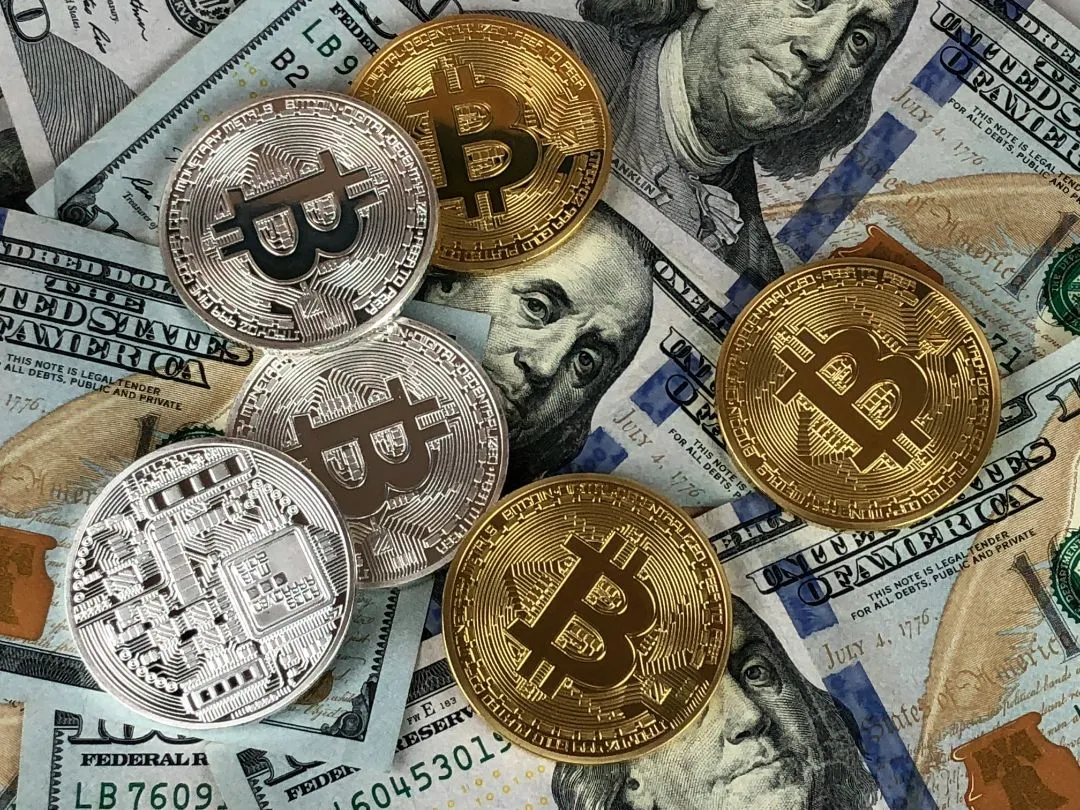
table with money, calculator on the phone, papers and USD cash bills
©Pexels/Tima Miroshnichenko


Portfolio diversification

With the increasing adoption of cryptocurrencies and digital assets, many investors are seeking ways to diversify their portfolios and gain exposure to this emerging asset class. HashKey’s wealth management service provides investors with access to a wide range of digital assets, including Bitcoin, Ethereum, and other cryptocurrencies, as well as alternative investments such as non-fungible tokens (NFTs) and decentralized finance (DeFi) projects.

The wealth management program is designed to meet the needs of both institutional and individual investors. It offers a variety of investment strategies, ranging from passive to actively managed portfolios, with different risk profiles to suit investors’ preferences. The program also provides a range of services, including custody, trading, and portfolio rebalancing, to ensure that investors can manage their investments with ease.


Established track record

HashKey has a strong track record in the digital asset market, having launched its own cryptocurrency exchange in 2018 and a blockchain accelerator program in 2019. The company has also established partnerships with leading players in the industry, such as Huobi, to expand its reach and provide investors with access to a wider range of investment opportunities.

In a statement, HashKey Group CEO, Deng Chao, said, “We are excited to launch our wealth management service and provide investors with access to the emerging digital asset market. Our goal is to provide investors with a range of investment options and strategies to meet their needs, while also providing them with the tools and services they need to manage their investments effectively.”


Growing interest in digital assets

The launch of HashKey’s wealth management service comes at a time of increasing interest in digital assets from both institutional and individual investors. With the market for cryptocurrencies and other digital assets expected to continue to grow in the coming years, it is likely that demand for wealth management services in this space will also continue to increase.


Additional services

The company also gained approval from Hong Kong’s Securities and Futures Commission (SFC) for a Type 9 asset management license which allows it to manage portfolios that are entirely invested in digital assets.

Hashkey PRO, its regulated virtual asset exchange, is due to launch in Q2, 2023. In order to facilitate this, the firm has gained SFC approval for both a Type 1 license which covers dealing in securities and a Type 7 license which enables the provision of automated trading services.

Overall, the launch of HashKey’s wealth management service and its virtual assets exchange is a positive development for the digital asset market, as it provides investors with a range of investment options and strategies to suit their needs. With the company’s strong track record in the industry and its commitment to providing investors with high-quality services and solutions, it is well-positioned to capitalize on the growing demand for digital asset investments.

More to Read
View All
Web3 & Enterprise·

Nov 21, 2023

Conference in Pohang City attracts young metaverse enthusiasts

Conference in Pohang City attracts young metaverse enthusiastsThe Global Youth Metaverse Conference has commenced at the POSCO International Center in the South Korean port city of Pohang. This two-day event, starting from Nov. 21, gathers over 100 participants from both domestic and international spheres, including young individuals and business officials.The event provides a chance for participants to listen to lectures from scholars around the world, network with youths from various countries, and learn about the potential impacts of the metaverse. The presentations focus on business strategies for the burgeoning metaverse industry, illustrating its development through the convergence with diverse technologies and industries, including AI and blockchain.Photo by Richard Horvath on UnsplashYouth’s role in navigating the ‘Big Blur’The conference focuses on the youth’s leading role in navigating what’s called the “big blur.” This term alludes to the increasing blurring of boundaries between various industries, a phenomenon driven by the rapid and innovative technological advancements associated with the Fourth Industrial Revolution. This revolution encompasses transformative elements such as the Internet of Things (IoT), artificial intelligence (AI), and robotics, all of which are accelerating this convergence.During his keynote speech, Professor Kim Sang-gyun from Kyung Hee University paints a picture of the metaverse shaped by superhuman capabilities, emphasizing the transformative potential of technologies like AI, genetic engineering and nanotechnology in reshaping the future of humanity.Further enriching the dialogue, Daniél Ávila Arias, CEO of BoxMagic, explores the future of coding in everyday language. He delves into how advancements in large language models will revolutionize programming and our interaction with machines. Meanwhile, Lim Jung-hun, Principal at Deloitte Anjin, offers valuable advice to young entrepreneurs eyeing metaverse-related startups, highlighting the importance of customer experience in metaverse business implementations.Moses Im from The Sandbox shares insights into the profound changes expected as Web3 infrastructures and platforms gain more traction.Interactive and cultural activitiesThe conference also features a range of content events designed to spark creative discussions among the youth and enhance their understanding of the metaverse. These include a booth for immersive virtual interactions, an exhibition displaying works from the Creative Metaverse Festival, and a digital photo exhibition promoting cultural tourism in the province.Echoing the event’s themes, Kim Nam-il, Deputy Mayor of Pohang, affirmed the city’s dedication to nurturing the metaverse industry, recognizing it as a new frontier in the digital age. He stated that the city is taking proactive steps to explore and develop this sector and assured that they will provide extensive support and cooperation to foster its growth.

news
Policy & Regulation·

Oct 15, 2025

South Koreans warm to stablecoins as interest surges, but central bank urges caution

South Korea is moving closer to the global stablecoin trend as public curiosity and real-world trials accelerate, even as the country’s central bank signals it wants tight guardrails. A recent analysis from Shinhan Card, reported by Money Today, finds that internet searches for “stablecoin” in South Korea jumped 403% in the first half of this year compared with the previous six months, based on data from major portals such as Google and Naver. Mentions on social media rose 359% over the same period. The spike reflects growing expectations that U.S. dollar-pegged tokens could make cross-border payments faster and cheaper by enabling near-instant settlement at prevailing foreign-exchange rates. Interest has been reinforced by user reviews of actual payment experiences, which climbed between May and July. Crypto-linked cards, including RedotPay and Bybit’s offerings, are already usable domestically and allow top-ups with leading stablecoins such as USDT and USDC. One user described buying a cup of coffee at a local shop with a RedotPay card via Apple Pay. The small purchase underscores how crypto rails are edging into routine spending.Photo by Oat Appleseed on UnsplashFrom curiosity to checkoutTrading venues remain the main arena. According to CryptoQuant, transactions in USDT and USDC on the country’s five leading exchanges totaled nearly $71 billion from January through August, underscoring stablecoins’ central role in crypto liquidity and price discovery. Stablecoin interest in Korea shows a skew toward younger users and men, with men making up 74% of related searches and women 26%. By age, people in their 20s–40s accounted for 66% of searches, while those aged 50 and above represented 34%. Public debate is widening alongside adoption, with some online commenters predicting that stablecoins could chip away at the influence of traditional card networks. At the same time, banks, card companies, and exchanges are bracing for the arrival of a won-pegged counterpart, as the government and parliament prepare a regulatory framework and aim to introduce a bill as early as this month. Domestic card issuers, drawing on their merchant networks and settlement systems, are already exploring how to integrate won-backed tokens in ways that maximize convenience and scalability. Adoption meets skepticismSkeptics counter that Korea’s existing payments infrastructure is already world-class, leaving only marginal gains for a won stablecoin. They also argue that cross-border benefits would be modest because the won lacks reserve-currency status and broad global demand. The Bank of Korea (BOK) has struck a notably conservative tone. Governor Rhee Chang-yong has previously questioned the benefits of a won-denominated stablecoin and warned of risks to the monetary system. Earlier this month, in documents submitted to a lawmaker and reported by The Herald Business, the BOK advised that parliament consider granting it authority to require issuers to deposit reserves at the central bank when necessary. According to the bank, such a measure would strengthen user protection during heavy redemptions, curb money-supply growth outside its control, and ensure that any seigniorage benefits flow to the public. That approach could reduce issuer profits, since deposits at the BOK would not earn interest, just as is the case for commercial banks. The documents also recommend sizing reserves to match the total stablecoin supply, while clarifying that not all of it would necessarily need to be held at the central bank. Issuance path and next stepsAs for who should issue a won-pegged token, the BOK favors starting with a consortium of banks, citing their track record on compliance and the need for a controlled pilot that lets regulators assess and mitigate risks before widening access. The developments suggest a country exploring how stablecoins might integrate into an already sophisticated payments network. Consumers are showing interest, exchanges are handling large flows, and regulators are shaping the legal framework that will define the place of any future won-based digital currency. 

news
Policy & Regulation·

Oct 20, 2023

Regulatory Caution Among Asian Nations Amid Reports of Illicit Financing

Regulatory Caution Among Asian Nations Amid Reports of Illicit FinancingWith a plethora of reports of crypto-related terrorist financing having been published in recent weeks, it’s understood that Asian nations may be looking to exercise caution when it comes to the current ongoing process of establishing regulatory guidelines for crypto.That’s according to a report published by the South China Morning Post (SCMP) on Thursday. The use of cryptocurrency by Hamas to fund its attack on Israel is being seen as the catalyst that may drive authorities in various Asian nations to take a more cautious approach to regulating digital currencies, according to analysts cited by the publication.Raj Kapoor, the founder of India Blockchain Alliance (IBA), commented on these recent developments, stating:”It is a kick on the backside for most governments. All regulatory bodies will take a closer look at crypto regulation. Governments will need to start implementing new rules and regulations.”At the recent G20 summit held in New Delhi, a joint declaration called for the regulation, supervision, and oversight of crypto assets, among other measures. The declaration emphasized the importance of supporting “a coordinated and comprehensive policy and regulatory framework.”Kapoor stressed the importance of revisiting the declaration and developing solutions to implement its objectives.Photo by Adolfo Félix on UnsplashRenewed scrutinyEvents in Palestine in recent weeks have led to renewed scrutiny when it comes to monitoring illicit financing activity via cryptocurrency. Only days following the recent Hamas attack, Israeli authorities moved to freeze specified crypto accounts.That scrutiny has continued in recent days, with more accounts having been frozen on crypto platforms such as Binance, while more still have been identified as suspicious, with requests for further information having been submitted in respect of over 200 additional accounts.On Wednesday it emerged that the United States Treasury’s Office of Foreign Assets Control (OFAC) had sanctioned a Gaza-based crypto platform.Potential over-reactionWhile crypto-related terrorist financing has been widely publicized, blockchain analytics firm Chainalysis warned on Wednesday that crypto’s role in this illicit activity has likely been overstated. In its blog post on the subject, the firm stated:“Although terrorism financing is a very small portion of the already very small portion of cryptocurrency transaction volume that is illicit, some terrorist organizations raise, store, and transfer funds using cryptocurrency.”Additionally, Chainalysis stated that it had seen “overstated metrics and flawed analyses of these terrorist groups’ use of cryptocurrency.” Peter Van Valkenburgh, Director of Research at non-profit crypto advocacy group Coin Center, also believes that reporting on the matter is not balanced. Taking to X, he stated:“Sensational early reporting on the scale of Hamas crypto fundraising significantly misstated the amounts involved.”Coin Center’s Director of Communications, Neeraj Agrawal, highlighted an article which claimed that crypto “fueled Hamas’ terror attack on Israel” in its title, only to reveal within the body of the article that “cryptocurrency is still far from the largest funding source for terrorism.”Anndy Lian, a Singapore-based author and inter-governmental blockchain adviser, noted that while some countries may consider banning cryptocurrencies as a solution, this could merely drive illicit financing underground and make it more challenging to trace and halt. Lian argued that cryptocurrencies are traceable and trackable, unlike traditional fiat currencies like US dollars.

news
Loading