Top

RBI Official Encourages Indian Banks to Adopt Blockchain

Policy & Regulation·June 01, 2023, 12:00 AM

In a recent conference organized by the Reserve Bank of India (RBI), Deputy Governor Mahesh Kumar Jain highlighted the importance of adopting innovative technologies like artificial intelligence (AI) and blockchain to ensure sustainable growth and stability in the country’s banking sector.

Speaking at the RBI-hosted event for directors of Indian banks last week, Jain emphasized the need for effective corporate governance, governance structure, and risk management strategies to tackle future challenges arising from technological disruptions, evolving customer expectations, and cybersecurity threats.
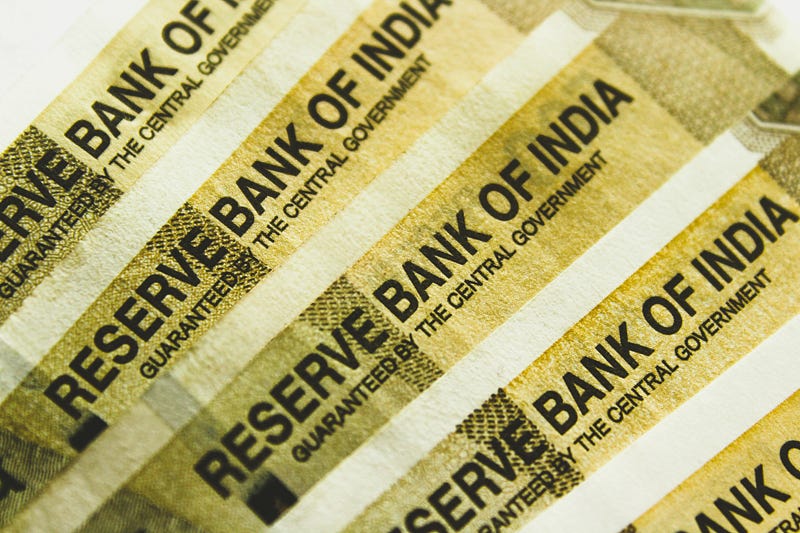
Photo by rupixen.com on Unsplash


Leveraging AI and blockchain

The recommendation to leverage AI and blockchain technologies aligns with India’s digital transformation goals and the desire to enhance customer experiences while investing in cybersecurity measures. Jain advised Indian banks to prepare for the future by focusing on digital transformation, exploring innovative technologies like AI and blockchain, and seeking collaborative opportunities with other industry players. He also emphasized the importance of upskilling the workforce to meet the demands of the digital era.


Inconsistent approach

This proposal comes at a time when the Indian government’s stance on cryptocurrencies remains ambiguous. While India has been exploring the introduction of a central bank digital currency (CBDC), the Cryptocurrency and Regulation of Official Digital Currency Bill, 2021, which aimed to establish regulations for digital currencies, has not been legislated.

According to the RBI’s annual report, which was published on Tuesday, the central bank is progressing with its retail central bank digital currency (CBDC) pilot program, with plans to expand the number of banks involved, the use cases, and the number of locations. It had expanded the scope of the project to involve one million citizens, but it’s looking to broaden that user base also. In contrast, the country’s approach to decentralized cryptocurrency has been contradictory, sometimes banning it and at other times, allowing it.

It is noteworthy that India’s neighbor, Pakistan, has also recently announced plans to train one million IT graduates in AI by 2027, with potential applications in weather prediction, agriculture supply chain optimization, and health services transformation.

The RBI’s recommendation to adopt AI and blockchain technologies reflects the growing recognition of their potential benefits for the banking sector.


Embracing tech innovation in banking

By embracing these technologies, Indian banks can enhance efficiency, automate processes, and strengthen security measures. The adoption of AI and blockchain has the potential to transform various aspects of banking, including risk management, fraud detection, customer service, and transaction processing.

While India continues to navigate the regulatory landscape surrounding cryptocurrencies, the central bank’s focus on AI and blockchain signals its commitment to embracing technological advancements and preparing the banking sector for the future. As India’s financial ecosystem evolves, the adoption of these technologies can empower banks to offer innovative services, streamline operations, and provide secure and efficient financial solutions to customers.

The RBI’s emphasis on digital transformation, AI, and blockchain paves the way for Indian banks to explore new avenues for growth and resilience. As the country progresses on its digital journey, the adoption of emerging technologies will play a pivotal role in shaping the future of the banking sector and contributing to India’s overall economic development.

More to Read
View All
Policy & Regulation·

Oct 25, 2023

China Makes History by Settling Cross-Border Oil Deal with Digital Yuan

China Makes History by Settling Cross-Border Oil Deal with Digital YuanThe digital yuan, China’s central bank digital currency (CBDC), also known as e-CNY, was used for the first time to settle a significant oil transaction.Chinese state-owned media outlet China Daily reported on Saturday that the Shanghai Petroleum and Natural Gas Exchange (SHPGX) revealed on October 20 that PetroChina International, a subsidiary of the China National Petroleum Corporation (CNPC), successfully acquired 1 million barrels of crude.Photo by engin akyurt on UnsplashAdvancing e-CNY use internationallyThis transaction is a response to the call by the Shanghai Municipal Party Committee and Municipal Government to incorporate the digital yuan into international trade, marking a noteworthy stride towards the broader adoption of the digital currency.The exact seller and price details for the deal were not disclosed. This historic crude oil transaction signals not only the increasing use of the digital yuan in global trade but also a noteworthy step in the movement towards de-dollarization. Reports from China Daily suggest that the use of the yuan in cross-border settlements experienced a remarkable 35% year-on-year increase in the first three quarters of 2023, reaching a total of $1.39 trillion.This milestone isn’t the first time the yuan has been utilized in the energy sector. In March, the yuan was first used in a liquefied natural gas (LNG) purchase on the SHPGX, as French TotalEnergies reached an agreement to sell LNG to the China National Offshore Oil Corporation (CNOOC). Recently, another LNG deal was executed between CNOOC and French Engie, although these transactions did not involve the digital yuan.In parallel developments, First Abu Dhabi Bank announced on October 19 that it had established an agreement on digital currency with the Bank of China during the third Belt and Road Forum for International Cooperation. China and the United Arab Emirates, including Abu Dhabi, are participants in the mBridge platform designed to facilitate cross-border transactions using CBDCs. The mBridge platform is expected to launch as a minimum viable product in the coming year.Furthering mass adoptionThe Chinese authorities are taking several distinct approaches in furthering mass adoption of the e-CNY. The Chinese subsidiaries of both Singapore’s DBS Bank and France’s BNP Paribas have recently partnered with the People’s Bank of China to enable their international clients operating in China to use the digital yuan.A long list of initiatives have been taken within mainland China by regional governing authorities to further the use of the CBDC. To further enable mass adoption at home, a new offline SIM card-based digital yuan wallet was developed and launched earlier this year.The successful use of the digital yuan in settling this oil deal represents a significant step forward in the internationalization of China’s currency and the growing influence of CBDCs on the global economic stage. As the world watches these developments unfold, the digital yuan continues to make strides towards becoming a crucial means of exchange in international trade and finance.

news
Web3 & Enterprise·

Apr 11, 2023

Chinese Insurer Founds 2 Crypto Funds in Hong Kong

Chinese Insurer Founds 2 Crypto Funds in Hong KongChina has been in the headlines lately as the country continues to take a growing interest in cryptocurrencies in spite of a previous clampdown. According to a blog post published last Thursday, a Chinese state-owned insurance company launched two crypto funds, further solidifying the country’s stance on digital assets.©Pexels/Charlie JinChinese crypto resurgenceChinese insurance behemoth, the China Pacific Insurance Company (CPIC) has launched the two cryptocurrency funds in Hong Kong. The funds will be managed by the firm’s asset management unit, CPIC Investment Management, and have been established in conjunction with venture capital and blockchain start-up investment firm, Waterdrip Capital. Furthermore, they will focus on investments in cryptocurrencies and related assets, with a particular emphasis on Bitcoin and Ethereum.Waterdrip was originally founded in Shanghai in 2017, and has previously invested in the Chinese crypto mining sector, together with other blockchain-related projects. The move comes as China continues to make strides towards becoming a leader in the digital currency space. Last year, the country’s central bank announced plans to create its own digital currency, which is currently in the testing phase. The move is seen as a way for China to gain more control over its financial system and reduce its reliance on the US dollar.Hong Kong crypto hubChina’s growing interest in cryptocurrencies has been driven in part by the country’s rapidly growing tech industry. Companies like Tencent and Alibaba are leading the way in digital payments and e-commerce, and many believe that cryptocurrencies will play a key role in the future of online transactions.The launch of these two crypto funds by a state-owned insurance company is just the latest indication of the formative development of Hong Kong as a crypto hub. Its believed that China is treating crypto development in Hong Kong as a manner in which it can determine how digital assets can be utilized subsequently on mainland China.It’s not the first time a state-owned entity has gotten involved in cryptocurrency. Earlier this year, a state-owned company launched two crypto funds in Hong Kong, with a focus on investing in Bitcoin and other digital assets.Previous crypto crackdownDespite China’s growing interest in cryptocurrencies, the country has also taken a tough stance on the industry in the past. In 2017, the Chinese government banned initial coin offerings (ICOs) and shut down local cryptocurrency exchanges. However, it appears that the country’s stance is shifting, with the launch of these two crypto funds serving as a clear indication of China’s growing interest in digital assets.While China’s embrace of cryptocurrencies is seen by many as a positive development for the industry, there are also concerns about the country’s growing influence in the space. With China’s central bank developing its own digital currency, some worry that the country could use it to further extend its financial reach and influence around the world.Despite these concerns, it’s clear that China’s interest in cryptocurrencies is only growing. As the country continues to make strides in the digital currency space, it will be interesting to see how it impacts the global economy and the future of finance.

news
Policy & Regulation·

Aug 29, 2023

Indian PM Narendra Modi Calls for Global Crypto Regulatory Framework

Indian PM Narendra Modi Calls for Global Crypto Regulatory FrameworkAmid the rising tide of emerging technologies like cryptocurrency and artificial intelligence, Indian Prime Minister Narendra Modi has emphasized the urgent need for a worldwide regulatory framework to ensure user safety and ethical utilization.His remarks were delivered at the G20 Summit India 2023, where he stressed the importance of cohesive global efforts in shaping the future of technological advancements.Photo by Shubham Dhage on UnsplashG20 PresidencyIndia, currently holding the G20 Presidency for 2023, has taken a strong stance in advocating for the establishment of a comprehensive global regulatory framework for cryptocurrencies. Earlier this month, the country released a presidency note outlining its insights into the proposed framework.These recommendations are closely aligned with the guidelines set forth by authoritative bodies such as the Financial Stability Board (FSB), the Financial Action Task Force (FATF), and the International Monetary Fund (IMF).Notably, India’s presidency note extended its considerations beyond established economies to include provisions for developing nations relative to crypto. At the time, it was revealed that a collaborative “synthesis paper” was in the works, jointly crafted by the IMF and the FSB. This paper, set to be unveiled by the end of August, will delve into the global macro implications stemming from the adoption and growth of cryptocurrency. The timing of this release is particularly significant, coinciding with the upcoming G20 Summit scheduled for September 9.Establishing a global frameworkAddressing the G20 Summit, Prime Minister Modi articulated his vision for a world unified under a comprehensive regulatory framework not only for cryptocurrencies but also for the ethical utilization of emerging technologies like artificial intelligence. In an interview with media platform Business Today, he emphasized the reality of rapid technological progress sweeping across the globe. Instead of dismissing or wishing away these advancements, Modi underscored the need for proactive adoption, democratization, and a unified global approach.Modi’s perspective underscores his support for a harmonized global strategy when it comes to formulating regulatory frameworks for emerging technologies. Drawing a parallel with the aviation industry, he highlighted how air traffic control and air security are governed by common global rules and regulations, illustrating the effectiveness of a consensus-based model.Expanding on the implications of India’s G20 presidency, Modi shed light on the deliberations centered around cryptocurrency’s potential impact within broader macroeconomic contexts, particularly within emerging and developing economies.Regulatory needs at a national levelWithin India, various stakeholders have been struggling with the regulation of cryptocurrencies themselves. In July, the Indian Supreme Court criticized the government for its failure to establish clear crypto-related regulations. The country’s central bank, the Royal Bank of India (RBI), has been less enthusiastic about decentralized cryptocurrency, warning of the risks extended by stablecoins more recently. Instead, it has proven to be far more interested in advancing the use of permissioned blockchain networks and a central bank digital currency (CBDC).The proposition of a globally accepted set of guidelines for cryptocurrency regulation has garnered substantial support from authorities worldwide as they begin to understand the difficulty that decentralized technology presents in terms of controlling it. If Modi’s vision translates into reality, it could mark a significant step toward standardizing the governance of cryptocurrencies on an international scale.

news
Loading
