Web3 & Enterprise·Aug 28, 2023
BC Card Accelerates Launch of NFT Guarantees for Secondhand Luxury Goods Trades
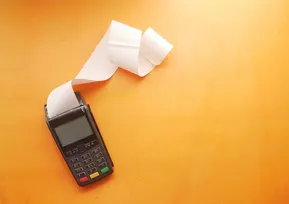
BC Card Accelerates Launch of NFT Guarantees for Secondhand Luxury Goods TradesSouth Korean credit card issuer BC Card announced on Sunday that it has applied for two domestic patents for blockchain technology that will be used to issue digital guarantees for purchases of luxury goods, such as bags, watches, and more. These guarantees will be minted as non-fungible tokens (NFTs) that can later be accessed by buyers or sellers during secondhand trades, which often pose risks and uncertainty regarding product quality or authenticity.Enhancing trust and securityThese NFTs will be based on paper or digital payment receipts — which contain detailed information on purchase receipts, such as product names, payment amounts, purchase dates, and shop information — that a customer receives after purchasing goods at stores that accept BC cards.Photo by Towfiqu barbhuiya on UnsplashBecause the guarantees are stored on a blockchain, they are almost impossible to tamper with. BC Card anticipates that this service will offer advantages like boosted safety, convenience, and security for both buyers and sellers who wish to partake in transactions of secondhand luxury goods.In addition, the data distributed across servers eliminates concerns about data loss. To achieve this, BC Card plans to collaborate with telecommunications provider KT and BC’s subsidiary, VP, which specializes in electronic payment services.“Through this patent application, we expect to significantly enhance the trustworthiness of secondhand luxury goods transactions in Korea,” said Kwon Sun-moo, Director of the New Financial Research division at BC Card. “After the patents are registered, we plan to collaborate with companies under KT Group like KT Alpha as well as other distribution companies in a business-to-business-to-consumer (B2B2C) system.”Access through a digital walletCustomers can take a photo of a receipt with their phones or download it, then upload it to BC Card’s financial platform, Paybook. The photo is then converted into an image that is automatically stored as an NFT on the blockchain network.Once a seller registers a payment receipt for a product that they bought, then the subsequent NFT guarantee can be accessed or sent through their BC Card digital wallet — a feature that the company plans to launch soon — at any time during future transactions. This offers a convenient solution to the possibility of losing receipts, which traditionally requires manually downloading them again from the card company’s website or app.Revolutionizing secondhand tradeThis new technology could play a significant role in the booming resell and secondhand goods trading market, the company said. According to data from the Korea Internet & Security Agency last year, the domestic secondhand market has grown from a scale of KRW 4 trillion in 2008 to KRW 24 trillion in 2021 and is projected to exceed KRW 30 trillion this year.“Through the registration of payment receipts, we can analyze consumption patterns and even suggest improvements in spending habits to our customers,” Director Kwon highlighted.BC Card is also considering offering luxury appraisal and authentication services along with the future launch of the NFT service.