Top

Crypto.com partners with Triple-A to enable direct crypto payments

Web3 & Enterprise·November 27, 2024, 3:45 AM

Crypto exchange platform Crypto.com and Triple-A, a company that enables businesses to pay and get paid in digital currencies, both Singapore-headquartered entities, have entered into a partnership to enable direct crypto payments.


Simplifying crypto payments

Crypto.com set out details of the partnership in a press release published to its website on Nov. 21. The firm stated that its partnership with Triple-A will give its global customer base “access to a diverse range of new global merchants.”


The duo have set out to simplify crypto payments for both merchants and users alike. Crypto.com users will shortly be enabled in making purchases from a range of e-commerce brands directly, using crypto held in their Crypto.com wallets.


Through Triple-A’s input, Crypto.com users will be spared the need to manually convert digital assets to fiat currency before making purchases. Furthermore, users won’t incur a fee for any conversion that takes place behind the scenes.
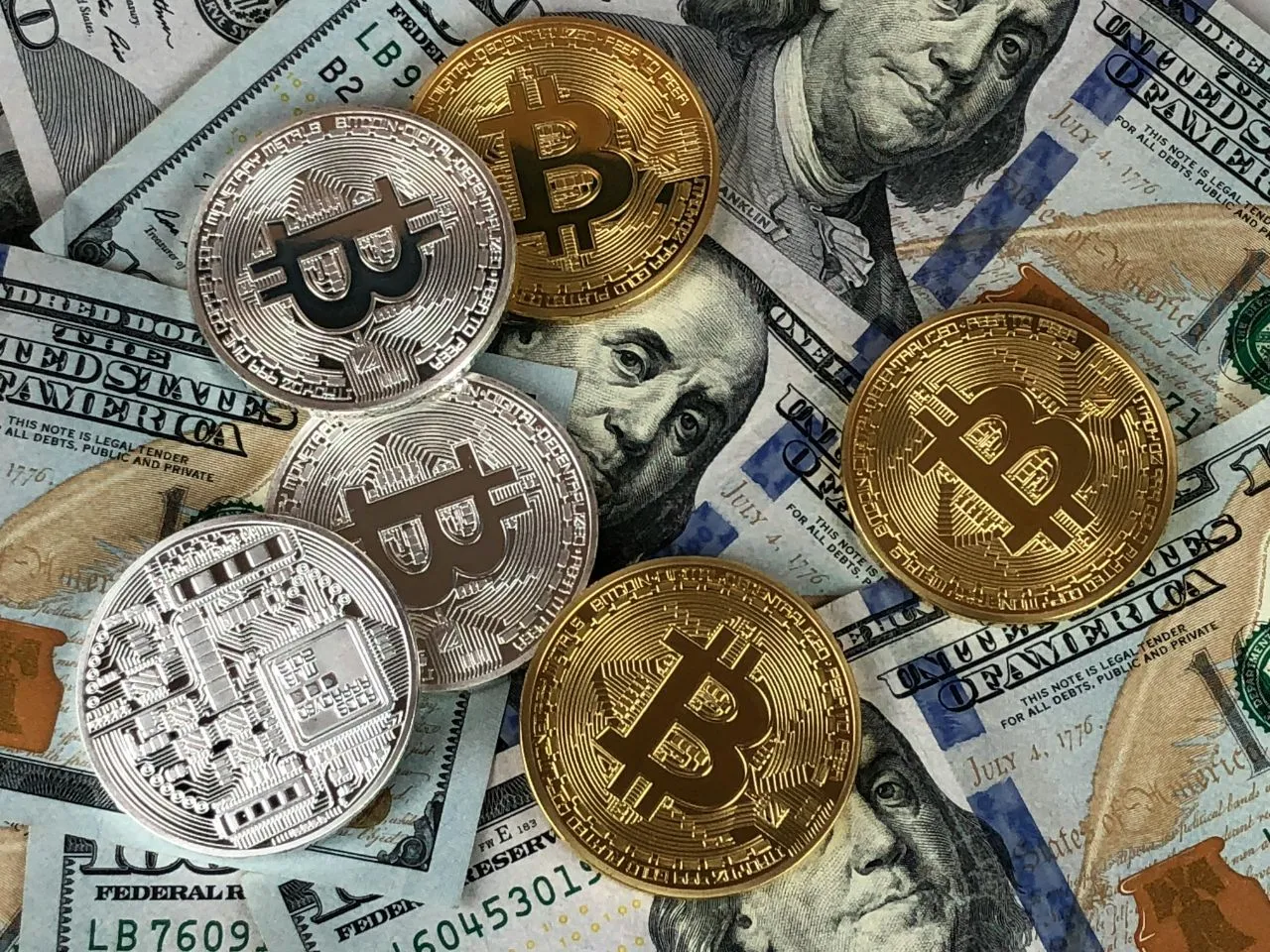
https://asset.coinness.com/en/news/cb86a36fdcfe9cb26dd49ccc28bbc699.webp
Photo by David McBee on Pexels

Cashback rewards

Once launched, with the service initially planned to launch in Singapore before further rollout elsewhere, Crypto.com users will also be in a position to benefit from rewards. Eric Anziani, the company’s president and chief operating officer (COO), spoke to this element of the offering, stating:


“Partnering with Triple-A enables us to do this by expanding crypto payments to a range of popular brands, creating a seamless shopping experience and providing an opportunity to earn cashback rewards to make spending crypto even more rewarding.”


Volatility protection

As part of the solution that has been put in place, Triple-A will ensure that merchants aren’t exposed to cryptocurrency volatility in accepting crypto as a payment method. The payments they receive from customers are instantly converted to their local fiat currency, with settlement occurring one day following the transaction.


This approach also means that merchants don’t have added difficulties in terms of the tax treatment of cryptocurrencies, their management or related reporting requirements.


With that in mind, Eric Barbier, CEO at Triple-A, said that the approach “allows merchants to provide Crypto.com users with an optimized digital currency payment user journey.”


Anziani said that Crypto.com is trying to “push boundaries when it comes to integrating crypto payments into real-world scenarios and enhance shopping experiences for [its] users.” 


In recent weeks, Crypto.com has been active in pursuing a number of initiatives in order to expand its reach. Earlier this week, the company launched a visa card in Latin America, enabling users within the region to earn rewards on purchases made via the card. On Nov. 14, it emerged that the company had acquired Australia-regulated brokerage firm Fintek Securities. It’s understood the acquisition was made in order to expand the range of financial products that Crypto.com can offer to its customer base.


At the end of October, Watchdog Capital, a U.S. Securities and Exchange Commission (SEC)-registered broker-dealer, was acquired by the company. 


Like many high profile crypto firms, Crypto.com has had its difficulties with regulators. Following the receipt of a Wells notice from the SEC earlier this year, the company responded by filing a lawsuit against the commission, alleging that the SEC had engaged in regulatory overreach in classifying crypto assets as securities. 

More to Read
View All
Web3 & Enterprise·

May 25, 2023

Hong Kong’s Metalpha Secures $5M Investment from Bitmain

Hong Kong’s Metalpha Secures $5M Investment from BitmainMetalpha Technology Holding, a Hong Kong-headquartered crypto-based wealth management company, has recently announced a significant milestone for its Next Generation Fund I. The fund, put together in collaboration with NextGen Digital Venture Limited, has secured a strategic investment of $5 million from Bitmain, a prominent player in the crypto space.Photo by Pixabay on PexelsFund expansionThe timing of this investment is noteworthy as Metalpha’s licensed fund products are experiencing rapid growth. These products cater to the increasing demand for exposure to cryptocurrencies among institutional investors, family offices, and high net worth individuals. The Next Generation Fund I serves as a regulated and compliant avenue for investing in the Grayscale Trust’s digital asset investment products through structured derivatives.Having set a target capital raise of $100 million, the fund had already secured $20 million by March of this year, demonstrating a strong market interest. This additional $5 million investment from Bitmain further solidifies Metalpha’s position and potential for expansion.Adrian Wang, the President of Metalpha, commented on the development: “We aim to capitalize on the fast growing digital assets industry here in Hong Kong and provide our clients with competitive, complaint products worldwide.”Founded in 2015, Metalpha aims to provide customers with high-quality investment products and trading capabilities. The company, which went public in October 2017, claims to deliver the best structured derivative products to participants in the cryptocurrency market.Strategic investmentThe strategic investment from Bitmain not only brings substantial financial backing to Metalpha’s Next Generation Fund I but also signifies the confidence that industry leaders have in the company’s potential. Bitmain’s reputation as a prominent manufacturer of cryptocurrency mining hardware lends credibility to the investment and serves as a testament to Metalpha’s position in the market.The digital assets sector has had to deal with a 2022 bear market and macroeconomic headwinds. Notwithstanding that, the investment is timely and while we are not in bull market conditions, the space remains progressive, working towards ongoing adoption. Institutional investors, in particular, are increasingly seeking exposure to digital assets as part of their diversified portfolios. Metalpha’s licensed fund products provide a regulated and compliant solution to meet this demand, offering investors a secure and structured way to access the cryptocurrency market.Asian hubHong Kong, as a global financial hub and aspiring crypto hub, has witnessed substantial interest in digital assets in recent months. The region’s supportive regulatory environment, combined with its proximity to major Asian markets, makes it an attractive destination for companies like Metalpha to operate and grow. The autonomous Chinese territory’s credentials have been bolstered in that respect recently with a move to permit retail crypto trading while enabling aspiring digital asset unicorns.The $5 million investment from Bitmain will enable Metalpha to further enhance its fund offerings, expand its reach, and strengthen its position as a leader in crypto-based wealth management. With the financial support and industry expertise of Bitmain, Metalpha can leverage this partnership to drive innovation and develop new investment opportunities for its clients.As the digital assets industry continues to evolve and mature, companies like Metalpha play a crucial role in bridging the gap between traditional finance and the crypto space. By providing regulated investment products and maintaining compliance with regulatory frameworks, Metalpha contributes to the overall growth and legitimacy of the cryptocurrency market.

news
Markets·

Jul 10, 2023

Research Finds Over 90% of Korean Cryptos Prone to Pump-and-Dump Schemes

Research Finds Over 90% of Korean Cryptos Prone to Pump-and-Dump SchemesThe Korea Institute of Finance (KIF) has released a report revealing that 91.3% of South Korean-issued cryptocurrencies, known as “kimchi coins,” are prone to pump-and-dump (P&D) schemes. These schemes involve intentionally spreading false information on social media platforms to manipulate token prices. This is done with the intention of selling the tokens at artificially inflated prices.Photo by Maxim Hopman on UnsplashP&D prevalenceThese manipulative practices were frequently observed during the rapid growth of the cryptocurrency market from 2020 to 2022. Previous research papers indicate that P&D schemes commonly occur on multiple crypto exchanges and typically unfold within a time frame of 10 minutes. It has been observed that cryptocurrencies with lower liquidity and smaller market capitalization are particularly vulnerable to becoming prime targets for these schemes.Korean market and global marketThe Korean cryptocurrency market stands out with its significant number of cryptocurrencies listed on a single exchange, including kimchi coins. This distinction becomes evident when comparing it to the global market. In the Korean market, the top 10 global cryptocurrencies, ranked by their market capitalization, account for 59% of the total market share. Meanwhile, in the global market, they represent 84.9%. This contrast indicates that the Korean market has a larger proportion of alternative coins, also known as altcoins, which are more susceptible to pump-and-dump schemes and other manipulative activities.According to a survey conducted by the Financial Services Commission in the second half of 2022, there were a total of 625 listed coins (excluding duplicate listings), with 389 (62.24%) of them being listed on a single exchange. Among these single-exchange listed cryptos, 223 were kimchi coins, which is equivalent to 57%.OHLCV data analysisIn this KIF paper, research analyst Baik Yeon-ju delved into abnormal price patterns within the Korean cryptocurrency market. She analyzed the hourly Open-High-Low-Close-Volume (OHLCV) data of kimchi coins in October 2021. The study revealed that out of a total of 16,560 hourly price and volume observations, approximately 4.7% exhibited characteristics consistent with P&D schemes. Baik noted that 91.3% (21 of the 23) observed kimchi coins witnessed such movements.Legislative effortsMeanwhile, it is encouraging that the South Korean National Assembly passed the Virtual Asset User Protection Bill during its plenary session on June 30. This legislation, set to go effective in July next year, aims to provide protection for customers’ assets in the virtual asset space. The act not only establishes regulations to combat unfair trading practices but also enforces penalties for non-compliance.Call for further measuresHowever, Baik suggested that policies should be further strengthened to enhance investor protection within the crypto market. In order to achieve this, she proposed the implementation of a monitoring system for virtual asset service operators (VASPs) and the allocation of inspection and investigation personnel, as well as technical resources. It is also necessary to address potential conflicts that may arise with the Act on Real Name Financial Transactions and Confidentiality, particularly if the data required from VASPs falls under the classification of financial transaction information and personal information.Furthermore, considering the lack of transparency surrounding many altcoins regarding their projects and exchange listings, Baik suggests that the upcoming second virtual asset bill should tackle this issue by regulating the issuance and disclosure of these cryptocurrencies. Additionally, she highlighted the importance of conducting research based on empirical data to detect abnormal transactions. This approach enables the recognition of existing issues and the acquisition of concrete evidence, which serves as a credible basis for policymakers to enact relevant legislation.

news
Policy & Regulation·

Feb 27, 2024

Korean and U.S. regulators to discuss recognizing NFTs as virtual assets in May

Lee Bok-hyun, the governor of South Korea’s Financial Supervisory Service (FSS), is set to have a meeting with Gary Gensler, the chair of the U.S. Securities and Exchange Commission (SEC), in May. The purpose of their meeting is to discuss whether to classify non-fungible tokens (NFTs) as virtual assets. Currently, NFTs are not seen as virtual assets in Korea, but there is a high likelihood of them being acknowledged as such following the meeting in May, local financial media outlet Edaily reported.Photo by Andrey Metelev on UnsplashLack of definition for NFTsAn NFT is a digital certificate of authenticity that is not fungible or replicable. NFTs tokenize content or assets of various types – from images, music, videos, games and artworks to real-estates – by assigning a unique token ID to them. Many see 2018 as the year NFT technology was first introduced.  Despite its wide range of applications, no legal definition has been made for NFTs. Some view NFTs as technology, and others as virtual assets or securities. The Korean government decided not to recognize NFTs as virtual assets under the Virtual Asset Protection Act (Virtual Asset Act), effective in July. Behind this decision is a perception that NFTs are less likely to pose significant risks to the market, as a large portion of NFTs are now traded by collectors seeking to expand their private collections.  However, NFTs are increasingly seen as speculative destinations by many investors over time, as prices of virtual assets including BTC surge. This shift backs the local movement to recognize NFTs as well as spot bitcoin ETFs as virtual assets. Opposition from NFT businessesBlockchain industry insiders say defining NFTs is of utmost importance, noting that classifying NFTs as virtual assets headfirst could deal a heavy blow to businesses in this sector. One finance insider mentioned that defining NFTs comes down to understanding their purposes and how they are utilized. If NFTs are primarily used for speculative purposes or as currency, they could be recognized as virtual assets, the person said.  The biggest resistance is coming from NFT-related businesses. That is because recognizing NFTs as virtual assets would require these businesses to obtain a virtual asset service provider (VASP) license from the financial authority, which takes significant costs and workforce in the process. A CEO of a blockchain startup, who preferred to remain anonymous, expressed concerns about the possibility of NFTs becoming virtual assets, saying that such recognition would enable NFT transaction tracing, potentially leading to severe violations of human rights. While many industry insiders expect that the financial authorities will bring NFTs under the forthcoming Virtual Asset Act, the FSS stated that no decisions have been made regarding details of the upcoming meeting with the U.S. SEC. 

news
Loading