Top

Legislator calls for Bitcoin reserve in Hong Kong

Policy & Regulation·December 31, 2024, 1:09 AM

In an interview with local media, Hong Kong legislator Johnny Ng called for the Chinese autonomous territory to implement a national Bitcoin reserve.


Ng made the comments in a discussion with Hong Kong-based state-owned Chinese language media outlet, Wenweipo. The legislator believes that there is an opportunity for Hong Kong to take advantage of China’s “one country, two systems” approach to governance, which gives it the freedom to implement such a reserve despite mainland China remaining much less enthusiastic where Bitcoin and cryptocurrencies are concerned.
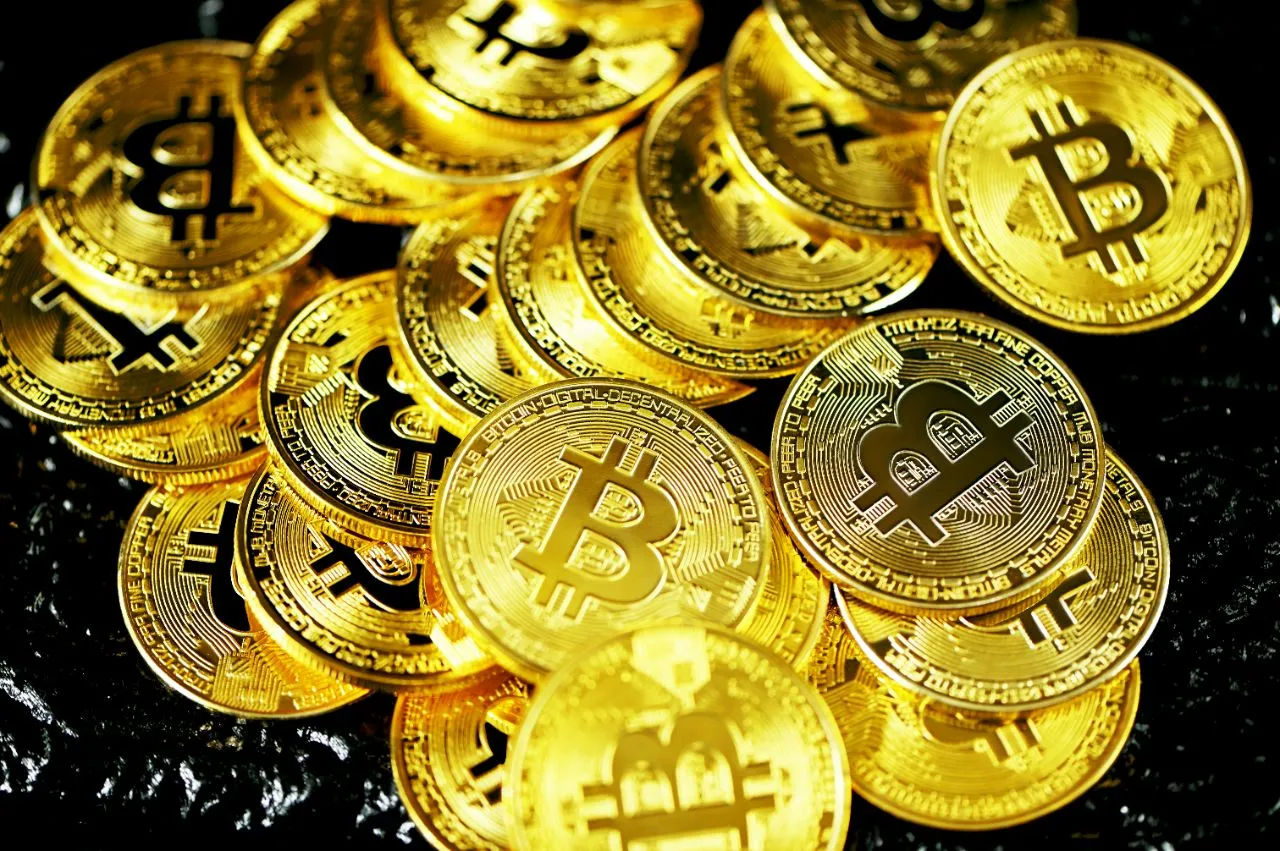
https://asset.coinness.com/en/news/9bd305529ef6d11d83e3405ca5400aeb.webp
Photo by Kanchanara on Unsplash

Spot Bitcoin ETF impact

The Hong Kong Legislative Council member suggested that as a first step, Hong Kong needs to assess the impact that spot Bitcoin exchange-traded funds (ETFs) in the United States have had. Spot Bitcoin ETFs were launched in the U.S. in January. The leading spot Bitcoin ETF, IBIT, provided by asset manager BlackRock, has achieved a growth rate five times faster than any other ETF launched in the past.


El Salvador and the Kingdom of Bhutan are examples of nations that have made Bitcoin a significant component within their national reserves. A recent report suggests that El Salvador currently holds 6,000 Bitcoin which it purchased at an average price of $45,465.


In November, Arkham Intelligence reported that Bhutan was holding Bitcoin with a dollar value which had exceeded $1 billion at that time. Ng also referred to a move by individual states in the U.S. towards holding Bitcoin as a reserve asset. In August, the state of Wisconsin increased its holdings of shares in BlackRock’s spot Bitcoin ETF, IBIT.


Last month, the state of Pennsylvania introduced a bill to make Bitcoin a strategic asset. Ohio has proposed similar legislation while Alabama’s State Auditor, Andrew Sorrell, has suggested that his state should establish a Bitcoin reserve.


Reducing price volatility

Ng believes that furthering the Chinese autonomous territory’s dealings relative to Bitcoin could prove beneficial, given that Bitcoin has the potential to play a role in attracting more talent and investment to Hong Kong. Additionally, he feels that the development of Bitcoin reserves at state level could help in reducing the price volatility of the asset as it goes through the process of global adoption.


The Hong Kong lawmaker also believes that there is an opportunity for the Chinese antonymous territory to benefit from first mover advantage, stating that “the value of Bitcoin will be more stable, causing more and more other countries to follow suit and reduce their holdings of traditional assets.”


Ng's latest interview follows a similar comment he made on X in July, where he suggested that Bitcoin is worth considering as an official financial reserve for a country.


David Bailey, CEO of Bitcoin Magazine, took to X stating:


“Hong Kong making moves, SBR here we go. President Trump must make the Strategic Bitcoin Reserve his top priority the day he enters the White House.”

In recent days, soundings from Japan and Russia suggested that neither of these countries was prepared to establish Bitcoin reserves. However, just like with the advent of the Bitcoin ETF in the U.S., following Trump’s expression of interest in the establishment of a strategic Bitcoin reserve, the level of consideration of the matter has increased considerably among governments around the world.


More to Read
View All
Policy & Regulation·

Nov 26, 2025

Korea tightens crypto oversight as major merger targets Nasdaq listing

South Korea’s cryptocurrency market is moving through a period of stricter oversight and policy debate, while major industry players pursue overseas listings against a backdrop of falling market valuations and weaker investor sentiment.Photo by Ori Song on UnsplashAccording to Newsis, financial regulators are close to finalizing penalties for the country’s major crypto exchanges after a wide-ranging review of their compliance systems. The Financial Intelligence Unit (FIU) under the Financial Services Commission (FSC) is preparing to issue sanctions such as institutional warnings, fines, and personnel measures against platforms found to have breached anti-money laundering (AML) rules. These actions follow a series of on-site inspections that began in August 2024 with Dunamu, the operator of Upbit, and were later extended to Bithumb, Coinone, Korbit, and Gopax. Authorities plan to determine and announce penalties in the order of these inspections, which concluded in April 2025. Stablecoin debate growsAt the same time, a policy debate is unfolding in the parliament over how far South Korea should go in supporting digital asset innovation. The Maeil Business Newspaper reported that Democratic Party lawmaker Min Byoung-dug has questioned the Bank of Korea’s cautious stance on launching a won-backed stablecoin. The central bank has identified seven main risks associated with such an asset, including possible de-pegging and threats to monetary policy stability. Min argues that the bank is placing too much weight on these micro-level risks. In a recent report, he contended that delaying innovation could lead to larger, structural economic losses and said the risks identified by the central bank can be managed through oversight and product design rather than by avoiding stablecoins altogether. Dunamu–Naver deal targets NasdaqIn the corporate sector, major fintech firms are pushing ahead with international expansion plans. Naver Financial and Dunamu, which operates the Upbit exchange, have endorsed a merger plan involving a comprehensive share swap, according to The Herald Business. The share swap ratio has been set at 1 to 2.54. This development follows earlier reports that the two firms were close to an agreement intended to support a future Nasdaq listing in the United States. Bitcoin slide persistsThese regulatory, legislative, and corporate developments are taking place as market conditions deteriorate. Global data show weakening demand, with spot Bitcoin exchange-traded funds (ETFs) recording about $3.5 billion in net outflows in November, according to Bloomberg, while CoinMarketCap data show Bitcoin prices down roughly 24% over the past month.  Domestic sentiment reflects this caution. In a weekly survey conducted by CoinNess and Cratos, 59.5% of South Korean investors said over the weekend that they expect Bitcoin prices to fall or crash this week, up from 43.6% a week earlier. Only 12.4% of respondents forecast a price increase. Views on the broader market cycle are also shifting. In the same survey, 42.9% of participants said they believe the bull market has already ended. Reflecting this sentiment, Alternative.me’s Crypto Fear & Greed Index is at 15, in the “Extreme Fear” zone as of Nov. 26. 

news
Web3 & Enterprise·

Aug 26, 2023

HashKey Gears Up to Offer Trading Service to Retail Traders

HashKey Gears Up to Offer Trading Service to Retail TradersHashKey is gearing up to launch its services to retail traders in Hong Kong with the intention of offering them Bitcoin and Ether trading products initially.The Hong Kong-based digital asset management platform received full licensing approval from the local regulator, the Securities Futures Commission (SFC), earlier this month. It’s anticipated that the platform will launch to retail on August 28.That’s according to a report from a local media source earlier this week. Financial publication Investing.com stated: “General investors in the period can only trade Bitcoin (BTC) and Ethereum (ETH), because these two currencies currently account for most of the trading volume in the market.“It’s worth noting, however, that investors will be subject to a cap, permitted to allocate only up to 30% of their net worth into the realm of cryptocurrencies while utilizing the platform.Photo by Traxer on UnsplashServing retail clientsIt’s a significant milestone for both HashKey and the regulator, given that Hong Kong has been making huge efforts to further the development of digital asset innovation within the Chinese autonomous territory over the course of the past twelve months. Hashkey, alongside brokerage and exchange business OSL (also successful in obtaining a license), has been collaborating with regulators from an early stage in the lead-up to both receiving full licensing.HashKey got to this point by focusing on two pivotal licenses offered by the SFC. The first of these licenses, known as Type 1, paved the way for HashKey to initiate a virtual asset trading platform, aligning seamlessly with the regulatory framework laid out under Hong Kong’s securities laws. The second license, Type 7, empowers the crypto platform to furnish automated trading services to both institutional and retail clientele.Nurturing digital asset innovationHong Kong has maintained a resolute focus on cultivating a crypto-friendly environment within its borders in 2023. Echoing this sentiment, Financial Secretary Paul Chan asserted the government’s and regulatory bodies’ determination to incubate a robust crypto and fintech ecosystem throughout the year.By March, over 80 crypto enterprises signaled their intent to establish a presence in Hong Kong, with several major players in the crypto industry among them. In April, the Hong Kong Monetary Authority (HKMA) issued a call to banks, urging them to extend their services to cryptocurrency companies.Banking remains a difficulty in Hong Kong for crypto businesses despite the HKMA’s efforts. However, in the case of both HashKey and OSL, both are being banked by Hong Kong’s largest virtual bank, ZA Bank.In May, the HKMA unveiled a comprehensive licensing framework tailored for crypto platforms, imposing a deadline of June 1 for compliance. As August rolled in, a select few crypto platforms clinched the green light to offer crypto trading services to an eclectic client base encompassing both retail and institutional participants.This regulatory framework, designed to safeguard the interests of investors, is playing a large part in Hong Kong’s recent success in developing the sector. In this particular instance, it will mean that retail traders will be granted access to Bitcoin and Ethereum exclusively. This curtailed selection provides a good starting point for retail trading, and it’s likely that we will see HashKey’s trading offering being extended to cover additional digital assets as soon as local regulators permit it.

news
Web3 & Enterprise·

Nov 07, 2023

Kloint and Korea University to develop on-chain data analysis solutions

Kloint and Korea University to develop on-chain data analysis solutionsKloint, a company specializing in the tracking of virtual asset transactions, revealed on Tuesday a partnership with the College of Informatics and the Center for Information System Security at Korea University. The collaboration is set to focus on the joint development of algorithms and platforms for on-chain data analysis.Photo by Shubham Dhage on UnsplashSharing insights on regulatory frameworksAs part of this initiative, Kloint and Korea University will cooperate to understand the domestic and international demand for on-chain data analysis. They will also exchange insights on the regulatory and policy frameworks that govern the technologies involved.Growing crypto-related criminal activitiesThe collaborative effort between Kloint and Korea University is set against a backdrop where, with the expansion of the cryptocurrency market, there has been a corresponding uptick in its use for criminal activities like money laundering, drug trafficking, and embezzlement.Traditional techniques used by government bodies, such as the public prosecutor’s office and financial regulators, have proven expensive and increasingly ineffective in tracking virtual assets as they struggle to keep pace with the sophisticated methods now used to circumvent detection.Kloint was co-founded last September by three blockchain technology firms: Fair Square Lab, S2W and Ozys. With a vision set on the horizon, Kloint is gearing up to supply government entities and virtual asset service providers (VASPs) with analytical platforms and reporting services. In the more immediate term, the company is focusing its efforts on developing solutions for data collection and analysis tailored to the Korean cryptocurrency market.

news
Loading