Top

Russia preparing to launch crypto mining equipment registry

Policy & Regulation·February 10, 2025, 8:53 AM

The Russian authorities are in the process of bringing in a national registry for crypto mining equipment, with registration to be a mandatory requirement for all operators.


That’s according to a report published by Russia’s state-owned news agency, Tass, on Feb. 3. The registry is being established by the country’s Ministry of Energy, with Yevgeny Grabchak, deputy minister of energy, heading up the project.

https://asset.coinness.com/en/news/fd73b5f50bf53d7e36ca15e76c40642e.webp
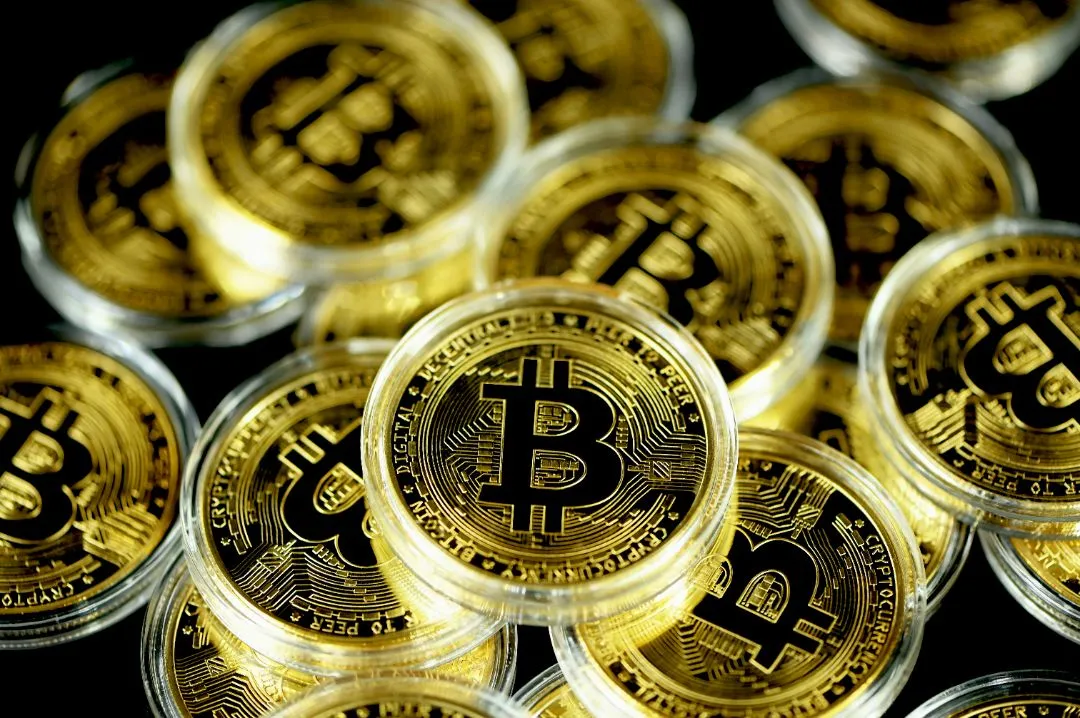
Photo by Egor Filin on Unsplash

The measure is being introduced as part of a raft of amendments to existing mining regulations. The objective is to improve oversight relative to crypto mining activity within the Russian Federation. 


Unauthorized mining has been a concern for the Russian authorities for some time. According to the TASS report on this development, the registry would make mining without equipment registration “impossible.”


Late last year, a Russian government commission moved to ban crypto mining in specific regions of the country. Management of the power grid was understood to be the main motivating force. Crypto mining activity had caused power shortages in some areas. 


A seasonal ban was implemented, running from December to mid-March, with the measure to be repeated each year until 2031. In August of last year, Russian President Vladimir Putin had signed into law legislation that recognized the legitimacy of crypto mining in Russia. 


Illegal mining, particularly within these restricted regions, continues to be a concern for the authorities, prompting this latest measure. Additionally, the authorities plan on establishing clear criteria in order to define crypto mining and deal with gaps in current legislation which may be enabling illegal and unregistered operators to carry out such mining activity.


According to a report last month by local news media outlet Prime, Russia saw a surge in demand for Bitcoin mining equipment in Q4 2024. Crypto equipment demand increased threefold in comparison with the same quarter in 2023.


Addressing the need for a crypto equipment registry, the Russian government stated:


“It is important to adapt the law ‘On Mining’ to the current situation, in particular, based on practical experience, to formulate clearer criteria for classifying activities specifically as the production of digital currency.”


While efforts are being made to get a firmer grasp on unauthorized mining in areas that are being impacted by power shortages, work is also being done to use crypto mining as a mechanism to fully exploit surplus energy. 


Last month, it was revealed that Russian state-owned power company Rosseti is evaluating Bitcoin mining as a means through which surplus energy can be utilized in low-demand regions.


In a separate development, the TASS news agency also reported on Feb. 3 that crypto miners are now in a position to report their earnings via online accounts with Russia’s Federal Taxation Service (FNS). The TASS report stated:


“A new function has appeared in the personal accounts of taxpayers. With the help of the online service, users can now send information about receiving digital currency to the tax authority.”


The feature appears once the registered user submits an electronic signature. 

More to Read
View All
Web3 & Enterprise·

Nov 14, 2023

Upbit D Conference participants share insights on Web3 and blockchain

Upbit D Conference participants share insights on Web3 and blockchainBlockchain specialists from 29 countries gathered on Monday (local time) at Upbit D Conference (UDC) 2023 in Seoul to explore capital markets in the forthcoming Web3 era. This era is characterized by user-controlled, communal data management, a notable shift from the Web2 space where major tech corporations held dominant control over data.Organized by Dunamu, the operator of South Korea’s Upbit cryptocurrency exchange, the conference featured 39 experts, focusing on the transformative potential of blockchain technology in this new internet phase.Photo by Shubham Dhage on UnsplashAsset tokenization and investment opportunitiesAccording to a report by the Asia Business Daily, one of the key speakers at the conference, Wally Yu, a Solutions Architect at San Francisco-based Chainlink Labs, delved into how cross-chain solutions and asset tokenization could add to the financial industry. He explained that Chainlink’s Cross-Chain Interoperability Protocol (CCIP), designed to connect various blockchains, is only beginning to reveal its capabilities in integrating with traditional financial markets. Yu pointed out the growing interest from banks in tokenizing their conventional assets and transferring them to the blockchain. This move, he suggested, could lead to increased liquidity and open up new investment opportunities.Yu also compared the current DeFi market to traditional sectors like stock, real estate, and derivatives, noting DeFi’s relatively smaller scale. However, he underlined blockchain’s transparency as a key advantage over traditional markets, where transparency is often lacking. According to Yu, the adoption of blockchain by traditional financial firms could address longstanding issues more effectively.Looking ahead to the Web3 era, Yu envisioned a scenario where different tokens are interconnected, potentially bringing an estimated $900 trillion worth of assets onto the blockchain. This, he believes, would significantly enhance liquidity in the financial markets.From Web2 to Web3During the conference, Korean mobile network provider SK Telecom’s (SKT) Vice President, Oh Se-hyun, outlined the company’s forward-looking strategy to transition its 30 million subscribers from Web2 to Web3. She highlighted SKT’s search for high-value markets to expand its business scope, underscoring the company’s active efforts in constructing Web3 infrastructure. This strategic pivot aligns with their vision for the upcoming Web3 era.SKT, which established its Web3 division in 2017, initially engaged in developing a private mainnet. However, the company has since shifted its focus towards services aimed at boosting customer engagement, such as custody, web and app services. Oh emphasized the need for Web3 wallets to support a diverse range of assets and decentralized applications (dApps), but she stressed that ease of use is paramount. She views that these wallets will serve as gateways for customers entering the blockchain space.SKT has developed and is improving its own Web3 wallet, dubbed Wallet T. Oh shared her belief that the future of financial business models will pivot from traditional and big-tech banks to those based on public chains. In preparation for this shift, SKT is contemplating strategies to embrace blockchain-based Web3 services.Crypto regulationThe conference also touched on the potential integration of virtual assets within regulatory frameworks. There’s growing anticipation in the market for the approval of spot bitcoin exchange-traded funds (ETFs) by the United States Securities and Exchange Commission, especially following the inclusion of asset manager BlackRock’s proposed spot bitcoin ETF in the Depository Trust and Clearing Corporation’s (DTCC) clearing-house eligibility file.Emily Parker, Executive Director at CoinDesk, mentioned that a spot bitcoin ETF is on the horizon in the U.S. She anticipated that such a development would not only boost cryptocurrency prices but also positively impact the market for non-fungible tokens (NFTs). Echoing this sentiment, Oh Se-hyun from SKT predicted that the approval of a spot bitcoin ETF could unlock access to a $30 trillion market.SKT’s Oh also addressed the complexities surrounding the regulatory landscape for cryptocurrencies. She acknowledged the challenge facing authorities in developing these regulations all at once, highlighting the gradual progress in this area. She cited the outcome of Ripple’s lawsuit in the U.S., which resulted in Ripple’s XRP tokens being classified differently for different investors: as a security for institutional investors but not for retail investors. Additionally, Oh pointed to the upcoming Markets in Crypto-Assets Regulation (MiCA) in the European Union, slated for implementation in December 2024. She emphasized that the establishment of such regulatory guidelines brings clarity and reduces uncertainty, which can be reassuring for businesses operating in the crypto space.Providing further insights into this matter, Kim Gap-rae, a senior researcher at the Korea Capital Market Institute (KCMI), spoke about the importance of regulatory clarity in the cryptocurrency sector. He pointed out that it’s more crucial for governments to have clear regulations rather than focusing on the extent of regulation. Understanding new regulatory or legislative trends is essential for governments as they look to develop new infrastructures.According to Kim, a potential spot bitcoin ETF approval in the U.S. could prompt South Korea to consider a similar approval. However, he noted that Korea currently lacks a regulatory framework for Bitcoin custody, which could lead to a competitive environment among crypto companies in the country. Kim believes that a deeper understanding of custodian regulations will enable better adaptation to new types of ETFs and foster their growth in Korea.

news
Web3 & Enterprise·

Jan 26, 2024

Bithumb Burrito Wallet to integrate Smart Valor’s AI investment advisor service

Rotonda, the operator of the Bithumb Burrito Wallet, has agreed to work with Swiss digital asset AI platform Smart Valor, according to South Korean news website Greenpost Korea. Burrito Wallet will adopt the features of Smart Valor’s Elonn.ai – a digital investment advisor that provides investors with AI-generated market news analysis and research for optimized investment. Photo by Shubham's Web3 on Unsplash"Our collaboration with Smart Valor, who was the main sponsor of our NextBlock blockchain conference last year, is significant. The company will serve as an ideal partner for us to lay out the blueprint of the global Web3 market together," said Max Shin, CEO of Burrito Wallet. Leading the European Web3 industryFounded in 2017, Smart Valor is a Swiss-based Web3 AI company and the first European digital asset platform to be listed on the NASDAQ First North Growth Market. It specializes in crypto AI market intelligence application programming interfaces (APIs), as well as investment platforms and crypto trading and custody infrastructure for banks, fintech firms and European investors. Global expansion and market access in South KoreaThrough the newest partnership, Burrito Wallet aims to provide high-quality investment services for users and contribute to the expansion of the Web3 ecosystem as a key partner for Smart Valor's global expansion. In particular, the collaboration will also serve as a bridgehead for Smart Valor's entry into South Korea. The firm’s VALOR token is currently listed exclusively on Bithumb among Korean cryptocurrency exchanges and will be supported for trading on Burrito Wallet, offering Korean users the opportunity to experience a more expanded Web3 market. To celebrate their cooperation, the two companies will be holding a Valor token trading event until Feb. 1. The first thousand Bithumb users to trade at least 30 Valor tokens during the event will receive an additional 30. Also, the first 2,000 users who sign up for Burrito Wallet and trade at least 30 tokens will receive 60 tokens for free.  "Starting with this event, we will not only expand the scope of our partnership with Smart Valor but also initiate various collaborative activities and develop features to ensure that Burrito Wallet is recognized as a unique Web3 wallet,” Shin added. Burrito Wallet has been accelerating efforts to expand overseas. The service recently increased its number of supported blockchain networks to 18 and entered global markets in Asia and Latin America.

news
Policy & Regulation·

Oct 04, 2023

GSR Gets on Path Towards Full Regulatory Approval in Singapore

GSR Gets on Path Towards Full Regulatory Approval in SingaporeGSR Markets Pte. Ltd., the Singaporean subsidiary of the global crypto trading firm GSR, has reached a significant milestone in its quest to become a fully licensed entity within the city-state. On Monday, the Monetary Authority of Singapore (MAS) granted GSR in-principle approval for a Major Payment Institution (MPI) license.Photo by Mike Enerio on UnsplashTrading licenses filtering throughThis development mirrors similar approvals granted to other crypto firms in the region, solidifying Singapore’s status as a hub for crypto and Web3 innovations. The approval of GSR’s MPI license follows hot on the heels of Coinbase Singapore’s announcement of securing a full Major Payment Institution license from MAS.Other companies such as Circle, Blockchain.com, and Crypto.com have also obtained MPI licenses this year. These developments underscore the competitive yet regulated landscape of the cryptocurrency market in Singapore.In-principle approvalThe in-principle approval from MAS empowers GSR to provide crypto and fiat-related services to Singaporean residents and entities. This includes the ability to conduct payment services without the limitations of single transaction thresholds (SGD 3 million) and monthly limits (SGD 6 million). GSR’s CEO, Jakob Palmstierna, expressed gratitude for MAS’s constructive oversight, which has played a pivotal role in shaping the evolving digital asset landscape in Singapore. Palmstierna stated:“We are immensely grateful to MAS for their constructive oversight, which helps shape a growing digital asset ecosystem that we feel proud to be a substantial part of.”Meanwhile, GSR’s COO Xin Song, emphasized the importance of this approval, stating that it enables them to “deepen our local client partnerships and continue in our critical role as a liquidity provider within the ecosystem.”GSR’s presence in Singapore aligns with the country’s burgeoning crypto-friendly environment. Recent surveys indicate that 25% of Singaporeans view cryptocurrency as the future of finance, with 32% having some involvement in crypto ownership. Moreover, Singapore boasts over 700 Web3 companies, positioning itself as a pivotal market for the expansion of the crypto and Web3 economy.Company ambitionsGSR, established in 2013 in New Jersey, offers a diverse range of services, including over-the-counter crypto trading, derivatives trading, market making, and venture capital investments. The firm is no stranger to regulatory compliance, holding Money Service Business licenses across several US states.The company was founded by former Goldman Sachs Executives Rich Rosenblum and Cristian Gil. At the height of the last crypto bull run, the crypto market maker had plans “to add 100 hires every six months for the next few years.” No doubt that ambition has been scaled back since then, given the protracted bear market which has followed.Last month, Gil became embroiled in a spat with Andrei Grachev of rival market making firm, Singapore-based DWF Labs.GSR’s recent attainment of in-principle approval for a Major Payment Institution license from MAS reinforces Singapore’s position as a leader in the crypto space. The firm’s interest in pursuing a compliant route forward and its role as a liquidity provider bode well for both GSR and the broader crypto community in the Asia-Pacific region.

news
Loading