Top

Russia looks to implement crypto taxation and mining policy changes  

Policy & Regulation·November 21, 2024, 8:32 AM

A number of reports published by local Russian media in recent days suggest that the Russian authorities are implementing taxation and regional controls on cryptocurrency mining.
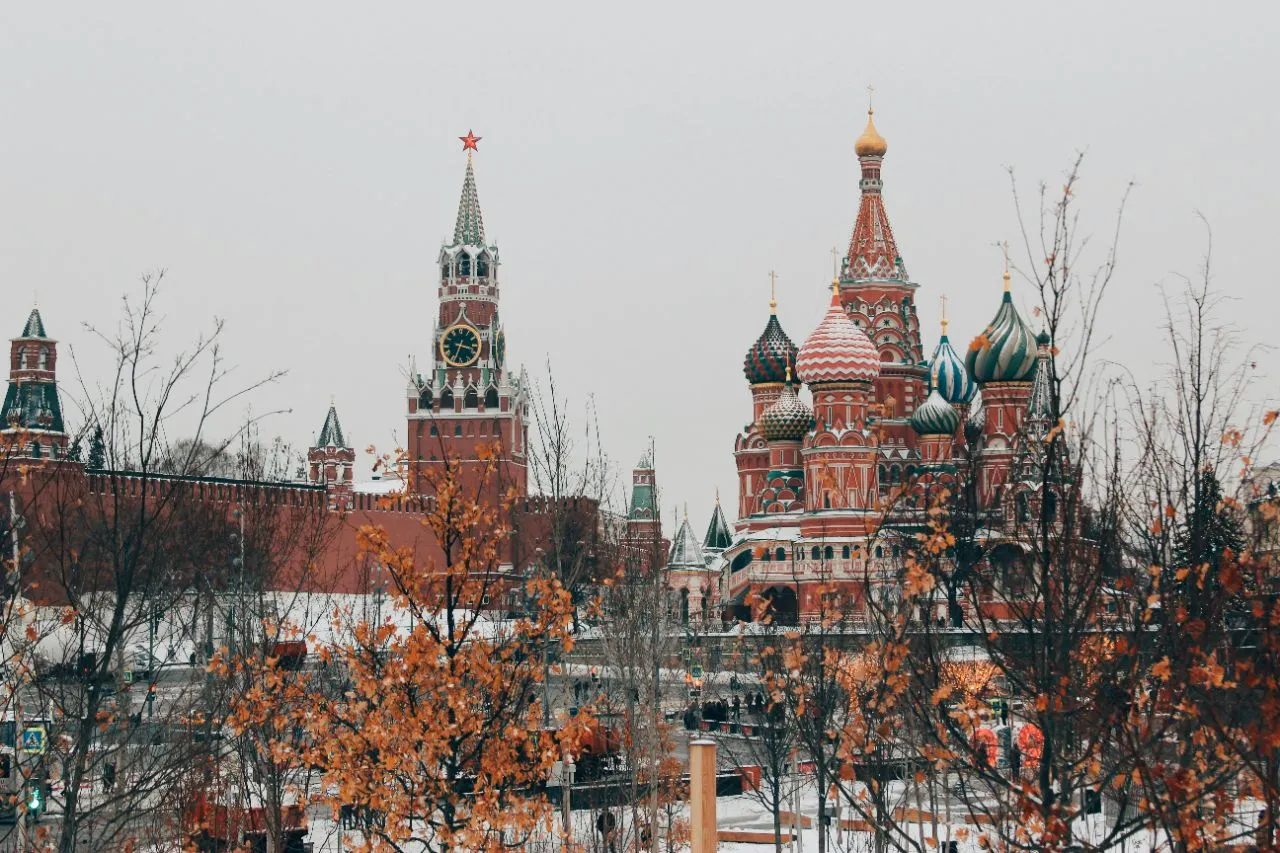
https://asset.coinness.com/en/news/843ec277b0a14f013e4a5e27ff17faf0.webp
Photo by Michael Parulava on Unsplash

Regional mining ban

A report published by the Moscow Times on Nov. 19 suggests that Russia’s Deputy Prime Minister, Alexander Novak, has led a government commission that plans to implement a ban on cryptocurrency mining in specific Russian regions. 


The authorities have been motivated in enacting such a ban in order to combat power shortages. With that, a ban is being implemented on a temporary basis during the heating season. The restrictions will apply to miners located within six regions within the North Caucasus, as well as the Zabaikalsky region in Siberia and territories now controlled by Russia in Ukraine.


The ban will apply from December through to mid-March 2025, with this seasonal restriction to be applied subsequently each winter until 2031.


Back in August, Russian President Vladimir Putin signed into law legislation which legitimized cryptocurrency mining within the Russian Federation. That law recognized mining activities and the concepts of mining pools and mining infrastructure operators.


The legislation requires mining operators to register with the government. Individual miners can mine without registering so long as they stay within specified energy-use limits. Earlier this month, the authorities set a power consumption limit of 6,000 kWh per month for those unregistered miners. 


The legislation also recognized the ability of stakeholders to trade in foreign digital assets on Russian blockchain platforms, with Russia’s central bank, the Bank of Russia, retaining the ability to ban specific digital assets from being traded if such trading is deemed to be a threat to Russia’s financial stability.


15% tax proposal

Earlier this week Russia’s Interfax news agency reported that the Russian government had approved draft amendments to a bill concerned with the purchase and sale of digital currencies relative to crypto mining activity. 


According to those proposed legislative amendments, digital assets will be classified as property from a taxation perspective. Income derived from mining activities will be assessed in terms of taxation based on market value at the time of receipt of the asset.


The legislative amendments propose a 15% tax rate for cryptocurrencies. Furthermore, crypto transactions will not be subjected to value-added tax (VAT). However, income derived from such transactions will be taxable in the same way as income from transactions involving securities. Crypto mining operators will be permitted to deduct operating expenses from their taxable income.


Russia’s Finance Ministry is understood to have clarified that the taxation approach would strike a balance between Russian government interests and those of commercial operators.


With the introduction of legislation to recognize cryptocurrency mining activity earlier this year, Ki Young Ju, CEO of on-chain and market data analytics firm CryptoQuant, noted the country’s growing involvement and national-level engagement with digital assets. The coming months will determine if these latest crypto mining restrictions will dampen the level of involvement of Russia-based crypto miners.


More to Read
View All
Policy & Regulation·

Sep 30, 2023

Police Crack Down on JPEX Continues with Millions Recovered

Police Crack Down on JPEX Continues with Millions RecoveredHong Kong authorities are intensifying their efforts to deliver justice to victims of the JPEX cryptocurrency exchange fraud, a scandal that has left thousands of investors in distress.According to recent reports in the South China Morning Post (SCMP) on Wednesday and Friday, more arrests have been made, with the recovery of more assets. The pursuit of those responsible for orchestrating this massive scam is in full swing.Photo by RJ Joquico on UnsplashLargest digital asset fraud in Hong Kong historyThe Dubai-headquartered JPEX crypto exchange, an unauthorized platform, stands accused of defrauding more than 2,400 individuals of nearly $200 million, marking it as the largest digital asset fraud case in Hong Kong’s history. During a recent press conference, the Secretary for Security of Hong Kong, Chris Tang Ping-keung, expressed his commitment to ensuring justice prevails for the victims.Tang revealed that among the assets seized by the police were more than HK$8 million ($1 million) in cash and assets valued at HK$77 million ($9.8 million), including real estate and digital currency. These significant seizures mark a pivotal step in the ongoing investigation. Furthermore, the police have apprehended 12 individuals connected to the JPEX scheme, including three employees of JPEX Technical Support Company and two YouTubers.The first signs of trouble emerged when JPEX users faced difficulties in withdrawing their funds on September 15. In response to mounting complaints and regulatory warnings, JPEX infamously raised its withdrawal fees to 999 Tether in a desperate attempt to discourage users from withdrawing funds. This maneuver raised suspicion and intensified the scrutiny on the exchange.Ongoing investigationLocal authorities in Hong Kong have been inundated with 2,369 complaints from victims who lost their investments in the unregulated exchange. The estimated total monetary loss is HK$1.4 billion ($178 million). While the police continue towards bringing those responsible to justice, they are also collaborating closely with regulators to implement measures aimed at preventing the emergence of such fraudulent schemes in the future.Recent developments have seen the net tighten around the individuals connected to JPEX. Additional arrests have been made in Hong Kong and Macao. Hong Kong police apprehended two individuals who were caught attempting to destroy documents with paper shredders and bleach. In addition, they seized almost HK$9 million ($1.15 million) in cash and gold from three apartments.Meanwhile, Macao authorities apprehended two more individuals and confiscated over HK$14 million ($1.8 million) in cash and valuables. The suspects had made multiple visits to Macau this month, which may be linked to their illicit activities.Hong Kong’s Securities and Futures Commission (SFC) had issued a prior warning, stating that JPEX operated without the necessary licenses and had maliciously frozen users’ funds. Last week, the SFC took a step further, blocking access to web and mobile versions of the platform with JPEX responding by encouraging users to sidestep the measure through the use of VPN.

news
Web3 & Enterprise·

Nov 07, 2023

NEOPIN wallet users gain access to Pala’s NFT marketplace

NEOPIN wallet users gain access to Pala’s NFT marketplaceNEOPIN, a centralized decentralized finance (CeDeFi) platform, has entered into a strategic partnership with South Korean NFT marketplace Pala. This collaboration aims to connect the NEOPIN wallet to Pala’s NFT trading platform, thereby facilitating a more interconnected blockchain ecosystem on a global scale.Photo by Pete Linforth on PixabayNEOPIN wallet integrated into PalaThis partnership paves the way for enhanced user experience, as NEOPIN wallet holders will have the added convenience of trading non-fungible tokens (NFTs) directly on Pala using the virtual assets in their NEOPIN wallets. Furthermore, these wallets will also serve as a repository for purchased NFTs.Additionally, Pala stands to benefit from access to NEOPIN’s international users who have gone through the Know Your Customer (KYC) and anti-money laundering (AML) checks, broadening its market reach.Growing network connectionsNEOPIN is set to aid Pala in establishing connections with NEOPIN’s network of NFT partners. Conversely, Pala will assist NEOPIN with introductions to Pala’s blockchain partners. This collaborative approach leverages their respective strengths, setting the stage for a synergistic relationship.Additionally, the collaboration will involve concerted efforts from both parties to enhance their services and broaden their customer reach. Part of this initiative includes aiding Web2 companies and projects in their Web3 endeavors, as well as rolling out products that are underpinned by real-world assets (RWAs) or offer practical real-life benefits.NEOPIN CEO Kim Yong-ki expressed enthusiasm about the partnership, noting that it is poised to be mutually advantageous, particularly since trust and convenience are core values shared by both companies. Kim further emphasized their commitment to achieving success on an international level, not only through service cooperation but also by utilizing their respective ecosystems.Jason Pyo, CEO of Pala, echoed a similar sentiment, stating that the partnership is set to propel service enhancement, foster the growth of blockchain businesses and contribute to the expansion of the Web3 ecosystem.It’s noteworthy that Pala is a joint venture established by Snow, the mobile video messaging app subsidiary of internet giant Naver, and artificial intelligence (AI) company Alchera. This joint enterprise has claimed a leading position in the Korean NFT trading arena, having exceeded an accumulated trading volume of KRW 30 billion ($23 million) as of April last year.The Pala platform serves as a one-stop shop for NFT services, including NFT minting, secondary market sales and launchpads. It accommodates a range of blockchains like Klaytn, Ethereum and Polygon.NEOPIN has been expanding its offerings to improve user experience, introducing services beyond its DeFi suite. This includes their NFT wallet capabilities. Following its announcement last year to intensify focus on NFT initiatives, NEOPIN has updated its wallets to support multiple NFT standards, such as KIP-17, ERC-721 and EIP-5192.

news
Web3 & Enterprise·

Nov 09, 2023

Hong Kong licensing success sees SEBA Bank expand APAC crypto presence

Hong Kong licensing success sees SEBA Bank expand APAC crypto presenceSwitzerland-based SEBA Bank AG has taken a significant step in its global expansion strategy by securing a license from Hong Kong’s Securities and Futures Commission (SFC) to manage traditional securities and digital assets through its subsidiary, SEBA Hong Kong.Photo by Ruslan Bardash on UnsplashFirst move into APAC for crypto businessSEBA Hong Kong published a statement on Wednesday to announce the milestone. It marks the crypto-centric bank’s maiden entry into the Asia-Pacific (APAC) region and expands its footprint across three regulated hubs, including Switzerland and Abu Dhabi.The acquisition of the digital asset license from the SFC provides SEBA Bank with the ability to offer regulated services pertaining to digital assets, encompassing both virtual assets and securities. The move is seen as a reflection of SEBA’s confidence in the long-established capital markets and strong appetite for investment and trading in Hong Kong.SEBA Hong Kong’s CEO, Amy Yu, expressed her enthusiasm, stating:“We are tremendously excited by Hong Kong’s deep-rooted capital markets and appetite for investment and trading; to have secured this license from the SFC provides enormous potential for our business, owing to the well-established and defined regulatory framework that is present here.”Opening up OTC derivatives possibilitiesThe license grants SEBA Bank the authority to engage in a wide range of regulated activities related to traditional securities and digital assets within Hong Kong. This includes dealing with and distributing all types of securities, including virtual asset-related products like over-the-counter (OTC) derivatives.What is likely to give SEBA Bank’s licensed services the upper hand is their accessibility to a diverse clientele, including institutional investors, corporate treasuries, funds, family offices and high-net-worth individuals. The aim is to cater to a broad spectrum of clients seeking exposure to the digital asset landscape, from sophisticated institutional investors to individuals with substantial assets.This milestone comes after SEBA’s previous in-principle approval (AIP) for virtual asset trading services, granted in August. The full approval allows SEBA Bank to significantly broaden its product and service offerings in Hong Kong, contributing to the wider adoption of cryptocurrencies and digital assets in the region.Franz Bergmueller, Chief Executive Officer of SEBA Bank, highlighted the significance of this regulatory achievement, not only for the bank but for Hong Kong’s position as a global financial services hub. He stated:“This regulatory clarity not only benefits our business but also supplements Hong Kong’s status as a global financial services hub. The region’s robust legal system provides a solid foundation to conduct crypto-related services, and we look forward to beginning that from today.”The regulatory breakthrough achieved by SEBA Bank in Hong Kong aligns with the broader trend of evolving and expanding regulations in the digital asset space within the region. Hong Kong has been progressively adapting its regulatory landscape to accommodate the growth of digital assets.SEBA Bank’s move also echoes the welcoming environment for crypto firms in Hong Kong. As Standard Chartered-backed Zodia Custody recently announced plans to launch its services in the city, it underscores Hong Kong’s emergence as a prominent player in the APAC region. SEBA's presence in Hong Kong not only strengthens the region’s stature as a global financial services hub but is also suggestive of its interest in fostering the growth of the digital asset industry within the Chinese autonomous territory.

news
Loading