Top

Silver lining for Bybit with UAE trading license approval

Web3 & Enterprise·March 05, 2025, 5:36 AM

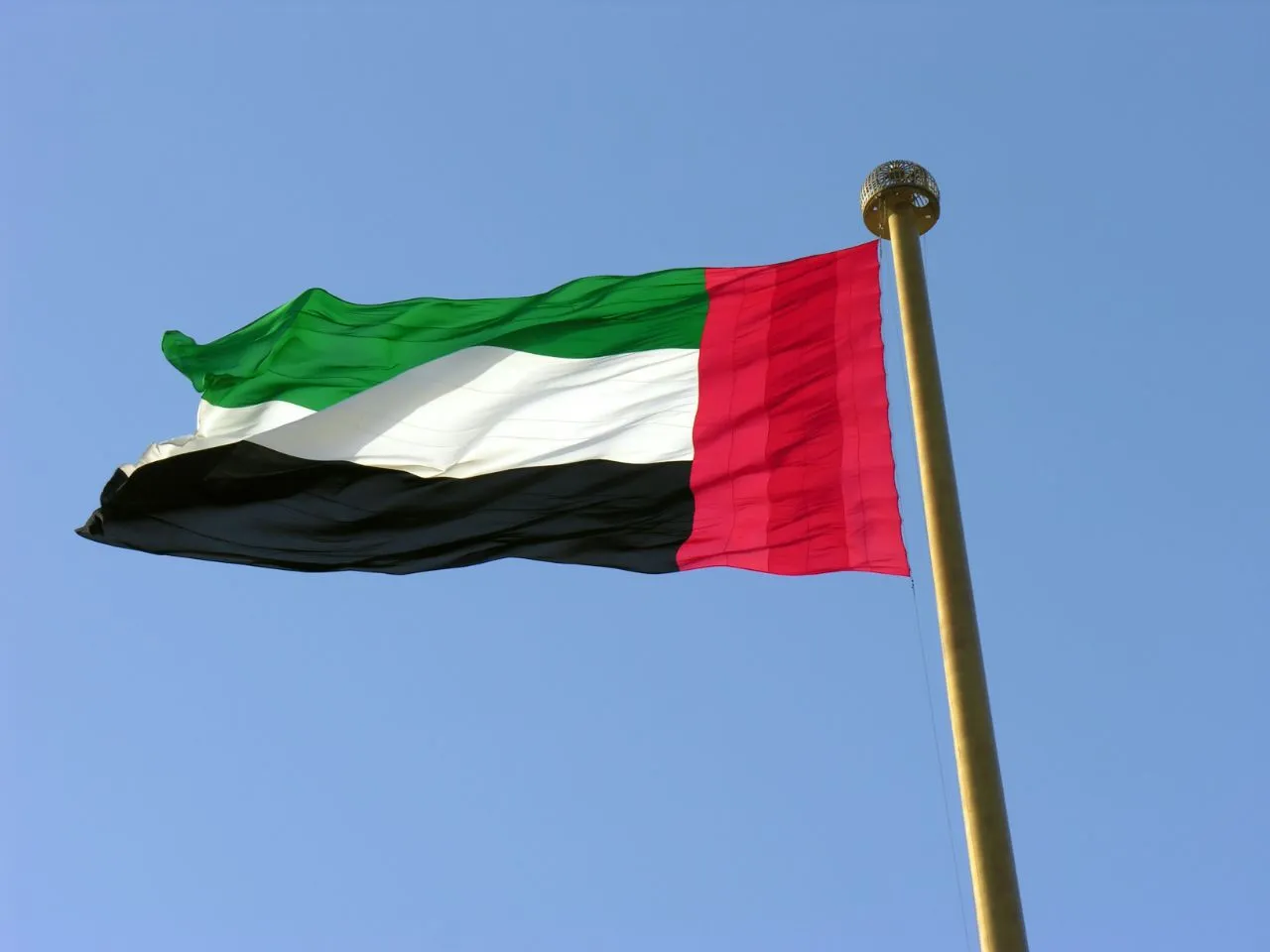
After being targeted in a $1.4 billion hack, the global crypto exchange platform Bybit was awarded in-principle approval to establish itself as a Virtual Asset Platform Operator (VAPO) within the United Arab Emirates (UAE).


While Bybit announced the milestone via a press release published on Feb. 27, the approval had been awarded on Feb. 18, three days before the platform was hacked.
https://asset.coinness.com/en/news/5f74c361c5ebea8df5b91d43bcfabf93.webp
Photo by Saj Shafique on Unsplash

Regulatory challenges

In addition to the recent exploit, the crypto exchange platform had been having difficulties on the regulatory front in recent months, and from that perspective, this licensing award is a welcome development.


Last December, the Malaysian Securities Commission reprimanded the platform and its CEO, Ben Zhou, for carrying out digital asset trading activities in Malaysia without having obtained the necessary licensing. Consequently, the firm left the Malaysian market, promising to return once it had obtained the required licenses.


For similar reasons, Bybit left the Indian market in January, citing a need to “operate in full compliance” with local regulations. The company said that it was working with the regulator to finalize its registration as a Virtual Asset Service Provider (VASP) in India.


The platform also experienced difficulties in complying with the recently introduced Markets in Crypto Assets (MiCA) regulation in Europe. However, it has been working with regulators in Austria in an effort to acquire MiCA licensing. Consequently, the French regulator, Autorité des Marchés Financiers, removed the firm from its blacklist.


Earlier this month, Japan’s Financial Services Agency (FSA) ordered Apple and Google to remove the apps of a number of unregistered crypto platforms, including Bybit, from the Japanese versions of their app stores. 


Commenting on this recent achievement in the UAE, Ben Zhou stated:


“This approval marks a crucial step in our journey to providing secure and transparent crypto trading solutions. Bybit remains dedicated to working hand-in-hand with regulators to foster a compliant and innovative digital asset ecosystem to both retail and institutional investors in the UAE.”


Hack fallout

It’s unclear to what extent the recent hack, which is understood to be one of the largest thefts of any kind, may be diverting resources and focus away from the efforts the company was making to address regulatory issues globally. However, it’s reasonable to assume that recent events make for a challenging time for the company.


On Feb. 26, the Federal Bureau of Investigation (FBI) in the United States said that North Korea was responsible for the hack. The agency warned exchanges to freeze transactions linked to the stolen funds.


The FBI outlined that “TraderTraitor” actors have been converting the funds to Bitcoin and other digital assets in an effort to launder the funds and eventually extract the funds in fiat currency.


North Korea’s Lazarus hacking group has gained notoriety for its successes in hacking crypto platforms and the sophisticated nature of the attacks mounted in the process. The group is suspected of having hacked the Indian crypto platform WazirX last year, which resulted in the theft of $235 million in digital assets.


More to Read
View All
Policy & Regulation·

Mar 27, 2024

Korean financial authority to heighten oversight on token listing with new guidelines

The South Korean financial authority will establish new policies and guidelines for token listing and provide admirable examples from past listing events for local exchanges to follow, according to local media outlet News1.  So far, fiat-to-crypto exchanges in Korea have been listing tokens on their platforms under a guideline issued by Digital Asset eXchange Alliance (DAXA) – a self-regulatory consultation group comprised of five major Korean crypto exchanges. The existing DAXA guideline outlines basic yet vague instructions, which have allowed exchanges to list tokens largely at their discretion.  However, the new guideline from the financial authority, expected to be released by this June, will mark the government’s first official manual on token listing. This is in line with the upcoming Virtual Asset User Protection Act, which will be effective in July. Photo by Hitesh Choudhary on UnsplashSetting clear guidelines for token listingsThe new guidelines are expected to include examples of past fraud detection and real-time monitoring cases which are deemed to have set precedents for the industry players. Moreover, the financial authority plans to distribute past exemplary cases of token listing as early as April, which is anticipated to set a model listing process and help local crypto exchanges adhere to the law and requirements.  This announcement comes after the local game company Wemade relisted its native token WEMIX on Korbit, one of DAXA's member exchanges, just a year after it was delisted on major exchanges due to its deviant practices in token issuance. The relisting of WEMIX has since raised concerns among crypto insiders about the lack of criteria regarding token listings. More refined token listing process As the crypto market's bullish trend continues, Bithumb and Coinone – the second and third-largest exchanges in Korea – are stepping up their efforts to speed up the listing of new coins. Industry experts expect these exchanges will double down on their efforts in screening and reviewing processes for tokens to align with the new guidelines in the future.  An official from the Korean Financial Intelligence Unit (FIU) said that while the anticipated listing process is not legally binding, it will definitely have a more profound impact on local crypto exchanges compared to the self-regulated DAXA guidelines.  

news
Policy & Regulation·

Jun 21, 2023

Singapore Regulator Awards CMS License to AsiaNext

Singapore Regulator Awards CMS License to AsiaNextAsiaNext, a joint venture between Tokyo-based financial services company SBI Digital Asset Holdings and Switzerland’s SIX Group AG, has received regulatory approval for its institutional-grade digital asset exchange in Singapore. The Monetary Authority of Singapore (MAS) granted AsiaNext an in-principle approval for a Capital Markets Services (CMS) license, marking a significant milestone for the company.Photo by Davis Sánchez on PexelsTaking to LinkedIn last week, the firm said that the achievement is a testament to the efforts it has made in terms of rigorous regulatory compliance. With this CMS license, AsiaNext is poised to become a trusted digital asset exchange catering specifically to institutional investors in Asia and globally. The joint venture, which was finalized in September 2021, brings together the expertise and networks of SBI Digital Asset Holdings and SIX Group AG to meet the growing demand for trading public and private digital assets.Singapore-based joint ventureChong Kok Kee, appointed as the CEO of AsiaNext in March 2022, and Neil Thomas, serving as the Chief Commercial Officer, lead the team. Their combined experience in the financial industry positions AsiaNext to deliver a comprehensive suite of services that meet the rigorous standards of institutional investors.The primary goal of AsiaNext is to bridge the gap between traditional finance and the digital asset space. Chong emphasized the importance of a secure, transparent, and compliant platform that instills confidence in market participants during an interview with Hubbis in 2022. The exchange aims to provide integrated listing, trading, and post-trade services for various digital assets, including digital payment tokens.AsiaNext recognizes the increasing demand for trading digital assets among institutional investors. To address this demand, the joint venture will leverage the extensive networks and expertise of SBI Digital Asset Holdings in Asia and SIX Digital Exchange in Switzerland and Europe. Both partners have already demonstrated their leadership in global digital asset markets through investments, issuances, and initiatives.By securing the CMS license, AsiaNext, which is based in Singapore, has taken a crucial step towards becoming a trusted platform for institutional investors in Singapore and beyond.SBI partnershipsFor its part, SBI has favored joint ventures and partnerships when it comes to its increasing involvement in the digital assets space. It has entered into a joint venture with Zodia Custody, a digital assets custodian which has been spun up by UK-based financial services giant Standard Chartered, to take on the Japanese market. Additionally, it has increased its shareholding in the custodian in recent months.Its crypto exchange subsidiary, SBI VC Trade, recently formed a partnership with the project team behind the XDC Network blockchain with a view towards making inroads into the Japanese market.AsiaNext is now focused on preparing for the launch of its digital asset exchange, which is scheduled to commence later in 2023. Having now established itself on a firm regulatory footing, and the support of its strategic partners, AsiaNext appears to be well-positioned in meeting the evolving needs of institutional investors in the Asian region.

news
Web3 & Enterprise·

Sep 11, 2023

Incheon Launches Blockchain Hub Center to Lead Web3 Era

Incheon Launches Blockchain Hub Center to Lead Web3 EraIncheon Metropolitan City announced Monday that it has established the Incheon Blockchain Hub Center at the heart of the city in an effort to establish itself as a blockchain hub in Korea and usher in the era of Web3.Photo by Hon Kim on UnsplashThe center, located in the Jemulpo Smart Town building, will house various facilities, including offices for the Incheon Technopark Blockchain Center, blockchain companies, and startups, as well as spaces for technological development and relaxation.Fostering innovation and cooperationThe center aims to undertake systematic and diverse projects that citizens and businesses alike can benefit from. This includes supporting tenants of the hub center, providing an environment for technology development and demonstration, and funding blockchain technology development. It will also serve as a spot for Incheon Technopark’s blockchain acceleration program, business model exploration and design, and events such as blockchain hackathons and conferences.The city is also set to hold an opening ceremony for the center on Wednesday, during which over 20 organizations and firms will gather for the inauguration of a committee dedicated to promoting mutually beneficial relationships between blockchain-based service providers and consumers. Among the consumers are central and municipal governments and state-run agencies. Initiating connections and making business support processes more efficient will constitute the committee’s core tasks, the city said.Incheon’s vision for Web3“The world is evolving to accommodate Web3, the new blockchain-based Internet, amid the global trend of digital transformation,” said Lee Nam-joo, Director of Incheon’s Future Industry Bureau. In accordance with this transformation, he said, the city of Incheon would push on to become a leading blockchain hub with a globally competitive edge by continually implementing various projects and policies through the committee — including joint projects between the public and private sectors — to provide support for business and technological development.In more efforts to build an active blockchain industry, Incheon is also currently operating a blockchain education program and regularly hosts events and hackathons to promote the widespread use of Web3 technology. Notably, a two-day conference dubbed “Global Blockchain Incheon Conference” is scheduled to take place from October 30 to 31 in the city’s southern district Songdo.

news
Loading