Top

North Korea becomes major nation-state holder of Bitcoin following hack

Markets·March 17, 2025, 11:50 PM

While South Korea’s central bank has opted not to accumulate Bitcoin (BTC) at a nation-state level, North Korea has become a major holder of the leading crypto asset, albeit in a very unconventional way.


The Democratic People's Republic of Korea (North Korea) is believed to currently be in possession of 13,518 BTC. That’s according to data compiled by the blockchain analytics firm Arkham Intelligence. Arkham has labeled the holding as belonging to the notorious North Korean hacking organization Lazarus Group. It’s been alleged by many observers over recent years that Lazarus is controlled by the North Korean government. 
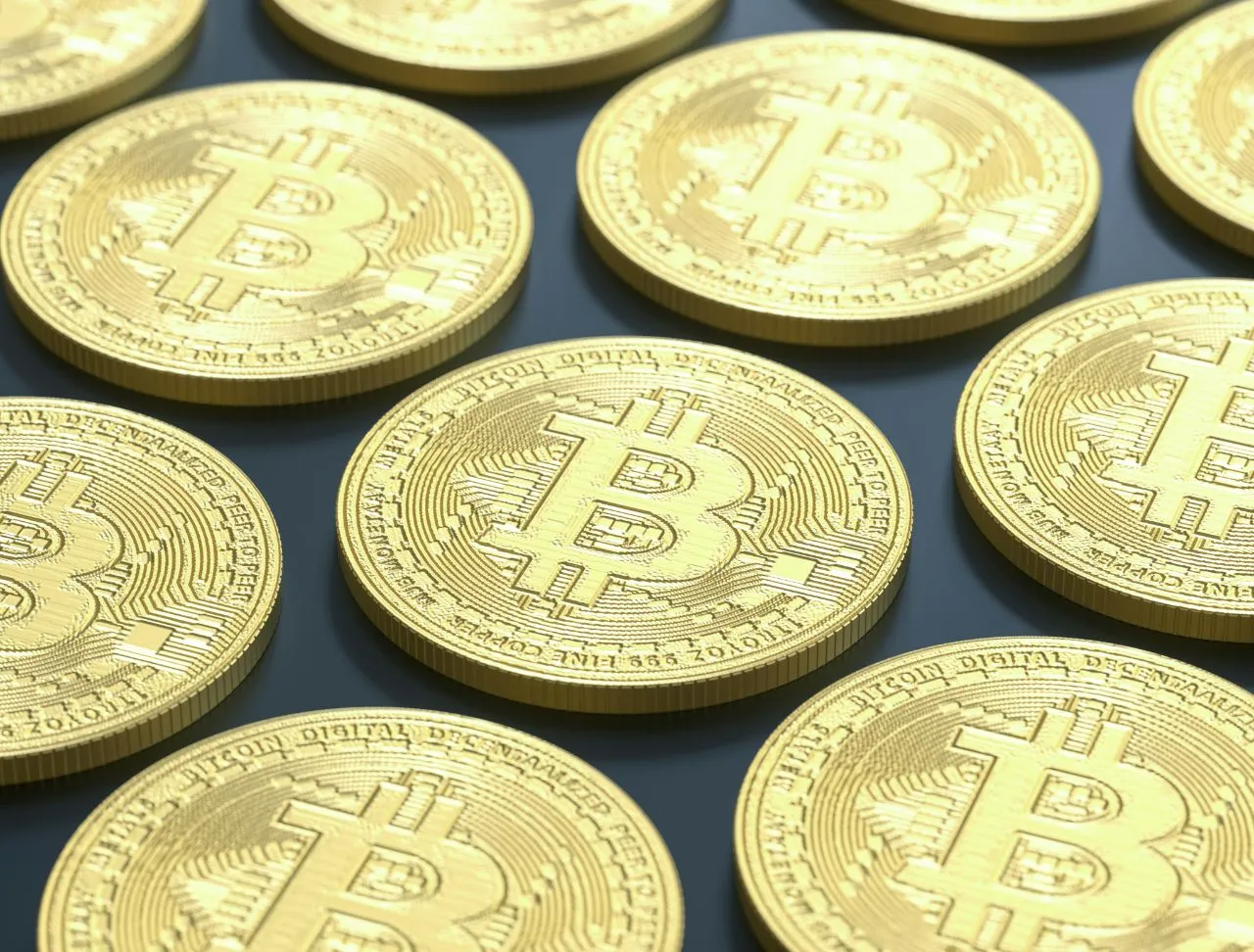
https://asset.coinness.com/en/news/33bbeae42dad738ab93c3ec9347ed6d5.webp
Photo by Vasilis Chatzopoulos on Unsplash

On this basis, it would appear that North Korea now has a larger Bitcoin holding than the Bitcoin-friendly jurisdictions of Bhutan and El Salvador. The Kingdom of Bhutan holds 10,635 BTC through Druk Holdings and Investments (DHI), the commercial arm of the Royal Government of Bhutan. 


Meanwhile, El Salvador holds 6,119 BTC. Bhutan has been accumulating Bitcoin as a consequence of Bitcoin mining activity carried out by the government in partnership with Singapore-based Bitcoin mining firm Bitdeer and others within the Asian country over recent years.


El Salvador made a commitment to buy Bitcoin on an ongoing basis following its recognition of the digital asset as legal tender back in 2021. Based on Bitcoin pricing at the time of writing, Arkham’s data suggests that North Korea currently holds Bitcoin with an overall value of around $1.14 billion.


It’s believed that North Korea’s overall holdings have been bumped up recently following a $1.4 billion hack of global crypto exchange Bybit last month. According to crypto data analysis firm Coin Metrics, the hack stands as one of the largest of all time. 


Arkham’s data suggests that North Korea now has the third largest nation-state holding of Bitcoin, with the U.S. in first place, with 198,109 BTC, and the UK next with a holding of 61,245 BTC.


Besides Bitcoin, the Lazarus Group is understood to be sitting on ETH, BNB, DAI and BUSD worth in the region of $30 million. In the immediate aftermath of the hack, the hackers moved to swap out some of the stolen Ether (ETH) for Bitcoin via the THORChain decentralized liquidity protocol.


South Korea not building Bitcoin reserve

While North Korea appears to have accumulated Bitcoin at the nation-state level through nefarious means, the Republic of Korea’s (South Korea) central bank has given an indication that it currently has no plans to accumulate Bitcoin. 


According to a recent local media report, the Bank of Korea (BOK) responded in writing to a query from a Korean parliamentarian, outlining that there is no plan currently to develop a Bitcoin reserve or to stockpile Bitcoin at a national level. 


The BOK is understood to have cited Bitcoin’s price volatility as a major concern. Additionally, the central bank outlined that Bitcoin doesn’t conform to the International Monetary Fund’s (IMF) guidelines relative to foreign exchange reserve management.

More to Read
View All
Web3 & Enterprise·

Oct 27, 2023

Bithumb and Korbit Struggle to Gain Traction Despite Zero Trading Fees

Bithumb and Korbit Struggle to Gain Traction Despite Zero Trading FeesSouth Korean cryptocurrency exchanges Bithumb and Korbit have recently eliminated trading fees, but their bold decision hasn’t yielded much results. Bithumb was the first to implement this change and attracted users for about a week, but it is now seeing a loss in market share. Korbit, following Bithumb’s example, is also struggling to achieve meaningful outcomes.Photo by Alexander Grey on UnsplashLimited impactLocal media outlet Chosun Biz used data from crypto data platform CoinGecko to draw this conclusion. On October 26, Korbit’s daily trading volume represented 0.19% of the total trading volume among South Korea’s top five crypto exchanges (Upbit, Bithumb, Coinone, Korbit, and Gopax). This figure marked a 0.14 percentage point increase compared to the 0.05% recorded on October 19. Korbit had implemented a zero trading fee policy at 9 a.m. (KST) on October 20. Additionally, they launched a promotion offering KRW 5,000 ($3.69) worth of bitcoin to users who transferred virtual assets totaling KRW 1 million or more from Travel Rule-compliant exchanges to Korbit. While the promotion did contribute to Korbit’s market share, it still remains below 1%.Bithumb’s performance showed some improvement, albeit briefly. As of October 26, Bithumb’s market share stood at 18%, marking a 4.7 percentage point increase from its 13.3% share on October 3, the day before it eliminated trading fees. However, it’s worth noting that its market share had reached almost 30% shortly after the promotion’s launch. This indicates that its strategy is losing efficacy over time.The less-than-enthusiastic results from their daring marketing endeavors can be attributed to their inability to draw in retail investors. To begin with, Upbit, the leading player in the market, had already been providing a relatively low fee of 0.05%. Furthermore, adapting to new user interfaces on these exchanges posed a challenge. Zero trading fees weren’t attractive enough for crypto investors to leave their current platforms.Trading volume mattersIn the case of Korbit, its lower trading volume was a disadvantage when it came to attracting users. On crypto exchanges, a higher trading volume typically translates to faster trade executions. As a result, users of Korbit might experience delays in executing trades at their preferred price.Jeong Hye-won, a research associate at crypto data analytics platform Xangle, told Chosun Biz that users on exchanges with lower trading volumes tend to experience slippages due to slower transaction speeds and sparsely populated order books. A slippage means the difference between the initially placed order price and the executed order price. Jeong further explained that Korbit’s zero trading fee policy didn’t have a significant impact because it offers fewer listed tokens compared to Upbit and Bithumb.There is speculation that the free-trading fee promotions introduced by Bithumb and Korbit, despite their revenue sacrifices, might conclude sooner than initially anticipated due to their perceived ineffectiveness. Bithumb derives 99.95% of its revenue from trading fees, while Korbit relies on trading fees for 99.79% of its income. An industry insider has commented that trading fees play a vital role in an exchange’s revenue, and given Bithumb’s reported loss in earnings during the second quarter, there are concerns about their capacity to sustain this strategy.

news
Policy & Regulation·

Dec 07, 2023

Korea Exchange sets the stage for security token trading

Korea Exchange sets the stage for security token tradingStarting next year, South Koreans may have the opportunity to trade security tokens, as the Korea Exchange (KRX), the sole securities exchange operator in the country, has officially begun preparations to establish a security token market. The Busan Digital Asset Exchange (BDX), slated for launch next year, is expected to play a pivotal role in spearheading the growth and development of this emerging security token market.Photo by Tierra Mallorca on UnsplashSeeking approval from financial regulatorsAs reported by local news outlet Busan Ilbo, KRX applied to the FSC last month for registration as an innovative financial service under the financial regulatory sandbox scheme. On Nov. 19, the FSC approved the creation of pilot markets for investment contract securities and non-cash trust beneficial certificates. KRX’s recent initiative is a follow-up to this development. The financial regulator is set to make a final decision after holding a main committee meeting to review KRX’s application.Investment contract securities and non-cash trust beneficial certificates represent two distinct types of security tokens. Investment contract securities provide a means for fractional investments in real-world assets (RWAs). This can include a diverse range of assets such as artworks, music copyrights, beef and carbon credits, allowing investors to own a portion of these assets. On the other hand, non-cash trust beneficial certificates function as secondary investment instruments. These certificates enable individuals to invest in financial products that themselves have invested in security tokens, offering an indirect pathway to participate in the security token market.Fractional investments on the horizonVarious industries are poised to benefit from the emerging digital market, especially platforms focused on fractional investment in artworks. Companies like Yeolmae Company, Art Together and Seoul Auction Blue are keen on this opportunity and have applied to the FSS for permission to register security tokens. Upon receiving regulatory approval, these platforms plan to accept subscription requests, enabling investors to participate in the art market in a more accessible way.The development of security token markets is expected to positively impact BDX, which is currently seeking an operator. Initially, when BDX’s operation plan was unveiled in September, it excluded security tokens due to regulatory constraints. However, with KRX now involved, it’s more probable that the Busan exchange will feature security tokens as major trading assets. Experts believe the success of these token exchanges will largely depend on the quality and appeal of the underlying assets.A local securities industry official emphasized the significant role of the security token market in enhancing the stature of Busan as a blockchain hub. The growth of this market is seen as pivotal in boosting the value and utility of BDX. The official noted that BDX’s appeal to investors would increase if it offered a diverse range of underlying assets or unique security tokens. This development could mark a significant turning point for Busan in the blockchain industry.

news
Policy & Regulation·

May 03, 2023

Korean Gov’t Encourages Discussions on Tax Imposition within the Metaverse

Korean Gov’t Encourages Discussions on Tax Imposition within the MetaverseThe South Korean government is planning to hold an open forum in August, encouraging citizens to discuss the possibility of imposing taxes within the metaverse, according to News1.New social frameworkOn Tuesday, Korea’s Ministry of Science and ICT (MSIT) announced the government’s plan to develop a new social framework in the digital age. To achieve this, the government will set up an open digital forum and draft a digital bill of rights.Topics to be covered in the forum include generative artificial intelligence, the metaverse, and self-driving cars.Regulation-free metaversesThe idea of imposing taxes within the metaverse has piqued the interest of cryptocurrency users. The government has reportedly decided to exempt community-based metaverses from regulations to encourage growth. This policy will enable metaverse users to provide gaming content and engage in economic activities such as trading items and distributing giveaways. However, the potential surge in economic activities in the metaverse has brought up the issue of whether tax implementation is necessary in this virtual world.Though community-based metaverses are still premature, the government acknowledges the importance of discussing potential tax imposition.While the current agenda is focused on metaverses, it remains unclear whether discussions will extend to loosening regulations for blockchain-based games.Strict gaming restrictionsCurrently, Korean law prohibits trading game items for cash to deter gambling behavior, prompting Korean game developers to publish their titles overseas first. In fact, Netmarble launched blockchain-based mobile board game Meta World: My City in regions other than Korea last month. This has led to concerns that Korea is falling behind in the global gaming industry due to strict regulations.Digital bill of rightsFollowing the open forum in August, MSIT will collaborate with other relevant government agencies, including the Culture Ministry and the Land Ministry, to draft a digital bill of rights in September.MSIT Minister Lee Jong-ho said that the government will conduct regular surveys to identify areas for improvement, assess the societal impact of technological advancements, monitor each ministry’s measures, and review public opinions.© Pexels/Nataliya Vaitkevich

news
Loading