Top

Avalon integrated with Bybit to offer Bitcoin yield

Web3 & Enterprise·April 15, 2025, 5:14 AM

Dubai-headquartered global crypto exchange Bybit has integrated the Avalon Finance protocol within its platform to offer users greater opportunities to earn yield on Bitcoin.


Avalon Finance is a decentralized lending protocol that offers a range of financial services on the Merlin Chain, a Bitcoin layer-2 network. It facilitates users to borrow stablecoins using their Bitcoin as collateral, while also providing opportunities to earn yield by contributing to digital asset liquidity pools.
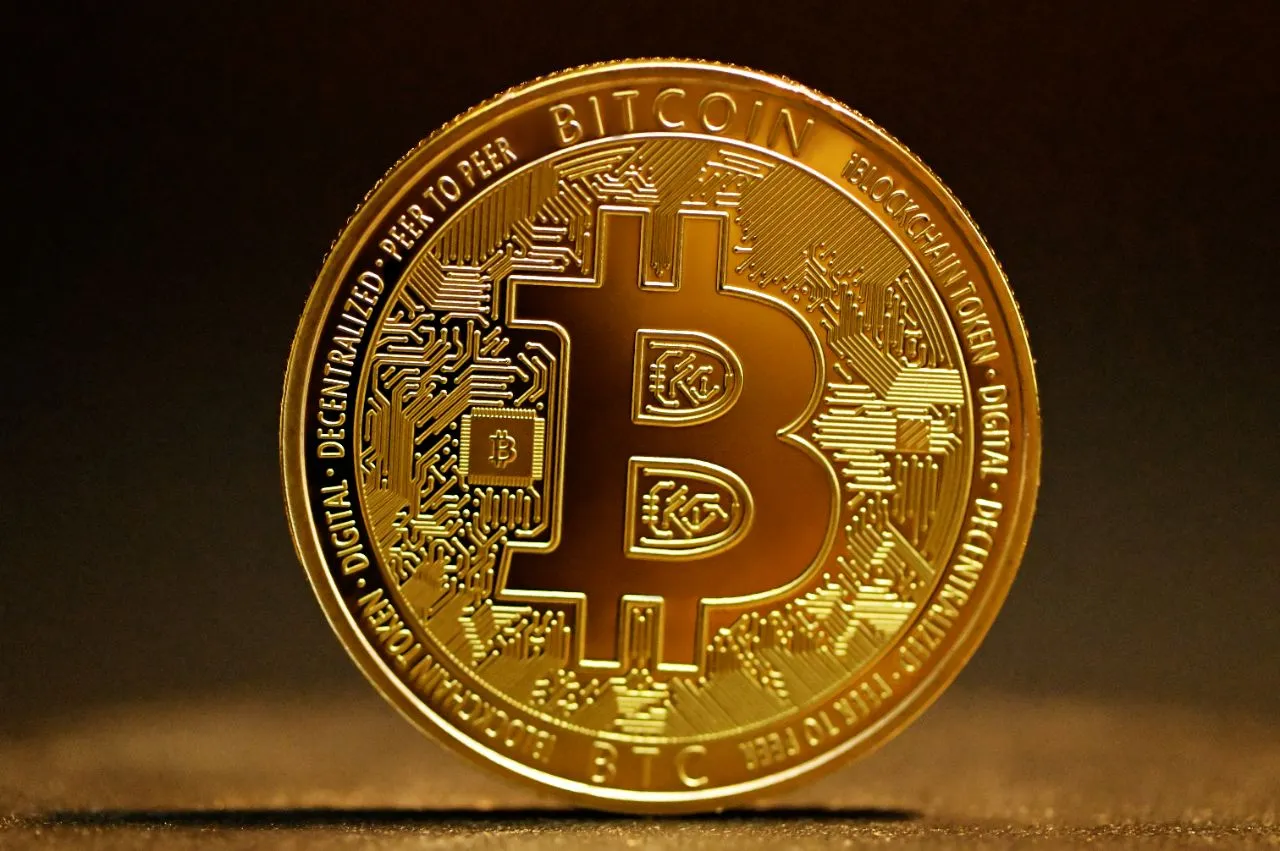
https://asset.coinness.com/en/news/7a41bb1ce26eb23c0b6f5e9d0422150b.webp
Photo by Kanchanara on Unsplash

CeFi to DeFi bridge

Avalon Labs, the driving force behind the Avalon Finance protocol, took to X on April 14 to outline that the protocol had gone live on Bybit. It stated:

”By integrating with Bybit Earn, Avalon unlocks new yield opportunities for Bitcoin holders by arbitraging our fixed-rate institutional borrowing layer — delivering predictable, enhanced returns through a seamless CeFi-to-DeFi bridge.”


Avalon claims to offer a mechanism which brings Bitcoin into DeFi. It accepts FBTC, an omnichain digital asset with $1.25 billion in total value locked (TVL), pegged 1:1 with Bitcoin, as collateral, while lending it out at fixed interest rates. USDT stablecoin borrowed on the strength of that Bitcoin can then be deployed by platform users to execute high-yielding DeFi strategies via the Ethena Labs synthetic dollar protocol, implicating the use of Ethena USD (USDe) and Ethena Staked USD (sUSDE).


In this way, the Avalon Finance protocol is providing a conduit between centralized finance and decentralized finance. Avalon Labs claims that the offering turns Bitcoin into a productive asset. It stated:


“Returns are stable, secure, and passed back to Bybit Earn users—making Bitcoin a productive asset while maintaining simplicity and risk control.”


More exchange collaborations planned

It’s understood that Avalon plans to collaborate similarly with other crypto exchanges in the future. Towards the end of 2024, the firm raised $10 million in Series A funding, with the funding round having been led by Framework Ventures, with participation from UXTO Management, Presto Labs and Kenetic Capital.


At the time, Avalon Labs asserted that the funding would be used to expand its Bitcoin-centric ecosystem. 


BTC-backed public debt fund

Taking to X in February, the project outlined that after years of research, it was working towards the launch of a Bitcoin-backed public debt fund that would fall within the parameters of the U.S. Securities and Exchange Commission’s (SEC) regulatory framework. The firm stated:

”By exploring regulated investment structures, we aim to bridge the gap between traditional finance and crypto, opening new opportunities for Bitcoin-backed financial products.”


Regulation A is an exemption offered by the SEC enabling a company to sell securities to the investing public without full registration. Should it eventually take this path forward, the project would pioneer this approach to launching a public debt fund as little progress has been made by others in taking such a Bitcoin-related product forward to date.


Towards the end of last month, Avalon Labs announced that it has added support for BlackRock’s “BUIDL” fund, a tokenized fund created by the world’s largest asset manager, which invests in short-term U.S. Treasury bills.


More to Read
View All
Policy & Regulation·

Dec 20, 2023

Ripple APAC executive predicts institutional adoption surge in 2024

Ripple APAC executive predicts institutional adoption surge in 2024Fiona Murray, the Managing Director overseeing the Asia-Pacific region (APAC) at enterprise blockchain firm Ripple, envisions a substantial uptick in institutional adoption of cryptocurrencies in the upcoming year.Photo by Kanchanara on UnsplashEmphasis on AsiaMurray set out her predictions for the coming year in a thread of posts on the X social media platform on Monday. This foresight coincides with a notable upswing in interest from traditional financial institutions within the digital currency market, especially in the APAC region.Murray predicts an unprecedented surge in cryptocurrency adoption within financial institutions, underscoring a shifting landscape where companies increasingly leverage cross-border payment solutions powered by blockchain technology. She wrote:”Entering 2024, we are expecting to see a surge in institutional adoption of crypto by financial institutions, especially in the APAC region. This includes the greater usage of cross-border payments among companies.”Web2 firms to integrate blockchainThis departure from traditional payment methods signifies a growing confidence in the security and efficiency offered by digital currencies. Ripple’s APAC executive emphasizes the escalating investments by well-established Web2 companies and legacy payment institutions as they integrate blockchain utility into their offerings.“More than ever, leading Web2 companies and legacy payments institutions are investing resources to integrate blockchain utility into their services — ‘Nearly half of APAC finance leaders expect blockchain to have a significant impact on business in the next 3 years.’” she stated.This positive outlook is reinforced by proactive measures taken by countries like Singapore and Hong Kong, positioning themselves as global leaders in cryptocurrency and blockchain adoption.Crypto ETFsThe continued rollout of crypto exchange-traded funds (ETFs) adds to the level of institutional adoption that has occurred in 2023 and is likely moving forward into 2024. Hong Kong has been the regional leader in this regard within APAC. The Hong Kong Stock Exchange was the first platform in Asia to offer crypto asset exposure by way of an ETF in December of last year. Since then, several such ETFs have been listed within the Chinese autonomous territory.Last month, multinational investment bank UBS joined industry peers like HSBC in following suit to offer institutional clients access to crypto-linked ETFs. Going into 2024, most industry commentators seem to be convinced that the emergence of BlackRock, the world’s largest asset manager, in promoting a spot bitcoin ETF in the United States means that approval is likely over the course of the next few months. That milestone will undoubtedly have positive reverberations for institutional digital asset adoption in the APAC region also.Strategic importance of APACThe APAC region holds strategic importance for Ripple’s expansion plans, given its rapid technological advancement and openness to innovation. In Singapore, the company received “in principle” approval from the Monetary Authority of Singapore in June. That was upgraded to full license approval in October.Singapore and Hong Kong, among other countries in the region, have emerged as frontrunners in the global cryptocurrency market, fostering regulatory environments conducive to blockchain innovation.These factors underscore the region’s crucial role in Ripple’s global strategy, aligning with the company’s vision and objectives as it seeks to grow its business.

news
Policy & Regulation·

Jun 22, 2023

Singaporean Regulator Proposes Framework for Digital Money Use

Singaporean Regulator Proposes Framework for Digital Money UseThe Monetary Authority of Singapore (MAS) has released a White Paper that outlines proposed standards for the use of digital assets. The aim is to establish a common protocol and conditions for the utilization of these assets.While the paper identifies the potential digital assets bring in streamlining transactions and promoting financial inclusion, it also outlines challenges that need to be addressed before digital money can be successfully implemented.Photo by Pixabay on PexelsPurpose Bound Money (PBM)MAS’s White Paper, which was published on Wednesday, provides requirements to protect the use of digital assets as a medium of exchange and offers a technical overview of Purpose Bound Money (PBM). PBM allows the sender of digital money to specify certain conditions such as validity periods or how the money can be spent.The covered digital monies include central bank digital currencies (CBDCs), tokenized bank deposits, and potentially well-regulated stablecoins, excluding digital assets that it considers volatile such as Bitcoin. These digital monies are generally pegged to real-world currencies, commodities, or financial institutions, making them more stable.MAS highlights that PBMs utilize a common protocol compatible with different ledger technologies and forms of money. This protocol enables money to be directed toward a specific purpose without requiring the money itself to be programmed. It functions as a secure two-layered delivery vehicle, with funds held as collateral in a “wrapper” until specific conditions are met for its release.Standardized formatThe standardized format outlined in the White Paper will allow users to access digital money using their preferred wallet provider. By establishing these standards, the prospects for digital money to become a significant component of the future financial and payments landscape are enhanced. Standardization and regulated use of PBMs can unlock economic value, facilitate efficient and inclusive digital transactions, and provide additional consumer protection.One notable application of PBMs is in protecting online payments, such as e-commerce transactions and prepaid packages. With PBMs, advance payments can be securely held until the service is fulfilled, ensuring that the product or service is delivered before funds are released. This benefits both consumers and merchants, assuring consumers of product delivery and allowing merchants to verify payment before delivering.PBMs can also aid businesses in mitigating risks associated with international trade transactions, ensuring secure and efficient payments while reducing the potential for fraud or non-payment.InteroperabilityTo ensure the safety and usability of digital monies, MAS highlights considerations that will impact PBM implementation. Interoperability across different platforms is crucial to avoid fragmentation and excessive fees. The choice of underlying digital currencies also affects usability and value, with CBDCs, tokenized bank liabilities, and stablecoins offering varying levels of guarantees and regulatory oversight. Additionally, privacy, digital readiness, and the impact on users need to be carefully assessed.MAS acknowledges that the regulatory landscape for digital monies is still evolving globally, which may lead to varying regulatory treatment of PBMs across jurisdictions. It believes that policy considerations should be thought through when designing PBM-based solutions, including decisions regarding issuance, distribution, and conditions for use.

news
Markets·

Apr 21, 2023

True Potential of Asian Crypto ETFs Yet to Be Realized

True Potential of Asian Crypto ETFs Yet to Be RealizedA recently published report by Hong Kong Exchanges and Clearing Ltd. (HKEX), the Hong Kong stock exchange, has found that crypto exchange traded funds (ETFs) have the potential to play a significant part in unlocking the next phase of digital asset expansion in Asia.©Pexels/Burak The WeekenderThe report, titled “Crypto ETF: Key to unlocking the next phase of digital asset growth in Asia,” highlights how crypto ETFs could attract more institutional investors and lead to increased liquidity in the digital asset market. Furthermore, HKEX claims that the ETF investment mechanism can play its part in offering a more regulated and safe manner through which investors can gain exposure to digital assets.Regulatory progressWhile the report cites an Asian regulatory environment that is becoming increasingly more supportive of digital assets of late, it still identifies a need for further progress to be made to improve the level of regulatory clarity and to provide a truly standardized approach to digital assets. That, it says, will result in crypto ETFs becoming more accessible, offering a diversified way in which the investor can access and gain exposure to digital assets in Asia.Nonetheless, HKEX applauds the work done thus far by regulatory authorities in Hong Kong and Singapore, where regulatory frameworks relative to crypto ETFs have been implemented. Those are measures that the Hong Kong stock exchange believes will increase investor confidence, and in turn, bring about further adoption of digital assets.Modest daily trading volumeBetween December 16 and February 7 the two Bitcoin ETFs and one Ether ETF listed on the Hong Kong stock exchange achieved a daily trading volume of $1.19 million. That’s rather underwhelming when compared with the $3 billion in daily volume being achieved by the Chicago Mercantile Exchange (CME) relative to its Bitcoin and Ether futures ETF in the United States. On the New York stock exchange ProShares Bitcoin Strategy ETF achieves a daily average trading volume of $196 million.These findings are a bit counter-intuitive given the contrasting regulatory approaches in the two territories. In the US, regulators have failed to approve a physically settled Bitcoin ETF. Furthermore, the Securities and Exchange Commission (SEC) has denied the attempts of Grayscale Bitcoin Investment Trust (GBTC) to convert the Bitcoin fund into an ETF. Meanwhile, Hong Kong has much more regulatory clarity but yet trading volume in crypto-related ETFs remains minuscule by comparison with the United States.Despite that, the report remains upbeat with regard to what can be achieved in the market with crypto-related ETFs. It makes a case for crypto ETFs as a means for traditional financial institutions to enter the digital assets market with relative ease. Similarly, it sees a role for global stock exchanges in facilitating future growth of crypto-related ETFs and in developing new ETF products that could unlock access to specific digital assets or bespoke investment strategies.

news
Loading