Top

Two Russians caught in $42M USDT cross-border transfer case in South Korea

Policy & Regulation·May 22, 2025, 6:30 AM

Two Russian nationals have been referred to prosecutors in South Korea for allegedly facilitating the illegal transfer of roughly 58 billion won ($42.2 million) to Russia using USDT, a U.S. dollar-pegged stablecoin. According to a report by KBS News, the Seoul branch of the Korea Customs Service (KCS) announced the charges on May 22, citing violations of the country’s Foreign Exchange Transaction Act. The suspects, a man and a woman both in their 40s, reportedly operated an unauthorized money exchange business to carry out the transactions.
https://asset.coinness.com/en/news/8c791aa85554ecb878fe696beaaa3ad0.webp
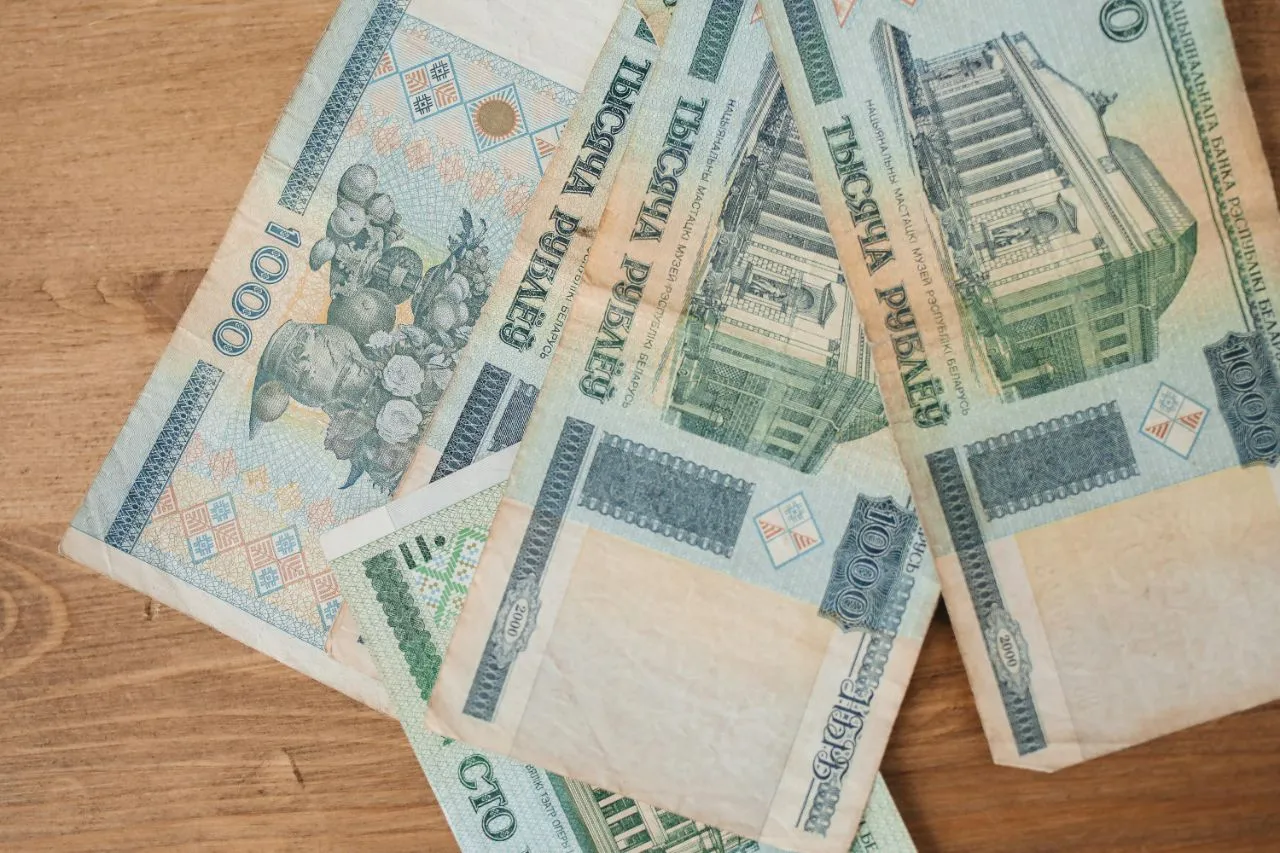
Photo by Polina Tankilevitch on Pexels

Over 6K transactions

Authorities suspect the pair of repeatedly using USDT to conduct cross-border transfers between South Korea and Russia. From January 2023 to July 2023, the duo allegedly completed 6,156 illegal remittance transactions, either sending funds abroad or receiving payments on behalf of others, totaling the full 58 billion won in question.


Investigators revealed that the two suspects, who hold permanent residency in South Korea and have overseas Korean status, used the messaging app Telegram to solicit clients. When transferring money to Russia, they reportedly collected funds via kiosks in convenience stores that allow users to send money without a bank account. The collected cash was then used to purchase USDT to complete the remittances.


According to customs officials, the suspects would either send the cryptocurrency directly to a crypto wallet specified by the customer, or forward it to accomplices in Russia. These accomplices would then convert the crypto to cash and distribute rubles to recipients through local channels.


Illicit crypto use by businesses

 The operation also handled export payments for South Korean businesses. The suspects reportedly accepted payments from Russian importers on behalf of Korean used car dealers and cosmetics exporters. In these cases, associates in Russia would collect ruble payments from importers, convert the funds into USDT and send the cryptocurrency to contacts in Korea. The funds were then exchanged for Korean won and deposited into the accounts of the businesses.


Customs officials believe that the group’s services became particularly appealing after the start of the Russia-Ukraine war in 2022. In the wake of U.S. and international sanctions against Russia, legitimate financial channels for cross-border transactions became restricted, prompting some companies and individuals to turn to illegal alternatives. The Korean export companies involved in these transactions have been fined.


The Seoul Customs Office emphasized that illegal money exchange operations are often exploited for criminal activities such as drug trafficking, voice phishing and gambling. In response, the agency committed to stronger enforcement and pledged to spare no effort in combating unlawful financial operations.


Scams grow inside the border

The surge in crypto-related financial crimes in South Korea extends beyond cross-border transactions. According to a recent report by Maeil Business Newspaper, Kakao Pay—a local mobile payment platform—has detected around 70,000 cases of malicious apps linked to virtual assets over the past month. Of those, 80% were associated with Ponzi schemes, where fraudsters lure victims with promises of high returns before disappearing with the funds. A Kakao Pay spokesperson noted that new forms of security threats are emerging alongside the rapid growth of the crypto market, adding that the company is prioritizing the development of stronger security systems.

 

More to Read
View All
Policy & Regulation·

Nov 25, 2025

Regulators clamp down on crypto energy as nations shift priorities

The blockchain network underpinning Bitcoin, the world’s largest cryptocurrency, requires an energy volume comparable to the annual consumption of Thailand. According to Digiconomist’s Bitcoin Energy Consumption Index, the protocol utilized roughly 204.44 terawatt-hours (TWh) of electricity between Nov. 18, 2024, and Nov. 18, 2025.Photo by Fré Sonneveld on UnsplashFiscal losses drive Malaysian oversightAmid these intense energy demands, Malaysia’s primary electricity utility has recorded substantial financial impairments attributed to illicit activities. Tenaga Nasional Bhd (TNB) reported losses totaling 4.57 billion ringgit ($1.1 billion) from illegal crypto-mining operations over a five-year span. In a Nov. 19 report by The Edge Malaysia, the Ministry of Energy Transition and Water Transformation (Petra) disclosed these figures to parliament, specifying that the unauthorized mining occurred at 13,827 locations between 2020 and August of this year. To counter these infractions through regulatory channels, Petra has formed a special committee scheduled to convene before year-end. This body aims to recommend enhancements to the Electricity Supply Act, which currently delineates penalties based on the offender's classification. Domestic violators face fines ranging from 1,000 to 50,000 ringgit ($240 to $12,000), imprisonment of up to one year, or both. Penalties escalate for non-domestic entities, involving fines between 20,000 and one million ringgit ($480 to $240,000) and potential prison terms of up to five years. Despite these provisions regarding electricity theft, a specific legal code regulating the act of crypto mining remains absent, creating a jurisdictional void. International bans and grid reallocationStrategies to curtail electricity usage by crypto miners are becoming evident elsewhere in Southeast Asia as well. Laotian Deputy Energy Minister Chanthaboun Soukaloun told Reuters last month that the nation intends to suspend electricity supplies to crypto miners by early 2026. He cited the sector's minimal economic contribution and low job creation as primary factors. Consequently, the state plans to redirect power to high-priority sectors, including AI data centers, metals processing, and electric-vehicle manufacturing. Parallel restrictions are emerging globally. In October, the government of British Columbia enacted a permanent prohibition on new BC Hydro connections for crypto miners to safeguard the Canadian province’s energy reserves. Officials pointed to the industry’s "disproportionate energy consumption and limited economic benefit" as the rationale for the policy. The debate over thermal innovationConversely, some enterprises are exploring methods to capture thermal output from Bitcoin mining to heat residential and commercial properties. If viable, such repurposing could utilize the considerable thermal byproducts of mining. A K33 Research study cited by CNBC indicates the industry generates roughly 100 TWh of heat annually, a figure sufficient to warm the entirety of Finland. However, industry consensus on the feasibility of these applications remains elusive. Proponents suggest that mining infrastructure could be situated in proximity to heat consumers. Skeptics, however, contend that the reliance on application-specific integrated circuit (ASIC) chips makes this impractical, arguing that the technical difficulty of mining a block renders household participation unfeasible. Despite these differing views, the concept continues to attract attention as a potential avenue for innovation in energy distribution. As jurisdictions like Malaysia and British Columbia tighten regulatory oversight, the cryptocurrency sector faces mounting pressure to address its energy footprint. The divergence between government restrictions and industry-led efficiency proposals underscores the complex relationship between digital asset infrastructure and global energy resources. Given the shifting landscape of policy and technology, the outlook for sustainable large-scale crypto mining remains uncertain, as governments weigh energy demands against economic benefits and the industry searches for more efficient ways to operate.

news
Web3 & Enterprise·

Dec 04, 2023

Web3 chatting app Beoble launches beta version with 50,000 users

Web3 chatting app Beoble launches beta version with 50,000 usersWeb3 social messaging app Beoble has secured over 50,000 users in just one day since the beta version of the app was released on Saturday (KST), according to a post on its official X account. This comes after pre-registration applications closed on Nov. 30, which saw over 100,000 sign-ups.Photo by Andrej Lišakov on UnsplashEmpowering Web3 connectivityBeoble is a Web3-based social messenger platform that employs a decentralized encryption network called the Communication Delivery Graph. It allows users to engage in end-to-end encrypted chatting between their digital wallets and offers a communication toolkit for integrating decentralized applications (dApps). The app currently supports all EVM-compatible blockchains like Ethereum and Polygon and plans to add others like Solana, Aptos and Sui in the future.“Beoble is essentially the first Web3 messaging app with the complete user experience,” said Cho Sung-min, CEO of Beoble.In particular, Beoble has gained attention for having a low barrier to entry due to its user-friendly user interface and experience (UI/UX). Notably, the platform facilitates direct communication between Web3 wallet owners and allows them to conduct non-fungible token (NFT) and peer-to-peer (P2P) transactions.Incentivizing community engagementThe Beoble team explained that the ongoing beta test will be an opportunity to incorporate user feedback and improve services. It will also be a period during which users can receive rewards based on their chat room engagement.“The more active users are in the community, the higher their rewards. Rewards can be obtained through activities like completing quests, following others, reacting to messages and logging in,” the firm explained. The Beoble rewards system distributes “cat points” to users based on their participation and contribution to the ecosystem, which are then used to determine their eligibility for rewards like token airdrops.Beoble also previously raised $2 million in pre-seed funding, backed by investors like Digital Currency Group, HashKey Capital and Genesis Blockchain Ventures. The platform’s public launch is scheduled for Q1 2024.

news
Web3 & Enterprise·

Aug 24, 2023

Nomura-Backed Digital Exchange Acquires Trading License in Dubai

Nomura-Backed Digital Exchange Acquires Trading License in DubaiKomainu, a digital exchange backed by Japanese financial services conglomerate Nomura, has achieved the milestone of acquiring an operational license in Dubai.The occasion marks a significant moment for Komainu’s expansion efforts in the Middle East, highlighting the progress the company has made in terms of regulatory approval. It follows Komainu’s previous success in obtaining its MVP license in November 2022, establishing the company as one of the first entities to receive such authorization from the local regulator.The operational license was granted by Dubai’s Virtual Asset Regulatory Authority (VARA) on Friday, with the firm being added to the regulator’s virtual asset service provider register.Photo by Emma Harrisova on UnsplashEnabling a broader service offeringWith this operational license in hand, Komainu is now equipped to introduce extended institutional staking and collateral management services to clients within Dubai. These services will be facilitated through Komainu Connect, a purpose-built platform tailored to cater to the precise needs of institutional clients.While Komainu is a Jersey-based entity, the company has an active presence in the Dubai market as it has established subsidiary firm Komainu MEA FZE, which is based within the city. This local presence indicates Komainu’s intention to play an active role in the institutional digital asset business in the region.Dubai growth potentialSebastian Widmann, Head of Strategy at Komainu, emphasized the exciting growth prospects that Dubai’s flourishing digital asset ecosystem offers. He noted that the region is currently experiencing an influx of assets driven by the launch of new exchanges.Widmann stated: “Dubai has a vibrant digital asset ecosystem and impressive talent pool, and we are proud to contribute to the growth of this innovative financial hub.” He further emphasized that Komainu’s presence and its favorable regulatory status position the company uniquely as it embarks on the next phase of its business journey.It’s been a good month for Nomura-backed digital asset businesses in Dubai. A few weeks ago, another Nomura-funded company, Laser Digital Middle East FZE, was also successful in acquiring an operating license from VARA.VARA’s approach to crafting regulations has been instrumental in fostering a framework that supports permissible activities and services for customers and investors in Dubai. These regulations are designed to enhance clarity, establish certainty, and mitigate potential market risks. VARA’s overarching objective is to create a model framework that promotes both global economic sustainability and innovation.Bridging market gapFounded in 2018, Komainu’s inception was driven by the need to bridge a gap in the market by delivering secure and compliant custody services for institutional players venturing into digital asset investments.Komainu’s foundation is built upon a strategic joint venture involving prominent entities such as Nomura, CoinShares, and Ledger. It acquired its first client for Komainu Connect, the firm’s regulated settlement and custody system for institutions, in June when it signed up Seychelles-based crypto exchange OKX to the service.Headquartered in Jersey, the Jersey Financial Services Commission (JFSC) and Dubai’s Virtual Asset Regulatory Authority (VARA) now provide regulatory governance where Komainu’s activities are concerned.

news
Loading