Top

Hong Kong Regulator Explores Tokenization to Transform Bond Market

Policy & Regulation·August 26, 2023, 2:02 AM

The Hong Kong Monetary Authority (HKMA), the local regulator within the Chinese autonomous territory, unveiled the outcomes of its Project Evergreen study on Friday. Within the report, it indicated an interest in harnessing tokenization in order to improve aspects of the bond market.

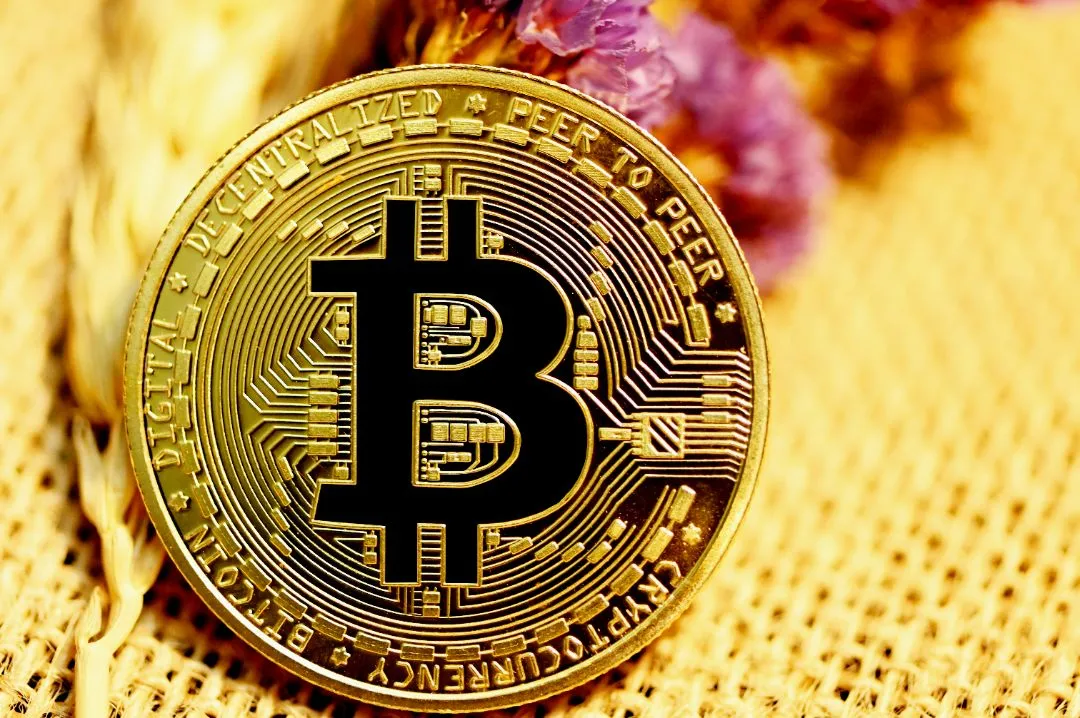
Photo by Jimmy Chan on Pexels


Bond market impact assessment

In this comprehensive report, the regulator delved into the intricate world of bond tokenization, offering an in-depth assessment of its potential impact on the market. The 24-page report covers a range of insights, spanning use cases and benefits to the challenges encountered during the study. The overarching sentiment emerging from the study paints tokenization as a compelling avenue for enhancing the bond market’s functionality.

Eddie Yue, the Chief Executive of HKMA, emphasized that the study underscored the latent potential of integrating distributed ledger technology (DLT) into real capital market transactions, all within the framework of Hong Kong’s existing legal structure. In addition, the research revealed the prospect of DLT elevating efficiency, transparency, and liquidity within bond markets.


Highlighting efficiencies

The report highlighted that the digital nature of tokenized bonds has the power to render paper certificates obsolete, ushering in an era of streamlined processes and diminished errors. Moreover, the study emphasized the capacity for various stakeholders to seamlessly interact via a shared DLT platform, fostering an environment of collaboration. Real-time data synchronization would ensure heightened transparency, a crucial factor in modern financial markets.

Furthermore, the report identifies that a standout feature of tokenization lies in atomic delivery versus payment (DvP) settlements for bond transfers. This innovation serves to significantly expedite the settlement process while bolstering the case for end-to-end DLT adoption.

That said, the report acknowledges the nascent state of bond tokenization. Yue emphasized that a plethora of challenges must be overcome before mass adoption becomes viable. The HKMA official underscored the necessity for regulatory frameworks to evolve alongside technology adoption.

These insights arrive at a time when Hong Kong is carving its niche as a haven for crypto and decentralized finance endeavors. A multitude of enterprises are believed to be queuing up for a coveted Hong Kong crypto license, underscoring the city’s rising stature in the digital finance sphere.

July saw Hong Kong’s announcement of a partnership with Saudi Arabia, focusing on tokenization and payments. Additionally, the HKMA is actively exploring the establishment of a regulatory framework for the digital Hong Kong dollar and stablecoins, heralding a commitment to the distributed ledger technology (DLT) application. An imminent seminar with industry stakeholders is planned, aimed at introducing DLT technology and fostering its adoption.

Arthur Chan, HKMA Assistant Chief Executive, anticipates wider DLT integration, envisioning reduced settlement times for bond issuances and instantaneous settlement through tokenized cash and smart contracts. He acknowledges the evolving nature of DLT platforms, acknowledging the need for further research and development. However, Chan envisions a future where tokenization extends beyond bonds, potentially encompassing securities, real estate, and mortgage products.

More to Read
View All
Markets·

Jun 25, 2024

Nomura survey indicates shift towards crypto investment in Japan

Nomura Holdings, Japan's largest brokerage and investment banking company, along with its digital asset arm, Laser Digital, has unveiled a survey indicating a significant shift towards cryptocurrency investment among Japanese investment managers.  54% of investment managers favor cryptoThe survey, conducted in April with over 500 respondents, reveals that 54% of investment managers plan to invest in crypto assets within the next three years, aiming to stabilize their portfolios and mitigate risks through diversification and hedging against inflation. According to the survey, approximately 25% of respondents hold a positive impression of cryptocurrencies, particularly Bitcoin and Ether. Meanwhile, 62% view crypto assets as a viable diversification opportunity. Around half of those that responded indicated an interest in crypto exchange-traded funds (ETFs) while 31% are considering direct investment. This trend follows the Japanese cabinet's February approval of a proposal to include crypto in the list of assets that local investment limited partnerships can acquire or hold. Nomura anticipates a revision to the Limited Partnerships Act later this year to accommodate this change.Photo by Jezael Melgoza on UnsplashNew product development to drive demandThe survey also highlights the primary drivers for future investments in crypto assets. These include the development of a variety of financial products such as exchange-traded funds, investment trusts, staking, lending and other innovative offerings. These developments align with Japanese Prime Minister Fumio Kishida's "new capitalism" economic policy. Within that policy, Kishida outlined that fostering Web3 innovation is a key priority in a keynote address at the WebX conference in Tokyo in 2023. Metaplanet bond issuanceIn a related move, Tokyo-based investment and consulting firm Metaplanet plans to issue 1 billion yen ($6.26 million) worth of bonds to finance its Bitcoin acquisitions. The firm announced on June 24 that its board had approved the bond issuance, with the Bitcoin intended for long-term holding. A separate notice detailed that the bonds would offer an annual rate of 0.5%. Metaplanet appears to be following a business strategy first pioneered by MicroStrategy in the United States. The American business intelligence firm, now focused on Bitcoin development, holds the record for a public company with the most Bitcoin, possessing 226,331 BTC worth $15 billion. It provides an alternative means through which corporations can gain exposure to Bitcoin investment. Metaplanet is likely to fulfill a similar role within the Japanese market, meeting that developing investment need identified among Japanese investment managers in Nomura’s survey. While the Nomura survey findings are largely positive, there were a number of concerns expressed by investment managers also in relation to crypto. Among them were concerns about counterparty risk, regulatory requirements and high asset volatility. However, the report suggests that there is a path through which these concerns can be minimized. The report states: “These hurdles could soon be lowered, as Japan’s digital asset laws and regulations are rapidly being developed, enabling increased engagement from institutional investors in the future.” In December, the Japanese government approved a tax regime revision to exempt corporations from paying tax on unrealized crypto gains if they hold the assets long-term.

news
Policy & Regulation·

Sep 09, 2023

No Turkish Delight for Crypto Exchange CEO Sentenced to 11,196 Years

No Turkish Delight for Crypto Exchange CEO Sentenced to 11,196 YearsIn a landmark ruling, Faruk Fatih Ozer, the 29-year-old Turkish Founder and CEO of defunct Turkish crypto exchange Thodex, has been sentenced to 11,196 years in prison for orchestrating a massive fraud that left investors out of pocket.Photo by engin akyurt on UnsplashExtradited from AlbaniaBloomberg reported on Friday that Ozer, the mastermind behind the Thodex exchange, fled to Albania in 2021, vanishing along with millions of dollars in investor assets as the exchange suddenly crumbled.His arrest in Albania on an Interpol warrant marked the beginning of a lengthy legal battle. Having spent months on the run, he was finally extradited back to Turkey in June, where he faced charges of money laundering, fraud, and organized crime. During the trial in Istanbul, Ozer defended himself, claiming that his actions did not demonstrate criminal intent. He asserted:“I am smart enough to lead any institution on Earth.”“That is evident in this company I established at the age of 22. I wouldn’t have acted so amateurishly if this were a criminal organization,” he added. Nevertheless, the court found him guilty, along with his sister Serap and brother Guven, who faced the same charges.Lengthy jail termThe sentences handed down were notably long, with the defendants sentenced separately for multiple crimes against 2,027 victims. Following the abolition of the death penalty in 2004, lengthy prison sentences are quite common in Turkey.Prosecutors had initially sought a jaw-dropping 40,562-year prison sentence for Ozer, although the difference would have been purely symbolic when compared with the sentence which was ultimately handed down. The Thodex exchange, founded in 2017, quickly rose to prominence as one of Turkey’s largest cryptocurrency platforms.Ozer’s financial acumen earned him national recognition, and he even cultivated ties with influential pro-government figures. However, the sudden implosion of the Thodex exchange in April 2021 shook the cryptocurrency world. Investor assets vanished, and Ozer went into hiding.Reports initially indicated that Ozer had fled with assets worth $2 billion, but the prosecutor’s indictment put the total losses to Thodex investors at 356 million Turkish liras. The depreciation of the lira and rampant inflation since the exchange’s collapse means that this amount is now equivalent to around $13 million on the international markets.Lagging regulationThe Thodex case serves as a stark reminder of cryptocurrency market risks, given its immature state and the lag in regulators responding to the innovation in order to ensure a safe marketplace for investors.Despite this setback in the development of the crypto ecosystem within Turkey, interest in crypto is stronger than ever. A recent report produced by Seychelles-based crypto exchange KuCoin found that there has been a significant increase in crypto market participants in Turkey over the course of the past 18 months. It’s likely that runaway inflation of the Turkish lira is providing Turks with the motivation to investigate crypto as an alternative.

news
Web3 & Enterprise·

Jan 17, 2024

Klaytn Foundation and Finschia Foundation to jointly launch largest blockchain network in Asia

The Klaytn Foundation and Finschia Foundation have jointly submitted a governance proposal to launch a new mainnet created by merging their respective blockchain ecosystems. The proposals have been submitted for open discussion, with voting scheduled for Jan. 26 to Feb. 2, according to an official announcement on Wednesday (KST).Photo by Shubham's Web3 on UnsplashThe main objective of this initiative is to create Asia’s largest Web3 ecosystem by combining key features of both blockchains. To do so, the two foundations plan to share their technologies, services and business networks and fortify connections between their partners like their mother companies Kakao and LINE, who have contributed to their development and expansion. “We are excited to be taking the first step toward unlocking the enormous synergy of merging the public blockchains started by Kakao and LINE, which are both leading IT companies in Asia,” the two foundations said. “We will give our best to make this merge an opportunity to innovate and lead the Asian blockchain industry in both technology and adoption.” An unprecedented mainnet ecosystemThe merger will bring together Klaytn and Finschia’s networks in different Asian countries, like Klaytn’s leverage in South Korea, Singapore and Vietnam, and Finschia’s service network in Japan, Taiwan, Thailand and Abu Dhabi. Once the combined ecosystem is launched, it will offer over 420 decentralized apps (dApps) and services, 45 governance partners and some 450 Web3 resources, becoming a mammoth Web3 network capable of swaying the trajectory of the Asian market. In addition, the blockchain will be connected with both Kakao and LINE messengers – two well-known messenger apps in Asia – opening up access to a vast continental user base of over 250 million people. The integration is also expected to catalyze the creation of new Web3 infrastructure in Asia, boosting scalability and liquidity. Future business plansThe joint foundation is specifically set to undertake projects in areas like RWA tokenization, GameFi, DeFi verticals, messenger-based Web3 services and digital commerce through partnerships with Japanese, South Korean and Southeast Asian firms. By leveraging its access to Kakaotalk and LINE users, the new public blockchain has the potential to be a springboard for IT and entertainment enterprises in Asia. Improved tokenomicsWhat may especially interest shareholders and users alike is a new native token that will be issued on the merged network, replacing the foundations’ respective tokens KLAY and FNSA. Holders of KLAY and FNSA will be able to swap their tokens for the new one. The proposed tokenomics system for the new token emphasizes sustainable value creation. This includes a lower base inflation rate and a 3-layer burning model created to encourage deflation as activity on the network increases. 24% of newly issued tokens will also be burned immediately as a trustworthy Zero Reserve Tokenomics measure. This will all be supported via an ecosystem fund and infrastructure fund that are constantly replenished via block rewards, rather than relying on reserves.Enhanced governance and interoperabilityKlaytn and Finschia also plan to bring together their experiences in practicing good governance to build a  permissionless node validation system to put the spotlight on users and the community, promoting transparency, trust and openness. To support the seamless migration and interoperability of existing dApps and services on Klaytn and Finschia, the merged chain will support the smart contract platforms EVM and CosmWasm. Ethereum and Cosmos builders will thus be able to gain access to the network. The foundations are set to host an upcoming event called Klaytn Community Town Hall on Friday to introduce the proposal and facilitate open dialogue and feedback.

news
Loading