Top

Binance Takes P2P Service Measures in Response to Sanctioned Russian Banks

Policy & Regulation·August 26, 2023, 1:37 AM

Global crypto exchange Binance has removed the option for users to conduct transactions via sanctioned Russian banks on its peer-to-peer (P2P) platform, a decision that comes on the heels of a Wall Street Journal exposé published earlier this week, shedding light on the platform’s involvement in facilitating the movement of funds for Russian users.

Previously, Binance’s peer-to-peer service featured five Russian banks under sanctions as a method for ruble transfers between users. However, the company swiftly acted to address potential compliance concerns. Fittingly, this latest news was also broken by the Wall Street Journal on Friday.
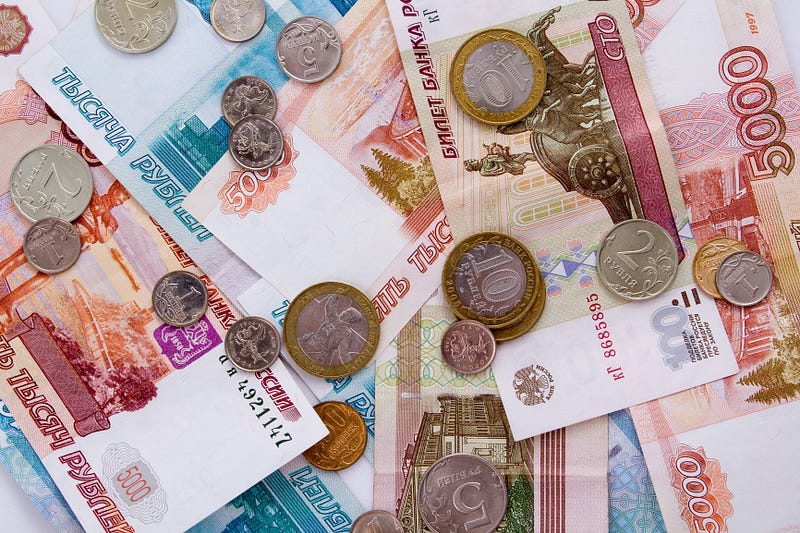
Dmitry Sidorov on Pexels


Sailing too close to the wind

When approached regarding the omission of these banks, a Binance spokesperson stated: “We regularly update our systems to ensure compliance with local and global regulatory standards. When gaps are pointed out to us, we seek to address and remediate them as soon as possible.”

The Wall Street Journal’s article outlined how Binance’s peer-to-peer platform facilitated ruble-to-crypto trades that frequently involved the sanctioned Russian banks, with Rosbank and Tinkoff Bank being prominent examples.

These trades often utilized layers of intermediaries to convert funds from these banks into Binance balances, as detailed by various company resources, user screenshots, and messages in official chat groups. Despite these revelations, Binance’s exchange had continued to handle significant volumes of ruble trading, according to data compiled by digital asset research firm CCData.


US DoJ probe

Binance’s activities in Russia could potentially contribute to its ongoing legal challenges in the United States. The US Justice Department (DoJ) has been probing the company’s actions for potential violations of American sanctions on Russia. In response to such concerns, the Binance spokesperson emphasized:

“Binance aims to diligently comply with the global sanctions rules and enforces sanctions on people, organizations, entities, and countries that have been blacklisted by the international community, denying such actors access to the Binance platform.”


Workarounds

Traders, however, had reportedly found workarounds to the bank removals, as observed in the official Telegram chat group for Russian clients. Many shared that they could still engage with sanctioned banks by selecting alternative payment methods and then manually inputting their Rosbank or Tinkoff bank details.

Earlier this year, an investigative report by CNBC alleged that employees of the company had told it that Binance staff regularly helped Chinese customers to bypass Know Your Customer (KYC) controls in order to access the platform. More recently, another report, once again by the Wall Street Journal, found that business in China was booming, which surprised many given that China banned crypto trading within the country in 2021.

It’s apparent that the company is reacting to regulatory and legal pressures in taking the decision to make these changes to its P2P service. Perennial crypto critic US Senator Elizabeth Warren took to X (formerly Twitter) on Friday, stating:

“I rang the alarm about sanctions evasion by Russia using the crypto platform Binance — and urged [the DoJ] to investigate potentially false statements it made to Congress. We need stronger crypto regulations to rein in illicit finance.“


More to Read
View All
Policy & Regulation·

Oct 18, 2023

Israel Doubles Down on Blocking Crypto Funding of Hamas

Israel Doubles Down on Blocking Crypto Funding of HamasIn a move to disrupt the flow of funds to Hamas, Israeli authorities have ordered the closure of over 100 cryptocurrency accounts on Binance, the world’s largest crypto exchange.Photo by Leonid Altman on PexelsHeightened monitoring of crypto-related financingIsraeli authorities were already monitoring crypto accounts suspected of terrorism financing before the recent attack by the Palestinian militant group Hamas. Since then, they have requested information about hundreds of accounts on Binance, suggesting that the scale of their actions has grown significantly since October 7.A statement from Israeli police last week outlined that they had frozen crypto accounts related to financing of Hamas. According to a report on Tuesday by the Financial Times (FT), the Israeli authorities have taken matters further still, having closed more than one hundred accounts on Binance.Scrutinizing 200 additional accountsSources cited by the FT as being close to the situation have revealed that these actions were initiated in response to Hamas’s assault on October 7. Authorities have also sought information on approximately 200 additional crypto accounts, with most of them being held on Binance. While Binance has acknowledged blocking a “small number” of accounts since the summer, it emphasized its adherence to internationally recognized sanctions rules and declined to provide further comment.Governments and regulators have long expressed concerns that terrorist organizations might exploit lightly regulated crypto markets for financial transactions. However, the recent attacks on Israel and the subsequent crypto-based fundraising campaigns by Hamas have made these concerns more pressing.Tom Alexandrovich, the Executive Director at the Israel National Cyber Directorate, stated that cryptocurrency has become a major tool for terror financing during these times of conflict. He noted that the amount of crypto funds involved has significantly increased since the start of the attack.Tether freezes accountsTether, the issuer of leading US dollar stablecoin USDT, announced on Monday that it had frozen 32 addresses containing more than $873,000 due to their alleged links to “terrorism and warfare” in Israel and Ukraine. The exact timing of when these accounts were blocked and the distribution of assets between Israel and Ukraine were not disclosed.Notably, US financial regulators previously alleged that money held on Binance had ties to Hamas. A lawsuit by the Commodity Futures Trading Commission (CFTC) in the United States in March claimed that senior Binance executives had knowledge of “Hamas transactions” in 2019. Binance has refuted these allegations and expressed its intent to contest the lawsuit.Commentators within the crypto space fear that opponents of the development of crypto, like US Senator Elizabeth Warren, will try to capitalize on this issue by using the opportunity to further draconian regulation.Over the past two years, Israeli authorities have seized millions of shekels from crypto accounts with suspected ties to Hamas and other militant groups in the Middle East. A recent analysis by Elliptic found that crypto wallets associated with various suspicious Middle East groups have interacted and relied on the same crypto exchange services to convert crypto into sovereign currencies.

news
Policy & Regulation·

Sep 18, 2023

Korean Experts Advocate for Global Crypto Info Exchange to Combat Tax Evasion

Korean Experts Advocate for Global Crypto Info Exchange to Combat Tax EvasionIn a recent event held to discuss the tax regime in South Korea, law professors offered a suggestion to combat tax evasion associated with cryptocurrencies. They proposed the implementation of a global cryptocurrency information exchange system for more effective response measures.Kim Beom-jun, a professor at the University of Seoul Law School, and Kim Seok-hwan, a professor at Kangwon National University Law School, delved into this matter last Friday at the tax administration forum that took place at the Korea Federation of Small and Medium-sized Enterprises (KBIZ).Photo by Karolina Grabowska on PexelsRising crypto adoptionAccording to their report, the cryptocurrency market is currently facing challenges stemming from the Terra-Luna incident and the broader economic downturn caused by rising interest rates and inflation. However, it’s worth noting that in Korea alone, there are approximately 6.27 million cryptocurrency exchange users, with a collective market capitalization of around KRW 19.4 trillion ($14.6 billion). This suggests that cryptocurrencies continue to integrate into our everyday lives.Crypto tax starting in 2025Starting in 2025, South Korea is set to impose taxes on income from cryptocurrency trading. However, before the tax is put into effect, there is a pressing need for administrative enhancements aimed at preventing tax evasion involving cryptocurrencies. These initiatives encompass the development of crypto-tracking technology and the allocation of sufficient staff and budgets to enable tax authorities to effectively address crypto-related issues.Foreign exchanges and DeFi platformsDuring the forum, experts voiced concerns about the possibility of tax evasion through the use of overseas crypto exchanges and decentralized platforms.Tax specialists pointed out that it’s difficult to expect people to fully meet their tax obligations when they’re trading on international exchanges. They also emphasized the challenges in collecting accurate tax information from crypto users who report transactions in overseas financial accounts.OECD’s initiativeIn August 2022, the Organization for Economic Co-operation and Development (OECD) gave the greenlight to the Crypto-Asset Reporting Framework (CARF). This framework aims to standardize the reporting of tax information related to crypto-asset transactions and facilitate the automatic exchange of such information. During the forum, researchers proposed that in the future, if Korea decides to participate in the OECD’s CARF, it should not only establish a cooperative system between virtual asset service providers (VASPs) and regulatory authorities but also revisit and amend pertinent laws.Additionally, presenters at the forum underlined the necessity of obligating taxpayers to furnish essential tax information for effective virtual asset taxation. They also stressed the importance of implementing appropriate sanctions in cases where taxpayers fail to comply with these reporting requirements.Commissioner Kim Chang-ki of the National Tax Service (NTS) stated that the agency is committed to enhancing tax accountability and transparency. He added that the NTS will take strong measures against malicious tax evasion activities, especially those involving online platforms.Furthermore, Commissioner Kim mentioned that the tax agency is boosting its investigative capabilities using scientific methods to combat emerging forms of tax evasion, like those related to virtual assets. He also said the NTS is expanding its international collaboration and devising other measures.

news
Policy & Regulation·

Feb 13, 2024

South Korea intensifies scrutiny on cryptocurrency exchanges

South Korea is ramping up its scrutiny on cryptocurrency exchanges, with the Financial Intelligence Unit (FIU) of the Financial Services Commission (FSC) announcing its intention yesterday to remove platforms that lack the necessary qualifications, according to the Korea Economic Daily.Unqualified exchangesIn its announcement yesterday, the FIU revealed its aim to block unqualified virtual asset service providers (VASPs) from facilitating trades in Korean won, the currency of the country. Those currently providing Korean won trading services will be eliminated from the market unless they can demonstrate they meet the required standards. With many exchanges set to renew their registrations in the latter half of this year, the FIU is gearing up for thorough evaluations through June to identify and remove unqualified VASPs. The FIU's assessments will focus on determining whether VASPs have adequate measures in place for user protection and are safeguarded against risks of money laundering. To bolster its efforts in preventing money laundering risks, the FIU intends to establish a framework where lawyers and accountants participate in crypto oversight activities.Photo by Andrea Piacquadio on PexelsExamining majority shareholder of VASPThe financial watchdog is also looking to propose amendments to the Financial Transaction Reports Act, aiming to raise the standards for VASP registration by introducing more stringent requirements. Beyond the current assessments of a VASP operator and its executives, the new regulations will involve close examination of its majority shareholder. This additional layer of scrutiny will evaluate the credibility of the major parties related to the VASP, taking into account factors such as their history of loan defaults. The FIU is set to create a system for analyzing cryptocurrency transactions and will strengthen its communication channels, not just with financial institutions but also with prosecutors and police forces. Furthermore, the agency is reviewing the Financial Action Task Force's (FATF) recommendation for freezing transactions in cases of suspicious activities. Once implemented, this will enable the FIU to temporarily halt suspicious transactions before bringing the issue to prosecutors.

news
Loading