Top

WEMIX Listed on Crypto Exchange CoinDCX, Strengthening Presence in India

Web3 & Enterprise·July 20, 2023, 3:27 AM

WEMIX, the utility coin of blockchain game platform WEMIX Play, has now been listed on India-based cryptocurrency exchange CoinDCX, according to a press release. WEMIX Play is operated by South Korean gaming company Wemade.

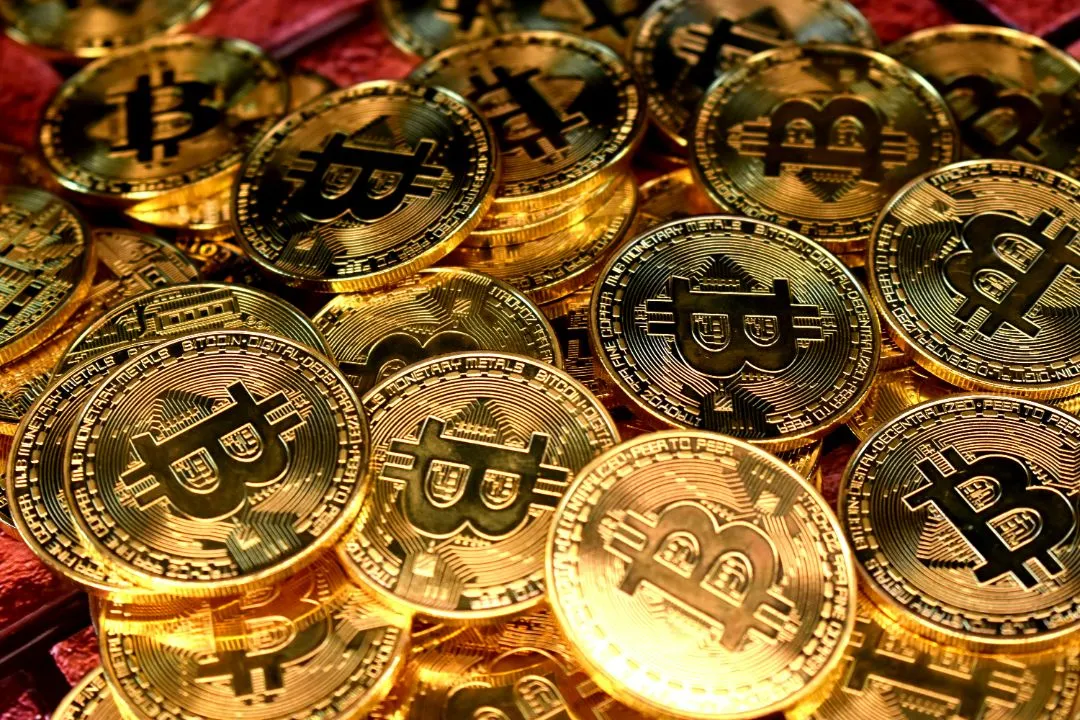
Photo by Naveed Ahmed on Unsplash


WEMIX/USDT & WEMIX/INR

Established in 2018, CoinDCX earned unicorn status two years ago, becoming the first Indian crypto exchange to accomplish this feat. With a current valuation of approximately $2.5 billion, CoinDCX offers trading support for over 80 cryptocurrencies and provides decentralized financial (DeFi) services to a customer base of 15 million global users. CoinDCX users can trade WEMIX against USDT and INR, where USDT stands for a stablecoin issued by crypto giant Tether and INR for Indian Rupee.

WEMIX made its debut on the Indian market in February through its listing on Bitbns, another cryptocurrency exchange. The token’s addition to another trading platform in India indicates the growing presence of the WEMIX ecosystem in the region.


India’s Web3 landscape

India is a prominent market for non-fungible tokens (NFTs) and blockchain technology. As of April, investments in the Indian Web3 ecosystem had reached $1.3 billion. The country also boasts the world’s third-largest talent pool for Web3 development. Currently, more than 450 Indian startups are making their mark on the global stage, demonstrating expertise in DeFi services, gaming, NFTs, and metaverses.

Looking ahead, WEMIX aims to further expand its reach by pursuing listings on additional crypto exchanges. This strategy will enable gamers worldwide to trade the WEMIX token with their respective fiat currencies.

More to Read
View All
Policy & Regulation·

Jul 17, 2023

Blockchain Council Exec: Philippines Poised for Crypto Adoption

Blockchain Council Exec: Philippines Poised for Crypto AdoptionDonald Lim, the Founder of the Blockchain Council of the Philippines (BCP), believes that the country has all the necessary elements for mainstream crypto and blockchain adoption.In a recent interview with Cointelegraph, Lim discussed the potential for crypto adoption in the Philippines and explained why he is optimistic about the success of blockchain projects in the country.Photo by Krisia on PexelsFinding its place in blockchainAccording to Lim, the BCP recognized the global shift towards Web3 and organized the Philippine Blockchain Week to explore the ecosystem’s potential. That activity revealed to the organizers that the country has a vibrant community eager to find its place in the world of blockchain. Lim expressed confidence in the Philippines becoming the blockchain capital of Asia, citing the country’s technical expertise, young population with a median age of 25, and its ability to adapt quickly, as demonstrated by the popularity of the play-to-earn game Axie Infinity.Crypto interestAxie Infinity, a play-to-earn blockchain game, gained significant traction in the Philippines in 2021, with 40% of its player base coming from the country. This increased awareness of Web3 concepts and the creation of crypto wallets. Additionally, research carried out recently suggests the Filipinos are among the most interested in crypto in the region.Lim noted that international organizations have been eager to enter the Philippine market due to favorable demographics and the government’s open stance on crypto and blockchain. The executive emphasized that the government is not seeking to stifle innovation in the sector. On the contrary, it welcomes blockchain and Web3 projects, creating an environment conducive to their growth.Ethan Rose, founder of Pouch, a wallet service supporting the Bitcoin Lightning Network in the Philippines, corroborated this sentiment. Pouch has successfully onboarded over 400 businesses in the country to accept Bitcoin payments. While the onboarding of Filipino merchants into the crypto space is a positive step, Lim believes that it will take time before living solely on Bitcoin or crypto becomes a reality.Adoption inevitableHowever, he remains optimistic about the future, stating that it is only a matter of time before crypto adoption snowballs into something more significant.Lim highlighted the need for infrastructure development, expecting it to mature within the next four to five years. As the infrastructure improves, crypto will not only be used for payments but also for activities such as purchasing non-fungible tokens (NFTs) and participating in the metaverse. This comprehensive adoption will pave the way for a crypto-powered future in the Philippines.Philippine regulator, the Securities and Exchange Commission (SEC), recently delayed publication of its crypto regulatory framework. However, it appears that the move stems from an abundance of caution in getting the regulation right. Earlier this year, Robert De Guzman, Head of Legal Compliance at Philippines-based cryptocurrency exchange, Coins.ph, expressed his optimism that the authorities are developing a progressive regulatory framework for crypto in the Southeast Asian country.The Philippines shows promising potential for crypto and blockchain adoption, fueled by its young population, technical expertise, and supportive government. As the infrastructure continues to evolve, crypto adoption is expected to expand beyond payments, encompassing various aspects of the digital economy.

news
Policy & Regulation·

Aug 07, 2023

The Need to Distinguish Between Security and Non-Security Virtual Assets

The Need to Distinguish Between Security and Non-Security Virtual AssetsWith the recent enactment of the Virtual Asset User Protection Bill in South Korea, there is a need to lay out criteria for determining whether virtual assets qualify as securities, says Kim Ja-bong, a senior research fellow at the Korea Institute of Finance, in his report titled “The Implications of Determining Which Virtual Assets Constitute Securities and Investor Protection” released on Saturday.Photo by Shubham Dhage on UnsplashThe implications of the Virtual Asset User Protection ActThe Virtual Asset User Protection Act — which will take effect in July of next year — aims to protect customer assets, establish regulations against unfair trading practices, and enforce penalties. Notably, it will target virtual assets that are not securities, deeming it necessary for regulators to determine if virtual assets qualify as securities or not in order to enforce the bill. Assets with characteristics of securities will fall under the jurisdiction of the Capital Markets Act.Therefore, if the Virtual Asset User Protection Act does not provide sufficient investor protection, issuers may be incentivized to issue non-security assets rather than security assets to avoid the regulations of the Capital Markets Act. This further necessitates the act of distinguishing between virtual assets that are securities versus those that are not.Determining if a virtual asset is a security or notThere are two approaches to do this, according to Kim: the passive approach, which avoids considering a virtual asset as a security whenever possible, and the active approach, which treats a virtual asset as a security whenever applicable.He argues that it is better to focus on whether an investment contract qualifies as a security if it is considered an investment contract, rather than simply selecting a specific approach.Furthermore, the nature of virtual assets renders them unbound by national borders, so it is necessary to establish assessment criteria that correspond with international standards, such as those used in the US and Europe.This is especially important because if the criteria differ from international standards, there is a risk of domestic investors suffering damages due to an issuer’s pursuit of regulatory arbitrage between countries.Equitable recognition and potential for security tokensAccording to Kim, the importance of determining whether virtual assets are securities lies in ensuring that security tokens receive the same recognition and trading treatment as traditional securities such as stocks. With such a measure, security token offerings can serve as an efficient and reliable method for raising funds. Although there may be concerns that such a regulation may hinder the development of virtual assets, it may well be an opportunity for security tokens to be qualified and trusted as high-quality financial instruments just like existing securities, Kim claims.Even for virtual assets that are not considered securities, there are many types of assets that are financial in nature, such as e-money tokens — therefore, it is necessary to actively protect investors in non-security virtual assets through financial regulations such as reinforcing disclosure obligations, which is being done in the EU through the Markets in Crypto-Assets Regulation (MiCA).Empowering regulators for enhanced investor protection and market integrityKim underscored that investor protection and healthy growth of the virtual asset market are made possible mainly through expanding regulators’ authority to protect economic interests and prevent damages. The author also suggested institutional reforms that grant regulators substantial authority, which would enhance their ability to protect investors effectively and provide compensation for damages.He added that regulators should also have the authority to enforce liability for damages or impose civil penalties for unfair trading practices conducted using classified information.

news
Web3 & Enterprise·

Sep 21, 2023

Upbit Investor Protection Center Launches Second Cohort of Up!To Program

Upbit Investor Protection Center Launches Second Cohort of Up!To ProgramThe Upbit Investor Protection Center of Dunamu, the operator of South Korea’s largest cryptocurrency exchange Upbit, recently announced that it conducted an inauguration ceremony in Gangnam-gu, Seoul, for the second cohort of its Up!To program. This initiative encourages university students to engage in the promotion of the virtual asset industry through the creation of innovative content. Notably, this new cohort consists of 30 members, almost double the size of the initial group.The event kicked off with a warm congratulatory speech from Dunamu CEO Lee Sirgoo. Following that, appointment letters and welcome kits were presented to the attendees. Then, each participating team took the stage to deliver their presentations.Photo by Annie Spratt on UnsplashThree months of engagementUnder the slogan “Build Your Own Block,” the second Up!To cohort will engage in a range of activities for about three months. These activities will involve creating content focused on digital assets and investor protection, brainstorming ideas to enhance Upbit’s services, and attending events hosted by Upbit. The group will also take part in various environmental, social, and governance (ESG) activities to contribute to society.Financial support and incentivesThe Upbit Investor Protection Center will offer financial support to participants to help fund their activities. In addition, the top-performing team will be awarded a cash prize of KRW 5 million (approximately $3,700), while standout individual participants will receive KRW 3 million. Those who excel in the overall evaluation will also have the chance to earn a three-month internship at Upbit.At the ceremony, Lee Hae-boong, the head of the Upbit Investor Protection Center, expressed his hope that the Up!To participants would seize this opportunity to build meaningful “blocks” in their own lives. He also encouraged them to bring forward innovative ideas that would contribute to fostering a healthy culture around digital asset investment.Meanwhile, updates on the activities of the second Up!To cohort will be available on the official YouTube channel and website of the Upbit Investor Protection Center.

news
Loading