Top

SEC Lawsuit Stalls Binance’s Gopax Acquisition Deal in South Korea

Policy & Regulation·June 07, 2023, 11:59 PM

Nothing exists in a vacuum, and on that basis, it appears that ripples emanating from the recent lawsuit filed by the Securities and Exchange Commission (SEC) in the United States against global crypto exchange Binance have resulted in the company struggling to complete the acquisition of South Korea’s Gopax.

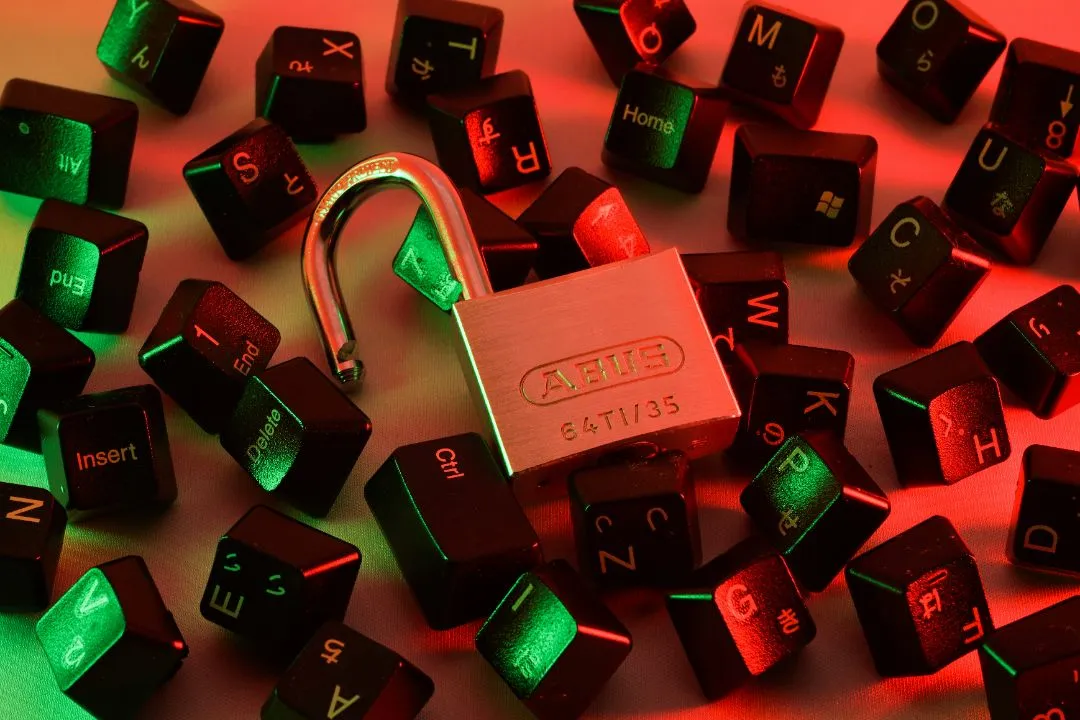
Photo by Daniel Bernard on Unsplash


Suspended pending review

The acquisition deal between Binance and South Korean crypto trading platform Gopax has hit a roadblock as a direct consequence of the lawsuit. The Financial Services Commission (FSC), the financial watchdog in South Korea, has put the acquisition on hold as it reviews the situation.

Binance had acquired a majority stake in Gopax in February, with plans to re-enter the South Korean crypto market after a two-year absence. Gopax is a top five cryptocurrency exchange in South Korea, alongside Upbit, Bithumb, Coinone, and Korbit. However, according to a report by local news media, the FSC has suspended Gopax’s executive change report filed on Tuesday in light of the SEC lawsuit. The report outlined the nomination of three Binance members, including Leon Singh Poong, as inside directors of Gopax.

The FSC cited the allegations of securities law violations against Binance and the SEC’s request to freeze Binance.US assets as the reasons for its cautious approach.


Gopax revival

The significance of Binance’s acquisition of Gopax goes beyond its re-entry into the South Korean market. It also aimed to revive the struggling local crypto trading platform. In November 2022, Gopax faced challenges when it suspended withdrawals of principal and interest payments from its decentralized finance service, GoFi, following the collapse of the Bahamas-based FTX crypto exchange and the bankruptcy of Genesis, a US digital assets financial services firm.

Digital Currency Group, the parent company of Genesis, was reportedly the second-largest shareholder of Gopax and a key business partner providing the GoFi product. Binance’s acquisition deal intended to inject new capital into Gopax to facilitate customer withdrawals and interest payments for GoFi.

The SEC lawsuit against Binance alleges the exchange’s commingling of customers’ funds and violations of various securities laws. The SEC has filed 13 charges against Binance, its subsidiaries, and its CEO, Changpeng Zhao.


Acquisition strategy

Binance appears to have been pursuing an acquisition strategy in attempting to carve out a greater market share in Asian markets. Binance entered the Japanese market via acquisition in November 2022 when it purchased local crypto platform, Sakura Exchange BitCoin. At the end of last month, Binance announced that it was rebranding the business as Binance Japan and launching it as a stand alone bespoke platform dedicated to the Japanese market.

In Thailand, the global crypto exchange has varied its approach, entering into a joint venture rather than a full acquisition. It has partnered with Gulf Innova, with the new entity, Gulf Binance, recently having been awarded a trading license by the Thai regulator.

The outcome of the SEC lawsuit and its impact on Binance’s operations in South Korea remains uncertain. The FSC’s review process will consider the allegations against Binance and the implications of the SEC’s actions before making a decision on the Gopax acquisition. The crypto industry will closely monitor the developments as they unfold, as no doubt the saga will have broader implications for Binance and its expansion plans.

More to Read
View All
Policy & Regulation·

Jul 04, 2023

Singapore Looks to Prohibit Crypto Lending and Staking

Singapore Looks to Prohibit Crypto Lending and StakingIn a move to bolster investor protection and maintain financial stability, the Monetary Authority of Singapore (MAS) is introducing new guidelines for cryptocurrency platforms operating in the country.Details of the measures were published by MAS on Monday. According to its statement, the measures “will mitigate the risk of loss or misuse of customers’ assets, and facilitate the recovery of customers’ assets in the event of a DPT [Digital Payment Token] service provider’s insolvency.”The proposed guidelines outline several key measures. One such measure is the daily reconciliation of customer assets, which will help prevent discrepancies and safeguard against potential losses.Photo by Hu Chen on UnsplashHolding assets in trustAdditionally, the custody function, responsible for holding and safeguarding client assets, will be operationally separated from other business divisions to minimize the risk of mismanagement or unauthorized use. By the end of this year, it’s understood that crypto platforms will be required to store client assets in trust accounts, ensuring enhanced security and accountability.DisclosuresFurthermore, licensed cryptocurrency service providers will be mandated to provide explicit disclosures to customers, clearly outlining the risks associated with holding and trading digital payment tokens (DPTs). Recognizing the speculative nature of digital token trading, the MAS acknowledges that regulations alone cannot fully protect consumers from potential losses.To further protect retail investors, the MAS intends to prohibit cryptocurrency service providers from facilitating lending or staking activities. Lending and staking, where digital tokens are loaned or pledged to earn profits, are considered unsuitable for the general public due to their complex and high-risk nature.These measures come as part of Singapore’s efforts to strengthen its regulatory environment for digital assets. The consultation process began last year, following the collapse of FTX, a cryptocurrency exchange.Singaporeans suffered disproportionately with the collapse of FTX as previously, MAS had banned global crypto exchange Binance from operating within the city-state. That led to Singapore having more FTX customers than many other world regions. To compound matters, state-owned global investment firm Temasek, was an investor in the fraudulent crypto exchange.MAS had called for feedback and proposals, with a focus on enhancing investor safeguards and promoting responsible trading practices. While the regulations aim to provide a safer environment for investors, the MAS also emphasizes the importance of individuals exercising caution when engaging in digital token trading.Contrasting approachesWhile Singapore is taking steps to tighten regulations, other cities like Hong Kong are adopting a more inclusive approach to the crypto industry. Hong Kong Legislative Council member Johnny Ng has voiced support for the local crypto business and has encouraged prominent exchanges like Coinbase to establish operations in the territory, aiming to foster greater engagement and growth within the sector.As the crypto industry continues to evolve, regulatory frameworks play a crucial role in ensuring investor protection and maintaining market integrity. Singapore’s proactive approach to strengthening its regulatory environment reflects its commitment to striking a balance between fostering innovation and safeguarding the interests of investors.

news
Web3 & Enterprise·

Oct 06, 2023

Wemade Partners with Katnappe to Bring Arcade Game to Blockchain Platform

Wemade Partners with Katnappe to Bring Arcade Game to Blockchain PlatformSouth Korean blockchain game developer Wemade has entered into a partnership with Katnappe sp. z o.o. to introduce Hoomeez, a multiplayer casual arcade game from the Poland-based indie game publisher, onto Wemade’s blockchain gaming platform, WEMIX PLAY.Hoomeez has been developed by Sourena Games Studio and is made accessible to players worldwide through Katnappe, which was established in 2008.Photo by Shubham Dhage on UnsplashAddition of casual gamesThanks to this partnership between these two entities, users of WEMIX PLAY will now have the opportunity to engage in casual games like racing, ball games, hazard elimination, and coin collection, using cartoon avatar Hoomie, and compete with friends from around the world.Through collaborations with game companies across North America, Europe, and Asia, Wemade has been strengthening the competitiveness of WEMIX PLAY, and its commitment extends to acquiring a broader range of games encompassing various genres.Omnichain network developmentWemade’s global collaborations extend beyond the realm of gaming and encompass the development of the Web3 ecosystem. Recently, Wemade’s WEMIX Foundation forged a strategic partnership with oracle solutions provider Chainlink Labs in order to establish an omnichain network named the Unbound Networking and Accelerating Growth Initiative (Unagi). Blockchain oracles allow developers to bring data from off-chain sources onto the blockchain.In this collaborative effort, the two companies will implement the Chainlink Cross-Chain Interoperability Protocol (CCIP) into Unagi’s core engine, unagi(x). The integration of CCIP will facilitate the creation of a decentralized omnichain messaging protocol, enhancing the ability to conduct swift and secure transactions between on-chain and off-chain systems.Furthermore, Chainlink Labs will become the inaugural member of the Certified Organizations for Unagi Round Table (COURT), a group dedicated to advancing technological research and development with the aim of nurturing a sustainable omnichain ecosystem.Leveraging the support of Unagi, the WEMIX Foundation is working towards connecting diverse blockchains to construct an extensive Web3 ecosystem. Additionally, the foundation is committed to an ongoing recruitment drive for global partners, seeking to expand the ranks of COURT members in pursuit of technological innovation.Sergey Nazarov, the co-founder of Chainlink Labs, shared his excitement about collaborating with Wemade to further the widespread adoption of Web3 games. He mentioned that Chainlink’s CCIP will open new horizons for unagi(x) in the blockchain sphere and help it secure interoperability between different blockchain networks.Henry Chang, CEO of Wemade, resonated with this perspective. He emphasized that their partnership stems from a mutual goal of advancing technological innovation and shaping the blockchain’s future. Chang expressed that Chainlink’s CCIP will bolster the Korean company’s efforts in enhancing its user-centric Web3 gaming platform.

news
Markets·

Nov 28, 2025

Upbit suffers $30M breach, overshadowing Dunamu’s major merger announcement

South Korea’s largest crypto exchange, Upbit, suffered a security breach on Nov. 27 that resulted in the theft of 44.5 billion won ($30.4 million) in digital assets, all taken from the exchange’s hot wallets. The stolen tokens were all Solana-based, and Upbit CEO Oh Kyoung-suk said in a statement that no users will incur losses, as the company will cover the full amount with its own reserves.Photo by FlyD on UnsplashHot-wallet breach hits 24 tokensThe exchange said in a statement that the compromised tokens were transferred to an unknown external wallet at around 7:42 p.m. UTC on Nov. 26. In total, 24 cryptocurrencies were affected, all within the Solana ecosystem. The stolen assets ranged from infrastructure tokens such as Solana (SOL) to staking-related assets like Jito (JTO), along with the stablecoin USD Coin (USDC) and memecoins including Bonk (BONK), Moodeng (MOODENG), and Official Trump (TRUMP). According to Oh, the breach was followed by an emergency security review of the affected networks and wallets. He added that all remaining assets were moved to cold storage to prevent further unauthorized transfers. Oh also said the exchange is working to trace the stolen assets and block on-chain movements wherever possible, noting that Solayer (LAYER) tokens worth 2.3 billion won ($1.6 million) have already been frozen. Upbit is also reaching out to relevant projects and institutions for assistance. This marks Upbit’s second theft case. The first took place on Nov. 27, 2019, exactly six years ago to the day, according to News1. Authorities focus on Lazarus’ involvementFinancial authorities are investigating the incident, and North Korea’s Lazarus Group is being treated as the leading suspect, the Maeil Business Newspaper reported. Lazarus is also believed to have been behind the 58 billion won ($40 million) worth of Ethereum (ETH) stolen from Upbit in 2019. A government official told the paper that the latest breach did not appear to stem from a server intrusion but may have involved a stolen administrator account, allowing the attackers to impersonate internal staff and move assets—similar to the method used in the 2019 case. Security analysts echoed that assessment. One investigator said the stolen funds moved through exchange wallets before being mixed, a pattern often linked to Lazarus. He added that mixers, which are prohibited in Financial Action Task Force (FATF)-member jurisdictions, make tracing difficult and that attackers typically route assets through countries outside that framework, further pointing to North Korea. Following the incident, Upbit suspended deposits and withdrawals for all assets and said services will resume once security is fully verified. The halt has also affected trading dynamics on the exchange, with CryptoQuant CEO Ki Young Ju noting that retail investors are fueling altcoin spikes as arbitrage bots remain offline. Dunamu, Naver set $6.8B growth planThe security crisis struck at a particularly sensitive moment for Upbit’s operator, Dunamu, overshadowing what was intended to be a celebratory corporate milestone. On that same day, Dunamu, Naver, and Naver Financial held a joint press conference to outline their global expansion strategy. Dunamu brings its blockchain and crypto infrastructure, Naver contributes its position as Korea’s dominant search engine, and Naver Financial adds its payment platform serving 34 million users. The event came after reports that Naver Financial and Dunamu had approved a merger plan through a comprehensive share swap, with the ratio set at 2.54 to 1. The three companies said they will combine their respective strengths to invest 10 trillion won ($6.8 billion) over the next five years in building an ecosystem centered on Web3 and artificial intelligence (AI).During the press conference, Naver CEO Choi Soo-yeon said no decisions have been made on a Nasdaq listing for the newly combined Naver Financial–Dunamu entity or on whether it might eventually merge with Naver, according to TechM. She said dual listings remain a matter requiring national consensus. Choi also noted that while Naver Financial is a Naver subsidiary, Dunamu is the larger partner, and a later merger between the combined entity and Naver is unlikely.

news
Loading