Top

China and Singapore collaborate on cross-border digital yuan transactions

Policy & Regulation·December 12, 2023, 1:07 AM

Taking yet another stride toward globalizing the e-CNY currency, China’s central bank has unveiled a pilot program in collaboration with its Singaporean counterpart, enabling tourists from both countries to use the digital yuan for transactions when traveling.
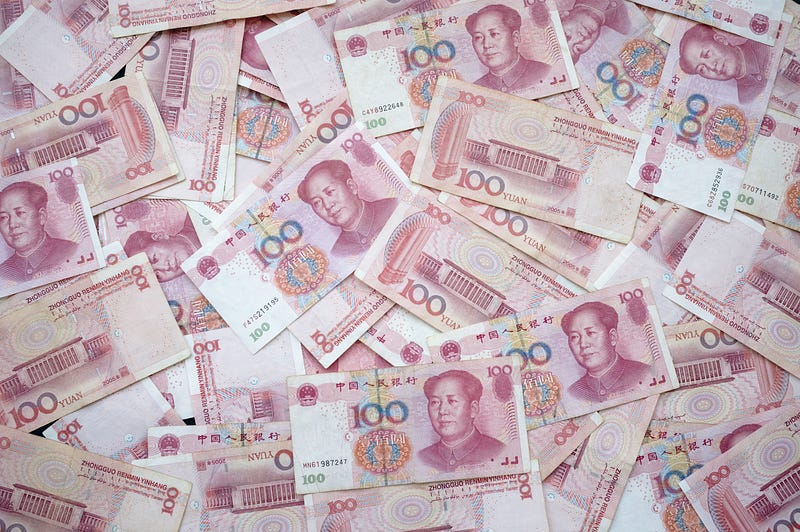
Photo by Eric Prouzet on Unsplash


Series of initiatives

This move is part of a series of initiatives unveiled by the two governments during a Joint Council for Bilateral Cooperation event which was held in Tianjin, China, last week. Among the announced measures is a mutual 30-day visa-free travel arrangement, one of 24 deals signed to strengthen bilateral ties between China and Singapore.

The Monetary Authority of Singapore (MAS) disclosed in a statement that it had collaborated with the Digital Currency Institute of the People’s Bank of China (PBOC) for this initiative. The program aims to facilitate the use of the digital version of the Chinese currency for tourist spending, enhancing convenience for travelers during their overseas trips. While specific details about the scheme were not disclosed, it represents a collaborative effort to promote cross-border transactions using the digital yuan.


Internationalizing the digital yuan

In its reporting on the announcement, the South China Morning Post (SCMP) pointed to the views of Richard Turrin, an independent financial technology consultant and author of “Cashless: China’s Digital Currency Revolution.” Turrin sees the digital yuan collaboration as a promising opportunity for cross-border retail use. He suggests that starting with small transactions, such as those by tourists, could pave the way for broader applications in trade and other high-value scenarios.

In an editorial back in November, the SCMP referred to the birth of the Petro-Yuan, speculating that the era of the Petro-Dollar is coming to an end. “In a global political economy long dominated by the petrodollar, this could be the beginning of a seismic shift,” the editorial stated. The internationalization of the e-CNY will likely be a key aspect of that overall monetary sea change.


Over 5 years in development

China initiated digital yuan testing in 2019, and although an official launch timetable has not been confirmed, adoption has accelerated recently. Former PBOC governor Yi Gang reported that total e-CNY transactions reached 950 million yuan ($133 million) in June, with a cumulative value of 1.8 trillion yuan compared to 100 billion yuan in August 2022. This indicates a substantial increase in digital yuan transactions.

The momentum extends beyond mainland China, with Beijing exploring CBDC usage internationally. The mBridge trial, completed last year, involved multiple countries using central bank digital currencies to settle trades, including Hong Kong, Thailand and the United Arab Emirates.

In June, authorities in China’s resort city of Sanya introduced e-CNY ATMs so that foreign visitors could buy the digital yuan and use it during their time in China. Another initiative aims to encourage further use of the digital currency within the Chinese autonomous territory of Hong Kong. In July, the Hong Kong arm of the Bank of China rolled out a digital yuan shopping festival in Hong Kong, allowing visitors to Hong Kong from mainland China to make purchases using the digital yuan.


More to Read
View All
Markets·

Dec 06, 2023

Phoenix rises 50% on ADX debut

Phoenix rises 50% on ADX debutDubai-headquartered crypto mining firm Phoenix has debuted on its Abu Dhabi Securities Exchange (ADX). The mining equipment hardware retailer witnessed a 50% surge in its share price following a successful initial public offering (IPO) that raked in $371 million.Photo by Marios Gkortsilas on UnsplashFortuitous IPO schedulingIt emerged last week that the company had adjusted its ADX IPO launch date from Monday to Tuesday to account for the holiday schedule in the United Arab Emirates (UAE) and to “ensure comprehensive participation in the IPO.”That adjustment may have been significant in garnering the level of participation that transpired. Bitcoin and to a lesser extent, the broader crypto market, surged to levels not seen since early 2022. From a low of $876 billion on June 15, 2022, overall crypto market capitalization currently stands at $1.6 trillion.With the Bitcoin unit price having exceeded the $42,000 level on Monday for a time, it’s likely that news of a crypto market resurgence would have aided Phoenix Group’s IPO success on Tuesday morning. In trading on Monday, publicly quoted bitcoin miners such as Riot Platforms, Marathon Digital and CleanSpark had recorded share price gains of between 8 and 11% on the Nasdaq in the United States.Surpassing expectationsTuesday’s trading surpassed the expectations of even the most optimistic analysts, with shares opening at 2.25 dirhams and marking a 50% increase from the IPO price of 1.50 dirhams. The ADX, chosen as the platform for Phoenix’s IPO, was strategically selected due to its alignment with the company’s dynamic vision and the rapidly expanding financial market it offers.The overwhelming response from investors resulted in a 33-times oversubscribed offering, translating into orders totaling $12 billion. The retail portion of the offering experienced an even more astonishing over-subscription rate of 180x.Munaf Ali, Co-Founder & Group MD of Phoenix, sees this milestone not merely as a listing event but as a profound declaration of the Middle East’s ascendance in the global tech and blockchain landscape. He attributes the success of Phoenix’s debut to a burgeoning appetite for financial innovations in the Middle East, underscoring the growing interest in exposure to the cryptocurrency sector among investors in the region.Mining to AI pivotPhoenix’s debut on the ADX occurs at a time when other publicly listed companies in the cryptocurrency sector are reorienting their focus from mining digital currencies to supporting the computational needs of the artificial intelligence (AI) industry. In 2022, the sector generated revenues of $6 billion, a slight dip from the record-breaking year of 2021.Industry analysts, including JPMorgan, posit that the high-performance computing (HPC) sector in AI could prove more profitable than Bitcoin mining. This strategic shift is evident in the rebranding of well-known Bitcoin mining entities such as Riot Blockchain (now Riot Platform) and Hive Blockchain Technologies (now Hive Digital Technologies), emphasizing their diversification efforts.Phoenix, acknowledging the potential of the AI-focused sector, believes it could complement its existing operations and contribute to future growth, aligning with JPMorgan’s forecasts regarding the profitability of HPC in the AI industry.

news
Policy & Regulation·

Jul 02, 2025

Malaysian regulator seeks feedback on crypto framework enhancements

The Securities Commission Malaysia (SC), the statutory body tasked with regulating and developing capital markets within the Southeast Asian nation, has published a consultation paper in an effort to garner public feedback on potential enhancements to its crypto regulatory framework. In a press release published to its website on June 30, the SC claimed that its proposals seek “to enhance competitiveness of Malaysia’s regulated digital asset market, improve investor protection and strengthen the resilience and integrity of [Digital Asset Exchange] operators.”Photo by Vlad Shapochnikov on UnsplashEasing listing requirementsIn the event that the proposals are adopted, one key change would see a liberalization of the listing requirements for digital assets. Where certain key eligibility criteria have been met, the regulator would allow the listing of digital assets on digital asset exchanges without prior SC approval. The regulator stated that it wants to make this change in order to speed up the time taken to get digital assets to market as they emerge. By setting out additional criteria, there will be greater exchange operator accountability. Exchange operators would bear responsibility for listing tokens in compliance with the requirements set out by the regulator.  Assets could only be listed once those assets and the underlying protocol and network had undergone security audits which had been carried out by an independent and qualified blockchain security auditor, with the audit results made public.  For the purposes of the “Liberalised Listing Framework,” the asset must have been trading on a Financial Action Task Force (FATF)-compliant virtual asset service provider (VASP) platform for a minimum of one year. The regulator believes that easing the listing requirements will result in a broader digital asset product offering being made available in Malaysia. Last month, Thailand’s Securities and Exchange Commission (SEC) started a public consultation process aimed at revising token listing rules. Coin listing processes have also come under scrutiny from the authorities in South Korea recently. Segregating client assetsAmong the proposals is a plan to oblige exchange platforms to properly segregate client assets from operational funds and assets held by the exchange business. In recent years, many failed crypto exchange platforms, most notably FTX, got into difficulty by co-mingling customer funds with operational funds. Furthermore, the regulator doesn’t want any cross-over of assets between the local exchange operator and any overseas affiliate companies it may have.The SC stated that it is cognizant of recent global exchange failures, which has led it towards further enhancing crypto exchange operational governance and controls. It suggests that only 10% of client assets should be held by a Malaysian exchange in hot wallets, with the remaining 90% held in cold or offline wallets. The SC said that it welcomes feedback from members of the various stakeholder groups on the proposals outlined. The public consultation period runs from June 30 through Aug. 11.  Malaysia is expected to have 4.74 million crypto users by 2026. That would equate to 13% of Malaysians using crypto by then.

news
Web3 & Enterprise·

Jan 09, 2024

1st-Generation partners with Tapbit to venture into global blockchain market

1st-Generation, a leading firm in the blockchain sector based in Daegu, South Korea, has signed a memorandum of understanding (MOU) with global cryptocurrency exchange Tapbit, according to an article published by South Korean news outlet Tokenpost on Tuesday (KST). Through this MOU, 1st-Generation expects to further accelerate its growth through active participation and advancement into the global blockchain industry.Photo by Chris Liverani on Unsplash"As the global blockchain industry continues to grow at a rapid pace, we aim to create an ecosystem where we can make a positive impact through cooperation," said Lee Jun-hyuk, CEO of 1st-Generation. Pioneering the future of blockchainWith its advanced technology and outstanding expertise in the blockchain field, 1st-Generation has registered with the Financial Supervisory Service (FSS) under the name "1st Generation Group". The company is focused on providing innovative solutions globally, effectively utilizing blockchain technology based on advanced IT experience. Tapbit’s statisticsFounded in 2021, Tapbit is a global exchange with a user base that exceeds six million users worldwide. In particular, it is currently ranked 38th on CoinMarketCap’s top cryptocurrency derivatives exchange list with a 24-hour derivative trading volume of about $8 billion as of this writing. In addition, it is also working on creating crypto Travel Rule solutions through cooperation with domestic exchanges.

news
Loading