Top

Chinese authorities provide insight into conviction of RenrenBit founder

Policy & Regulation·January 02, 2024, 1:36 AM

China has provided insights into the conviction of Zhao Dong, the influential crypto over-the-counter (OTC) trader and widely known founder of the RenrenBit crypto trading desk.


The ‘OTC King’

Last Wednesday, China’s Supreme Procuratorate disclosed that Zhao, known as the "OTC King," was handed down a substantial prison sentence for engaging in illegal foreign exchange and crypto business operations. The case is emblematic of China's persistent efforts to clamp down on cryptocurrency trading, even when conducted through less transparent channels like OTC desks, private chat groups and stablecoins.

https://asset.coinness.com/en/news/21ec37443d541eb6e556015344b4ec8d.jpg
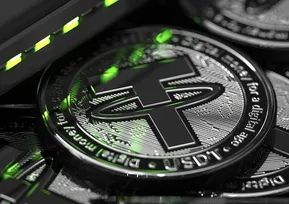
Photo by Hanson Lu on Unsplash

Tracing funds

In their comprehensive disclosure, the Chinese authorities outlined the meticulous investigation that led to Zhao Dong's conviction. The focus was on tracing fund movements across Chinese bank accounts, overseas cash pools and the circulation of Tether and Bitcoin. Investigators honed in on accounts associated with Zhao Dong and the chat groups used for trading activities. Their arsenal included detailed bank records, WeChat conversations, testimonies from Zhao's OTC agents and other documentary evidence.


The report highlighted that all defendants, including Zhao Dong, confessed to the process of collecting dirhams in cash in Dubai, paying RMB to the other party's designated account, buying Tether with dirhams, and allowing the domestic gang to illegally sell it back for RMB.


Seven year sentence

In one of the alleged schemes, Zhao Dong purportedly orchestrated crypto-fiat trades between Dubai-based entities holding cash piles in United Arab Emirates (UAE) dirhams and Chinese contacts within the country. With numerous related recipients confirming that the funds Zhao received were payments from foreigners, the prosecution's case was made so much stronger.


Zhao unsuccessfully argued during three public court hearings that his actions constituted digital currency transactions and not a breach of foreign exchange laws. The prosecution countered with evidence from the group's chat records, emphasizing the nature of foreign exchange in their dealings. The court ultimately rendered a verdict, sentencing Zhao Dong to seven years in prison and imposing a 2.3 million Chinese yuan ($325,000) fine.


This conviction serves as a stark reminder of the stringent regulatory stance that China has adopted towards cryptocurrency trading. Zhao Dong was considered one of China's most influential OTC crypto traders. He was a Bitfinex shareholder and founder of the D Fund venture capital fund. He established RenrenBit in August 2018, incorporating the company in Singapore.


The influential crypto trader is also believed to have been involved in assisting stablecoin-issuer Tether to launch its Tether Yuan product. However, once the authorities moved against him, RenrenBit was taken offline while Tether scrapped its pursuit of Tether Yuan. Despite his influence, Zhao has ultimately become a symbol of the government's commitment to curbing such crypto trading activities within mainland China.


The outcome underscores the severity of China's regulatory crackdown on cryptocurrency trading and sends a strong message to other players in the crypto space within the country.

More to Read
View All
Web3 & Enterprise·

Nov 22, 2023

Coins.ph partners with Paxos to further PYUSD adoption

Coins.ph partners with Paxos to further PYUSD adoptionCoins.ph, the Philippines’ leading cryptocurrency exchange, has forged a strategic alliance with Paxos Trust Company, a New York-based institution specializing in blockchain, aiming to propel the adoption of PayPal USD (PYUSD) for seamless cross-border remittances.Photo by C Bueza on UnsplashTargeting fourth largest remittance marketThe Southeast Asian firm outlined details of the partnership via a blog post published to its website on Tuesday. The integration of PYUSD into Coins.ph marks a significant milestone, providing Filipinos with a secure and convenient avenue for transferring funds across borders to their loved ones. Wei Zhou, CEO of Coins.ph, emphasized the foresight in prioritizing the growth of USD stablecoins, particularly PYUSD, acknowledging the Philippines as the fourth largest remittance-receiving country globally, with over 40% of these remittances originating from the United States. Zhou stated:“With PayPal behind it and its availability on platforms such as Venmo and Xoom, PYUSD is set to become one of the most widely used stablecoins in the world.”PYUSD is a U.S. dollar stablecoin promoted by American multinational payment system PayPal and issued by Paxos.Nick Robnett, Senior Director of Customer Success at Paxos, echoed Zhou’s sentiment, stating that PYUSD stands as the safest dollar-backed stablecoin accessible to global institutions and consumers. This regulated digital asset enables Coins.ph users to send U.S. dollars swiftly and affordably, challenging conventional remittance networks and providing enhanced access and economic freedom.Asian expansionThis latest collaboration in the Philippines comes hot on the heels of similar in-roads made elsewhere in Southeast Asia. In Singapore, Paxos has partnered with Crypto.com, an entity that is headquartered in the city-state. The local regulator, the Monetary Authority of Singapore (MAS), had outlined a new regulatory framework for stablecoins in August, making conditions right for Paxos to further develop its PYUSD offering from that location.It got a further boost last week when MAS awarded its local subsidiary, Paxos Digital Singapore Pte. Ltd., in-principle approval to trade within Singapore. The relatively new stablecoin has already been listed on international crypto exchanges such as Bitstamp, Coinbase and Kraken.Philippine potentialThe Philippines is shaping up to have a lot of potential for Paxos and its PYUSD stablecoin. The country has been working on the publication of a regulatory framework for crypto. Coins.ph Head of Legal Compliance, Robert De Guzman, stated in April that the Southeast Asian country was shaping a progressive crypto regulatory framework. Earlier this year, Donald Lim, the Founder of the Blockchain Council of the Philippines (BCP), said that the country was poised for crypto adoption.For users keen on employing PYUSD for remittances, the process is streamlined. Senders transmit PYUSD to the designated Coins.ph wallet address of recipients, from where easy conversion to the Philippine peso (PHP) on the app and subsequent cash-out becomes possible. This can be facilitated through InstaPay or PESONet fund transfers to banks and other e-wallets or through various supported over-the-counter remittance centers endorsed by Coins.ph.

news
Web3 & Enterprise·

Jun 27, 2023

Algorand Foundation and DWF Labs Partner for Ecosystem Growth

Algorand Foundation and DWF Labs Partner for Ecosystem GrowthThe Algorand Foundation has joined forces with DWF Labs, a global digital asset market maker and Web3 investment firm, in a strategic partnership aimed at accelerating the growth of the Algorand ecosystem.An announcement of the collaboration was made on Monday, with the expectation that it will provide more opportunities for developers, businesses, and the wider blockchain community where the Algorand layer one blockchain is concerned.Photo by Shubham Dhage on Unsplash$50M token purchaseDWF Labs has committed to purchasing $50 million worth of $ALGO tokens, the native cryptocurrency of the Algorand network. This infusion of funds will enhance liquidity within the Algorand ecosystem, bolstering stability and growth.Beyond the token purchase, the partnership is reinforced by a memorandum of understanding (MOU), establishing a comprehensive funding framework to support projects built on the Algorand blockchain. This commitment will foster innovation across various sectors such as decentralized finance (DeFi), art and music, gaming, oracles and bridges, and infrastructure.Ecosystem collaborationsWeb3 investment firms like DWF Labs play a pivotal role in accelerating the growth of blockchain ecosystems. By investing in startups and projects that complement existing blockchain platforms, DWF Labs creates synergies that drive growth.It’s not the first time that DWF Labs has collaborated with blockchain network ecosystem projects. Earlier this month, the firm announced a deal with the project team behind layer one blockchain TRON, that will see it become a liquidity provider to that TRON network.In April, DWF entered into a partnership with the EOS Network Foundation (ENF) which included a $45 million $EOS token purchase agreement, with a further $15 million allocated towards investment into EOS ecosystem projects.Andrei Grachev, Managing Partner of DWF Labs, expressed enthusiasm for the partnership, highlighting Algorand’s technological superiority, security, and commitment to environmental sustainability and social impact.Through funding and strategic collaboration, DWF Labs will support the creation of diverse applications, services, and solutions within the Algorand ecosystem. This will foster the ALGO network effect, attracting more users and driving further growth.Algorand network stability and growthThe Algorand Foundation and DWF Labs partnership aligns with ongoing efforts to drive blockchain network adoption. Algorand’s platform offers scalability and security, while DWF Labs’ expertise and financial support will propel the ecosystem’s growth and adoption.The Algorand network is a proof of stake (PoS)-based blockchain network. It aims to accelerate the convergence between existing TradFi and emerging decentralized networks and technologies.The $50 million investment in ALGO tokens injects liquidity into the ecosystem, promoting stability and facilitating economic activities. The partnership’s funding framework ensures that projects built on Algorand receive the necessary resources.Collaborations like this drive blockchain adoption and development. The Algorand Foundation and DWF Labs share a vision of innovation and collaboration, fostering a thriving ecosystem.As the blockchain industry expands, strategic alliances play a crucial role in accelerating innovation and establishing interconnected ecosystems. The collective efforts of the Algorand Foundation and DWF Labs contribute to blockchain’s advancement, leading towards a decentralized future with transparency and inclusivity.

news
Policy & Regulation·

Dec 20, 2023

Tether fueling Cambodia’s dark economy despite ban

Tether fueling Cambodia’s dark economy despite banDespite being officially prohibited for trade in Cambodia, Tether (USDT), the leading USD stablecoin, has been found to be integrated into the Southeast Asian nation’s shadow economy.That’s according to a report published by the South China Morning Post (SCMP) on Sunday. The publication cites security experts, who it claims have highlighted the pivotal role of USDT, emphasizing its low fees and unrestricted capability to expedite the movement, concealment and laundering of money.Photo by DrawKit Illustrations on UnsplashPig butcheringThe U.S. Department of Justice’s November seizure of nearly $9 million traced to over 70 victims of online scams underscored Tether’s involvement. Collaborating with Tether Holdings and the crypto trading platform OKX, the investigation identified assets linked to “pig butchering” cyber scams in Southeast Asia, freezing an additional $225 million. While specific details regarding the origin of these assets remained undisclosed, Southeast Asia, including Cambodia, has emerged as a hub for money laundering related to online gaming and cyber scams.Cybersecurity expert Ngo Minh Hieu from the Vietnamese government’s National Cyber Security Centre warned of the susceptibility of cryptocurrencies to scams and Ponzi schemes, particularly targeting less informed investors. This heightened risk has spurred a surge in money laundering and online scams, leading to a spike in arrests.Official line versus realityIn many jurisdictions, the official line taken on cryptocurrency and digital assets doesn’t necessarily reflect the reality. China clamped down on crypto trading and mining a number of years ago. Despite that, a Wall Street Journal investigation earlier this year found that global crypto exchange Binance had a thriving China-centric business.The same seems to be true in Cambodia with respect to its official ban on crypto. Owners of both physical and online crypto exchanges in Phnom Penh openly admit to providing a parallel financial service in the developing economy. The prevalence of neon signs advertising exchange rates in Chinese yuan for USDT underscores the widespread usage of Tether in the region, particularly within Cambodia’s dark economy.Critics chime inNews of the illicit use of Tether in Cambodia has prompted a response from long-standing critics of the company. Tether’s harshest critic has been a pseudo-anonymous persona on the X platform with the username “Bitfinex’ed.” That account wrote:”Tether. The choice for organized crime & criminals. Giancarlo Devasini once said, ‘We’re going to have to learn to bank like criminals.’”Despite its role in facilitating illicit activities, the extent of Tether’s penetration into Cambodia’s economy remains challenging to ascertain. Globally, approximately 84 billion USDT is in circulation, with banks, exchanges and platforms flourishing, leveraging social media and encrypted channels to advertise seamless and reliable digital solutions for money flow challenges.One such platform, Huione Pay, operates in a bank-like setting, engaging customers in discussions about USDT exchange options. A closer look at Huione’s publicly available USDT exchange activities reveals insights into Tether’s role in enabling transactions within Cambodia.Some conversations in Chinese seek “pure white assets,” indicating funds from legitimate sources, while others do not request such provenance. These exchanges also advertise products and services crucial to scam operators, such as the sale of SIM cards from different countries.

news
Loading