Top

United Nations report cites popularity of USDT for fraud in Southeast Asia

Policy & Regulation·January 16, 2024, 7:13 AM

USDT, the leading U.S. dollar stablecoin issued by Tether, has been highlighted as a major conduit for money laundering and scams in Southeast Asia, according to a United Nations report released on Monday.

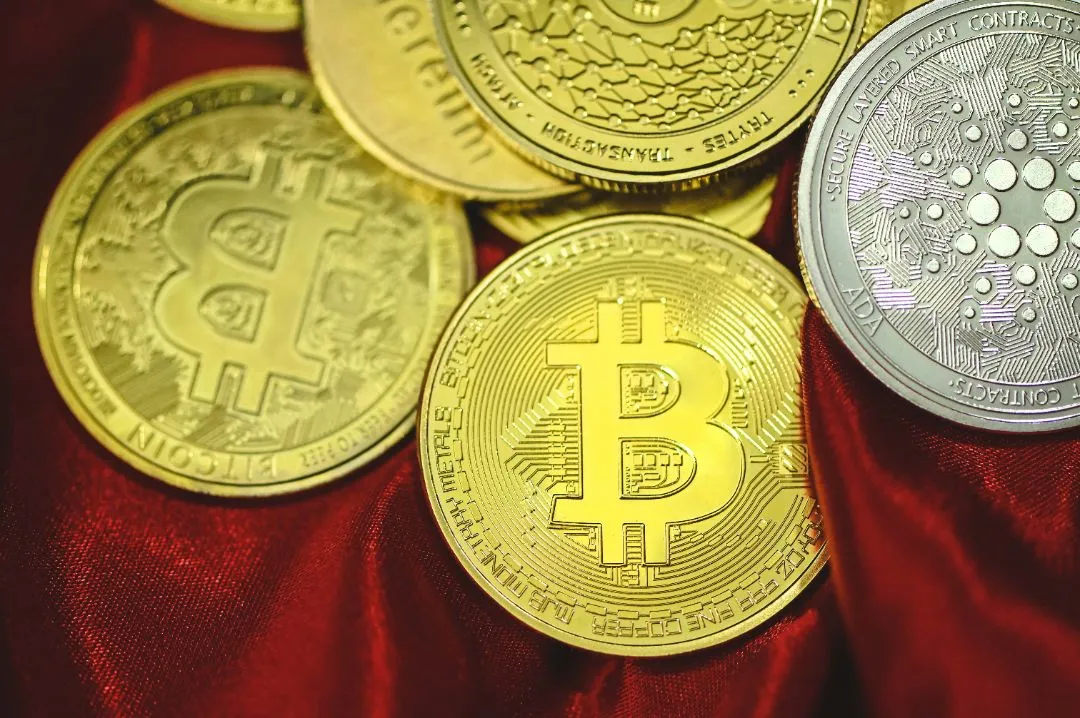
https://asset.coinness.com/en/news/84663d44b651855dce5794a5d64c40c6.webp
Photo by Mathias Reding on Unsplash

Illicit stablecoin use

The report has been titled “Casinos, Money Laundering, Underground Banking, and Transnational Organized Crime in East and Southeast Asia: A Hidden and Accelerating Threat.” It points out that online gambling platforms, particularly those operating illicitly, are among the favored channels for cryptocurrency-based money launderers, with a notable emphasis on the use of Tether or USDT.


In a foreword to the report, Jeremy Douglas, the UN’s Regional Representative for Southeast Asia and the Pacific, noted that technology had aided crime networks in Asia, and in particular, the Mekong Delta region. Developing upon that idea, he added:

”This has necessitated a revolution in the regional underground banking architecture, resulting in the development of systems and infrastructure capable of moving and laundering massive volumes of state-backed fiat and cryptocurrencies.”

The report itself asserts that illegal and under-regulated crypto exchanges have become “foundational pieces of the banking architecture used by organized crime.”


The document highlights law enforcement efforts in disrupting multiple money laundering networks linked to the illicit transfer of Tether funds. Last August, Singaporean authorities dismantled a network through an operation, recovering approximately $735 million in both cash and cryptocurrency.


‘Pig butchering’

The UN report further suggests that USDT has been extensively employed in various underground fraud activities, including so-called "pig butchering" romantic scams. Last November, Tether froze $225 million in stolen USDT following investigations by Tether in collaboration with crypto exchange OKX and the U.S. Department of Justice.


The money had been held in self-custodied wallets associated with an international human trafficking group in Southeast Asia orchestrating a pig-butchering scam.


In December, Tether CEO Paolo Ardoino informed U.S. legislators in a shared letter that the company has enlisted the U.S. Secret Service and Federal Bureau of Investigation onto its platform.


Later that month, the Chinese authorities uncovered a massive underground banking operation that was designed to evade the country’s foreign exchange controls. There was more related activity in December when it emerged that USDT has been integrated into the shadow economy in Cambodia, against a backdrop of the currency being prohibited for the purpose of trade within the Southeast Asian country.


TRM Labs report

In July of last year, a report by blockchain analytics firm TRM Labs, found that pro-ISIS terrorist groups in Central and Southeast Asia and the Middle East are increasingly using cryptocurrency, with a particular preference for USDT transacted over the Tron blockchain network.


The UN report cites the popularity of USDT among those engaged in cyber-fraud and online casino operations, located in Myanmar, along the border with Thailand.


Throughout 2023, Tether witnessed a notable expansion in its share of the global stablecoin supply, growing from 50% to 71%. At the time of writing, USDT has a market cap of $95 billion with stablecoins having an overall market capitalization of $134 billion.


The UN's findings raise concerns about the stablecoin's role in facilitating illicit activities and underscore the need for enhanced regulatory scrutiny within the rapidly evolving crypto landscape.

More to Read
View All
Web3 & Enterprise·

Nov 21, 2025

Grab joins hands with StraitsX to enable stablecoin retail payments across Asia

Grab, the Nasdaq-listed Southeast Asian superapp, has signed a strategic memorandum of understanding (MOU) with StraitsX, a Singapore-based stablecoin payment infrastructure provider, to develop Web3 wallets and a payment network powered by stablecoins. A Nov. 18 press release said Web3 wallets will be added to the Grab app, allowing merchants in Asia to accept stablecoin payments from local and overseas customers.Photo by Grab on UnsplashXSGD and XUSDUnder the partnership, Grab users may be able to hold and use stablecoins like XSGD and XUSD, which are pegged to the Singapore dollar and U.S. dollar respectively, and convert between fiat and other stablecoins in-app, provided they meet regulatory compliance requirements. Grab expects the integration to facilitate real-time cross-border settlement with transparent foreign-exchange rates, improving efficiency through faster, cheaper, and compliant transactions. The superapp operator seeks to create a single, interoperable Web3 payment framework that eliminates the need to switch between country- or method-specific systems. Merchants are expected to benefit from enhanced liquidity and capital management via programmable settlement features enabled by smart contracts and on-chain treasury tools. ASEAN’s regulatory gapsThis industry development comes amid growing interest in digital finance among intergovernmental organizations. In a blog post, Yasuto Watanabe, Director of the ASEAN+3 Macroeconomic Research Office (AMRO), noted the private sector’s growing involvement in stablecoins, outlining their advantages and risks. He said stablecoins offer greater accessibility and enable faster, cheaper transactions compared with traditional banking.  Stablecoins are widely used for remittances in Southeast Asia, particularly in the Philippines and Vietnam, and are also a common tool for small businesses engaged in cross-border trade. Watanabe also warned of risks such as anonymity-driven money laundering and capital control evasion. He also pointed to concerns that the rise of U.S. dollar–denominated stablecoins could undermine monetary sovereignty. In this context, the AMRO Director underscored the importance of the ASEAN+3 region addressing existing gaps through concerted action. 12M USDT seized in Thailand crackdownGovernment concerns are reflected in recent crypto-related crimes making headlines. In a recent case, Thai authorities, in coordination with the U.S. Secret Service, detained 73 individuals and confiscated assets valued at more than 522 million baht. About 400 million baht of that total was in USDT (12 million USDT). Tether said in an announcement that it supported law enforcement in the operation. The emergence of stablecoins is clearly transforming the traditional financial landscape. Companies are racing to harness new technologies, while regulators focus on combating illicit activity and strengthening consumer protections. As the sector evolves, new opportunities and risks will surface, and the balance between innovation and safety will be a key question moving forward. 

news
Policy & Regulation·

Jul 04, 2023

Singapore Looks to Prohibit Crypto Lending and Staking

Singapore Looks to Prohibit Crypto Lending and StakingIn a move to bolster investor protection and maintain financial stability, the Monetary Authority of Singapore (MAS) is introducing new guidelines for cryptocurrency platforms operating in the country.Details of the measures were published by MAS on Monday. According to its statement, the measures “will mitigate the risk of loss or misuse of customers’ assets, and facilitate the recovery of customers’ assets in the event of a DPT [Digital Payment Token] service provider’s insolvency.”The proposed guidelines outline several key measures. One such measure is the daily reconciliation of customer assets, which will help prevent discrepancies and safeguard against potential losses.Photo by Hu Chen on UnsplashHolding assets in trustAdditionally, the custody function, responsible for holding and safeguarding client assets, will be operationally separated from other business divisions to minimize the risk of mismanagement or unauthorized use. By the end of this year, it’s understood that crypto platforms will be required to store client assets in trust accounts, ensuring enhanced security and accountability.DisclosuresFurthermore, licensed cryptocurrency service providers will be mandated to provide explicit disclosures to customers, clearly outlining the risks associated with holding and trading digital payment tokens (DPTs). Recognizing the speculative nature of digital token trading, the MAS acknowledges that regulations alone cannot fully protect consumers from potential losses.To further protect retail investors, the MAS intends to prohibit cryptocurrency service providers from facilitating lending or staking activities. Lending and staking, where digital tokens are loaned or pledged to earn profits, are considered unsuitable for the general public due to their complex and high-risk nature.These measures come as part of Singapore’s efforts to strengthen its regulatory environment for digital assets. The consultation process began last year, following the collapse of FTX, a cryptocurrency exchange.Singaporeans suffered disproportionately with the collapse of FTX as previously, MAS had banned global crypto exchange Binance from operating within the city-state. That led to Singapore having more FTX customers than many other world regions. To compound matters, state-owned global investment firm Temasek, was an investor in the fraudulent crypto exchange.MAS had called for feedback and proposals, with a focus on enhancing investor safeguards and promoting responsible trading practices. While the regulations aim to provide a safer environment for investors, the MAS also emphasizes the importance of individuals exercising caution when engaging in digital token trading.Contrasting approachesWhile Singapore is taking steps to tighten regulations, other cities like Hong Kong are adopting a more inclusive approach to the crypto industry. Hong Kong Legislative Council member Johnny Ng has voiced support for the local crypto business and has encouraged prominent exchanges like Coinbase to establish operations in the territory, aiming to foster greater engagement and growth within the sector.As the crypto industry continues to evolve, regulatory frameworks play a crucial role in ensuring investor protection and maintaining market integrity. Singapore’s proactive approach to strengthening its regulatory environment reflects its commitment to striking a balance between fostering innovation and safeguarding the interests of investors.

news
Web3 & Enterprise·

Dec 14, 2023

NiceHash targets Asian market through EasyMining platform launch

NiceHash targets Asian market through EasyMining platform launchNiceHash, a Slovenian bitcoin mining and hashpower marketplace, has launched its crypto mining platform in Asia, known as EasyMining.Cloud-based crypto miningEstablished in 2014 by two Slovenian university students, NiceHash stands as the largest cloud-based crypto-mining hashpower marketplace globally. Boasting over 250,000 daily active miners and a user base spanning 190 countries, the platform serves as a link between hashing power suppliers and consumers, operating within the framework of the sharing economy.NiceHash published a press release from Singapore on Tuesday to announce the Asian product launch. The company has already established collaborations in the region, with Singaporean mining equipment designer iPollo appearing as a featured partner on the firm’s website.Photo by Traxer on UnsplashProduct offeringAt the core of NiceHash’s offerings is the facilitation of crypto trading and global hashpower. It claims to provide an innovative and seamless connection between miners and hashpower providers. Whether it’s mining with CPU, GPU or ASIC equipment, platform users can engage in the process to earn cryptocurrencies or sell surplus computing power, presenting an opportunity for profit without the need for an extensive data center.NiceHash employs various security measures to ensure the validity and safety of transactions. These include SSL encryption, 2-factor authentication and email notifications, enhancing the security of accounts and payments. The cost of NiceHash mining is set at 0.001 BTC, offering a range of 34 mining algorithms and supporting various coins to cater to the interests of a broad user base.The firm offers a QuickMiner service, an automatic mining program that simplifies the mining process for subscribers. Through the use of this application, miners and hashpower renters can kick-start their operations immediately.Miners and providers have the ability to trade hashpower on the platform, with dynamic pricing adjusting every 10 seconds based on cryptocurrency values, hashpower availability and miner demand.For hashpower sellers, NiceHash offers the Profitability Calculator, a tool that enables users to calculate daily mining earnings by inputting their mining rig specifications and power costs. The platform supports CPU, GPU and ASIC mining, allowing miners to focus on the most profitable algorithm and token pairings.EasyMining, the latest addition to NiceHash’s repertoire and the product it is now offering in the Asian region, represents a significant step forward for the firm in simplifying cryptocurrency mining. The company claims that users can select their preferred cryptocurrency, letting the platform handle the mining process securely and effortlessly.Changing market conditionsCrypto platforms have had to be agile in 2023, as the underlying environment for crypto-centric offerings has been subject to rapid change in many jurisdictions. While NiceHash is making a concerted effort to etch out a market share within the Asian market through this product launch, it’s also had to withdraw its services from another market in recent months.On Sept. 27, the company informed its customers that it was withdrawing from the UK market. In a letter to users, it stated:”Due to the recent regulation changes in the United Kingdom we are no longer able to provide services to those residing in the United Kingdom.” . . . “We are working hard to be able to resume our services to UK residents as soon as possible.”The company withdrew all services from the UK market, including the exchange, mining, hashpower marketplace and wallets.

news
Loading