Top

Alchemy Pay expands on-ramp services via Bitcoin.com

Web3 & Enterprise·January 24, 2024, 3:59 AM

Singapore-based payment solution provider Alchemy Pay has launched its fiat-crypto on-ramp payment services on the popular web portal Bitcoin.com.
https://asset.coinness.com/en/news/1f7d2bd2fc938c695e30c405af1b2099.webp
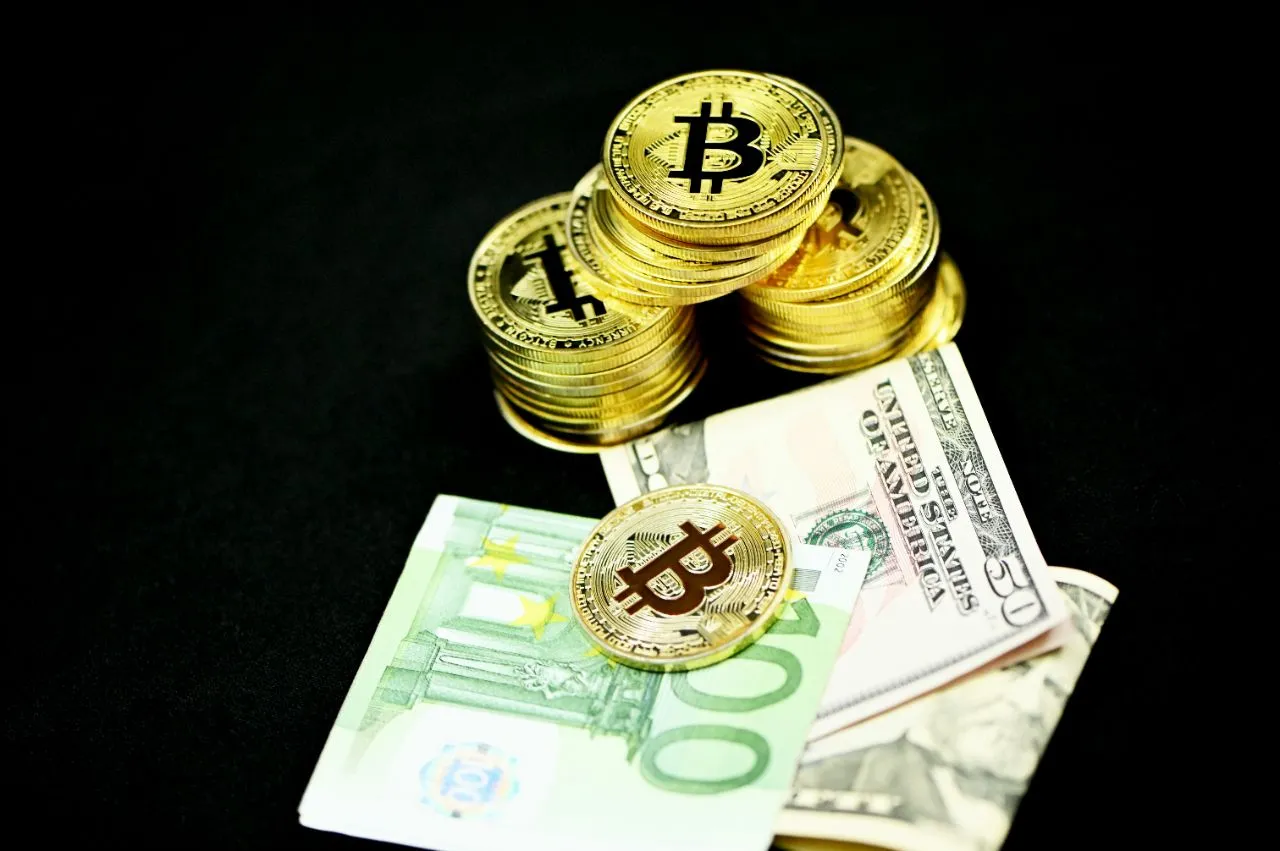
Photo by Kanchanara on Unsplash

New local payment methods

According to a recent press release, the integration offers a direct-to-customer plugin, providing access to a diverse range of cryptocurrencies. The move aims to enhance Bitcoin.com's reach, particularly in Asian and Latin American markets, by incorporating new local payment methods.


Bitcoin.com emphasized the significance of Alchemy Pay's integration, suggesting that it represented a streamlined transition between fiat and crypto with an expanded array of local payment options. This development aligns with Bitcoin.com's goal of meeting the needs of its user base in Asia and Latin America.


Alchemy Pay's payment gateway facilitates transactions using major credit cards such as Visa, Mastercard, Discover and Diners Club across 173 countries. Additionally, the platform supports domestic transfers and mobile wallet payments in developing markets. Alchemy Pay attempts to make the know-your-customer (KYC) process frictionless, coupling that service offering with low fees and competitive conversion rates. The firm’s overriding mission is to make cryptocurrency transactions as convenient as typical online payments.


Focusing on industry partnerships

Alchemy Pay has been pursuing industry collaborations at an ever increasing rate over the course of the past year. The network boasts over 300 fiat payment channels, enabling checkouts beyond card payments to include various local mobile wallet options.


Last month, it clinched a deal with global payment processor, Worldpay. That collaboration facilitates Alchemy Pay service users in leveraging Worldpay’s extensive Visa and Mastercard payment rails. Back in July, it struck a similar deal with global payments processor, Checkout.com.


The company has also been active in the United States. Within that market, it has secured money transmitter licenses in the states of Iowa and Arkansas. It’s understood that the firm has more such licensing applications in the works in other U.S. states.


At the end of November, Alchemy partnered with self custody and multi-coin wallet project Trust Wallet, enabling the wallet providers 70 million users in engaging in crypto transactions involving fiat payments.


VERSE token

Bitcoin.com's native Token VERSE was launched in December 2022, acting as the platform’s rewards and utility token. The VERSE token has been enabled as a supported cryptocurrency as part of the Alchemy Pay platform integration.


The utility token serves as a method of payment in its own right within the Bitcoin.com ecosystem and beyond, unlocking rewards along different tiers, and providing access to exclusive platform services. Users worldwide can leverage the VERSE DEX, Bitcoin.com's decentralized exchange, to swap cryptocurrencies without reliance on third-party custodians.


Bitcoin.com’s goal is to simplify the process of buying, spending, trading, investing, earning and staying informed about cryptocurrency and the future of finance. Millions of users utilize Bitcoin.com's multi-chain digital wallet app for various crypto-related activities. 


Meanwhile, Alchemy Pay supports transactions in 173 countries. The ramp, a one-stop solution for buying and selling crypto and fiat, can be seamlessly integrated by platforms and dApps as needed.


 

More to Read
View All
Markets·

Sep 29, 2023

Hong Kong’s HashKey Adds AVAX Trading

Hong Kong’s HashKey Adds AVAX TradingHashKey Hong Kong, the Chinese autonomous territory’s first licensed retail crypto exchange, has unveiled an addition to its platform with the launch of Avalanche (AVAX) trading.According to an announcement published to its website on Wednesday, HashKey has listed Avalanche on Thursday with the caveat that access to AVAX trading will be reserved for professional investors, as defined by Hong Kong’s Securities & Futures Commission (SFC).Photo by Wance Paleri on UnsplashAccessible to professional investorsTo meet the criteria as a professional investor in Hong Kong, individuals must possess an investment portfolio valued at a minimum of 8 million Hong Kong dollars, roughly equivalent to $1 million. This decision sets AVAX apart from other widely traded cryptocurrencies, such as Bitcoin and Ether, which remain accessible to retail investors in Hong Kong. While Tether (USDT) enjoys retail status, the majority of altcoins on HashKey will remain the preserve of professional investors.This move is a direct result of the SFC’s proactive stance on regulating the rapidly expanding crypto market in Hong Kong. Since the introduction of regulated retail crypto trading in the Chinese autonomous territory in August, the SFC has imposed rigorous requirements on exchanges. HashKey mandates users to deposit a minimum of 10,000 Hong Kong dollars or $1,500 into their exchange accounts as part of the Know Your Customer (KYC) verification process.Low trading volumeAmid these regulatory challenges, HashKey Hong Kong currently reports a 24-hour trading volume of approximately $5.3 million, significantly lower than its global peers. This lower trading volume suggests that stringent regulations may be affecting the exchange’s ability to attract retail investors effectively.The path to regulatory compliance in Hong Kong has been anything but smooth for crypto exchanges. Reports indicate that these platforms have collectively invested over $25 million in establishing the requisite infrastructure for obtaining a Hong Kong Virtual Asset Service Provider (VASP) license. It was reported earlier this year that crypto firms are forking out between $2.55 million and $25.5 million in order to secure a VASP trading license.Despite the challenges, HashKey is looking at various avenues in bringing its offering forward. Earlier this month the firm signed a memorandum of understanding (MOU) with insurer OneDegree. That collaboration could be significant as it should lead to the assets of HashKey users being protected and insured on the platform. That would solve a major issue for participants in the crypto space amid the backdrop of ongoing platform failures and hacks.JPEX collapseEven as regulatory efforts intensify, the crypto industry in Hong Kong has not been impervious to bad actors. The recent collapse of the JPEX crypto exchange earlier this month serves as a stark reminder of the ongoing risks associated with the industry. Described as the largest financial fraud in Hong Kong’s history, JPEX faced allegations of embezzling over $178 million of investors’ funds. Notably, JPEX was operating without SFC registration at the time of the alleged embezzlement.In response to such incidents, the SFC has taken proactive measures by publishing a warning list of crypto exchanges considered non-compliant within the Chinese autonomous territory.

news
Policy & Regulation·

Oct 19, 2023

Surge in Hong Kong Crypto License Applications from Mainland-Linked Brokers

Surge in Hong Kong Crypto License Applications from Mainland-Linked BrokersTwo new platforms with mainland China links are preparing to apply for retail trading licenses in Hong Kong, with several others believed to be interested in following suit.According to a report published by Nikkei Asia earlier this week, the platforms, Yax and PantherTrade, have connections to mainland online securities brokers. PantherTrade is reportedly associated with Futu, a company which in turn is backed by Chinese tech giant Tencent, one of China’s largest technology companies. Yax, an emerging player in the crypto sector, has strong links to UP Fintech Holding, a Beijing-headquartered firm more commonly known as Tiger Brokers.Photo by Kanchanara on UnsplashCapital flight concernsThese connections are significant, given the previous involvement of these brokers in helping mainland Chinese customers invest in offshore assets, primarily US stocks. The firms have previously attracted the attention of China’s financial regulators. A notice from the Chinese securities watchdog in December last year compelled them to cease their “illegal cross-border business” activities.While crypto trading is banned in mainland China, an investigative report by the Wall Street Journal in August suggested that global exchange Binance was thriving in China despite the ban. Actions taken by the Chinese authorities are demonstrative of some level of concern with regard to crypto trading and potential capital flight through crypto.VASP licensingThe move by Yax and PantherTrade signals their intention to apply for a virtual asset service platform (VASP) license in Hong Kong, which would enable them to operate cryptocurrency exchanges for retail customers.Currently, both platforms are undergoing third-party assessments, a mandatory step preceding their formal application to the Securities and Futures Commission (SFC). The timeline for their applications remains uncertain.Broader interestThe growing interest in VASP licenses is not unique to Yax and PantherTrade. At least four other exchange platforms, similarly linked to mainland China, have also sought the same license, highlighting the eagerness of various players to enter the Hong Kong market. OneDegree, the sole licensed insurer for digital assets in Asia, has observed a significant uptick in license applications, including applications from traditional financial institutions, reflecting a positive trend toward educating the mass market.The SFC’s recent decision to make license application information public is an attempt to enhance transparency, following a scandal related to Dubai-headquartered crypto exchange JPEX in which over HK$1.5 billion (approximately $190 million) in virtual assets reportedly disappeared from the exchange.Currently, only two cryptocurrency exchanges, OSL and Hashkey, have received SFC approval. Others, including online brokers, have considered applying for licenses since late last year but are awaiting greater regulatory clarity before taking the plunge.Hong Kong, under the “one country, two systems” framework, has established itself as a hub for legal retail trading of cryptocurrencies. This development may signify a shift in China’s stance on digital assets and its increasing openness to crypto initiatives, as noted recently by blockchain data provider Chainalysis.

news
Web3 & Enterprise·

Sep 23, 2023

Japan’s GMO Coin Announces Special SGB Airdrop for XRP Holders

Japan’s GMO Coin Announces Special SGB Airdrop for XRP HoldersGMO Coin, a prominent cryptocurrency exchange operating as part of the Japanese IT conglomerate GMO Internet Group, has unveiled a unique opportunity for XRP holders. Eligible GMO Coin clients who have previously invested in XRP will receive an exclusive airdrop of Songbird (SGB) tokens.Photo by Kanchanara on UnsplashSGB token distributionThe distribution of these SGB tokens is slated for completion by September 29, offering a promising opportunity for XRP enthusiasts. To qualify for this airdrop, customers must have held XRP in their GMO Coin accounts at 09:00 on December 12, 2020. The airdrop is also being extended to those utilizing crypto asset lending services on the platform.To take advantage of the opportunity, eligible clients will need to provide a snapshot of their XRP holdings. While the exact pricing mechanism for the distribution remains undisclosed, it will be revealed at a later date. Presently, SGB is trading at approximately $0.0045, according to Malaysian cryptocurrency data aggregator CoinGecko.GMO Coin has assured its clients that they are free to manage their XRP holdings as they see fit after submitting the necessary proof. The distributions will ultimately be converted into Japanese yen and made available to clients by the end of the month.Ripple’s mixed fortunesThis development comes in the wake of a roller-coaster year for XRP holders. Ripple’s native token experienced substantial price fluctuations in response to various developments and events.One noteworthy instance occurred in mid-July when XRP surged by more than 70%. This surge followed a favorable ruling in a legal dispute between Ripple and the United States Securities and Exchange Commission (SEC).While regulatory pushback has featured strongly in the US, Ripple has sought to expand its business elsewhere with the Asian region featuring within that strategy. In June, the blockchain-based payments firm obtained in-principle approval from the Monetary Authority of Singapore (MAS) to offer its services within the city-state.Earlier this month, Ripple struck a deal with SBI Remit Co., a subsidiary of Japanese financial services conglomerate SBI Group, to enable the remittance company to utilize Ripple’s XRP cryptocurrency as a bridge currency, connecting bank accounts in the Philippines, Vietnam, and Indonesia.Songbird networkThe Songbird network serves as a canary blockchain on the Flare layer one network. Essentially, the blockchain plays a crucial role in allowing the facility to enable network architecture testing on the Flare network, including the Flare Time Series Oracle, F-Asset systems, and StateConnector.GMO Financial Holdings, the parent company behind GMO Coin, bought a 10% stake in AWR Capital, a multi-strategy crypto hedge fund, in April. Following that investment, AWR became a market maker at GMO Coin. The Japanese exchange business is ranked ninth on Forbes Digital Assets’ list of the world’s largest crypto exchanges.As GMO Coin prepares to distribute SGB tokens to eligible XRP holders, this airdrop marks a great opportunity for relevant stakeholders. It showcases the platform’s willingness to reward its customers and foster engagement within the crypto community.

news
Loading