Top

Thailand makes crypto trading VAT-free to boost digital economy

Policy & Regulation·February 08, 2024, 7:46 AM

In a significant move to propel Thailand towards becoming a digital asset hub, the Finance Ministry has announced the exemption of value-added tax (VAT) on digital asset trading.


VAT exemption

According to the Bangkok Post, the decision became effective on Jan. 1. It aims to foster the growth of the digital asset industry and support the country's growing digital economy.


Paopoom Rojanasakul, secretary to the finance minister, underscored the ministry's commitment to promoting digital assets as a viable fundraising tool. By suspending the requirement to pay 7% VAT on income derived from cryptocurrency and digital token trading, authorities seek to encourage investment in the digital asset market.


This VAT exemption extends beyond authorized digital asset exchanges to include brokers and dealers under the supervision of the Securities and Exchange Commission (SEC). The move aligns with Thailand's ambition to position itself as the region's premier digital asset hub.


Moreover, the Finance Ministry and SEC are actively amending the 2019 Securities and Exchange Act to enhance regulations concerning digital investment tokens, bringing them more in line with securities.
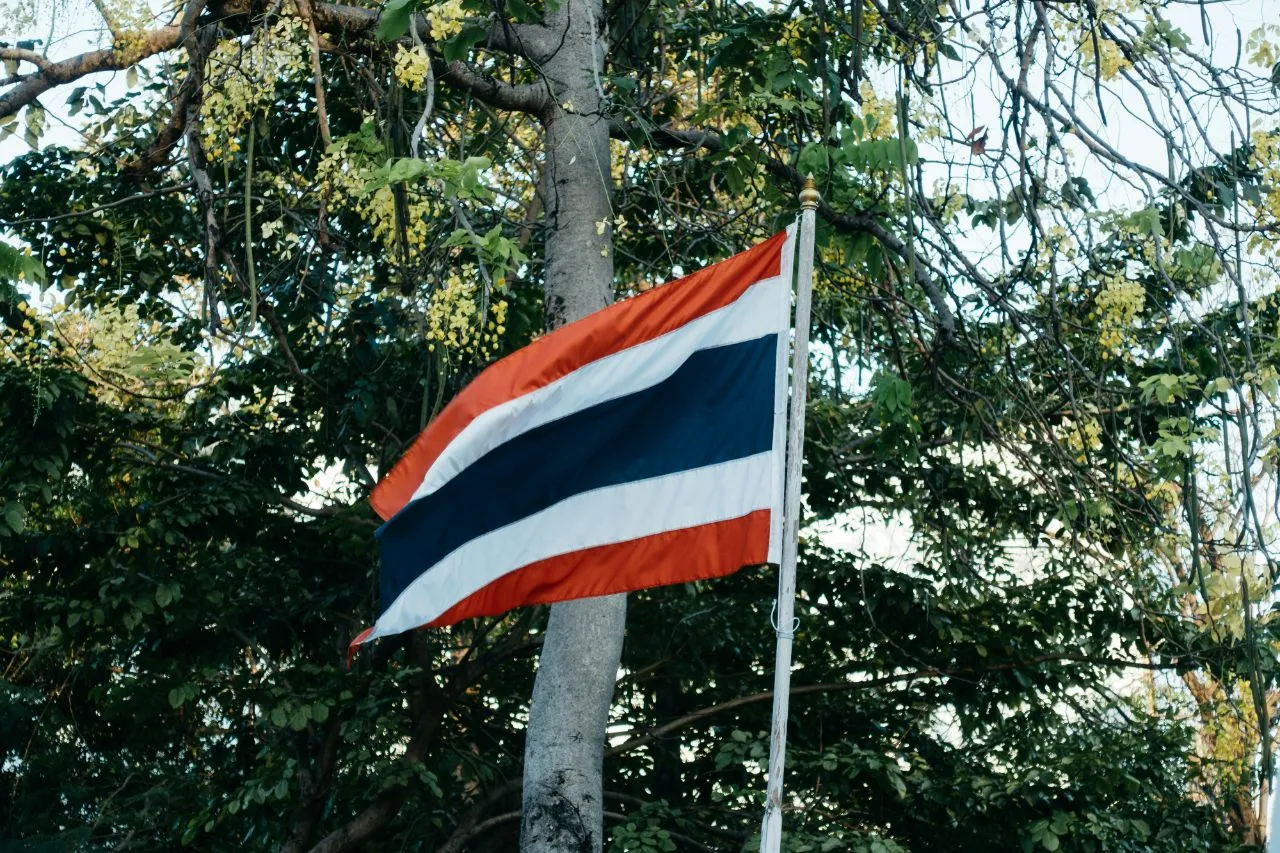
https://asset.coinness.com/en/news/07e10e9104dc2bd531bf23bcffe33640.webp
Photo by Markus Winkler on Unsplash

Attracting offshore digital asset sector investment

Thailand's attractiveness to offshore digital asset investors has grown substantially in recent years. The new tax policies are poised to further bolster the country's position in the global digital asset market.


Last month, the Thai SEC adjusted the rules governing digital token investments, raising the investment ceiling that had been imposed on retail investors where initial coin offerings (ICOs) relative to infrastructure and real estate are concerned.


Furthermore, the Commission has updated criteria for custodial wallet provider businesses, enabling them to extend their services to digital asset business operators, thereby facilitating smoother operations within the digital asset ecosystem.


However, Mr. Paopoom emphasized the importance of balancing development with financial stability. While fostering innovation in the digital asset sector, the government remains mindful of safeguarding the integrity of the financial system.


Despite these advancements, the SEC has made it clear that it will not permit the trading of spot bitcoin exchange-traded funds (ETFs) in Thailand. This decision contrasts with the recent approval of bitcoin ETFs in the United States and moves towards approving crypto ETFs in Hong Kong, reflecting Thailand's cautious approach to cryptocurrency-related financial products.


Nevertheless, Thailand continues to attract global crypto exchanges, with industry giants such as Binance establishing a presence in the country. Last month, Binance announced the launch of crypto exchange services to the general public in Thailand through Gulf Binance, a joint venture with Thailand’s Gulf Innova.


The VAT exemption on digital asset trading represents a pivotal step in Thailand's journey towards embracing the digital economy. With supportive regulatory measures and a dynamic market environment, Thailand aims to take its place as a leading player in digital assets.




More to Read
View All
Web3 & Enterprise·

Sep 15, 2023

Viver Boosts Business Expansion with Blockchain Integration

Viver Boosts Business Expansion with Blockchain IntegrationViver, a luxury watch trading platform and subsidiary of Dunamu, which operates the Upbit cryptocurrency exchange in South Korea, is gearing up to expand its business by securing operating funds and implementing blockchain technology to enhance the transparency and security of trades.Photo by Caramel on UnsplashIn particular, designated services in which Viver plans to incorporate blockchain technology include the management of transaction history and the authentication of buyers and sellers, which can be used for watch appraisals and guarantees.“We do not plan to introduce services incorporating blockchain right away this year, but we are exploring ways to bring Dunamu’s strengths in blockchain to Viver,” the platform explained.From acquisition to nurturing growthAfter its establishment in February 2021, Viver was soon acquired by Dunamu, which injected KRW 9.5 billion (approximately $7.2 million) into the company on June 30 of that same year.Since then, the platform has been receiving continued financial support from Dunamu. It received KRW 2 billion in operating funds last year and an additional KRW 5 billion last Wednesday through board approval. In total, Viver has received approximately KRW 16.5 billion in funding from Dunamu over the past two years. “We decided to inject these operating funds to facilitate business growth,” Dunamu explained. The company also filed for trademark rights to Viver in July.This move contrasts with Dunamu’s actions in the first half of the year, where it divested its entertainment subsidiary, rrr Entertainment, for KRW 3 billion and its video production subsidiary, Knowmerce, for KRW 2.7 billion.In its first year of establishment, Viver recorded a net loss of approximately KRW 433 million, followed by a net loss of KRW 3.8 billion in 2022. While it has not yet achieved a turnaround in financial performance, the platform is facing promising outlooks as it has witnessed a substantial tenfold increase in its user base over the past year. Furthermore, since the launch of the service in August last year, the number of products directly listed by sellers as of July this year spiked nearly thirty times, with monthly trade count and transaction volume increasing almost fifteen times.Solid leadership and the beginnings of monetizationViver’s efforts to grow as a commerce service have been led by CEO Moon Jae-yeon and Chief Operating Officer Seo Hee-seon. Moon is known for his expertise in the management of commerce platforms through his experience working at eBay Korea and Coupang. Seo has similarly worked at notable companies such as BGF Retail, Interpark, eBay Korea, and 11th Street.Since Tuesday, Viver has started implementing service fees, signaling its move toward monetization. While transaction fees are still free due to an ongoing promotional event, order management fees are set at 2%, and sellers are now responsible for shipping costs.“Since our platform facilitates brokered trades, there are costs involved in order management, shipping, and our own evaluation and diagnostics processes. We have started charging fees for some of these costs so we could provide an improved trade experience,” Viver explained in regard to these changes.Viver also has its own magazine section, where it recently unveiled a special article for its 100th issue outlining its most popular and expensive high-end timepieces.

news
Markets·

May 01, 2025

Crypto fraud hits 20% of Korean investors, global trend shows seniors most vulnerable

A recent survey in South Korea found that 20.3% of crypto investors have fallen victim to financial losses. Conducted by the Korea Financial Consumers Protection Foundation in late December, the survey polled 2,500 adults aged 19-69, with respondents able to select multiple loss categories. Investors in their 60s were most vulnerable, reporting a 25.3% loss rate. Exchange-related problems constituted the majority of incidents (72.8%), followed by online chat room scams (44.7%) and investment fraud (35.5%).Photo by Growtika on UnsplashExchange failures lead lossesAmong exchange-related losses, 40.6% of users couldn't sell assets due to system failures, while 11.5% lost digital assets through exchange hacking. Overall, exchange technical issues accounted for 52.1% of reported losses, with another 20.7% losing assets when exchanges closed completely. Chat group scam victims experienced various forms of fraud: 23.2% paid for worthless or false information, while 21.5% suffered financial losses through market manipulation or proxy trading schemes. Investment scams included fake crypto projects or fraudulent firms (18.0%), deceptive exchanges (10.3%), and other scams (7.2%). Most victims (75.1%) reported losses under 10 million won (approximately $6,945), with 34.6% losing less than 1 million won. Due to these relatively small amounts, 67.7% took no action following their losses. Of the 32.3% who sought help through various channels, 73.9% were unable to fully recover their funds. Problem worsening across Asia and beyondThis problem extends beyond South Korea. In neighboring Japan, police reported 19,038 crypto fraud cases in 2023, with damages totaling 45.26 billion yen (about $300 million), according to Chainalysis, citing Japanese National Police Agency data. These figures surpass 2022 numbers, indicating continued growth in fraudulent activities. A recent case highlighted by the Fukushima Minyu Shimbun involved a Soma City woman in her 50s who lost approximately 116.6 million yen ($780,000) to scammers impersonating police officers. The fraud began with a fake customer service call, followed by deceptive claims about fraudulent accounts and threats of arrest, which led her to create cryptocurrency accounts and transfer funds before eventually reporting the scam. Elderly at highest risk as fraud surgesThe FBI's Internet Crime Complaint Center's 2024 report further confirms this trend, documenting 149,686 crypto fraud complaints in the U.S. with $9.3 billion in reported losses—66% higher than in 2023. Notably, people over 60 were the most affected demographic, consistent with the Korean study's findings.

news
Web3 & Enterprise·

Nov 01, 2023

Xangle and CryptoTimes partner to advance Web3 adoption in Korea and Japan

Xangle and CryptoTimes partner to advance Web3 adoption in Korea and JapanXangle, a digital asset data research platform based in South Korea, announced Wednesday (local time) a collaboration with Japanese crypto media CryptoTimes with the goal of advancing the widespread adoption of Web3 technology.Photo by Shubham’s Web3 on UnsplashSharing translated reportsThe two platforms have agreed to translate and share each other’s industry analysis reports on their respective platforms. Through this partnership, they aim to bridge the gap between Korea and Japan in sharing Web3 strategies and regulatory updates, which previously faced challenges due to language barriers.As a first step in this joint effort, the Japanese translation of Xangle’s “Waiting for the Spring of Music NFTs: Industry Perceptions and Future Potential” and the Korean translation of CryptoTimes’ “Nike, Adidas and Puma’s Web3 Trend Comparison Report” were made accessible to their platform users on Nov. 27.In particular, Xangle’s reports will be featured in CryptoTimes’ research repository, CT Analysis. Through this, Xangle aims to reach a wider audience in Japan.Stronger communication between Korea and JapanJunwoo James Kim, co-CEO and co-founder of Xangle, shared his excitement regarding their collaboration with CryptoTimes, a renowned media outlet in Japan. He emphasized the significance of both Korea and Japan emerging as leading forces in the Web3 industry within Asia. Kim added that this partnership will foster stronger communication between the blockchain sectors of both nations, accelerating the widespread adoption of Web3.Discussing Web3 development, Kim outlined that we are currently in the third phase, centered around its widespread adoption. The first phase saw the birth of various ideas, while the second phase involved testing these concepts for viability.Shingo Arai, co-founder of Rokubunnoni, which operates CryptoTimes, emphasized that the trends in the Korean Web3 market are not just informational but serve as significant indicators. He noted that sharing reports is merely the beginning. Arai expressed their intent to continuously seek various collaboration opportunities with Xangle, aiming to close the information gap between Korea and Japan in the Web3 arena.

news
Loading